
Review · FRANKFURT TOURS
Heusenstamm:tour of the Depot of the museum of communication
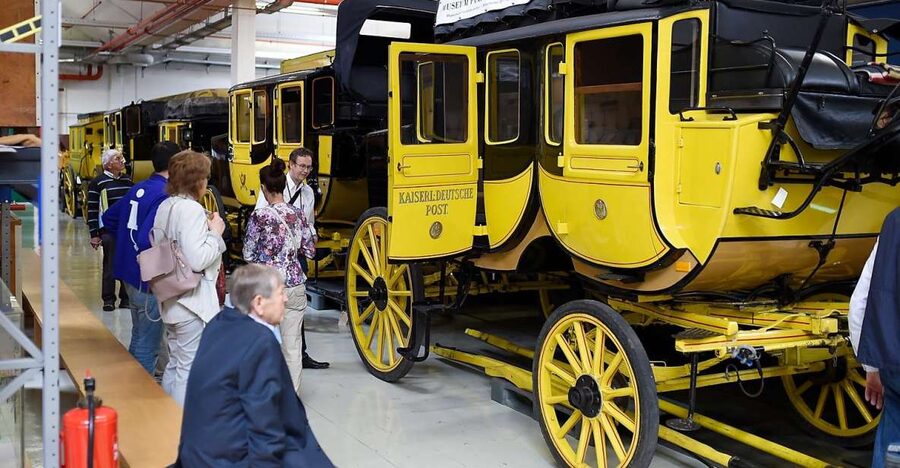
The most surprising part of this tour is its scale. Heusenstamm holds the working collection behind Frankfurt’s Museum of Communication, with objects ranging from 1930s television sets to buses, sleighs, telephone boxes, and an enormous telephone collection. You get a look at the material that cannot all fit into a city museum.
I like the chance to see communication technology as real objects, not just pictures, and I like that the $16 price includes entry to the Museum of Communication Frankfurt as well. The main caution is time: 1.5 hours gives you a clear route through a huge collection, but not enough time for every cabinet and corner. The tour is in German, too.
Key points
- 375,000 objects form the depot collection, with communication devices, vehicles, furniture, and artwork.
- Rare television and radio pieces show how quickly home technology changed during the 20th century.
- Large historic objects such as sleighs, buses, and telephone boxes make this more than a display of small electronics.
- The telephone collection is the world’s largest, offering a close look at how everyday calling equipment developed.
- Your ticket includes Frankfurt’s museum, giving you a second setting for the history of communication.
- Friday afternoon traffic can be heavy, so allow extra time for the trip to Heusenstamm.
Why Heusenstamm is worth the short trip from Frankfurt
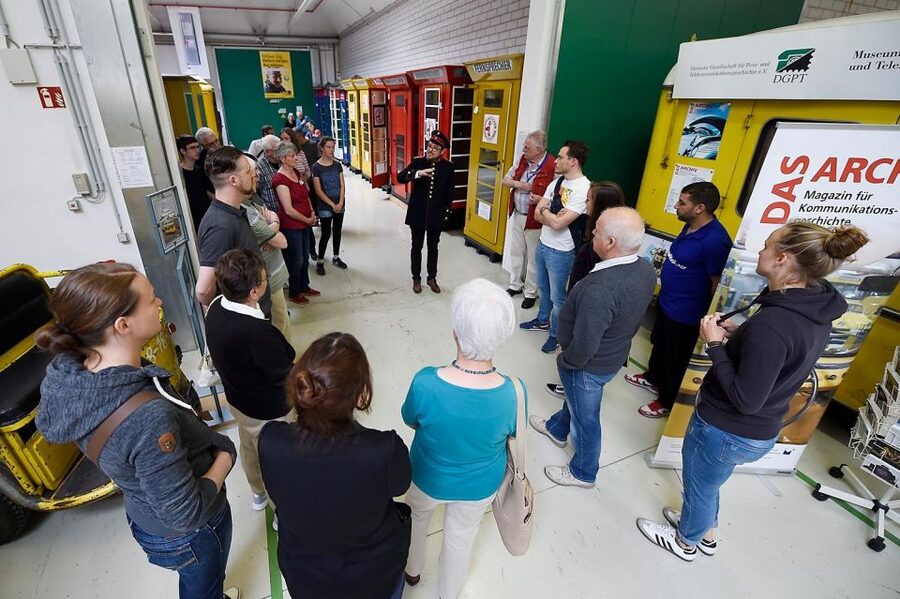
The Museum of Communication Frankfurt presents the public face of the institution. Heusenstamm gives you access to the depot, where the collection is much larger than what can be displayed in regular galleries.
That difference matters. A normal museum visit often gives you a polished selection of the best-known objects. Here, the appeal is seeing the breadth of the collection and understanding how many forms communication has taken over time. The tour makes the storage collection readable instead of leaving you to wander past unfamiliar equipment.
You are not simply looking at old telephones. The route covers messaging, broadcasting, telephones, radio, television, networking, transport, and art. This makes the visit useful for anyone interested in design, engineering, social history, or the way ordinary technology changed daily life.
Heusenstamm is in Hessen, Germany. The supplied practical advice is especially relevant for a Friday afternoon, when roads can be crowded. One visitor also found the entrance partly hidden by an agricultural sales stand, so keep your eyes open when arriving and allow more time than the short tour itself requires.
More museums and galleries in Frankfurt:
- Frankfurt: Museum of Communication Exhibitions
★ 4.4 · 45 reviews - from Frankfurt: Heidelberg, Mercedes Museum / Schwetzinger Schloß
★ 5.0 · 35 reviews - Frankfurt: Struwwelpeter Museum Entry Ticket w/Audio Guide
★ 4.5 · 22 reviews
The first 90 minutes inside the depot
The guided walk lasts 1.5 hours. That sounds generous for one museum visit, but this collection is so large that the time passes quickly.
The guide provides the structure. Without that help, a depot filled with thousands of objects could feel like a warehouse. The German-speaking guide explains what you are seeing and places the objects into a wider story of communication. The strongest part of the tour is the background information, especially when a familiar device is connected to a wider change in technology or society.
The route begins with the idea of early messaging and follows the development of communication into the modern age. You can expect to see objects that illustrate how people sent information, how signals moved across distances, and how devices gradually entered homes and workplaces.
Do not expect to examine every item closely. The size of the collection makes that impossible in 90 minutes. Instead, think of the tour as a well-chosen introduction. It shows you what the depot contains, points out important objects, and gives you a reason to return if you want a slower look.
That is a useful tradeoff. You leave with a clear sense of the collection rather than spending your entire visit on a single technical display. If you enjoy reading every label, you may find the pace quick. If you want a broad overview with a guide who can explain the objects, the timing works well.
From tube receivers to internet radio
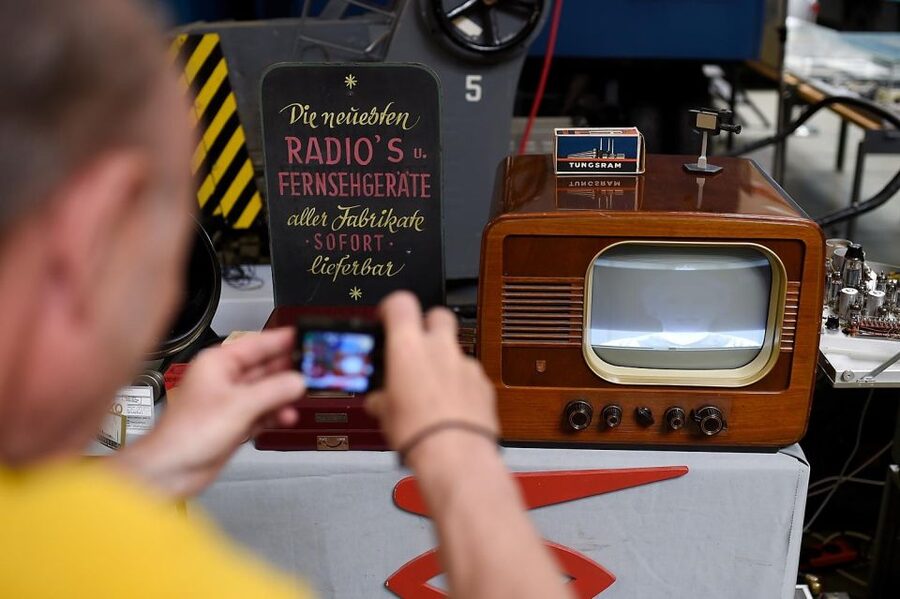
The radio section gives the tour a strong design and technology angle. It follows the change from early tube receivers to internet radio, showing how a device that once required bulky components became smaller, more stylish, and more connected.
Early radios were not only tools. They often became important pieces of household furniture. The tour includes design icons from radio history, so you can pay attention to the shape and finish of the sets as well as their technical function.
The move from tube receivers to internet radio also gives you a useful way to think about technological change. The basic aim stays familiar: receive sound from somewhere else. The equipment, size, controls, and network behind it change dramatically.
This section should appeal to anyone who likes industrial design or vintage electronics. It also works for people who do not know much about radio, since the progression is easy to follow. You can see how a once-specialized technology became part of ordinary home life.
The same approach continues into television. Rare television sets from the 1930s are among the most distinctive objects in the collection. Their value is not only their age. They show how early television was presented as a new household technology, long before the slim screens and streaming services familiar today.
The world’s largest telephone collection
Telephones are a central part of the visit. The depot contains the world’s largest collection of telephones, giving the guide plenty of material for explaining how calling equipment developed.
For you, the main benefit is variety. A single old telephone can seem like a curiosity. A large collection lets you compare forms, controls, materials, and designs. You can see how an object used for a simple task became a familiar part of homes, offices, public spaces, and communication networks.
The collection also helps explain the difference between a device and a system. A telephone is only the object in your hand or on a desk. Behind it sits a network that connects people across distance. The tour’s wider story of global networking helps make that connection clear.
This is one of the better sections for families and mixed-interest groups. Children can recognize the basic purpose of a telephone even when the design is unfamiliar. Adults may remember some of the devices from their own homes. The objects provide an easy starting point for talking about how quickly everyday technology changes.
You should not expect every telephone to receive a long explanation. The collection is too large, and the tour has other sections to cover. Take the time to notice the broad changes in design and use, then return to specific pieces at the Frankfurt museum if you want a more conventional gallery visit.
A few more Frankfurt half-days to weigh up
- Frankfurt: River Main Sightseeing Cruise with Commentary
★ 4.3 · 5,127 reviews - Frankfurt: Hop-On, Hop-Off Grand or Express Bus Ticket
★ 3.9 · 2,088 reviews - Frankfurt: 1-Hour Panorama Boat Cruise on the river Main
★ 4.4 · 1,822 reviews - From Frankfurt: Rhine Valley Day Trip
★ 4.4 · 1,317 reviews
Why the buses, sleighs, and telephone boxes matter
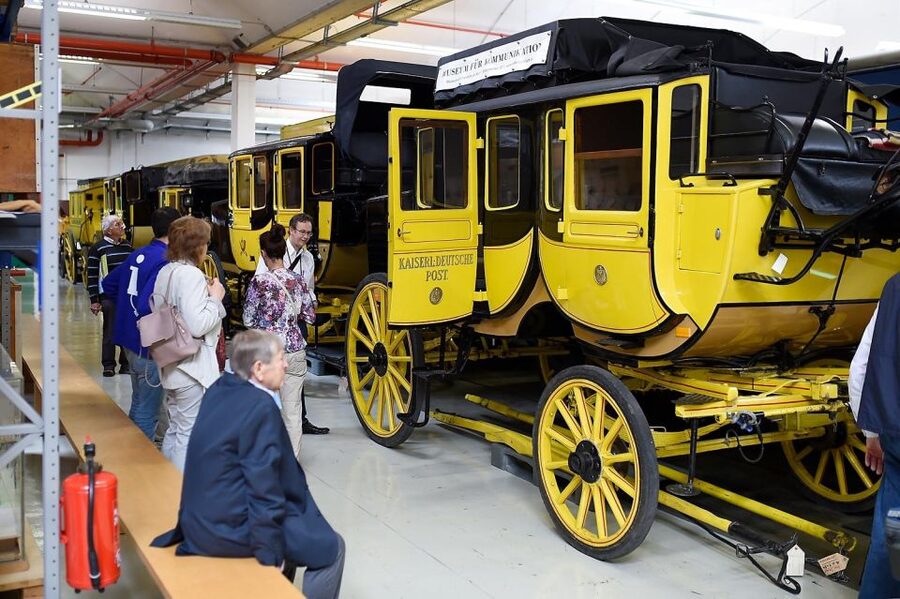
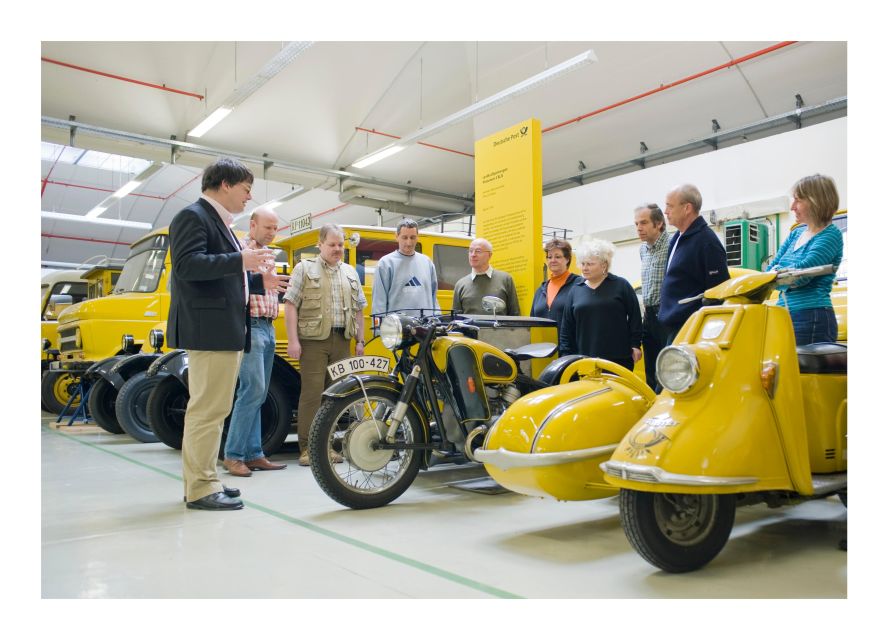
The large objects add welcome variety to a tour that could otherwise focus on small radios, phones, and electronic equipment. Historic sleighs, buses, and telephone boxes show that communication depends on places and movement, not just machines.
A bus can represent the practical movement of people and information. A telephone box points to public access, when making a call meant finding a specific place rather than reaching into your pocket. Sleighs bring another physical form of transport into the story.
These items are also useful for photography. The tour highlights the chance to photograph yourself with rare historic vehicles, and the larger pieces give you a better sense of scale than a cabinet of small objects. Ask about the guide’s instructions for photography during the visit, since the supplied information does not specify rules for every display.
The vehicles make the depot feel less like a collection of old household electronics. They show how communication has been tied to transport and public infrastructure. That wider view is one reason I would recommend this tour to anyone who has already visited a standard technology museum and wants something less predictable.
The art collection adds another layer
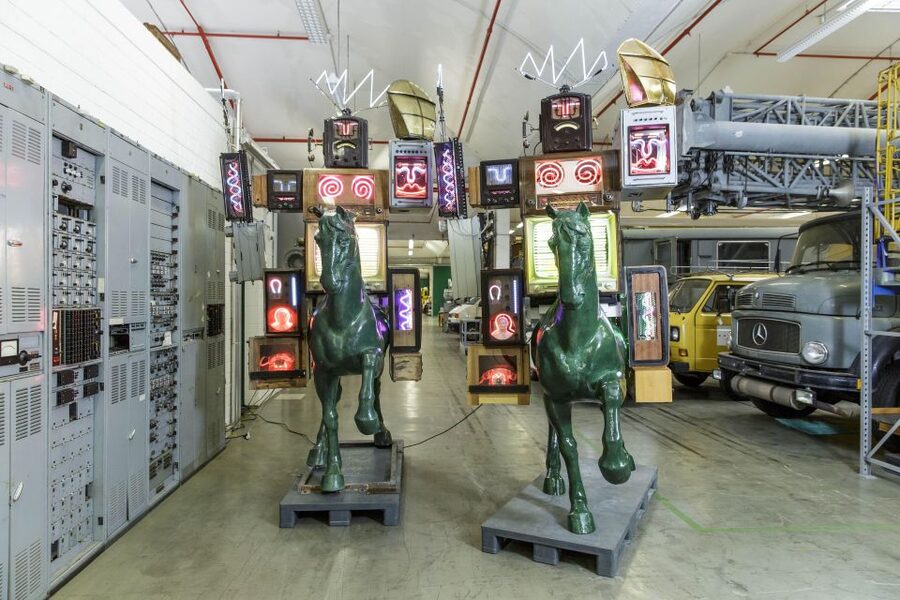
The depot’s art collection includes more than 300 paintings, from the 17th century to contemporary works. This may sound separate from telephones and radios, but it expands the way you think about communication.
Paintings can show how people represented messages, travel, news, work, and social contact before modern electronic devices. Contemporary works can approach communication in a more direct or experimental way. The collection therefore gives the depot a cultural dimension alongside its technical displays.
You may not see every painting in detail during the 1.5-hour route. The tour has too much ground to cover for that. Still, the art is an important reminder that communication is not limited to wires, receivers, and networks.
If art is your main interest, you will want to check how much time the guide gives this part of the collection. If you are primarily visiting for radios, telephones, and vehicles, treat the paintings as an added layer that broadens the subject.
How the Frankfurt museum fits into the day
The price includes entry to the Museum of Communication Frankfurt, which makes the $16 cost easier to assess. You receive the guided depot visit and access to a second museum connected to the same subject.
The two locations serve different purposes. Heusenstamm gives you the scale and variety of a large depot collection. Frankfurt offers the public museum setting, where communication can be presented in a more accessible exhibition format.
Do not assume that the Frankfurt museum displays everything seen in Heusenstamm. The collection is far too large for that. One of the clearest lessons from the depot is that the Frankfurt museum shows only a small part of what the institution holds.
That is not a weakness. Museums need to select objects, create space for explanations, and make a visit manageable. The depot shows you how much sits behind that selection. If you have time for both locations, the combination gives you a fuller understanding of the institution.
The entry to Frankfurt is particularly useful if you are already planning a museum visit there. If you only want a quick guided outing and will not use the second admission, the value is less direct, although the depot tour alone still provides a substantial 90-minute visit.
Price, language, and practical planning
At $16 per person, the tour is reasonably priced for a guided visit that also includes entry to the Frankfurt museum. The value is strongest when you use both admissions and appreciate collections that go beyond a standard public display.
The guide speaks German. That is the most important booking consideration. If you understand German, the live explanations add much more than you would get from looking at objects on your own. If you do not, you may still enjoy the unusual vehicles and technology, but the historical context will be harder to follow.
No food or drinks are included, so plan those separately. The activity lasts 1.5 hours, and the available start times should be checked before booking. The information provided does not give a group size, transport arrangement, or detailed accessibility information, so ask the provider directly if any of those points affect your plans.
The booking terms are flexible: you can cancel up to 24 hours before the start for a full refund, and you can reserve without paying immediately. Those terms help if your schedule in Hessen is still changing.
For arrival, build in extra time on Friday afternoons. Road traffic can be heavy, and the entrance may not be obvious if the agricultural sales stand is present. A calm arrival is worth protecting, since the tour itself is tightly timed.
Who will get the most from this visit
I would choose this tour if you like objects with a practical story. The most rewarding parts are not just the oldest items, but the contrasts: early television beside later broadcasting equipment, tube receivers beside internet radio, and public telephone boxes beside the modern idea of global networking.
It suits adults interested in engineering, design, social change, and museum collections. Families may enjoy the vehicles and familiar household devices, though the German-only guiding and the steady pace may be less suitable for very young children.
Photography fans will appreciate the large historic objects and the chance to pose near rare vehicles, subject to the site’s photography rules. Art lovers may enjoy the 300-plus paintings, but should not book this solely as an art tour. The focus remains the history of communication.
It is also a good choice for repeat visitors to Frankfurt who want something outside the usual city-center museum route. The depot has a different mood and purpose. You are seeing the scale behind a public institution, not just its finished exhibition.
Should you book the Heusenstamm depot tour?
Book it if you can follow German and want a guided look at objects that rarely fit into a normal museum. The $16 price is good value when you use the Frankfurt admission, and the combination of telephones, radios, early televisions, vehicles, and paintings gives the visit real variety.
Skip it if you need an English tour, dislike fast overviews, or want to study each object at length. The collection is simply too large for a detailed look in 1.5 hours.
For the right visitor, the short duration is part of the appeal. You get a focused introduction to an enormous collection, useful explanations from a live guide, and a second museum ticket to use in Frankfurt. Just allow extra time for the journey, especially on a Friday afternoon.
FAQ
Where does the tour take place?
The guided tour takes place at the Museum Depot in Heusenstamm, in Hessen, Germany.
How long does the guided tour last?
The guided walking tour lasts 1.5 hours.
What language is the tour in?
The live tour guide speaks German. The supplied activity information does not list another tour language.
What does the $16 price include?
The price includes admission to the Museum Depot in Heusenstamm, the 1.5-hour guided walking tour, and entry to the Museum of Communication Frankfurt.
Are food and drinks included?
No. Food and drinks are not included.
What can I see at the depot?
The depot contains objects from a collection of about 375,000 items, including 1930s televisions, radio design pieces, telephones, sleighs, buses, telephone boxes, and more than 300 paintings.
Can I cancel the booking?
You can cancel up to 24 hours in advance for a full refund. You can also reserve the activity and pay later.
Just added around Frankfurt
- magnificent historic Heidelberg, private Tour, from Frankfurt★ 4.5 · 15 reviews
- from Frankfurt: Heidelberg, Mercedes Museum / Schwetzinger Schloß★ 5.0 · 35 reviews
- from Frankfurt: historic treasure Rothenburg, private 1 day Tour★ 5.0 · 9 reviews
- Frankfurt : Private Walking Tour With A Guide ( Private Tour )★ 4.5 · 27 reviews
- Trier Small-Group Day Trip from Frankfurt★ 4.0 · 5 reviews
- The Tales of Frankfurt’s New Old Town: A Self-Guided Audio Tour★ 5.0 · 7 reviews
- Fairytale Rüdesheim and Monastery Eberbach Tour★ 5.0 · 9 reviews
- from Frankfurt – romantic Black Forest & brewery, private tour★ 5.0 · 13 reviews
Frankfurt Tours, compared.

River Main Sightseeing Cruise with Commentary
Read our review →
1-Hour Panorama Boat Cruise on the river Main
Read our review →

New Old Town and Highlights German-Language Tour
Read our review →
Rhine Valley Trip from Frankfurt including Rhine River Cruise
Read our review →
Browse the lists this tour appears in