Review · BERLIN TOURS
Berlin and Car Culture Tour
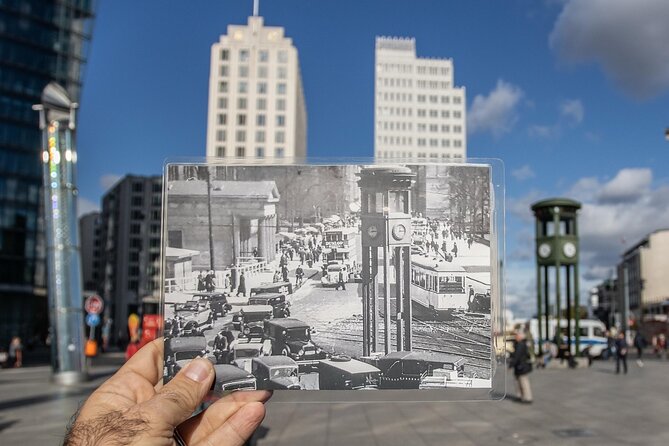
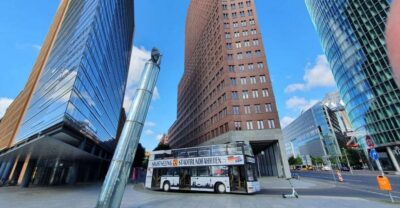
Berlin’s automobile story begins in an unexpected place: Potsdamer Platz, where the tour connects modern city life with the early days of the motorcar. You’ll see Germany’s oldest traffic light, hear about Karl Benz and the patent that changed transport, then move from early engines to Tesla and Berlin’s classic cars.
I like the clean three-part shape, especially the contrast between automotive history and electric mobility. I also like that Martin Sacan brings personal enthusiasm and clear storytelling to the subject. The main drawback is practical: the $50.57 price does not include the required Berlin AB transport ticket, and the final stop requires a cross-city journey to Moabit.
Key points at a glance
- Potsdamer Platz opens with Berlin’s automobile beginnings: See Germany’s oldest traffic light and discuss the early excitement around Karl Benz’s invention.
- Leipziger Platz shifts the focus to Tesla and electric cars: The tour asks serious questions about battery power, combustion engines, and the future of transport.
- Moabit provides the longest stop: You get about 90 minutes with classic motor cars in Berlin.
- Martin Sacan leads the English-language experience: His enthusiasm for Berlin and automotive history shapes the tour.
- The group can reach 30 people: That keeps the price moderate, though a larger group may affect how close and conversational the experience feels.
- You need an AB-zone transport ticket: It is not included, so plan for that extra cost before setting out.
Why Berlin works so well for a car culture tour
Berlin is a good place to study the automobile because the subject is not kept inside a single museum. The car appears in the city’s streets, public debate, engineering story, and changing ideas about urban life.
This experience links three different chapters. At Potsdamer Platz, you look backward to the invention and early public reaction to the motorcar. At Leipziger Platz, you look at the current argument over electric vehicles. In Moabit, you spend the most time with older cars that show how design and engineering developed over the decades.
That range gives the tour more shape than a simple collection of parked vehicles. You are not only looking at cars. You are asked to consider what cars changed, why people wanted them, and what may replace the combustion engine.
The tour lasts about three hours, which is a useful length for a specialist interest. It is long enough to cover several parts of Berlin without taking up your whole day. You can fit it into a morning or afternoon, then continue with other sightseeing.
The subject is focused, so I would not choose this as a general introduction to Berlin. If you want a broad city tour covering major landmarks, this is too narrow. If you care about engineering, transport, urban change, or design, the narrow focus is the point.
A few more Berlin half-days to weigh up
- Berlin: Reichstag, Dome and Government District Guided Tour
★ 4.7 · 18,288 reviews - Berlin: 1-Hour City Tour by Boat with Guaranteed Seating
★ 4.3 · 16,993 reviews - Berlin: Boat Tour Along the River Spree
★ 4.4 · 11,252 reviews
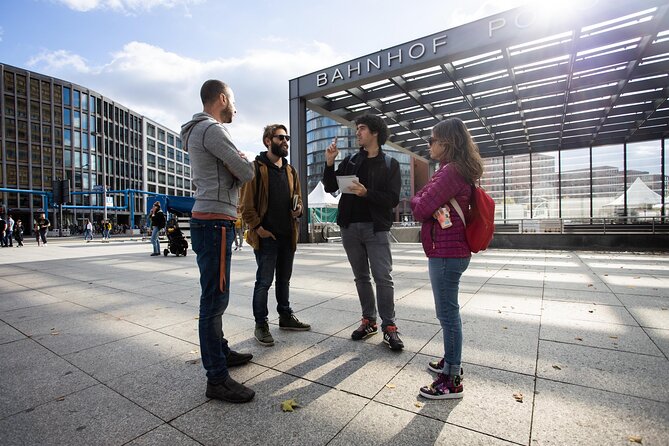
Potsdamer Platz and Germany’s oldest traffic light
The opening stop at Potsdamer Platz lasts about 30 minutes. This is where the tour sets the historical frame, using one busy urban setting to explain how the motorcar entered public life.
The key object is Germany’s oldest traffic light. It helps you picture an earlier Berlin in which growing traffic created new problems for pedestrians, drivers, and city planners. A traffic signal may seem ordinary today, but here it becomes a marker of a major shift in how people shared city streets.
The tour also discusses Karl Benz and the story of the first automobile patent. The point is not only the technical invention. You also hear about the furor the automobile caused, which gives the subject a human side. New machines rarely arrive without argument, and the early motorcar raised questions about speed, safety, noise, and the proper use of public roads.
I like this beginning because it places a large industrial story in a walkable city setting. You do not start with a long list of dates. You start with a traffic light and a public square, then connect those things to the spread of motorized transport.
There is also a useful contrast here. Potsdamer Platz is associated with Berlin’s modern city image, while the discussion reaches back more than a century. That makes the opening easy to grasp even if you do not know much about car history.
The stop is short, so do not expect a full technical lesson on Benz’s engineering. You will get a focused introduction and a sense of why the automobile mattered. Martin Sacan’s role is important here. His storytelling and interest in both Berlin and cars help turn a basic street stop into a proper starting point.
Leipziger Platz and the argument over electric cars
After the early automobile story, the tour moves to Leipziger Platz for another 30-minute stop. The subject changes from invention to the next possible turning point: electric mobility.
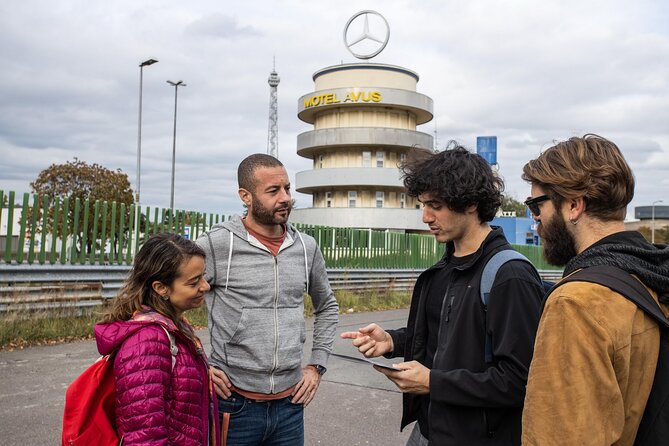
Here you look at some of the most advanced electric cars of the present day, including a Tesla made near Berlin. The experience includes getting into the cars, which gives the stop a more direct feel than simply viewing them from outside.
The discussion asks several useful questions. Are electric cars the true future of the industry, or are they mainly a politically popular choice? When will combustion engines be finished? What does the change mean for drivers and manufacturers?
Those questions matter because electric cars are often presented as a simple answer. This tour gives you room to think about the issue instead of treating it as settled. The tone may appeal to anyone who enjoys the arguments behind a technology, not just its polished exterior.
The stop also connects international car culture with Berlin’s own role in newer manufacturing. The Tesla reference makes the subject local. You are not discussing an abstract future somewhere else. You are looking at a car associated with production near Berlin and considering how the city fits into changes in the industry.
You should keep your expectations measured. The supplied details do not promise test drives, factory access, or a long technical demonstration. The stated experience is to see the cars and get inside them while discussing mobility. That can still be worthwhile, but it is different from a dedicated Tesla showroom event or an engineering workshop.
For me, the value lies in the transition between the first and second stops. Potsdamer Platz shows how disruptive the automobile once was. Leipziger Platz asks if electric vehicles are now creating another major break with the past.
Moabit and 90 minutes with classic cars
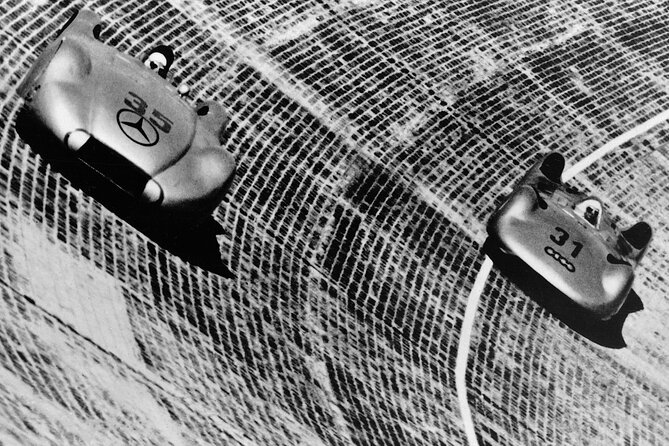
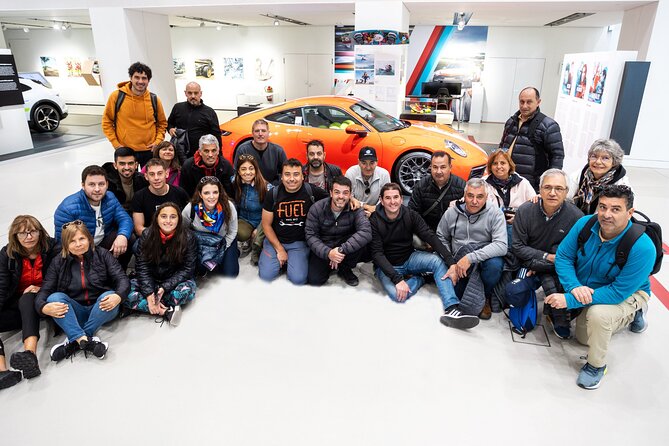
Moabit receives the largest share of the tour, about one hour and 30 minutes. That timing tells you where the experience puts its weight. The final stop is devoted to classic motor cars in Berlin, described as some of the city’s finest timeless automotive pieces.
This is likely the portion that will matter most to people who already enjoy cars. You have enough time to look closely, compare styles, and let Martin Sacan explain why particular vehicles matter. A 90-minute visit also leaves room for questions and conversation, rather than forcing the group through a quick viewing.
The available information does not identify each car or promise a particular make, model, or collection. That is worth noting before you book. If you are hoping to see one exact vehicle, ask the provider before paying. The clear promise is classic automobiles in Moabit, not a fixed catalogue of individual cars.
Still, the broad approach has an advantage. You can approach the collection as a story of changing taste and technology. Early cars tend to show function and mechanical invention. Later designs can reveal different ideas about comfort, speed, status, and beauty.
The Moabit stop also gives the tour a quieter finish after two central Berlin locations. You have moved from a public square and a modern display of electric cars to a longer look at physical vehicles. That final stretch should suit anyone who prefers objects and close observation over fast sightseeing.
The drawback is that the stop is not near the starting point. The tour begins at Potsdamer Platz 10 and ends at Berlin Beusselstraße, by Beusselbrücke. You need to allow for that change of area and for the transport ticket required during the experience.
Same city, a completely different sort of afternoon:
- Discover Berlin Half-Day Walking Tour
★ 5.0 · 9,624 reviews - Berlin: Hop-on Hop-off Bus Tour with Live Commentary
★ 4.3 · 8,579 reviews - Berlin: Government District around the Reichstag Guided Tour
★ 4.7 · 8,447 reviews - Berlin: Reichstag, Plenary Chamber, Cupola & Government Tour
★ 4.6 · 8,422 reviews
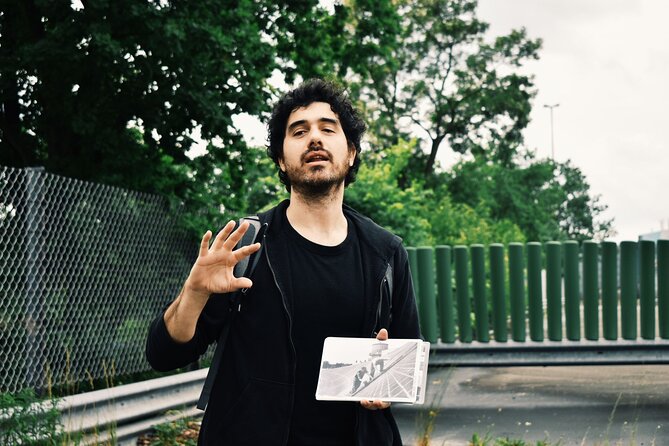
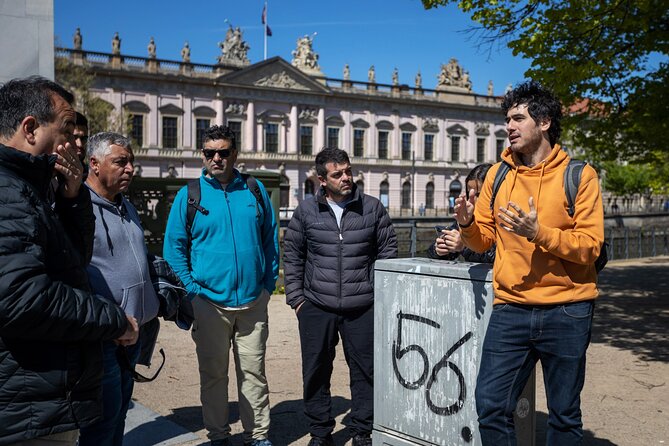
Martin Sacan’s role in the experience
Martin Sacan is specifically praised for combining Berlin’s past with automobile history. His role seems central rather than incidental. This is not simply a route between three places where someone points out cars.
His strongest contribution is the connection between facts. The oldest traffic light, the Benz patent, Tesla production near Berlin, and classic cars in Moabit could feel like unrelated subjects. A guide who explains the links can make the three hours feel like one story.
The available feedback also points to a well-organized and attentive approach. That matters on a tour that changes locations and switches from street history to current technology and then to classic vehicles.
You should still remember that the experience is offered in English and may include up to 30 people. A group of that size can be fine for a walking and discussion-based tour, but it may feel less personal than a small private outing. If you want constant one-to-one conversation, ask about the expected group size for your date.
The rating is 4.5 from eight reviews, with especially strong praise for Martin’s passion, detailed explanations, and storytelling. That is a small sample, so I would treat it as encouraging rather than final proof. The consistent point is clear: the guide is a major part of the value.
What the $50.57 price really buys you
At $50.57 per person, this is not a bargain city walk, but it is also not priced like a full-day specialist excursion. The real question is how much you value guided interpretation.
You are paying for about three hours of a focused English-language experience across three locations. Admission to the places visited is included, and there are no separate entrance charges listed for the stops. The required daily AB-zone transport ticket is extra, so your final cost will be higher than the headline price.
For a car enthusiast, the price can make sense because the guide provides a thread between different parts of Berlin’s automotive story. A person who already knows the subject may value the access to classic cars and the discussion around Tesla. Someone with only a mild interest may find the cost harder to justify.
The tour can also save you research time. You do not need to work out how Potsdamer Platz, Leipziger Platz, and Moabit fit into one subject. Martin Sacan does that work for you and adds context as you move through the city.
The value depends heavily on your expectations. Think of it as a guided cultural and historical experience with cars at its center, not as a chance to drive rare vehicles or tour a manufacturing plant.
Timing, transport, and the group size
The starting point is Potsdamer Platz 10, 10785 Berlin. The end point is Berlin Beusselstraße, at Beusselbrücke, 10551 Berlin. Since the start and finish are in different parts of the city, you should avoid booking another activity with a tight connection immediately afterward.
A daily AB-zone transport ticket is necessary and not included. This is an easy cost to overlook when comparing prices. Buy or arrange the appropriate ticket before the tour so you are not dealing with transport details while the group is gathering.
The experience is offered with a mobile ticket, which is convenient for most people. Confirmation normally arrives at booking. If you book within one hour of departure, confirmation comes as soon as possible and depends on availability.
The maximum group size is 30. That is large enough for the experience to have a group-tour feel, but the actual atmosphere may depend on the day and the guide’s handling of questions. The positive feedback about Martin’s organization and attention is useful here, though it does not guarantee a small group.
Most people can take part, and service animals are allowed. The tour is near public transportation, which helps with both the start and the trip home from Moabit.
Who should book this Berlin car tour
I would recommend it first to people who enjoy the story behind machines. You do not need to be an expert, but you should have some curiosity about how cars changed cities and how electric vehicles may change them again.
It also suits repeat visitors to Berlin who want a subject-based experience beyond the usual landmarks. Potsdamer Platz is familiar to many visitors, but the traffic-light and automobile angle gives the area a fresh purpose.
Families with older children or teenagers may find the electric-car stop especially engaging, provided everyone is comfortable with a discussion-based format. The chance to get inside the cars adds a physical element to the conversation.
I would be more cautious if your main goal is a large collection of famous cars, because the individual vehicles at Moabit are not specified. I would also skip it if you want a general tour of Berlin, a driving experience, or a visit to a car factory.
Book ahead if your dates are fixed. The experience is booked an average of 12 days in advance, which suggests that last-minute availability may not always be dependable. Free cancellation is available up to 24 hours before the start time. After that point, refunds and changes are not accepted, subject to the provider’s minimum group requirement.
My verdict on the Berlin and Car Culture Tour
I like this tour because it gives car culture a city-sized setting. You begin with the early automobile and Germany’s oldest traffic light, move to Tesla and the hard questions around electric transport, then finish with 90 minutes among classic cars in Moabit.
The strongest reason to book is Martin Sacan’s role. His passion for Berlin and automobiles appears to give the experience its character, especially in the storytelling and connections between stops. The main cautions are the extra AB transport cost, the group size of up to 30, and the lack of a detailed list of specific classic cars.
Book it if you want a focused, thoughtful look at Berlin through transport and design. Skip it if you are seeking general sightseeing, factory access, or time behind the wheel. For the right audience, $50.57 buys a useful three-hour conversation about where the car came from and where it may be going.
FAQ
How long does the Berlin and Car Culture Tour last?
The tour lasts approximately three hours.
Where does the tour begin?
It begins at Potsdamer Platz 10, 10785 Berlin, Germany.
Where does the tour end?
The tour ends at Berlin Beusselstraße, by Beusselbrücke, 10551 Berlin.
Is the tour offered in English?
Yes. English is the listed language.
Is public transport included in the price?
No. You need a daily Berlin AB-zone transport ticket, which is not included.
What is the maximum group size?
The tour can have a maximum of 30 participants.
Are admission tickets included?
The entrance ticket to all places visited is included.
Can I cancel for a full refund?
Yes, if you cancel at least 24 hours before the experience start time. Cancellations made less than 24 hours in advance are not refunded, and changes within that period are not accepted.
Just added around Berlin
- eSIM for Germany and 34 European Countries★ 4.5 · 16 reviews
- Your ticket to The Wall Museum Berlin★ 3.0 · 60 reviews
- Walking on the Wall: 3-Hour Tour in Berlin★ 4.5 · 34 reviews
- Rickshaw Tours Berlin – Groups of up to 16 people with several rickshaws★ 4.0 · 97 reviews
- Warnemuende Shore Excursion: Private Berlin Tour★ 4.5 · 27 reviews
- Love and War in Berlin: Self-Guided Story Puzzle Walk★ 5.0 · 7 reviews
- Warnemuende Shore Excursion: Berlin Private Sightseeing Tour from Rostock★ 5.0 · 4 reviews
- Berlin’s Gay, Lesbian, and Queer Scene Small-Group Walking Tour★ 4.5 · 66 reviews
Berlin Tours, compared.

Reichstag, Dome and Government District Guided Tour
Read our review →
1-Hour City Tour by Boat with Guaranteed Seating
Read our review →
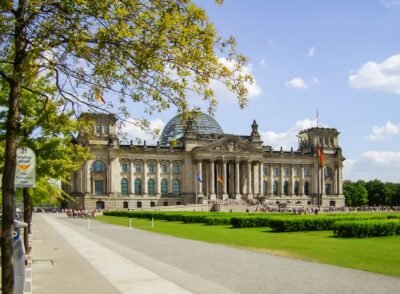
Reichstag, Plenary Chamber, Cupola & Government Tour
Read our review →