Review · BERLIN TOURS
Produce Techno and House Music in Berlin
Berlin techno is not just something you hear in a club. It starts with a kick drum, a bass line, a machine pattern, and a long series of small choices. In this two-hour studio session, Andy Sexton shows you how those choices become a house or techno track.
I like the direct, hands-on format. You do not simply watch a producer work. You help program sounds, record parts, arrange the track, and prepare a mix for club play. I also like the small group limit of four people, which gives you a much better chance to ask questions and touch the equipment.
The main consideration is time. Two hours is enough to finish a short track and learn a useful workflow, but it is not enough to master electronic music production. If you want a slow, highly technical lesson, this may feel brisk. If you want a practical introduction with a finished result, it hits the mark.
Key points at a glance
- Make a track from scratch: Work toward a house or techno piece rather than only learning isolated controls.
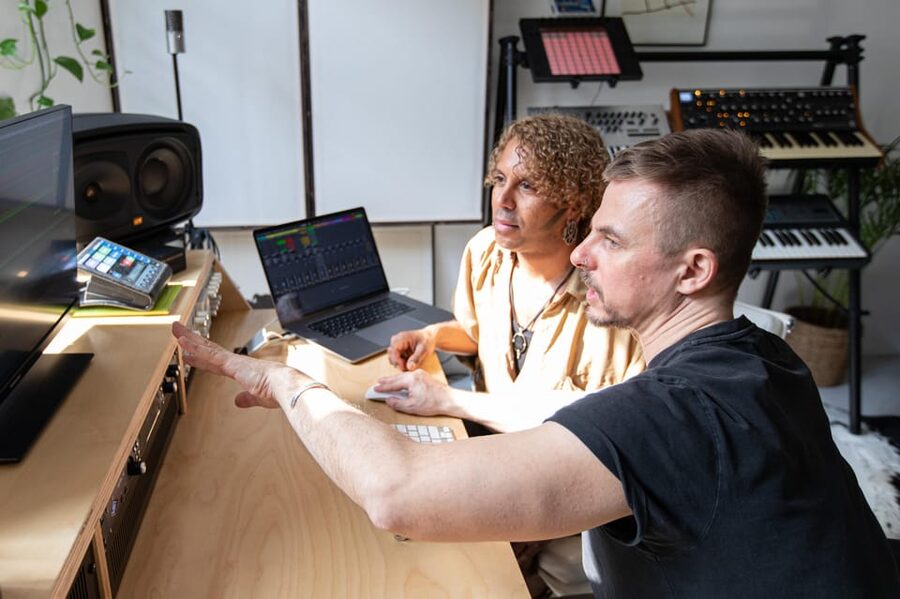
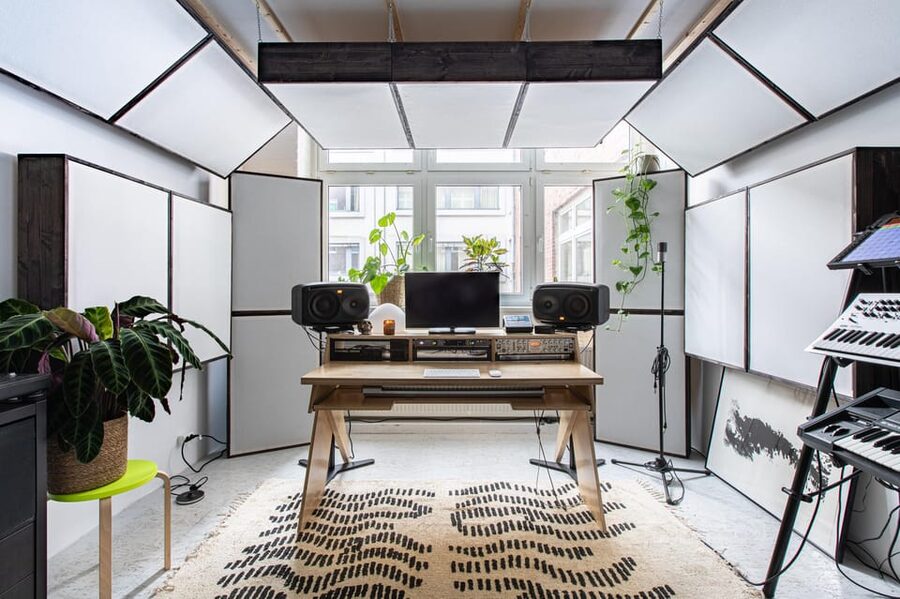
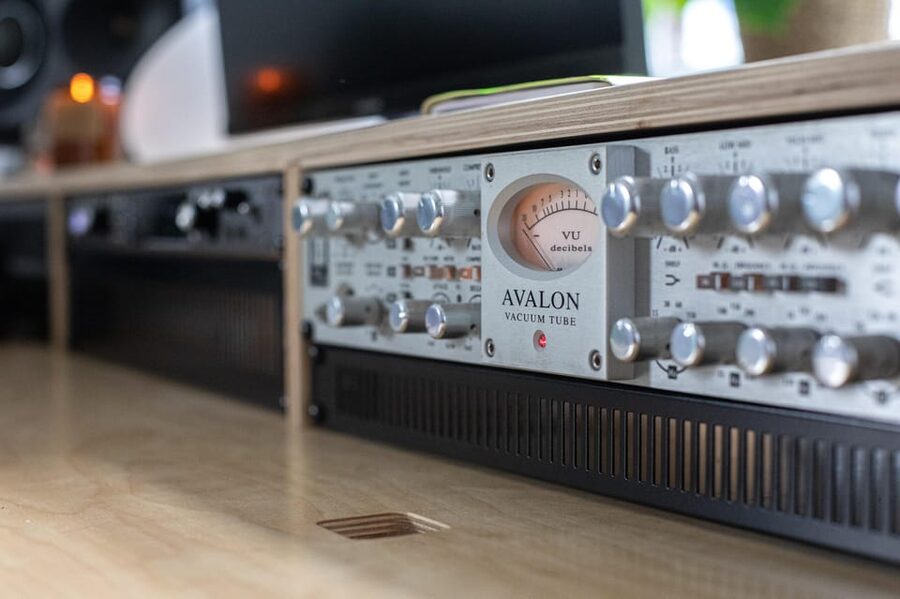
- Use real studio equipment: The room includes professional software, modern and vintage gear, microphones, piano, guitar, and percussion.
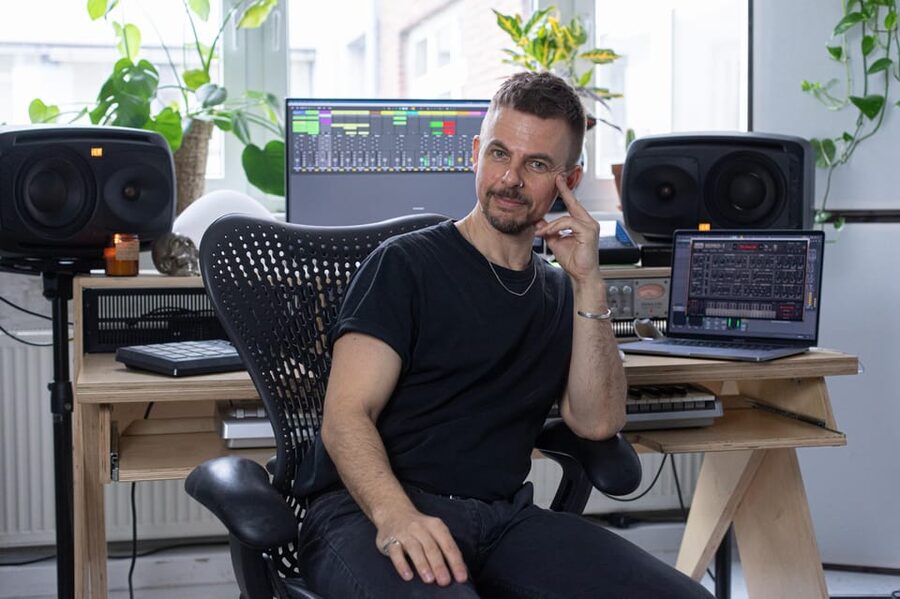
- Learn from Andy Sexton: Andy teaches the process, structure, and creative thinking behind electronic music production.
- Small group, English instruction: With no more than four participants, the session can stay personal and easy to follow.
- No experience required: Beginners can start here, while existing music makers can use the session to improve their workflow.
- Leave with something tangible: The aim is to mix down a track ready for club play, and some participants have extended the session to take a small track home.
Inside a Berlin studio in the clubbing district
The setting matters. You meet Andy at the front door of a large industrial building with reddish-brown brick, located in the heart of Berlin’s clubbing district. This is a working studio environment, not a themed attraction built to imitate electronic music culture.
That makes the session useful for anyone curious about how Berlin’s sound is made. You get an inside view of a process tied closely to the city’s club culture, from the first programmed rhythm to the final mix. The room has modern and vintage equipment, so you can see how different tools fit into the same creative process.
You should arrive a few minutes early and look for the front door of the industrial building. Transportation to the studio is not included, so allow time to reach the meeting point on your own.
A few more Berlin half-days to weigh up
- Berlin: Reichstag, Dome and Government District Guided Tour
★ 4.7 · 18,288 reviews - Berlin: 1-Hour City Tour by Boat with Guaranteed Seating
★ 4.3 · 16,993 reviews - Berlin: Boat Tour Along the River Spree
★ 4.4 · 11,252 reviews
The first step: finding the groove
Andy begins by introducing the basic tools and the way a house or techno track is built. You can expect an introduction to synthesiser and drum machine programming, with the focus on getting sounds to work together rather than memorising every technical function.
For a beginner, this is the most important part of the session. Electronic music can look intimidating when a computer screen is full of tracks, buttons, and waveforms. Starting with a simple groove gives you something you can hear at once, which makes the rest of the lesson easier to understand.
You may work with a kick, percussion, bass, and synthesiser parts as the track takes shape. The exact route can change according to your questions and interests, but the stated goal is clear: create a house or techno track using professional music production software.
I like this practical approach because it connects every control to a musical result. You are not learning a machine in isolation. You are learning why a sound belongs in the track and how a repeated pattern creates movement.
Synthesizers and drum machines, not just a computer screen
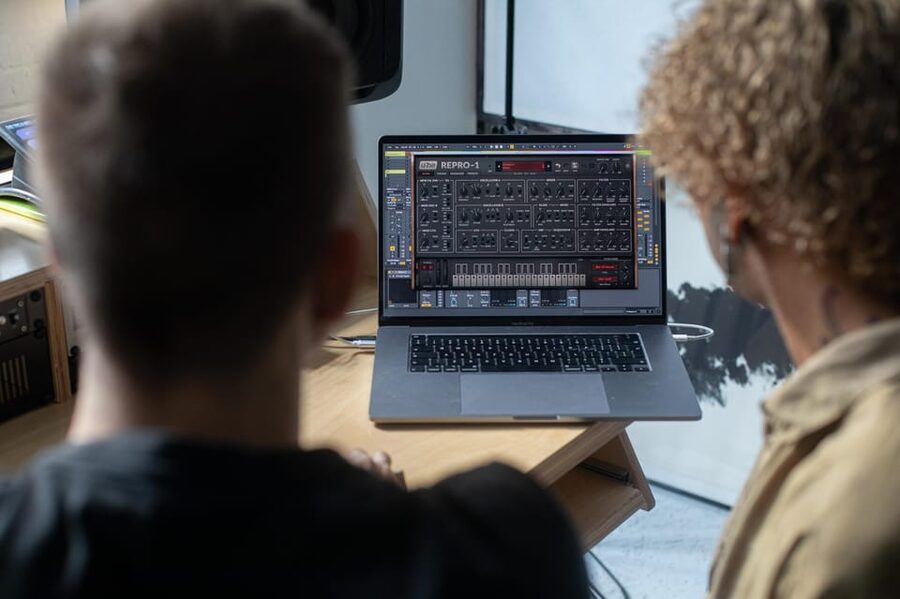
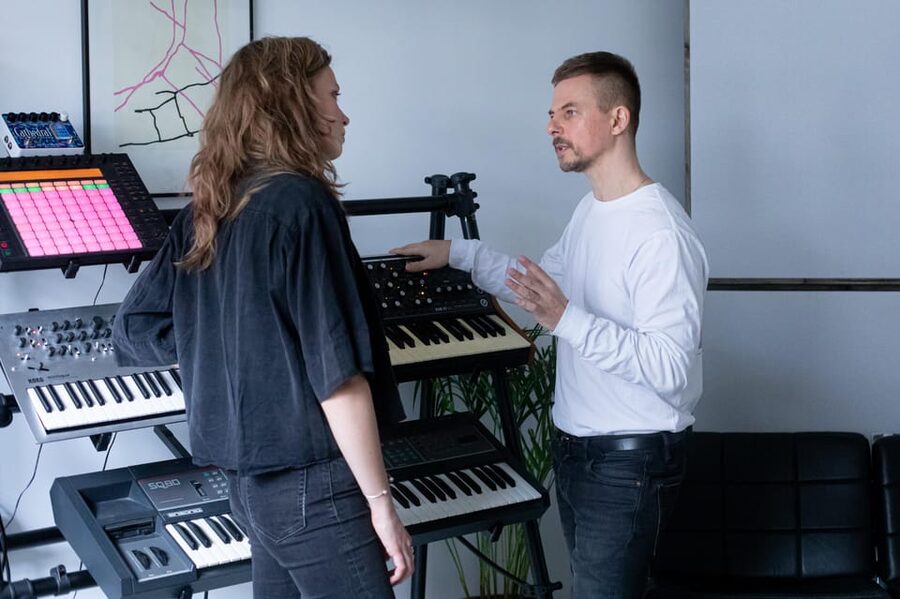
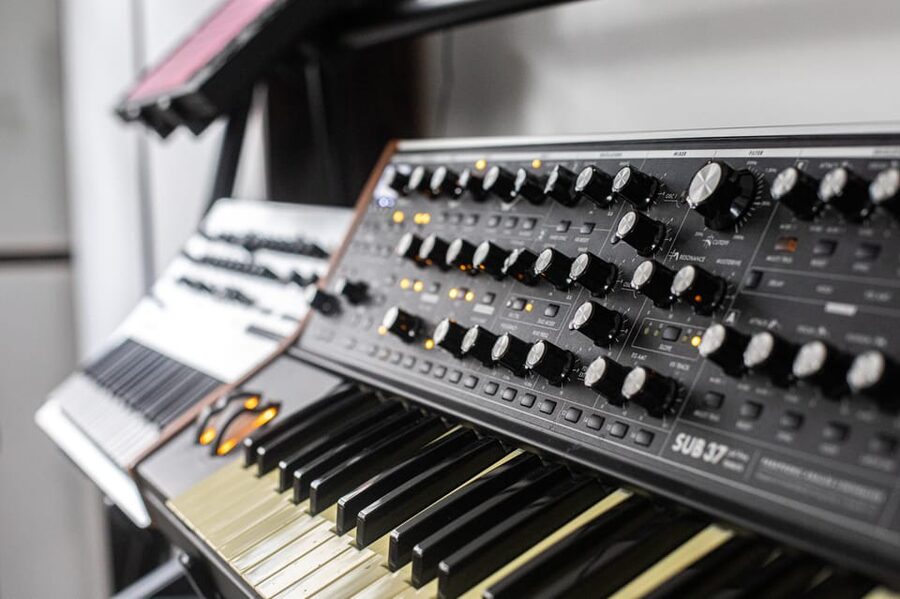
The equipment is one of the strongest reasons to book this experience. Along with professional software, the studio contains modern and vintage music gear, a wide range of microphones, and acoustic instruments including piano, guitar, and percussion.
The session is centered on electronic production, but the presence of acoustic instruments gives you a wider view of the studio. It shows that house and techno production can include recorded sound, live playing, processed instruments, and programmed parts. The supplied details do not promise that every participant will record each instrument, so think of these as available studio resources rather than a fixed performance schedule.
Programming a synthesiser teaches you how raw tones become usable musical sounds. Working with a drum machine shows how small changes in timing, pattern, and sound choice can alter the feel of a groove. These are useful skills even if you later produce music at home with different equipment.
The modern and vintage mix also adds a real-world dimension. You get to see that music production is not tied to one type of technology. A professional result comes from choices, listening, and arrangement as much as from the age or price of the gear.
Recording and arranging your two-hour track
Once the basic sounds are in place, Andy guides you through recording and arranging. This is where the activity moves beyond making a loop.
A loop can sound exciting for a minute, but a track needs shape. You will work on how parts enter, change, and leave, turning a collection of grooves into a piece with a beginning, development, and direction. Andy also explains ways to organise a workflow, an aspect that is useful for people who already make music but feel stuck when moving from ideas to finished tracks.
One participant described the session as helpful for understanding how to organise work and produce grooves. That is a good way to think about the value here. The lesson is not only about pressing buttons. It gives you a framework for starting a piece, making decisions, and keeping the work moving.
The two-hour limit can make this stage feel fast. You will not have endless time to test every synthesiser or polish every sound. Still, a firm time limit can be helpful. It encourages you to choose a direction instead of spending the entire lesson browsing sounds.
Same city, a completely different sort of afternoon:
- Discover Berlin Half-Day Walking Tour
★ 5.0 · 9,624 reviews - Berlin: Hop-on Hop-off Bus Tour with Live Commentary
★ 4.3 · 8,579 reviews - Berlin: Government District around the Reichstag Guided Tour
★ 4.7 · 8,447 reviews - Berlin: Reichstag, Plenary Chamber, Cupola & Government Tour
★ 4.6 · 8,422 reviews
Mixing down for club play
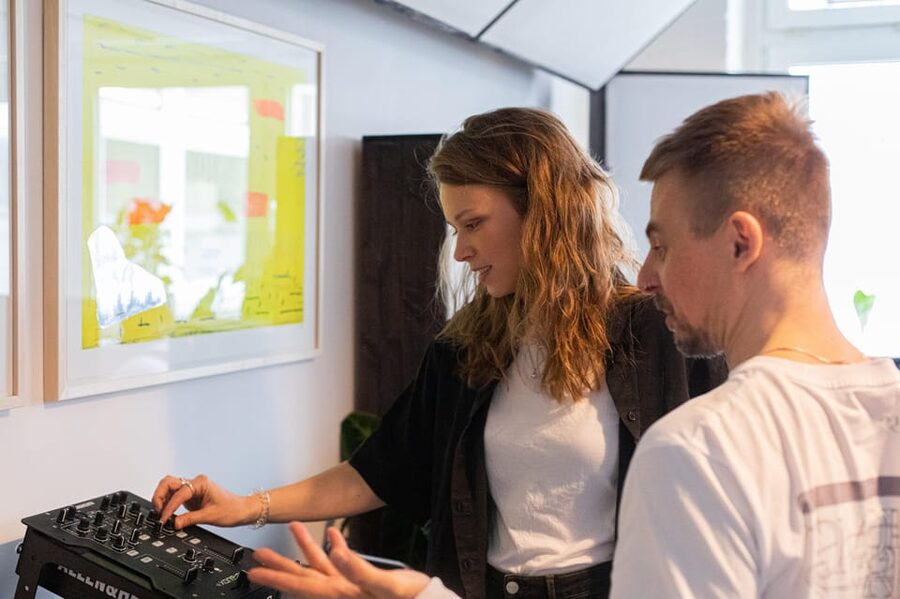
The final stage is mixing down the track so it is prepared for playing in a club. You should not expect a full professional release after one short session, but you do get an introduction to how the separate parts are balanced and prepared.
This step is valuable because beginners often focus on creating sounds and forget what happens at the end. A track needs to work as a whole. The kick, bass, drums, and melodic elements must share space, and the final mix should be ready for the setting where people may hear it.
The activity includes mixing down as part of the planned session. The exact amount of finishing depends on your pace, questions, and the track you create. One participant extended the session and left with a small track to take home, but an extension is not included in the basic two-hour format, so do not assume extra time is guaranteed.
Andy Sexton’s teaching style
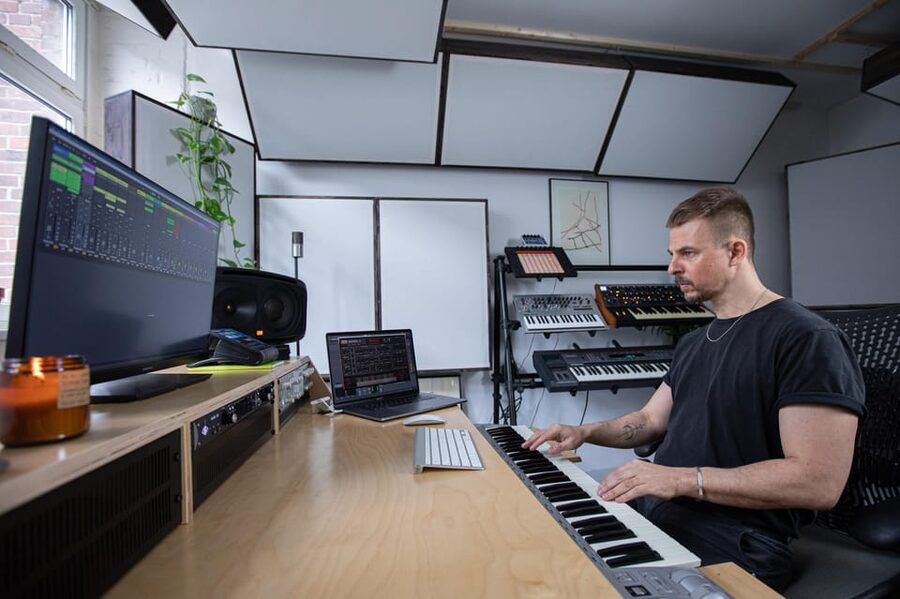
Andy Sexton is the instructor and music producer leading the session in English. The strongest praise attached to the experience focuses on his teaching, not only on the equipment.
He is described as friendly, professional, patient, and easy to approach. One participant found that Andy could explain his philosophy, method, and general framework for making music in a short period. That is especially useful if you have creative ideas but no clear way to begin.
Another account describes Andy working well with a person with cognitive impairment and handling a language barrier with care. The session resulted in a song, and the participant left happy and keen to return. This does not mean the experience is designed as a specialist support program, but it does suggest that Andy can adjust his teaching to different needs.
The session is in English, so you should be comfortable following basic instruction in that language. At the same time, music is partly practical and audible. You can often understand a change by hearing it, not only through technical terms.
Who will get the most from this experience
This is a good fit if you have never produced music and want a guided first step. You do not need prior experience, and the small group keeps the lesson from feeling like a lecture.
It also suits people who already make music at home. You may not learn every production skill in two hours, but you can pick up new ways to structure a session, build grooves, or think about arrangement. The lesson is also a chance to work with synthesizers, drum machines, and other equipment you may not own.
The activity has a minimum age of 10. Children under 10 cannot take part. Because the session is limited to four people and involves shared studio equipment, adults should make sure younger participants are ready to listen, follow instructions, and handle a focused two-hour activity.
The studio is wheelchair accessible. Smoking, alcohol, drugs, and littering are not allowed. Meals and drinks are not included, so plan those separately.
Is $147 a fair price?
At $147 per person, this is not a cheap sightseeing stop. The value depends on what you want from your time in Berlin.
If you only want to hear techno, a club night will cost less or more depending on the venue, but it will not show you how a track is built. Here, the price covers two hours with a music producer, access to professional software, use of studio equipment, instruction in synthesis and drum machines, recording, arrangement, and a mix intended for club play.
The small group improves the value. A four-person maximum means you are less likely to stand at the back while someone else controls the session. Still, you should book this for the access and instruction, not because you expect a finished commercial track or a full production course.
It is particularly good value for a curious beginner who wants to understand the full chain from rhythm to mix in one sitting. For an experienced producer, the price makes more sense if you want direct time with Andy and the studio gear.
Planning the meeting and timing
The duration is two hours, with starting times available according to the selected date. Meet Andy a few minutes before the start at the front door of the large reddish-brown brick industrial building.
Transportation is not included. The location is in Berlin State, in the city’s clubbing district, but the information supplied does not specify a street address or transport route. Confirm the exact meeting details when booking and allow extra time to find the correct entrance.
The session is offered in English. There is no food or drink included, and the studio rules prohibit alcohol and drugs. Free cancellation is available up to 24 hours before the start for a full refund, and you can reserve now and pay later, which helps if your Berlin schedule is still changing.
What makes this more than a music lesson
The best part of the experience is its connection to Berlin. The city is known as an international center for underground electronic music, and this session lets you look at the work behind that culture.
You are not simply being told that Berlin has techno clubs. You are shown how the sound can be assembled through rhythm, synthesis, recording, arrangement, and mixing. That link between the city and the studio gives the activity a stronger sense of place than a standard computer lesson.
The history of how techno reached Berlin is also part of the conversation. The experience information does not set out a fixed history talk, so do not book it as a formal museum-style presentation. Think of the background as context that helps you understand why this music matters in Berlin.
I also like that the session can leave you motivated to continue. A beginner who creates a track in two hours may not become a producer overnight, but the process can replace uncertainty with a clear first set of steps.
Should you book this Berlin studio session?
Book it if you want an active, personal look at house and techno production, especially if you are a beginner, a music fan, or an aspiring producer without a clear workflow. Andy Sexton’s teaching, the four-person limit, and access to modern and vintage gear give the session real substance.
Skip it if you are looking for a long studio visit, a club night, or a polished release produced for you. Two hours moves quickly, and $147 is a serious price for a short activity.
For the right person, this is one of the more memorable ways to connect with Berlin’s electronic music culture. You leave with more than a few facts about techno. You gain a practical sense of how a groove becomes a track.
FAQ
How long does the music production session last?
The session lasts two hours. Starting times vary, so check availability for your chosen date.
Where does the activity take place?
It takes place in Andy Sexton’s music studio in the heart of Berlin’s clubbing district. The meeting point is the front door of a large industrial building with reddish-brown brick.
Do I need previous music production experience?
No. Prior music production experience is not required.
What will I learn during the session?
You will learn the basics of synthesiser and drum machine programming, record and arrange a house or techno track, and mix it down in preparation for club play.
Is the instruction offered in English?
Yes. The instructor teaches in English.
How many people can join?
The activity is a small-group session limited to four participants.
Is the studio wheelchair accessible?
Yes. The studio is wheelchair accessible.
What is the minimum age?
Participants must be at least 10 years old. Children under 10 are not permitted to join.
Is transportation included?
No. Transportation to and from the studio is not included.
Just added around Berlin
- eSIM for Germany and 34 European Countries★ 4.5 · 16 reviews
- Your ticket to The Wall Museum Berlin★ 3.0 · 60 reviews
- Walking on the Wall: 3-Hour Tour in Berlin★ 4.5 · 34 reviews
- Rickshaw Tours Berlin – Groups of up to 16 people with several rickshaws★ 4.0 · 97 reviews
- Warnemuende Shore Excursion: Private Berlin Tour★ 4.5 · 27 reviews
- Love and War in Berlin: Self-Guided Story Puzzle Walk★ 5.0 · 7 reviews
- Warnemuende Shore Excursion: Berlin Private Sightseeing Tour from Rostock★ 5.0 · 4 reviews
- Karl-Marx-Allee Tour: Life and Architecture in East Berlin★ 5.0 · 19 reviews
Berlin Tours, compared.

Reichstag, Dome and Government District Guided Tour
Read our review →
1-Hour City Tour by Boat with Guaranteed Seating
Read our review →


Reichstag, Plenary Chamber, Cupola & Government Tour
Read our review →