
Review · NUREMBERG TOURS
Nuremberg: Medieval Time Travel for Kids
Nuremberg’s medieval past becomes much easier for children to grasp when they can play historical games, take part in a sacred ritual, and picture what children ate, did, and wore. This two-hour walk uses the Old Town as a classroom, with stops by the Pegnitz, Hauptmarkt, St. Sebaldus Church, and other key sites.
I like the focus on ordinary life rather than a parade of dates. I also like the short walking stretches, which keep the group moving without turning the experience into a long march. The main drawback is clear: the tour is in German only, and children under six cannot join.
Key points at a glance
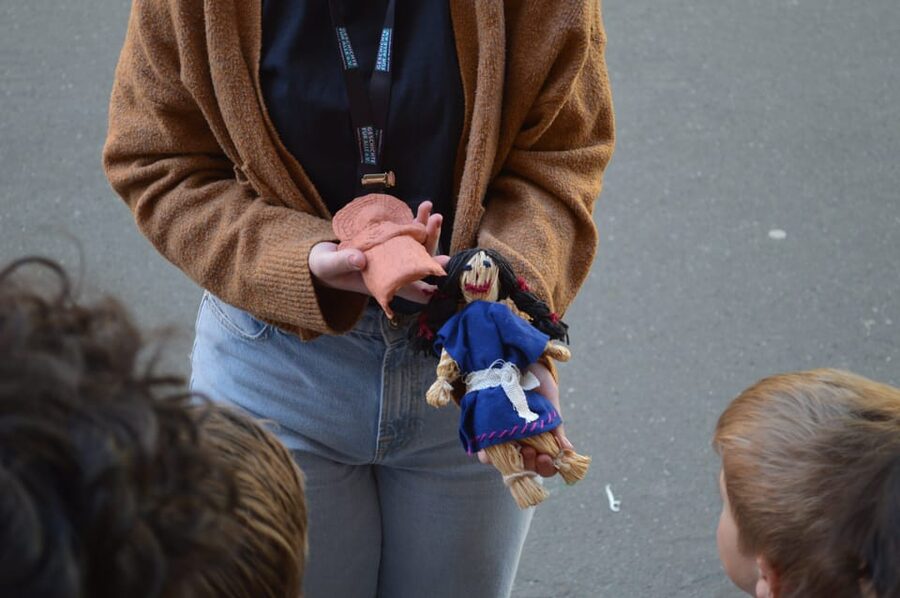
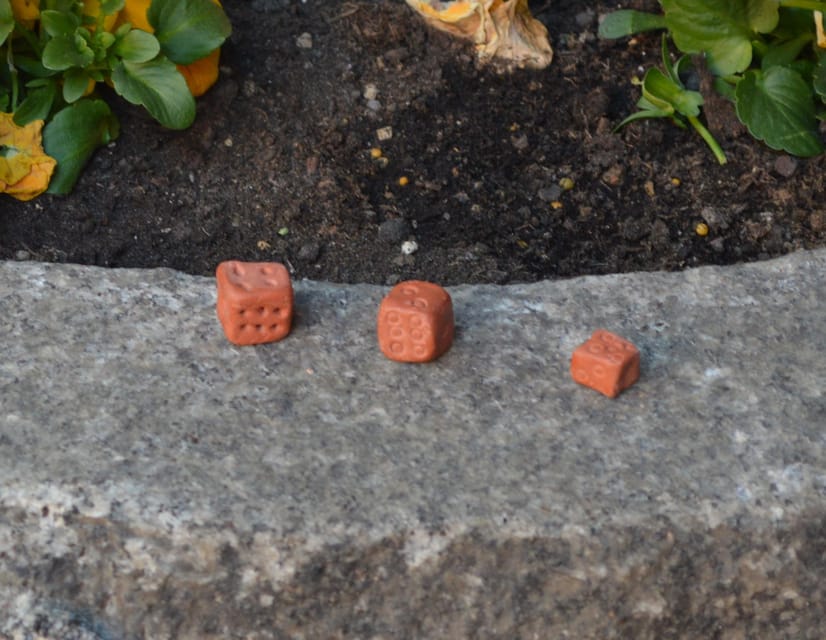
- Hands-on medieval learning: Children play historical games and help stage a sacred ritual instead of simply listening to a guide.
- Daily life takes center stage: The tour covers food, childhood, leisure, church life, and medieval jobs.
- A useful two-hour route: The walk moves through central Nuremberg with roughly five-minute walks between several stops.
- Strong choice for school-age children: The activity is aimed at children six and older, with particularly good appeal for ages seven and eight.
- Historic sights with a clear purpose: The Pegnitz, Hauptmarkt, St. Sebaldus Church, and Weißgerbergasse each help explain a different part of medieval life.
- Low price: At $11 per person, the tour offers good value if your family can follow German comfortably.
Why this tour works for children
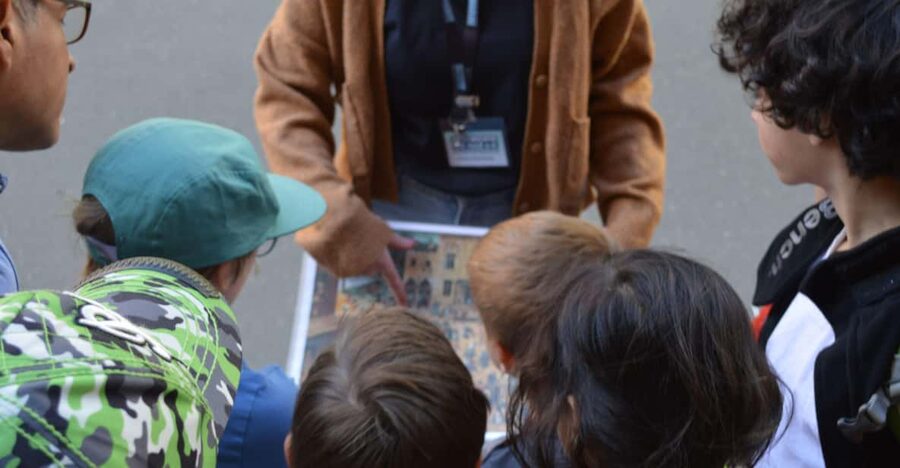
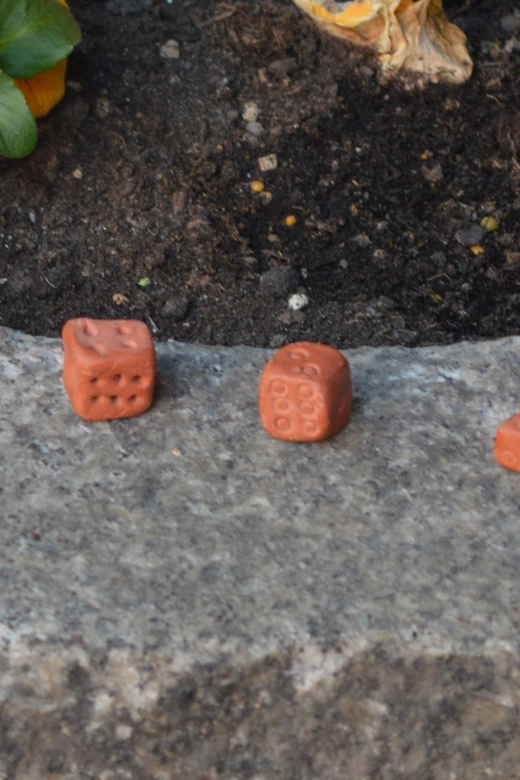
Many city tours ask children to stand still while an adult talks about old buildings. This one gives them something to do. The guide uses games, acting, and shared participation to make medieval customs less abstract.
That matters because topics such as church power, nutrition, and working life can feel distant to a child. A game can show how leisure worked. A role-play ritual can explain the place of religion in public life. A discussion of food can turn a simple walk into a lesson about what families could actually eat.
The activity is designed for children at least six years old. The strongest age range appears to be early primary school, especially children around seven to ten. One family brought boys aged seven and eight, and the format suited them well. Another group included children aged six and ten, who could both take part.
Older children can still enjoy it, especially if they like acting or history. Adults also receive useful information, but this is not an adult history lecture with a few token child-friendly moments. The tone is built around participation from the start.
The tour has a rating of 4.9 from 15 reviews, and the praise points in a consistent direction: clear explanations, acting, visual materials, and activities that involve everyone. That combination is more useful than a tour that relies on costumes alone. The guide’s job is to connect each activity with life in medieval Nuremberg.
A few more Nuremberg half-days to weigh up
- Nuremberg: City Tour with the Bimmelbahn Train
★ 4.4 · 2,475 reviews - Nuremberg: Old Town Guided Walking Tour
★ 4.6 · 2,416 reviews - Nuremberg: Tunnels and Secret Passages in the City Wall Tour
★ 4.8 · 2,334 reviews
Meet at the Henkerhaus and start beside the Pegnitz
The meeting point is in front of the Henkerhaus Museum at Trödelmarkt. Look for the guide with a green name badge and a folder marked Geschichte Für Alle. Since the tour begins outdoors, arriving a few minutes early will help you identify the group without fuss.
The Henkerhaus, or Hangman’s House, gives the walk an immediate medieval setting. The tour then moves into the Old Town, using the area around the Pegnitz to explain how water was used in medieval times.
This first section is a good way to show that medieval cities depended on practical systems. Water was part of daily work and household life, not simply something to admire from a bridge. The guide can place the river into the wider story of cooking, cleaning, crafts, and city living.
You should expect to walk on historic streets and pause at several outdoor sites. Comfortable shoes matter, and weather-appropriate clothing is essential. The activity lasts two hours, so children need to be ready for a steady walk with frequent stops.
Trödelmarkt and Liebesinsel: the city at working speed
The first named stop is Trödelmarkt, followed by a short walk of about five minutes to Liebesinsel. These compact distances help the tour keep its rhythm. Children hear a story, move to a new setting, and then get another chance to participate.
At Liebesinsel, the guide continues the walk through the river area and its medieval connections. The value of this stop is not just the view. It helps you see the Old Town as a working place, where water, trade, travel, and daily tasks were tied together.
The tour’s subject is childhood, so the guide brings the city down to a child’s level. You learn what children might eat, how they spent free time, and what work could be part of growing up. The supplied information does not promise a set of modern costumes or a fixed cast, so you should expect guided explanation and activities rather than a full theatrical show.
Still, acting is part of the format. One of the most praised features is the use of theatrical presentation, along with visual materials and chances for everyone to join in. That makes this more active than a standard walk from one monument to the next.
Fleischhauerbrunnen and the practical side of medieval work
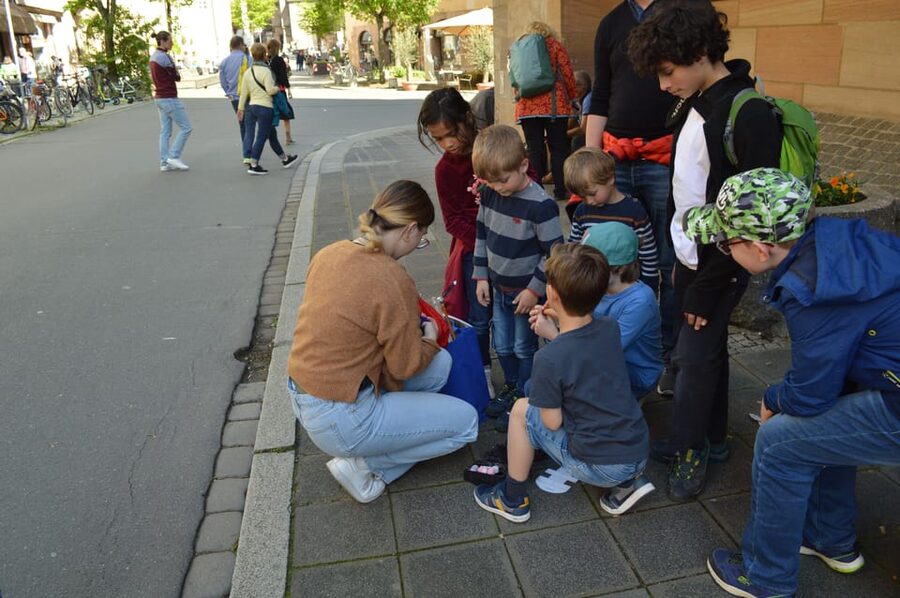
From Liebesinsel, the group walks about five minutes to Fleischhauerbrunnen. The name points toward the world of butchers and food trades, making this a natural place to discuss medieval professions and nutrition.
This is where the tour can move beyond the familiar image of knights and princesses. Children learn that a city needed many kinds of workers, and that food depended on people with specific skills. The subject becomes more tangible when it is linked to a real place in the Old Town.
The tour also asks a question children often enjoy: were there really knights and princesses in Nuremberg? That question gives the guide a way to separate popular stories from ordinary city life. You may hear about grand figures, but the main focus stays on how children and working families lived.
I like this balance. Medieval history can become too focused on castles, battles, and royalty. Here, the emphasis is on food, jobs, church life, play, and family routines. Those are subjects children can compare with their own lives.
Same city, a completely different sort of afternoon:
- Nuremberg: Medieval Dungeons Guided Tour
★ 4.8 · 1,726 reviews - Nuremberg: Walking Tour of Former Nazi Party Rally Grounds
★ 4.7 · 1,665 reviews - Medieval Tour in Nuremberg in Spanish
★ 5.0 · 1,374 reviews - Nuremberg: Historischer Kunstbunker WWII Art Bunker Tour
★ 4.8 · 921 reviews
Hauptmarkt: a major square with a seasonal connection
The next stop is Hauptmarkt Nürnberg, reached after another walk of about five minutes. This is the famous market square where Nuremberg’s annual Christmas market takes place.
The square gives the guide a broad setting for discussing trade, public life, and the way people gathered in the medieval city. For a child, the market is easy to imagine as a place of goods, noise, food, and social contact. The tour can connect that public space with the question of what people bought, sold, and ate.
If you visit during the Christmas market season, the modern event may make the square feel especially busy. The tour is still about medieval life, so the guide’s explanation helps you look past the seasonal stalls and picture the square in an earlier period.
This stop also helps explain why location matters on a history walk. Instead of hearing that trade was important in the abstract, you are standing in a square that remains central to Nuremberg’s public identity. Children get a clear visual anchor for the story.
St. Sebaldus Church and the role of religion
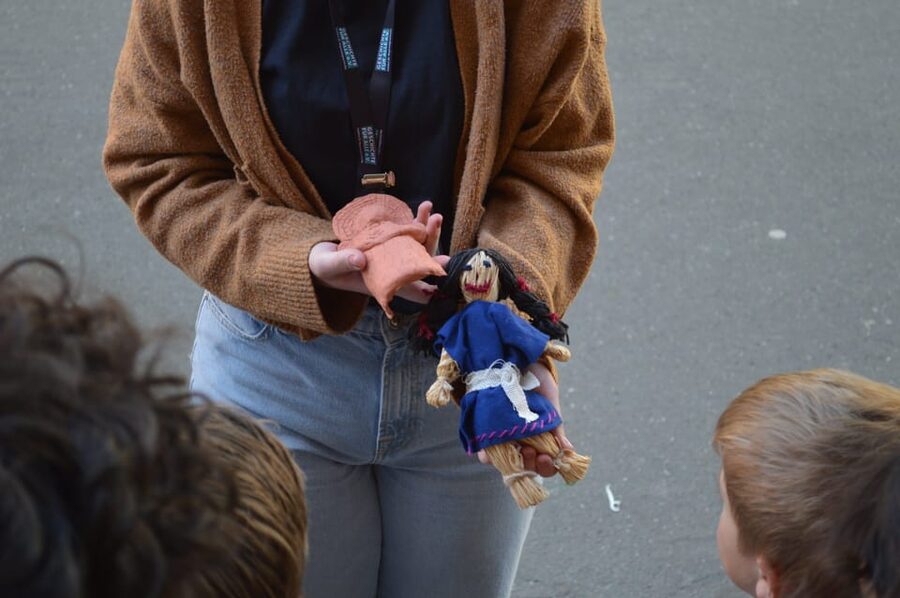
From Hauptmarkt, the group walks roughly five minutes to St. Sebaldus Church. Outside the church, the guide uses a relief to explore the role of the church in medieval society.
This is one of the more serious sections of the tour, but the hands-on approach should help keep it accessible. Religion shaped public rituals, community rules, education, and the yearly calendar. The activity includes a joint staging of a sacred ritual, so children do not only hear about religious practice. They take part in a guided reconstruction.
That does not mean you should expect a formal religious service. It is a historical activity designed to show how sacred customs fit into public life. For children, this can answer a basic but important question: why was the church such a central building in a medieval town?
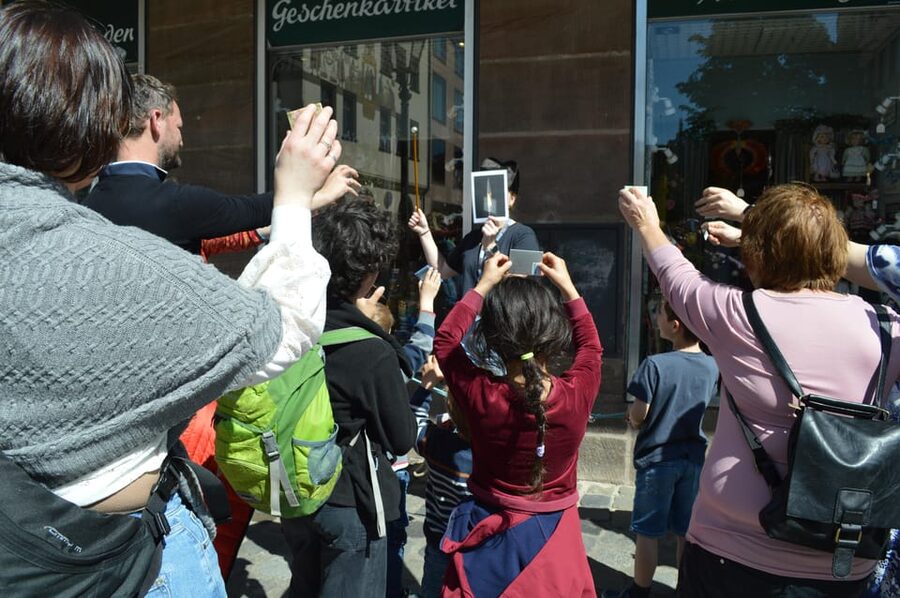
The relief outside St. Sebaldus gives the guide something concrete to point at. Visual evidence helps children follow the explanation, especially when the subject becomes less familiar. The combination of the church, the relief, and role-play is likely to be one of the clearest examples of the tour’s teaching style.
Parents should note that the tour discusses church life as part of history. The supplied information does not give details about the exact ritual, so the guide’s presentation may vary. The shared activity is included, but the specific scene is not set out in advance.
Weinmarkt and the final walk to Weißgerbergasse
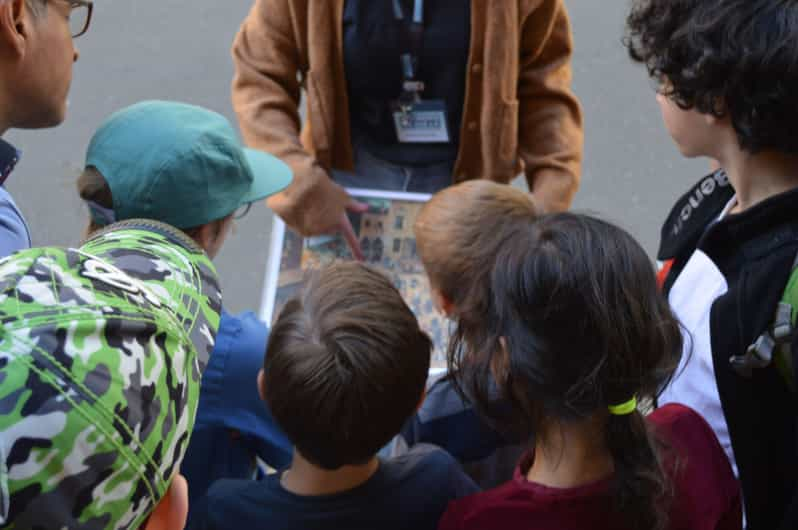
After St. Sebaldus, the group continues to Weinmarkt, about five minutes away. This adds another central Old Town setting to the route and gives the guide room to connect public spaces with work and community life.
The final walk takes about seven minutes and ends at Weißgerbergasse. The route is therefore broken into short stretches rather than one long transfer. That is helpful for families, since children can reset between stops and the guide can keep the main explanations at individual locations.
Weißgerbergasse is the finish point, not the starting point. Its inclusion gives the walk a clear ending in one of Nuremberg’s historic streets. The tour does not return to Henkerhaus, so plan your next activity from the final location rather than assuming you will finish where you began.
The provided information does not specify a final activity or a scheduled stop inside a building. Treat the ending as the close of a guided Old Town walk, with the historic street itself providing the last setting.
What you are really paying for at $11
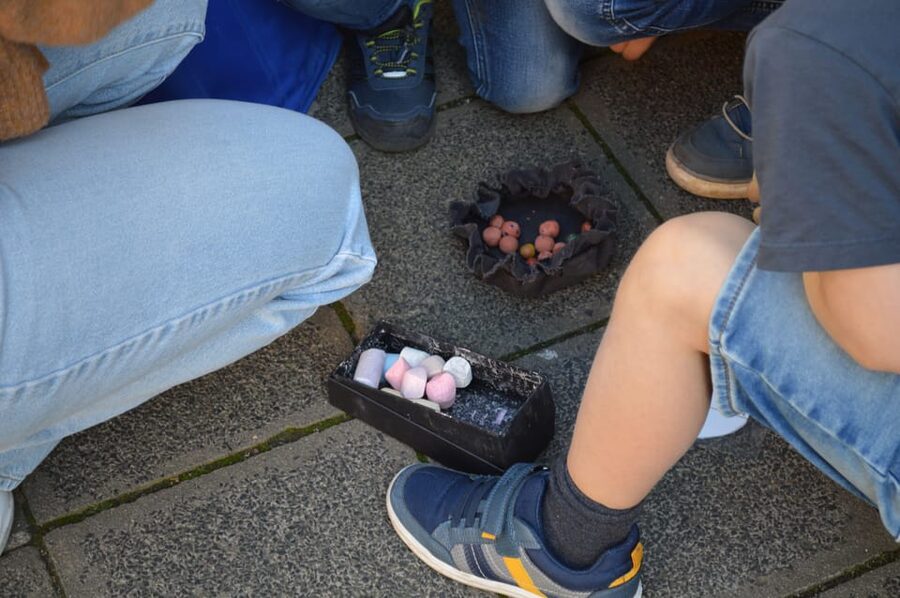
At $11 per person, this is inexpensive for a two-hour guided walk. The value comes from the structure: you get a live guide, a planned route through central Nuremberg, activities for children, and historical explanation tied to real places.
A free stroll can show you the same streets, but it will not necessarily explain medieval childhood, food, jobs, games, and church customs in a way that holds a young child’s attention. A standard adult tour may offer more detail about architecture or politics, but it may not give children much to do.
The $11 price makes this especially useful as a family add-on. It is long enough to provide substance, but short enough to fit beside another Nuremberg visit. You are paying for interpretation and participation rather than entry to a museum or a large production.
There are limits. The tour is in German, and only a guided walking tour is included. If your family cannot follow German, the low price will not make the experience useful. Also, people with mobility impairments may find the walk unsuitable, and the activity is not offered to children under six.
Free cancellation up to 24 hours before the start and the option to reserve now and pay later make planning easier. For bookings made through GetYourGuide, the booking confirmation serves as proof of payment, and no separate invoice can be issued.
Who should book this Nuremberg walk
I would choose this tour for families with children aged six to ten who enjoy being asked questions, playing games, and taking part in simple role-play. It is also a good fit for German-speaking families seeking a history activity that feels lighter than a museum visit.
The tour suits children who want to know what people actually did in the past. Food, work, games, and church customs are easier starting points than long discussions of rulers. The route also gives parents a useful way to connect several central sights in one outing.
I would think twice if your child dislikes group activities or prefers quiet sightseeing. The guide uses participation as a central part of the experience. Likewise, it is not a good choice for children under six, non-German speakers, or people who cannot manage a walking tour through the Old Town.
The activity provider is Geschichte Für Alle e.V. No individual guide names are provided, so you should identify the guide by the green badge and the folder with the organization’s name.
Should you book it?
Book this tour if you want Nuremberg history explained through games, short walks, acting, and real Old Town places. The strongest reasons are the child-focused format, the practical subjects, and the low $11 cost.
Skip it if you need English, want a deep architectural tour, or require a fully accessible route. For German-speaking families with children six and older, this is a smart two-hour way to turn Nuremberg’s medieval center into an active lesson instead of a string of buildings.
FAQ
How long does the Nuremberg medieval children’s tour last?
The tour lasts two hours.
What language is the tour in?
The live guided tour is in German.
Where does the tour begin?
It begins in front of the Henkerhaus Museum at Trödelmarkt in Nuremberg.
How do I recognize the guide?
The guide wears a green name badge and carries a folder marked Geschichte Für Alle.
Where does the tour end?
The tour ends at Weißgerbergasse.
What sights does the walk visit?
The route includes Trödelmarkt, Liebesinsel, Fleischhauerbrunnen, Hauptmarkt Nürnberg, St. Sebaldus Church, Weinmarkt, and Weißgerbergasse.
Is the tour suitable for young children?
It is suitable for children aged six and older. Children under six cannot take part.
What should I bring?
Bring comfortable shoes and clothing suitable for the weather.
Just added around Nuremberg
- Tour en español al Campo Zeppelin★ 5.0 · 8 reviews
- Stein: Public guided tour of the “Old Mine” museum★ 4.5 · 18 reviews
- “Rotes Bier” and “Blaue Zipfel”. A historical-culinary walk★ 4.4 · 190 reviews
- Nuremberg: Old Town Guided Tour By Bus★ 4.4 · 198 reviews
- Nürnberg Bachelor(ette) Party with Night PubCrawl★ 4.2 · 5 reviews
- Nuremberg: Bar and Club Tour with Free Shots and Free Entry★ 3.8 · 23 reviews
- Nürnberg kennenlernen: Highlights in der Altstadt★ 4.7 · 189 reviews
- Nuremberg: World War 2 History Tour with Beer Tasting★ 5.0 · 4 reviews
Nuremberg Tours, compared.
Tunnels and Secret Passages in the City Wall Tour
Read our review →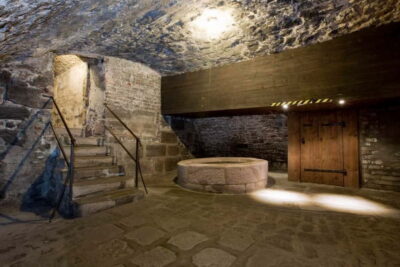
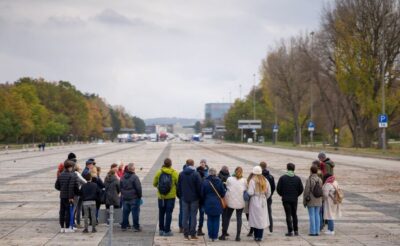
Walking Tour of Former Nazi Party Rally Grounds
Read our review →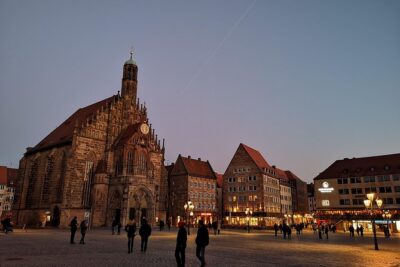
Browse the lists this tour appears in