
Review · MUNICH TOURS
Munich: Scary Tour with actors in GERMAN
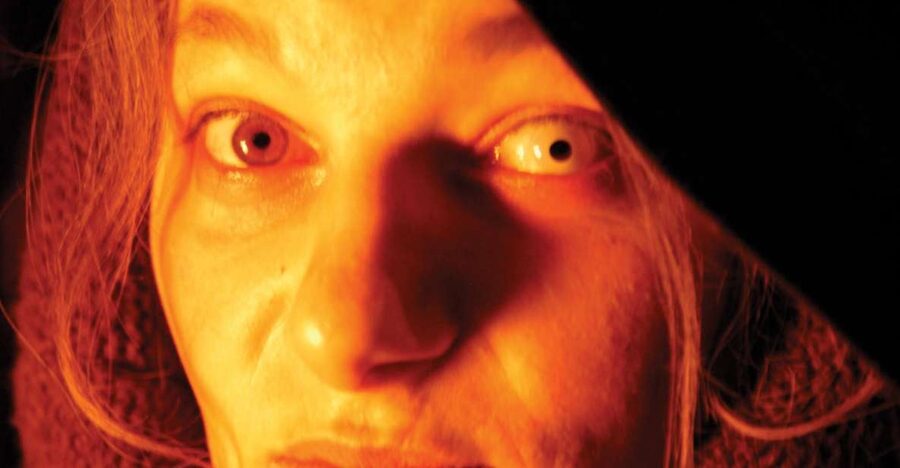
Munich’s old center takes on a darker character after sunset. This German-language walking tour uses professional actors, historic costumes, and short scenes to tell stories of witch hunts, executions, torture, prostitution, and the devil’s bargain behind the Frauenkirche.
I like the way the tour turns familiar sights into theater, especially the wind-swept Frauenkirche story and the strange link between hangmen and pimps. I also like that the historical facts are explained through scenes rather than delivered as a long lecture.
The main drawback is clear: everything is in German. If you do not understand German well, the acting may still be fun, but you will miss the jokes, plot details, and historical explanations. The tour also runs rain or shine, so dress for the forecast.
Key points to know before booking
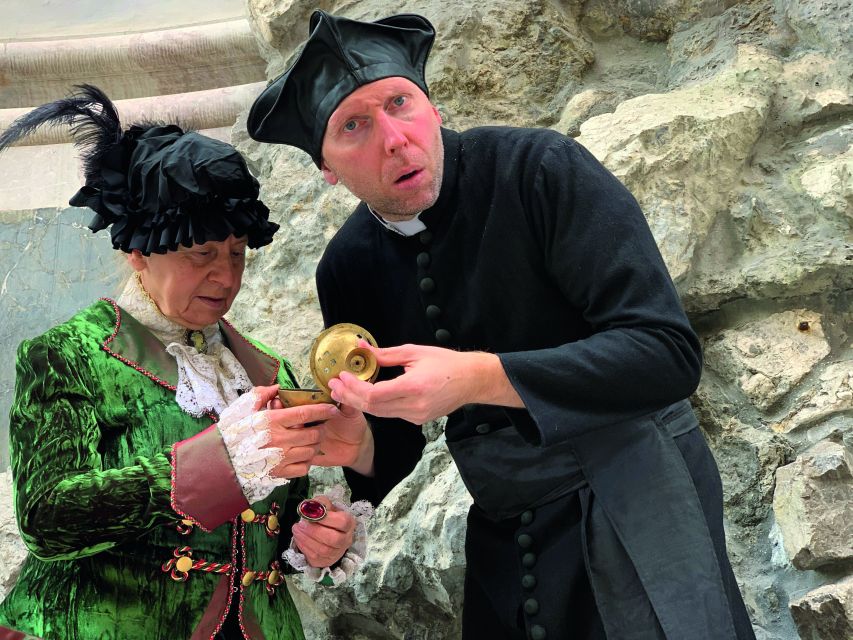
- German acting, not a multilingual tour: The guide and actors perform in German, with no English or Chinese option listed.
- A brisk 90-minute route: You walk from Karlstor through the old center, passing St. Michael’s Church, the Frauenkirche, the Town Hall, St. Peter’s Church, and the Old Town Hall.
- Dark subjects with comic touches: Witch trials, torture, executions, prostitution, and hangmen are mixed with theatrical humor and audience participation.
- The Frauenkirche gets the best legend: You meet the Prince of Darkness and hear why the church is windy, along with the odd question of the devil’s shoe size.
- Good value for a theater-based history walk: At $46 per person, the price is higher than a plain sightseeing stroll, but it includes a professional cast and a guide.
- Easy meeting point: Look beneath the Karlstor archway at Karlsplatz, where the guide carries a large blue bag marked Weis(s)er Stadtvogel.
Munich’s dark past takes center stage
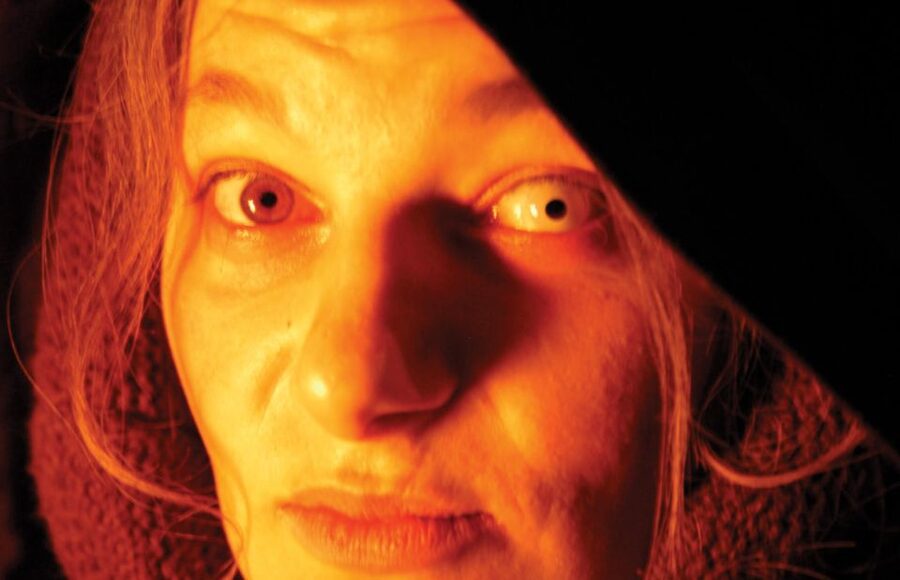
This is not a standard walk through Munich’s postcard sights. The churches, gates, and squares are the setting, while actors bring forward the people who usually stay in the margins of city history: condemned prisoners, suspected witches, executioners, prostitutes, alchemists, and frightened officials.
I find that approach useful because the stories give familiar buildings a human scale. You are not simply told that Munich had courts, prisons, religious conflicts, and strict social rules. You see those pressures played out through characters and short scenes.
The mood is spooky rather than truly frightening. Expect gruesome subjects, theatrical tension, and occasional laughs, not a modern haunted-house production with jump scares. The word scary in the title points to the material and atmosphere more than to horror effects.
The acting is central to the experience. The professional cast appears in traditional costumes and interrupts the walking portions with scenes that connect directly to the stop around you. Audience members may also be drawn into the action, so this suits you if you enjoy a little participation and not just quiet listening.
A few more Munich half-days to weigh up
- From Munich: Neuschwanstein & Linderhof Castle Full-Day Trip
★ 4.5 · 12,494 reviews - Neuschwanstein & Linderhof Castle-Fairytale Day Tour from Munich
★ 4.5 · 7,275 reviews - Munich: Third Reich & WWII Walking Tour
★ 4.6 · 6,181 reviews
Starting at Karlstor, where punishment left the city
The tour begins at Karlsplatz, commonly called Stachus, beneath the archway of Karlstor. Arrive at the gate and look for the guide with the big blue bag carrying the white Weis(s)er Stadtvogel lettering. That detail matters in a crowded central square, where a clear meeting marker saves time and confusion.
Karlstor introduces the tour’s first grim idea. People condemned to death were led through this gate and out of town toward the execution site. The location was not random. Executions took place outside the settled center, keeping public punishment visible while placing it beyond the main civic and religious spaces.
From here, you move along the historic Salzstraße. The walk is through Munich’s central old town, so you are surrounded by major buildings and active city streets rather than an isolated stage. That setting can make the stories feel more immediate, though street noise or a busy evening crowd may sometimes compete with a quiet line of dialogue.
The route is not long by sightseeing standards, but you should wear comfortable shoes. The experience lasts 90 minutes, and the focus is on moving between scenes rather than stopping for long architectural explanations.
Witch hunts beside St. Michael’s Church
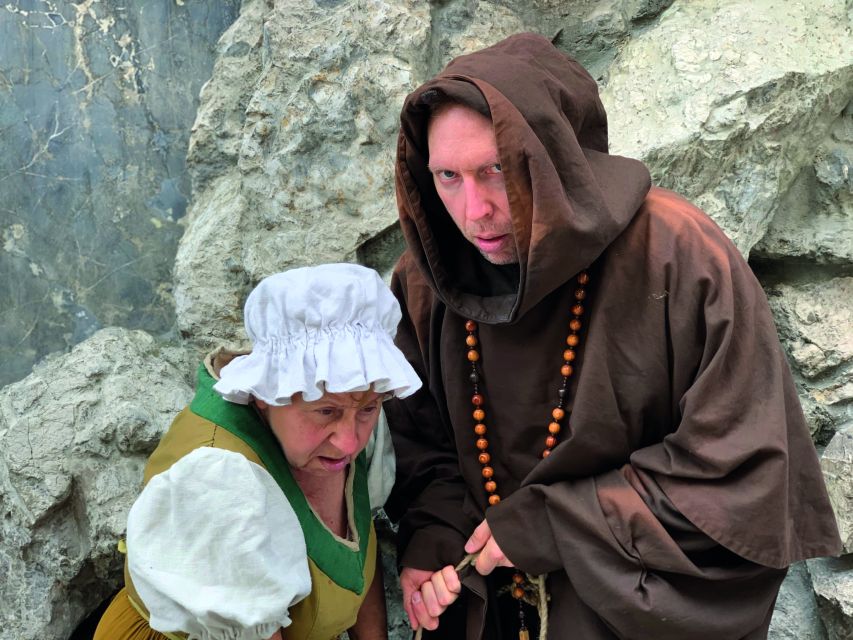
The section near the former Jesuit school shifts the story into the world of the witch hunts. Here, the tour uses a confrontation between Duchess Renata and Jesuit Father Ignatius to show the religious fear and suspicion of the 16th century.
One scene centers on the construction of St. Michael’s Church. When the church tower collapsed, people looked for an explanation that matched their beliefs. The story presented on the tour connects the disaster to supposed evil women, showing how accidents could become evidence in a witch-hunt culture.
This is one of the tour’s strengths. A dry explanation of superstition can be easy to forget, but a quarrel between historical figures gives you something to watch and follow. You also hear stories about potions, broom rides, toad tongues, and children’s hands, details that show how frightening accusations could become.
The material is dark, and some stories involve cruelty toward vulnerable people. The actors help keep the presentation moving, but the tour does not soften its subjects into a pleasant family tale. I would choose a different activity for very young children or anyone who dislikes stories about torture, executions, and witchcraft.
The Schöner Turm and the cost of suspicion
At the Schöner Turm, the focus turns to the sad story of an unfortunate goldsmith. The stop adds a personal fate to the larger story of law and punishment.
That change in scale is helpful. You move from broad ideas about witch hunts to the consequences faced by one person. The tour’s method is to connect each story to a place, so the old center becomes a chain of scenes rather than a series of unrelated monuments.
The actors also keep the pace from becoming too solemn. The experience has been described as entertaining and informative, with the cast breaking up the monotony of a conventional walking lecture. That balance is important here because the subject matter could otherwise become heavy after several stops.
You should keep your expectations realistic. This is a theatrical history tour, not a formal academic seminar, and the 90-minute format means the stories are selected for clarity and drama. You will receive historic facts and explanations, but not an exhaustive account of every legal or religious detail.
Same city, a completely different sort of afternoon:
- Dachau Concentration Camp Memorial Site Tour from Munich by Train
★ 4.5 · 5,637 reviews - Neuschwanstein Castle Tour from Munich
★ 4.5 · 5,117 reviews - Third Reich Walking Tour Munich
★ 4.5 · 4,291 reviews - Munich Hop-On Hop-Off Tour: 1-Day or 2-Day Ticket
★ 4.3 · 4,161 reviews
The Frauenkirche and the Prince of Darkness
The Frauenkirche is the tour’s grandest setting and likely its most memorable scene. A strong blast of wind leads you toward Munich’s landmark, where you meet the Prince of Darkness.
The story concerns the devil’s help in building the church. You learn why the area is said to be so windy and hear the playful question of the devil’s shoe size. This is a good example of the tour’s tone: folklore, architecture, local legend, and a touch of absurd humor are placed together.
I like this stop because you get a famous Munich sight and a story that changes the way you look at it. The Frauenkirche is easy to admire from the outside, but a local legend gives you a reason to remember the building beyond its towers and silhouette.
Do not expect a private church visit or an extended architectural tour inside the Frauenkirche. The value here comes from the outdoor scene and the tale connected to the building. If weather is poor, the wind and evening atmosphere may add to the effect, but you will want a coat that protects you during the stop.
Witches, broomsticks, and old ideas about magic
As the tour continues, you hear more witch stories, including explanations for broom riding and the use of strange ingredients in supposed potions. These details reveal how ordinary objects and frightening rumors could be tied to supernatural beliefs.
The broom question is especially useful because it takes a familiar image and asks where it came from. Instead of treating witches as a simple fairy-tale theme, the actors place the image inside a wider world of accusations, fear, and folk belief.
The performance style helps you keep track of these separate tales. Scenes break up the walking time, while the guide provides the links and historical background. Several comments about the experience praise the way the actors make the information easier to follow and prevent the tour from feeling monotonous.
German ability remains the dividing line. You need enough German to follow dialogue, understand explanations, and catch wordplay. If you only know a few German phrases, you may appreciate the costumes and gestures, but the tour’s main value will be out of reach.
The Town Hall and an alchemist chasing gold
At the Town Hall courtyard, the character Marco Bragadino awaits. The supposed goldsmith presents his craft and tries to draw you toward his claims.
This scene adds alchemy to the tour’s mix of fears and false promises. Witchcraft stories show how people blamed unseen forces, while the alchemist story points to the human desire for wealth and transformation. Gold, secret knowledge, and theatrical persuasion make a natural fit for a live performance.
The courtyard also gives the route a change of setting. After gates, churches, and narrow historic streets, the Town Hall provides a civic backdrop. You continue to see important Munich buildings, but the tour keeps its attention on people and behavior rather than a long list of dates.
If you want a detailed tour of the Town Hall’s architecture or political history, this is not the right product. The courtyard is being used as a stage for Bragadino’s story. That focus keeps the 90-minute walk lively, but it also means you should pair the experience with a conventional city tour if you want a fuller introduction to Munich.
St. Peter’s Church and the life of a hangman
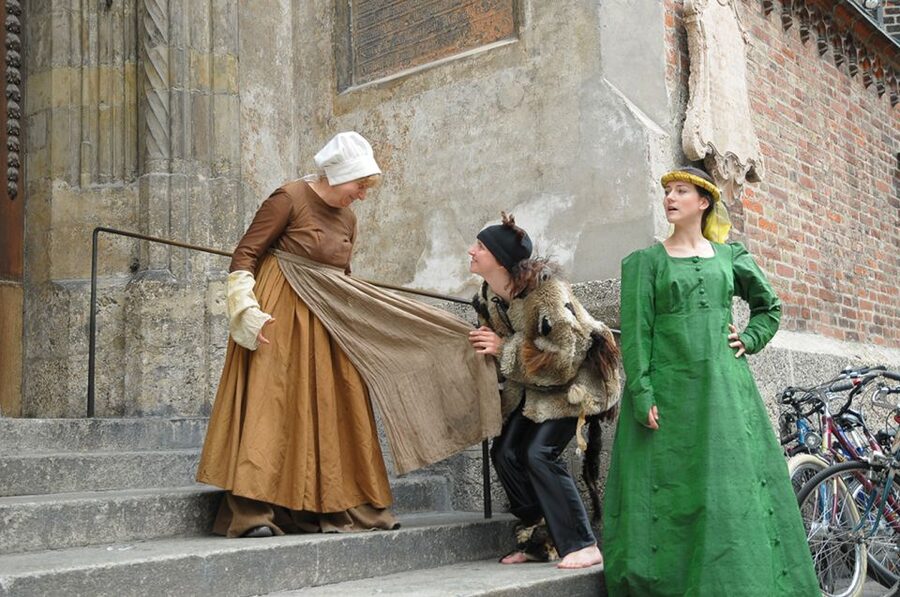
At St. Peter’s Church, the tour examines the everyday life of the hangman. You learn how he looked, why people tried to avoid him, and how someone might obtain a piece of gallows rope.
The most surprising detail is the connection between hangmen, prostitution, and pimping. The tour asks what these three groups had in common in Munich and uses the answer to show how people placed certain occupations outside respectable society while still relying on them.
That tension gives the subject real bite. The hangman was needed by the legal system, yet socially shunned. His work involved torture and executions, but his position also connected him with other people living on the edge of accepted public life.
A beautiful woman also escapes certain death during this section. The scene gives the audience a moment of suspense and shows how the actors use individual stories to keep the route from becoming a simple catalogue of punishments.
St. Peter’s is a functioning historic church and one of the city’s important landmarks, but the tour does not promise an extended interior visit. You should treat the church as the backdrop for the hangman story, not as a separate church sightseeing stop.
The Old Town Hall and the former torture chamber
At the Old Town Hall, the tour enters another severe part of Munich’s past. You cross the site of the former torture chamber while hearing gruesome stories tied to punishment and interrogation.
This is where the tour’s title feels most justified. The subject is not merely spooky folklore. It deals with the machinery of justice and the methods used to force confessions or punish accused people.
The performance format makes the material easier to picture, but it can also make it more unsettling. I would not book this walk if you want a light evening activity with only amusing legends. The humor is present, yet torture and execution remain serious parts of the program.
The Old Town Hall is near the end of the route, so the stop works as a gathering point for the tour’s main themes: religious fear, criminal justice, social exclusion, and the public display of punishment. You leave with a less polished picture of old Munich, one that includes the people and systems hidden behind grand façades.
Platzl and Munich’s former red-light district
The final section moves toward Platzl, once part of Munich’s red-light district. The tour connects this past with the city’s changing self-image and with the red-light district’s removal from the historic center around the 1972 Olympic Games.
That detail gives the walk a modern link. The tour does not stop in the distant past, but shows how Munich continued to regulate public morality and reshape its center. The polished image of a decent, welcoming city sits beside a history of prostitution, policing, and social control.
The reference to the Spider Murphy Gang song Skandal im Sperrbezirk helps place this history in popular culture. You do not need to know the song to follow the point, but it adds a distinctly Munich flavor to the final story.
I like ending here because the subject feels closer to modern life than the witch trials or gallows rope. It reminds you that old-town streets are not frozen in time. Their uses and reputations have changed, sometimes recently.
Is $46 a fair price for 90 minutes?
At $46 per person, this costs more than a basic free walking route or a standard self-guided stroll. You are paying for a live cast, costumes, a guide, and a carefully arranged sequence of scenes across central Munich.
For me, the price makes sense if you value performance. The actors do more than add decoration. They carry the stories, bring historical characters into the route, and use humor or audience involvement to keep the facts moving.
The value is weaker if you want only landmark information. The route passes major sights, but the tour is not designed to cover every architectural detail or provide a full museum-style history of Munich. You are buying a themed evening performance that happens to move through the city.
The strong rating of 4.7 from 59 recorded ratings fits the experience’s main appeal: the mix of useful background information and lively acting. The most consistent praise centers on entertaining performances, clear historical connections, and a tour that feels short rather than drawn out.
Who should book this Munich night walk?
I would choose this tour for adults and older children who understand German and enjoy history with a theatrical edge. It also suits repeat visitors who have already seen Munich’s main sights and want a different way to look at the old center.
It is a good match for you if:
- You understand spoken German well.
- You like witch legends, crime history, and folklore.
- You prefer scenes and characters to a standard lecture.
- You enjoy light audience participation.
- You want to see several central landmarks in one evening walk.
- You can handle grim stories about torture, executions, and prostitution.
I would skip it if you need English or Chinese, dislike standing outdoors, or want a quiet, architecture-focused tour. Since it runs in all weather, check the forecast and bring suitable layers and rain protection.
The route is wheelchair accessible, which makes it a practical choice for many visitors, though the experience still involves moving through the historic center and stopping at several outdoor locations. The tour lasts 90 minutes, so it fits neatly into an evening without taking over the night.
Booking is flexible because cancellation is free up to 24 hours before the start, and you can reserve now and pay later. Starting times vary, so check availability when choosing your date.
Should you book it?
Book this tour if you want Munich’s old center to feel like a stage, with professional actors turning witch trials, devil legends, hangmen, alchemy, and prostitution into a fast-moving history lesson.
At $46, it is not the cheapest way to see the city, but it offers something a plain walking tour cannot: character, tension, and scenes built around the places where the stories belong. The deciding question is not how scary you want the evening to be. It is how comfortable you are following a full performance in German.
FAQ
Where does the tour begin?
It begins at Karlsplatz, also called Stachus, beneath the archway of Karlstor.
How can I find the guide?
Look for a guide carrying a big blue bag with the white words Weis(s)er Stadtvogel.
How long does the tour last?
The walking tour lasts 90 minutes.
What language is the tour in?
The live guide and actors conduct the tour in German. No English or Chinese tour option is listed.
Which Munich sights does the route pass?
The route includes Neuhauser Tor, St. Michael’s Church, the Frauenkirche, the Town Hall courtyard, St. Peter’s Church, the Old Town Hall, and Platzl.
Is the tour suitable for wheelchair users?
Yes. The activity is listed as wheelchair accessible.
What happens if it rains?
The tour runs rain or shine, so you should dress for the weather and bring rain protection if needed.
Just added around Munich
- Pub crawl incl. Oktoberfest museum guided tour with beer tasting (private)★ 5.0 · 5 reviews
- South Tyrolean specialties and wine tasting★ 5.0 · 5 reviews
- Size Matters Beer Tour Munich★ 4.6 · 105 reviews
- Secret Food Tours Munich★ 4.8 · 5 reviews
- Short & sweet: Tasting the Viktualienmarkt★ 4.8 · 37 reviews
- Munich: Romantic Wine Experience for Two at Viktualienmarkt★ 4.2 · 14 reviews
- Residence of Munich private tour with skip the line ticket★ 5.0 · 4 reviews
- Munich: Resistance against Hitler – Historical Walking Tour★ 5.0 · 5 reviews
Munich Tours, compared.


Neuschwanstein & Linderhof Castle-Fairytale Day Tour from Munich
Read our review →
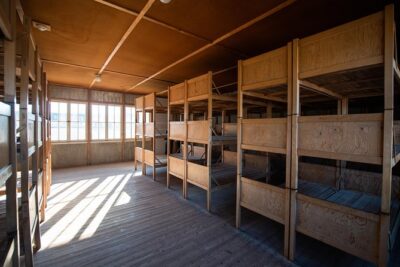
Dachau Concentration Camp Memorial Site Tour from Munich by Train
Read our review →
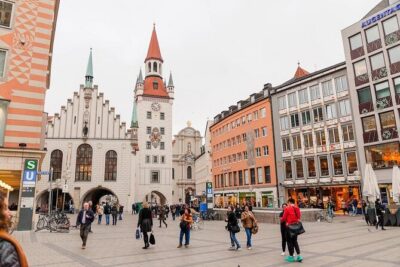
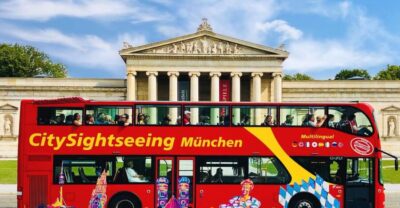
Munich Hop-On Hop-Off Tour: 1-Day or 2-Day Ticket
Read our review →Browse the lists this tour appears in