

Review · SYLT TOURS
Keitum: Guided Village Walking Tour
Keitum’s best surprises sit beyond its postcard houses. This 2.5-hour walk takes you through thatched Frisian homes, artisan lanes, and garden walls before reaching the Wadden Sea and the Stone Age burial mounds of Harhoog and Tipkenhoog. It gives you both village character and open coastal views.
I like the way the route connects Keitum’s old homes with its working artistic side, including glassblowers and goldsmiths. I also like the chance to hear about whaling, 18th-century culture, and Stone Age life in the same outing. The main consideration is language: guide Jörg Ridder leads the tour in German, and one three-star rating suggests it may not suit anyone seeking a strictly detailed historical lecture.
Key points to know before booking
- Ancient burial mounds: Reach Harhoog and Tipkenhoog, Stone Age sites near the Wadden Sea.
- Classic Keitum architecture: See thatched roofs, homes dating as far back as 1640, walled gardens, and narrow lanes.
- Artisan village life: Pass glassblower and goldsmith workshops along the route.
- Coastal finish: Walk to the tidal side of Sylt for broad Wadden Sea views and fresh sea air.
- German-language guiding: Jörg Ridder leads the live tour in German.
- Simple meeting point: Start and finish at the bus station called Keitum Mitte.
Starting among Keitum’s thatched homes
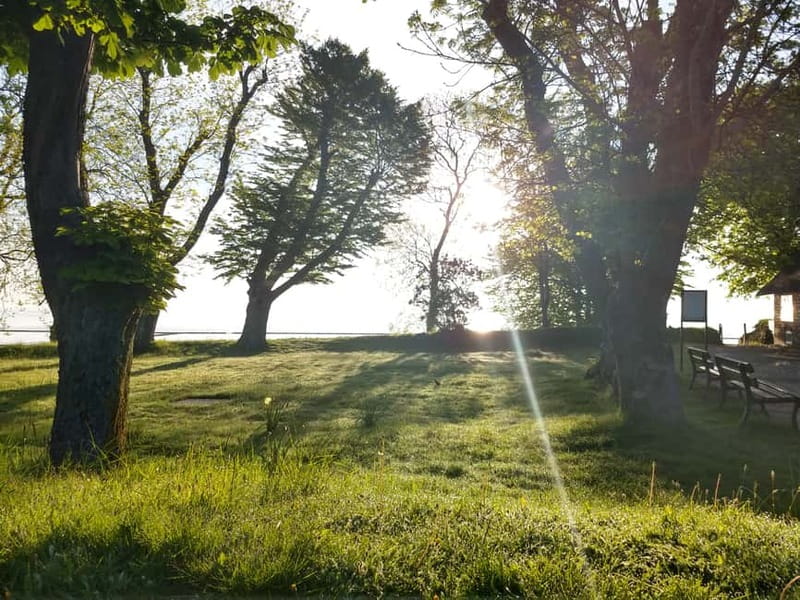
Your walk begins at the bus station Keitum Mitte, right in the village center. That makes the meeting point easy to identify, though you should leave time to arrive before the scheduled start. The tour ends at the same spot, so you do not need to arrange a separate pickup or find your way back from the shore.
Keitum is known as the green heart of Sylt, and the opening part of the walk shows why. Instead of rushing from one sight to the next, you move along rustic paths and small, curving alleyways. The village feels shaped by old homes, garden walls, and quiet lanes rather than by a single grand monument.
Look up as you walk. The thatched roofs are the clearest sign of traditional North Sea island architecture. You will also pass homes with Frisian walls and gardens, some of the buildings dating back to 1640. These details matter because Keitum’s appeal comes from its complete setting. A single old house is interesting. Several streets of them, linked by gardens and winding paths, give you a much better sense of the village.
I like this slow start. You have time to notice rooflines, masonry, plants, and the way the homes sit along the lanes. It is also a useful pace for photographs, though the narrow paths may make the walk less suited to anyone who wants a fast, straight route.
More walking tours in Germany:
- Discover Berlin Half-Day Walking Tour
★ 5.0 · 9,624 reviews - Berlin: Third Reich and Cold War 2 Hour Walking Tour
★ 4.9 · 6,830 reviews - Munich: Third Reich & WWII Walking Tour
★ 4.6 · 6,181 reviews
Following Keitum’s lanes to its artisan workshops
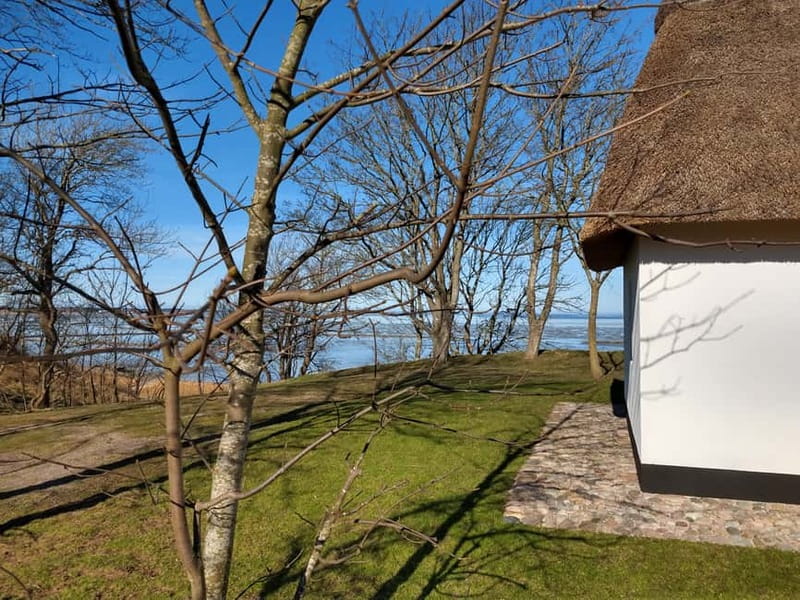
The village is not presented as a preserved shell. Along the route, you pass artisan shops and workshops, including glassblowers and goldsmiths. These stops help explain Keitum’s current identity as an artistic center.
You should not expect a hands-on craft class or a guaranteed workshop demonstration. The information provided promises a look at the artisan community and the chance to pass these businesses while hearing about Keitum today. Still, this part gives the walk a useful present-day angle. You are not only hearing about the past; you are seeing how creative work fits into village life now.
The lanes themselves are part of the attraction. They wind between historic homes, rather than following a broad modern street. I would treat this portion as a chance to slow down and let the guide set the rhythm. If you prefer grand interiors, formal museum displays, or a long list of dates, this may feel informal. If you want a sense of how Keitum looks and functions at street level, it should be more satisfying.
Jörg Ridder is the named guide for the experience. His program is described as different from a classic local tour, with an entertaining and enriching approach. That suggests a walk shaped by stories and connections rather than a rigid checklist. At the same time, one three-star assessment warns that visitors focused only on historical information may find the emphasis less suitable. I would book it for a broad cultural introduction, not as a specialist history seminar.
Hearing about whaling and Keitum’s 18th-century culture
As the walk continues, the subject shifts from houses to the economic and social forces that shaped the village. You hear stories about Sylt’s whaling economy and Keitum’s cultural life during the 18th century.
This context adds weight to the architecture. The older homes are not just attractive backdrops. They belong to a period when the island’s fortunes, trade, and community life were different from today. Even if you do not remember every date, you gain a clearer idea of why Keitum has such a distinctive building tradition.
The tour’s historical span is unusually wide for a village walk. You begin with homes and modern artisan work, move into whaling and 18th-century culture, then reach burial mounds that go back to the Stone Age. That range is one of the strongest reasons to choose this experience. It links several layers of Keitum without requiring a full day in a museum.
Still, keep your expectations in check. The walk lasts 2.5 hours, and the supplied details do not promise a specialist account of every building or archaeological site. The guide may favor stories, atmosphere, and local connections. If your main goal is a precise architectural inventory or an academic discussion of archaeology, you may want additional material beyond this walk.
Reaching the Wadden Sea shoreline
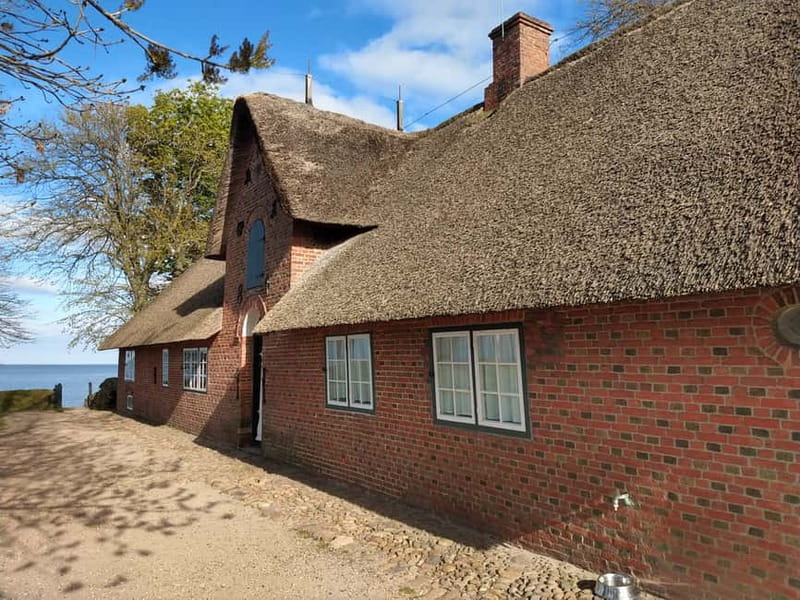
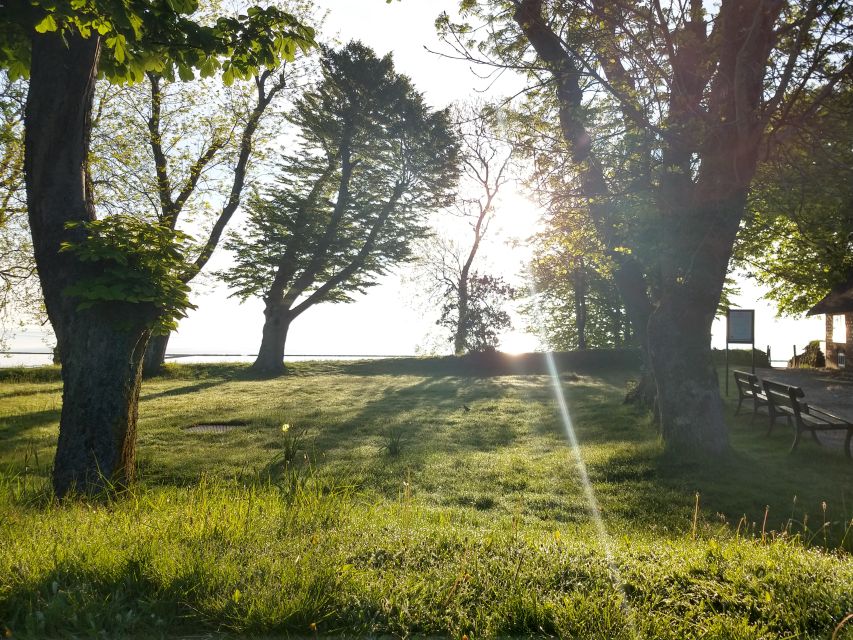
The route eventually leaves the tighter village lanes and heads toward the shoreline. At the tidal side of Keitum, the setting opens up, with broad views across the Wadden Sea and a fresh breeze coming off the water.
This change in space is important. The first part of the tour is intimate, with walls, homes, gardens, and alleyways close around you. The shore offers the opposite experience: open views and a sense of the island’s position beside the sea. I like tours that give you both kinds of scenery, and this one does so without requiring separate transport.
The weather will shape this section. The activity runs rain or shine, and rain gear is specifically recommended. Bring clothing suited to the forecast and comfortable shoes for the full walk. Even on a pleasant day, the coastal portion may feel cooler or windier than the village center, so a light extra layer is sensible.
Food and drinks are not included. Since the supplied details do not identify a refreshment stop, plan to eat before or after the tour rather than counting on a break during the route. The walk ends back at Keitum Mitte, which makes it easy to continue with your own meal or other plans afterward.
A few more Germany half-days to weigh up
- List/Sylt: Guided Seal-Watching Cruise on a Rustic Boat
★ 4.7 · 350 reviews - Sylt: Seal Watching Boat Tour from Hörnum
★ 4.1 · 119 reviews - Sylt: Round-Trip or 1-Way Passenger Ferry to Rømø, Denmark
★ 4.7 · 26 reviews
Seeing Harhoog and Tipkenhoog
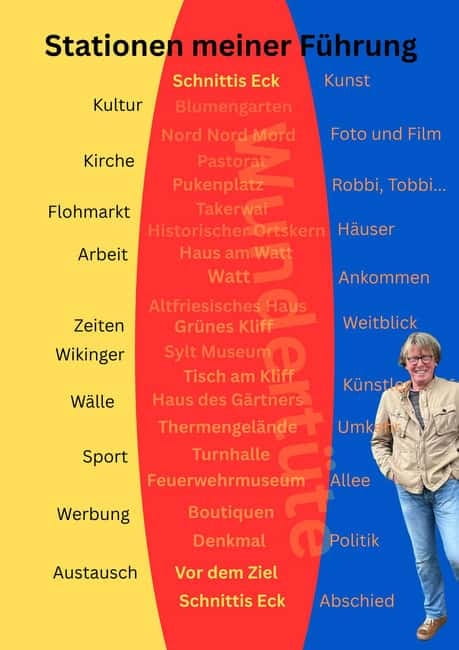
The most distinctive historical stops come near the Wadden Sea: the ancient burial mounds of Harhoog and Tipkenhoog. These Stone Age sites give the tour a physical connection to the island’s earliest known human past.
Burial mounds can be easy to overlook if you encounter them without context. A guide helps explain what you are seeing and why these raised earthworks matter. Here, the location also adds drama. You are near the tidal shore, looking across open water, while standing beside traces of people who lived thousands of years ago.
Do not expect a large museum complex or an elaborate monument. The appeal is the contrast between the simple sites and the long time span they represent. Harhoog and Tipkenhoog are valuable stops because they make Keitum’s history feel older than its houses, whaling stories, or artisan shops.
The itinerary concludes after this part and returns to the meeting point. That ending works well: the walk moves from the village’s built character to its oldest archaeological remains, then brings you back to the same central location. You finish with a wider understanding of Keitum rather than simply retracing a street circuit.
What the $22 price gets you
At $22 per person, this is a reasonable price for a 2.5-hour guided walk, especially if you value local interpretation. You are paying for a live German-speaking guide, a planned route through several parts of Keitum, and access to a story that connects architecture, craft, whaling, coastal geography, and archaeology.
The value depends heavily on your interests and language ability. If you understand German and want a village introduction with several different themes, the price is fair. If you speak little or no German, the cost may be harder to justify because the guide’s explanations are a central part of the experience.
There is no hotel pickup, food, or drink included. That keeps the price focused on the walking tour itself, but it also means you handle transport to Keitum Mitte and any refreshments. Since the walk begins and ends at the same bus station, getting there is the main planning task.
A 4.6 rating from 134 assessments points to a strong overall response, but I would pay attention to the one clear caution: this may not be the right choice for someone who wants only formal historical facts about Keitum. The program sounds broader and more interpretive. That is a benefit for some people and a limitation for others.
Who will enjoy this Keitum walk most
I would recommend the tour to you if you enjoy walking through old villages and want more than a quick photo stop. It suits people who like architecture, local stories, coastal scenery, and archaeological sites in one outing.
It is also a good fit if you want a gentle introduction to Sylt’s cultural character. You see how the village looks, hear about its past, pass active artisan businesses, and reach the Wadden Sea. The route gives you several ways to connect with the place.
You should think twice if you need English guiding, a highly technical history presentation, or a tour built around indoor attractions. The only listed language is German, and the experience is outdoors from start to finish. Rain, wind, and changing coastal conditions are part of the deal.
Comfortable footwear is essential. The tour uses rustic paths, narrow lanes, and a shoreline route, so this is not the time for shoes chosen only for appearance. Pack rain gear even when the forecast looks promising, since the tour runs in all weather.
Practical planning for the 2.5-hour route
Check the available start times when booking, since the exact departure is not fixed in the information provided. Arrive at Keitum Mitte with enough time to locate the bus station and meet Jörg Ridder.
Keep your schedule flexible after the tour. Although the activity ends at its starting point, the 2.5-hour duration leaves little room for a last-minute appointment during the walk. The route includes several stops and stories, so rushing away early would mean missing part of the experience.
You can cancel up to 24 hours in advance for a full refund, and the reserve-now, pay-later option lets you hold a place without paying immediately. Those terms are useful if your Sylt plans depend on weather or changing transport arrangements. They do not change the rain-or-shine policy, so dress for the conditions even if the forecast is uncertain.
Should you book the Keitum guided walk?
Book this tour if you want a well-rounded village walk that combines Keitum’s thatched homes, artisan tradition, whaling past, Wadden Sea views, and Stone Age burial mounds. At $22, it offers solid value for a German-speaking visitor who wants local context rather than a self-guided stroll.
Skip it if you need English commentary or a narrowly focused history lecture. For everyone else, the mix of quiet lanes and open shore is the strongest reason to go. Just bring sturdy shoes, rain gear, and an interest in hearing Keitum explained through both its old roots and its present-day creative life.
FAQ
Where does the Keitum walking tour begin?
The tour begins at the bus station called Keitum Mitte in the center of Keitum.
Where does the tour end?
The activity ends back at the Keitum Mitte meeting point.
How long does the tour last?
The walking tour lasts 2.5 hours.
What language is the tour conducted in?
The live tour guide speaks German.
Who guides the tour?
The experience provider and named guide is Jörg Ridder.
What places do you visit?
The route passes historic Frisian homes, walled gardens, winding lanes, artisan shops, the Wadden Sea shoreline, and the Stone Age burial mounds of Harhoog and Tipkenhoog.
Are food and drinks included?
No. Food and drinks are not included in the tour.
Is hotel pickup included?
No. Hotel pickup and drop-off are not included. You meet the guide at Keitum Mitte.
What should you bring?
Bring comfortable shoes, rain gear, and clothing suitable for the weather.
Does the tour run in bad weather?
Yes. The tour takes place rain or shine.
Can you cancel for a refund?
You can cancel up to 24 hours in advance for a full refund.
Just added around Germany
- From Berlin: Gardens & Palaces of Potsdam Bike Tour★ 5.0 · 61 reviews
- Berlin: Battle for Seelow Heights WW2 tour -Clash of Titans★ 5.0 · 27 reviews
- From Amsterdam: Cologne Private Sightseeing Tour★ 5.0 · 4 reviews
- From Berlin: Historical Gems of Potsdam Private Day Trip★ 4.4 · 4 reviews
- Freiburg: Veni, vidi, vino – wine hike and tasting★ 4.5 · 144 reviews
- From Alken: Return Day Trip by Boat to Cochem★ 4.6 · 141 reviews
- Fritz Haarmann – Die Mördertour★ 4.6 · 41 reviews
- Freiburg: Tour of the city with cathedral visit★ 4.7 · 167 reviews
Sylt Tours, compared.
Round-Trip or 1-Way Passenger Ferry to Rømø, Denmark
Read our review →Browse the lists this tour appears in