
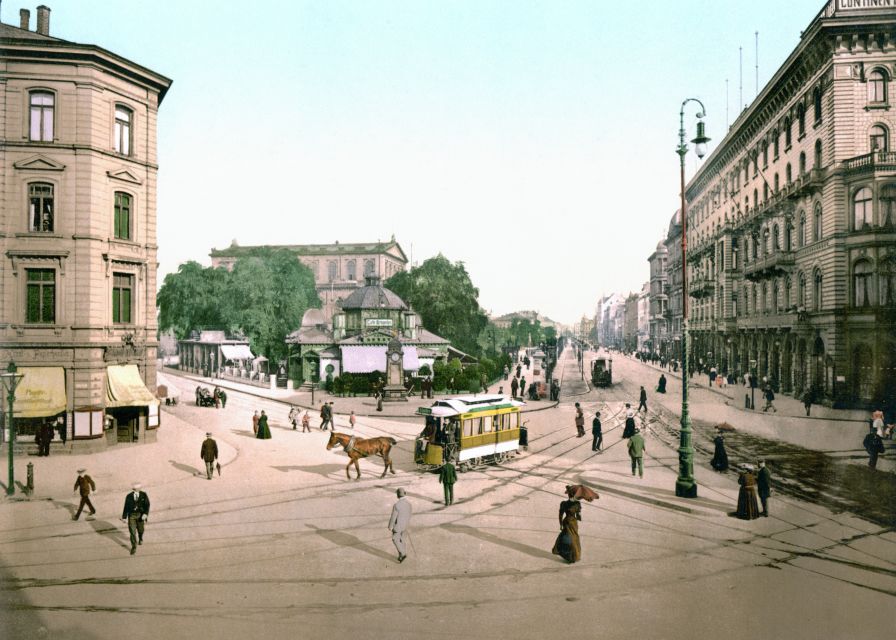
Review · HANOVER TOURS
Fritz Haarmann – Die Mördertour
Fritz Haarmann, Die Mördertour takes you into one of Hannover’s darkest chapters: the 1920s case of a killer whose crimes shocked Germany and drew international attention. This is not a standard Old Town walk. You follow the route from Hannover’s main train station toward the historic center while the guide explains Haarmann’s life, crimes, and the social conditions around the case.
I like the way the tour connects specific places with the story, especially the site of the former murder house and the place where the victims’ bones were buried. I also like the wider focus on politics and society, since the Haarmann case was not treated as a private crime alone. The main drawback is clear: the subject is grim, and the tour is offered in German, so it will not suit everyone.
Key points about the Hannover murder tour
- Starts under the horse’s tail: Meet at the Ernst-August statue outside Hannover station, known locally as Unterm Schwanz.
- Walks from the station to the Old Town: The route gives you a gradual introduction to the city before reaching the main case sites.
- Visits two unsettling locations: The tour includes the former murder house site and the place associated with the burial of victims’ bones.
- Explains the 1924 turning point: You learn how the discovery of at least 24 victims brought the case to national and international attention.
- Looks beyond the crimes: The guide places Haarmann’s actions within the political and social conditions of early twentieth-century Germany.
- Costs $35 per person: For two hours with a guide, that is a fair price if you want a focused historical walk rather than general sightseeing.
Beginning beneath Hannover’s horse statue
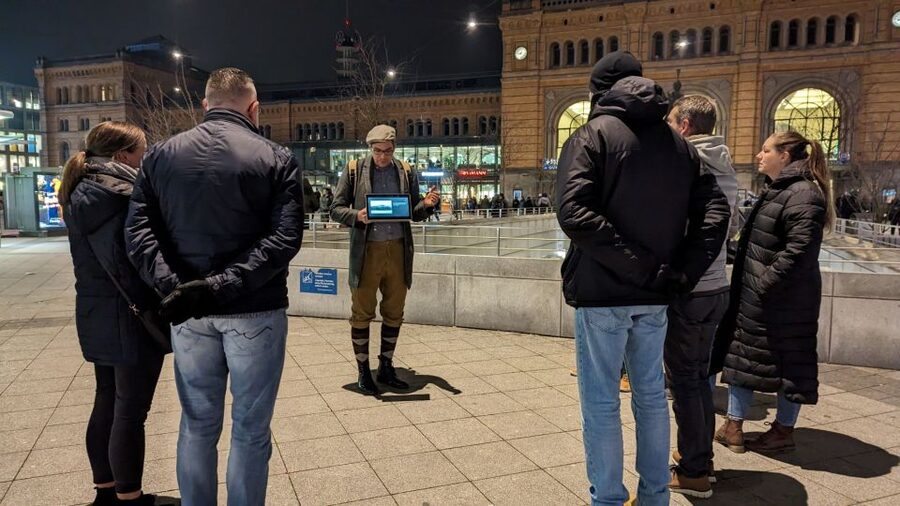
Your meeting point is the Ernst-August statue in front of Hannover’s main train station. The statue shows King Ernst August on horseback, and the spot beneath the horse’s tail is known as Unterm Schwanz, or Under the Tail.
It is an easy place to find, but do not cut it close. You should arrive five minutes before the start time. The station is a natural meeting point for a walking tour because it is central and easy to reach, especially if you are arriving in Hannover by train.
From here, the group walks together toward Hannover’s Altstadt. The route matters because it gives the tour a sense of movement. You are not simply dropped at a dark site and handed a gruesome story. The walk takes you from a busy modern transport hub into the older city, where the story of Fritz Haarmann unfolded.
The setting also helps place the case in everyday Hannover. Haarmann was not a figure from a distant battlefield or a remote prison archive. His story is tied to streets and places within the city itself. That connection is one reason this tour can feel more immediate than a general lecture about crime history.
A few more Germany half-days to weigh up
- Hannover: Guided Old Town Walking Tour
★ 4.5 · 338 reviews - Hannover: 24-Hour Hop-On Hop-Off Sightseeing Bus Ticket
★ 4.2 · 298 reviews - Hanover: Crime Walking Tour
★ 4.5 · 243 reviews
The story behind the Butcher of Hannover
Fritz Haarmann is one of Germany’s most notorious serial killers. The case reached its peak in 1924, when authorities and the public learned that at least 24 citizens of Hannover had been killed.
Haarmann became known by several cruel nicknames, including the Butcher of Hannover. The label is grim, but it also shows how quickly the case became part of public culture. The story was no longer confined to police records or courtroom reports. It shaped how people talked about crime, safety, morality, and the city itself.
The tour presents the case as more than a list of victims and shocking acts. You also examine the conditions of the period and the way the case became politicised. That wider view is important. It helps you understand why the Haarmann case had an effect on German history beyond the immediate crime.
The guide’s job here is to make a difficult story clear without reducing it to cheap horror. The strongest feedback about the tour points to good background information, clear explanations, and a presentation that remains gripping while still giving the historical setting its due. One participant described the material as so engaging that they could have continued listening for hours.
That does not mean the tour is light entertainment. The case involves murder, victims, and the handling of human remains. You should expect direct discussion of disturbing events. The value comes from understanding the case and its setting, not from seeking a thrill.
Walking through the Old Town
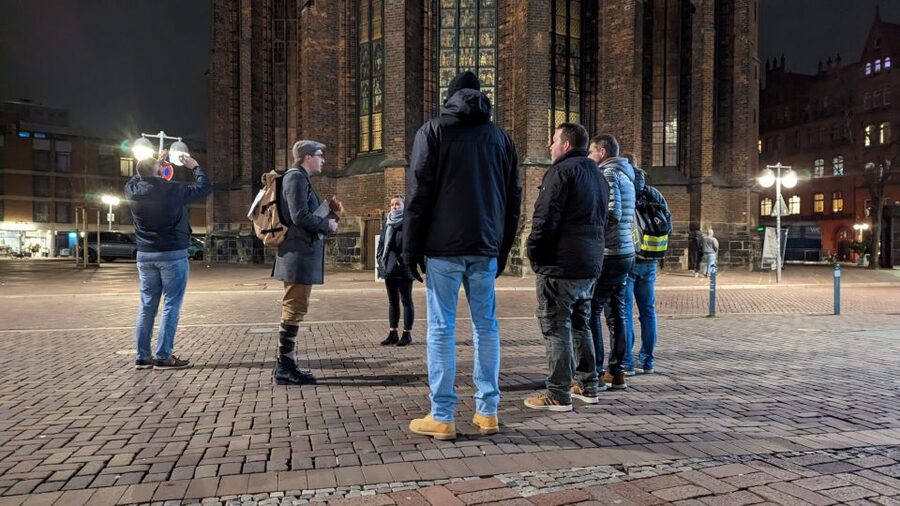
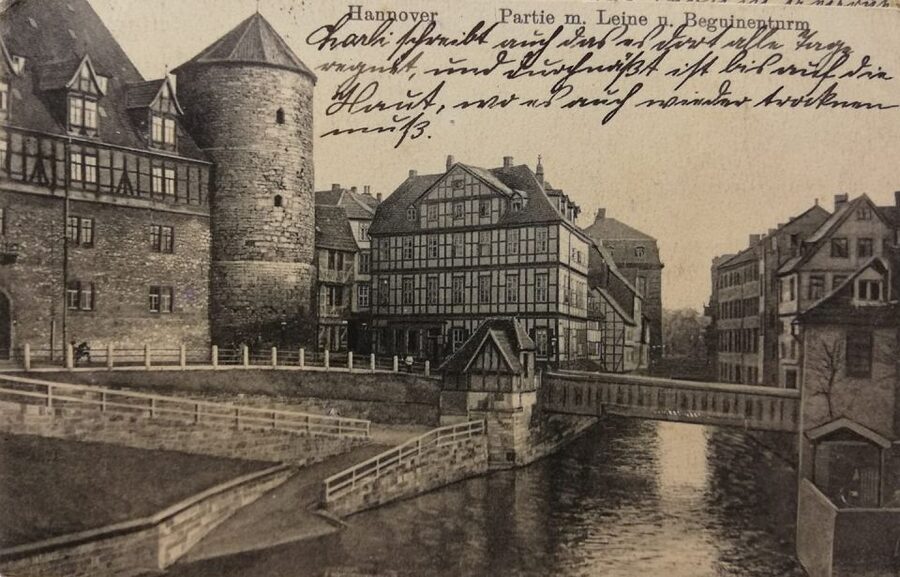
The route continues into Hannover’s Altstadt, where the guide develops the story as the group walks. Exact street details and the order of every stop are not specified, so you should think of this as a guided narrative walk rather than a fixed list of monuments.
That format can work well for this subject. The Old Town provides the setting, while the guide supplies the links between places and events. You are likely to spend much of the time listening, walking, and asking questions rather than entering buildings or viewing museum displays.
Several participants praised the way the story was made vivid and easy to follow. The guide reportedly presented the material in a relaxed but suspenseful manner, which is a useful balance for a serious subject. A dry lecture would make two hours feel long. A sensational presentation would feel disrespectful. The aim here is to keep the account understandable and compelling.
You should also expect time for questions. When the group is large, an additional guide may be brought in and the group divided. That is a practical advantage, since a smaller walking group makes it easier to hear the explanation and speak with the guide.
The former murder house site
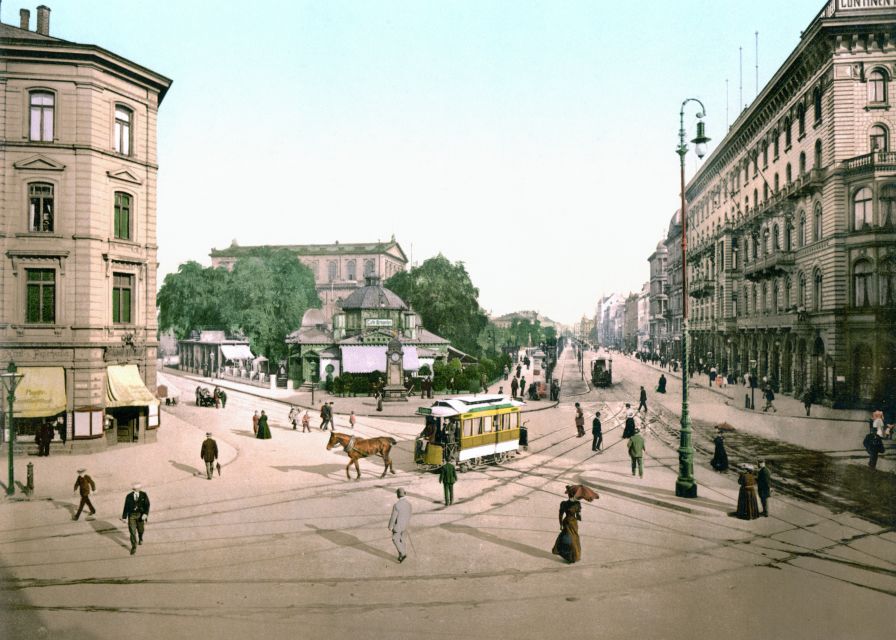
One of the central stops is the place where the murder house once stood. The building itself is no longer there, so this is a location-based story rather than a preserved crime scene.
That distinction matters. You will not be touring an original interior or seeing objects connected to the case. Instead, the guide uses the site to explain what happened and why the place mattered. A former building site can seem visually ordinary, but that contrast is part of the point. The location exists within the city rather than behind a theatrical set.
I find this kind of stop useful because it keeps the story tied to geography. You can understand how close the events were to normal urban life and how a place can retain meaning even after the original structure disappears.
Do not expect a large memorial or a dramatic display. The power of the stop comes mainly from the account given by the guide. If you prefer museums, documents, and objects, this tour may feel spare. If you value the chance to hear a local story while standing at the relevant place, it offers something a museum cannot quite provide.
Same city, a completely different sort of afternoon:
- Berlin: Reichstag, Dome and Government District Guided Tour
★ 4.7 · 18,288 reviews - Berlin: 1-Hour City Tour by Boat with Guaranteed Seating
★ 4.3 · 16,993 reviews - Hamburg: Sex and Crime in St. Pauli Tour for Ages 18+
★ 4.7 · 15,447 reviews - Hamburg: 1.5-Hour Harbor and Speicherstadt Day Cruise
★ 4.6 · 14,200 reviews
The place connected with buried remains
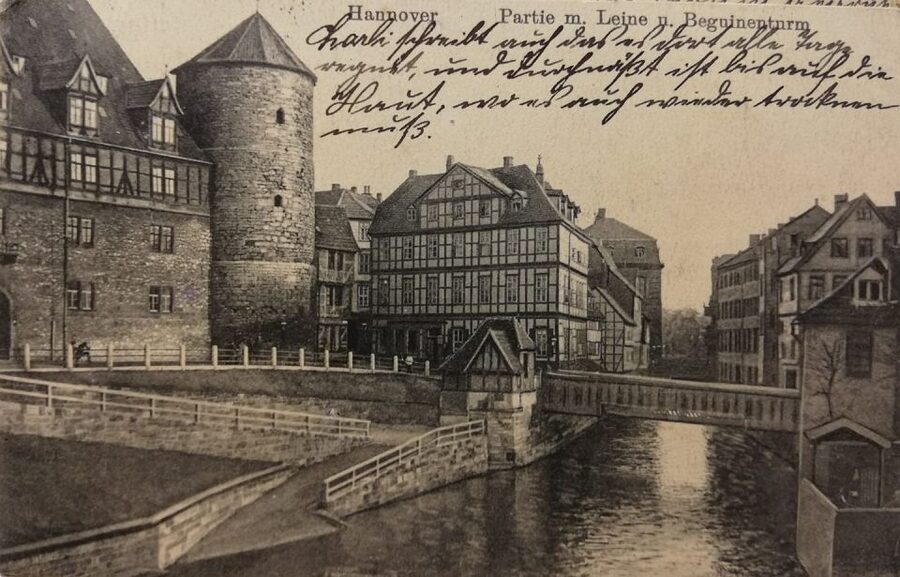
The tour also visits the place where Haarmann buried the bones of his victims. This is likely to be the most difficult part of the walk, both because of the subject and because the location connects directly to the discovery that exposed the scale of the crimes.
The guide explains the role of the site within the wider case. You are not simply shown a place and left to fill in the blanks. The stop helps show how the investigation moved from suspicion to the realization that many people had been killed.
Again, the physical setting is not presented as a spectacle. The important element is the explanation. You should approach this stop with respect, particularly because the case involved real citizens of Hannover and real families.
The tour’s wider historical angle is especially useful here. The discovery of the remains did not only produce a criminal investigation. It fed public debate and political arguments in a Germany already facing major strain. The case became part of a broader national conversation, and the guide explains those connections during the walk.
Why the political background matters
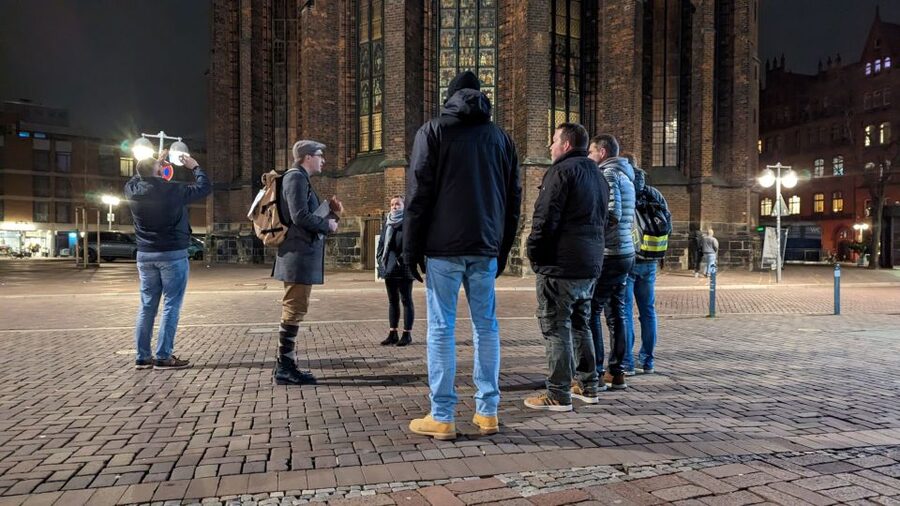
A crime tour can easily focus only on the killer. This one gives attention to the society around him, which is one of its better features.
The Haarmann case was heavily politicised and helped shape German history. That means the tour asks you to consider how the authorities, press, politicians, and public reacted. It also points toward the conditions of the early twentieth century, rather than treating 1924 as an isolated date.
You should not expect a full course in German political history during a two-hour walk. The tour has a focused subject, and the background supports that subject. Still, this context makes the experience more useful for anyone interested in how criminal cases can become public and political events.
The historical framing also keeps the tour from becoming a simple tale of evil. Haarmann’s actions remain the center of the story, but the response to those actions reveals much about Hannover and Germany at the time. That is where the tour moves beyond shock value.
A German-language tour with time for questions
The live guide speaks German. For German-speaking visitors, this is a direct way to hear the story and ask about details as they arise.
If you do not understand German well, the experience will be difficult to follow. No other language is listed, and the tour depends on spoken explanation. You should not book it expecting written translations or an audio guide.
The presentation appears to be one of the tour’s strongest points. The guide explains the material clearly, adds background information, and keeps the pace moving. The two-hour length gives enough room for the story to develop without turning the walk into an all-day commitment.
A larger group does not automatically mean a poor experience. An extra guide may be added when numbers are high, with the group split into smaller sections. That arrangement can help, though group size can still affect how easily you hear and ask questions.
Bring comfortable shoes suitable for two hours of walking. The route begins at the station and continues to the Old Town, so you should expect to remain on foot for the duration. The activity is listed as wheelchair accessible, which is useful information when planning with a mobility concern.
What $35 buys you
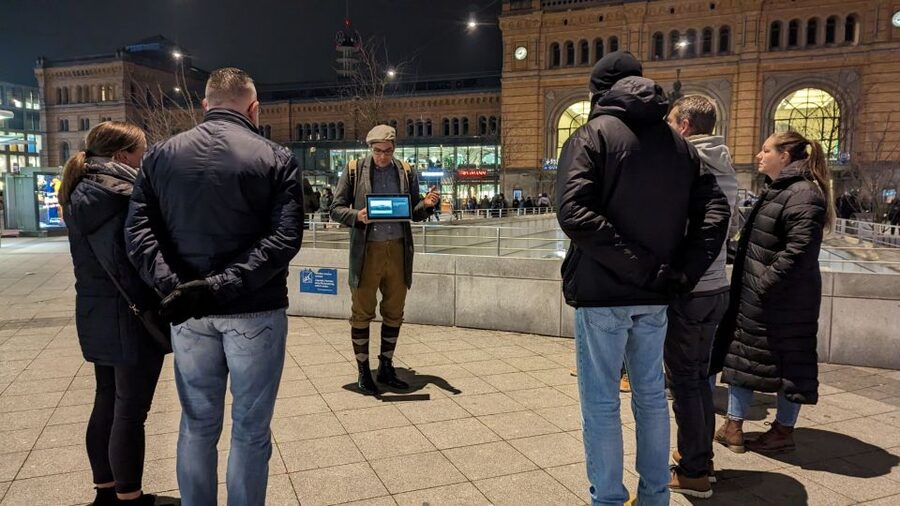
The price is $35 per person, and it covers the guided tour. Drinks are not included, though beer or sparkling wine can be served for an additional 3.50 euros per person.
For the cost, you are paying for a specialized local history walk rather than a broad introduction to Hannover. The tour lasts two hours and visits several places tied directly to the Haarmann case. If the subject interests you, the focused approach offers good value.
The price is less appealing if you are only looking for a general orientation to Hannover. This is not a highlights tour covering the major churches, museums, and public squares. It is built around one disturbing case, with the Old Town serving as the setting.
The optional drink can add a social note, but it is not part of the basic price. I would treat it as an extra, not a reason to book. The main value is the guide’s explanation and the connection between the sites.
The booking terms are friendly for uncertain plans. You can reserve now and pay later, and cancellation is allowed up to 24 hours before the start for a full refund. Check the available departure times before booking, since the tour runs for two hours and starting times can vary.
Who should book this walking tour
I would recommend Fritz Haarmann, Die Mördertour to:
- German-speaking visitors with an interest in crime history
- People who want a focused story tied to real Hannover locations
- Visitors interested in the social and political side of famous criminal cases
- Returning visitors who have already seen Hannover’s standard sights
- Those who prefer a guided walk and discussion over a museum display
- Adults comfortable with disturbing subject matter
I would think twice if you are traveling with young children, dislike graphic crime stories, or want a cheerful introduction to the city. The tour is also a poor fit if you cannot follow German.
It may work well as a second Hannover activity rather than your only city tour. The route gives you an unusual view of the Old Town, but it will not explain all of Hannover’s main attractions. Pair it with a separate general sightseeing walk if you want a fuller picture of the city.
Practical details before you go
Meet at the Ernst-August statue by Hannover’s main station, under the horse’s tail, five minutes before departure. The start point is known locally as Unterm Schwanz.
The walk lasts two hours and ends after the Old Town route and case-related stops. The guide speaks German, and the activity is listed as wheelchair accessible.
The tour is operated by Hendrik Seiffert. Since the subject depends heavily on spoken storytelling, arrive ready to listen. You may also want to keep the questions you have about the case in mind, since time is provided for discussion.
The experience has a rating of 4.6 from 41 ratings. The most consistent strengths are the clear delivery, useful background information, engaging pace, and the chance to ask questions. Those are exactly the qualities that matter most on a story-driven walking tour.
Should you book Fritz Haarmann, Die Mördertour?
Book it if you want a serious, place-based account of one of Germany’s most notorious criminal cases and you understand German well. The former murder house site, the burial location, and the discussion of the case’s political impact give the walk more substance than a simple retelling of crimes.
Skip it if you want light sightseeing, a multilingual tour, or a broad introduction to Hannover. The subject is bleak, and the locations are explained rather than preserved as attractions.
At $35 for two hours, I consider it a reasonable choice for an interested visitor. The real question is not the price. It is whether you want to spend part of your Hannover visit with a difficult story. If the answer is yes, this tour offers a clear route, strong historical framing, and a direct connection to the city’s past.
FAQ
Where does Fritz Haarmann, Die Mördertour begin?
The tour begins at the Ernst-August statue outside Hannover’s main train station, at the place known as Unterm Schwanz, or Under the Tail.
How long does the tour last?
The walking tour lasts two hours.
What language is the tour in?
The live guide speaks German. No other tour language is listed.
What places does the tour visit?
The route begins at Hannover’s train station and continues into the Old Town. It includes the site of the former murder house and the place where Haarmann buried the bones of his victims.
Is the tour wheelchair accessible?
Yes. The activity is listed as wheelchair accessible.
Can I cancel or pay later?
You can reserve now and pay later. Cancellation up to 24 hours before the tour allows a full refund.
Just added around Germany
- From Berlin: Gardens & Palaces of Potsdam Bike Tour★ 5.0 · 61 reviews
- Berlin: Battle for Seelow Heights WW2 tour -Clash of Titans★ 5.0 · 27 reviews
- From Amsterdam: Cologne Private Sightseeing Tour★ 5.0 · 4 reviews
- From Berlin: Historical Gems of Potsdam Private Day Trip★ 4.4 · 4 reviews
- Freiburg: Veni, vidi, vino – wine hike and tasting★ 4.5 · 144 reviews
- From Alken: Return Day Trip by Boat to Cochem★ 4.6 · 141 reviews
- Freiburg: Tour of the city with cathedral visit★ 4.7 · 167 reviews
- Friedrichshafen: Zeppelin Museum Entry Ticket★ 4.1 · 83 reviews
Hanover Tours, compared.



Browse the lists this tour appears in