
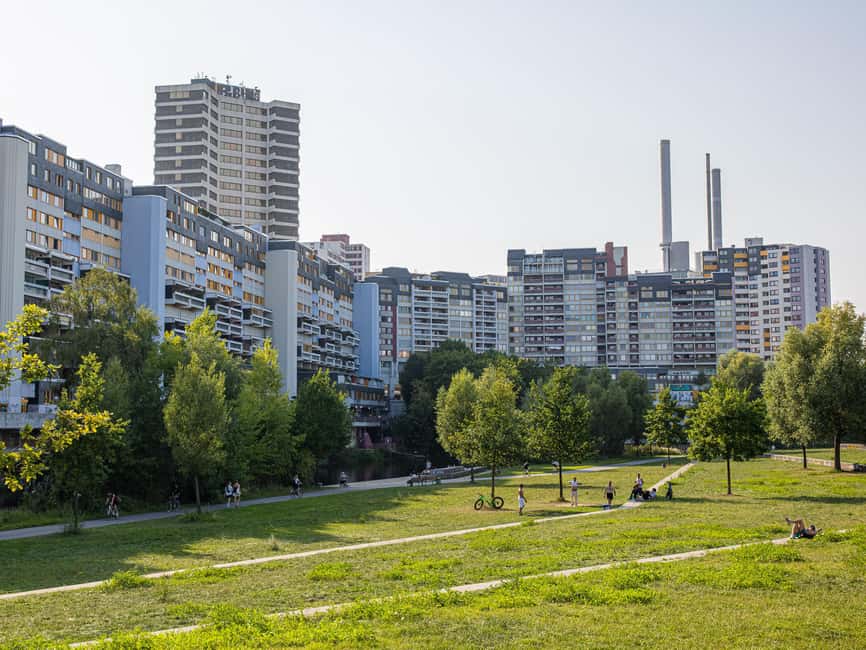
Review · HANOVER TOURS
Hanover: Crime Walking Tour
Hanover’s past gets much darker once you look beyond its grand squares and familiar landmarks. This two-hour crime walk connects real murder cases, robberies, fraud, prison history, and political violence with the streets where events unfolded.
I like the focus on original locations, especially the stops linked with Fritz Haarmann and Jasper Hanebuth. I also like that the guide adds ordinary Hanover sights, so the tour is not just a chain of grim stories. The main limitation is language: the tour is conducted in German, and the material is not suitable for children under 16.
- Fritz Haarmann’s Hanover: Learn how the notorious murderer operated and why he was also used as a police informer.
- Jasper Hanebuth’s legend: Visit the Hanebuth-Gang area and hear the story of his robbery murders and supposed camp.
- Real city locations: The route includes Georgsplatz, Leibnizufer, Clevertor Prison, and Kröpcke.
- More than murder: Cases include fraud, a husband killer, a family killer, the Königsmarck affair, and an IRA attack.
- A walk with local context: Your guide covers major Hanover sights alongside the criminal cases.
- Simple, flexible planning: The tour costs $19 per person, lasts two hours, and allows cancellation up to 24 hours before the start.
Why Hanover’s crime past makes a good walking tour

Crime stories work especially well on foot because the setting matters. A courtroom summary can tell you what happened, but standing in the same city center where a suspect lived, worked, or was captured gives the story a clearer shape.
This tour uses Hanover itself as the setting. You move through the city center and old town, passing squares, streets, a riverfront, a former prison site, and busy public spaces. The guide links these places to cases from different periods instead of presenting one single crime story from start to finish.
That variety matters. You hear about murderers such as Fritz Haarmann and Christian Friedrich Lorenz, but also about fraud, political violence, old aristocratic scandal, and robbery. The result should suit you if you want a walking tour with a strong theme but still want to see some of central Hanover along the way.
The tone is not designed for young children. The minimum age is 16, and the subject matter includes murder and disturbing criminal acts. If you prefer light sightseeing, this is probably not the right introduction to Hanover. If you enjoy historical mystery and hard-edged local stories, the format offers something different from a standard city tour.
Starting at Hannover Tourism
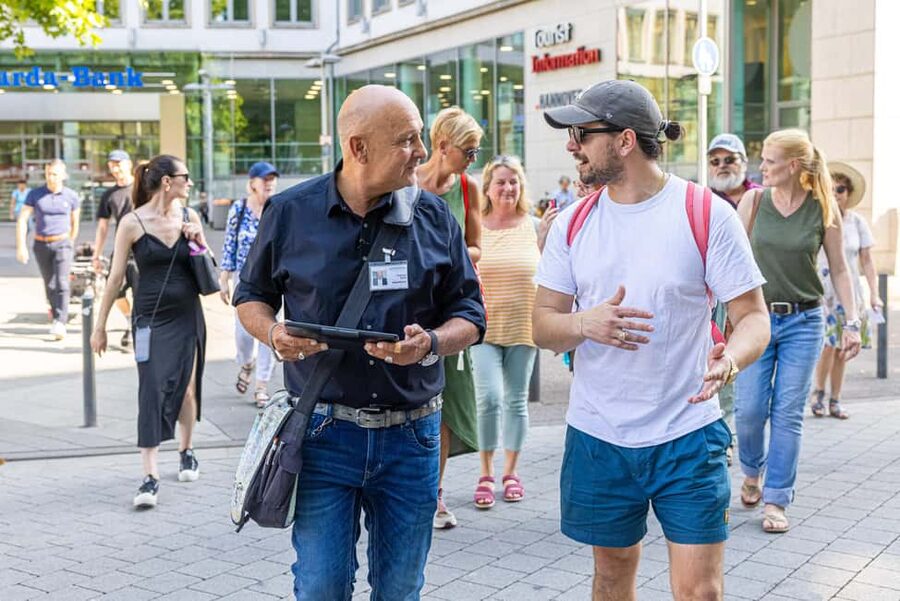
The walk begins at the Hannover Tourism information point. This is useful for first-time visitors because the tour starts from a recognizable visitor hub rather than an obscure side street.
You should arrive ready to walk for two hours. Comfortable shoes are the one item specifically recommended, and that advice is worth following. The route moves through central Hanover and the old town, with several named stops rather than one indoor presentation.
The tour runs in rain or shine. Bring weather protection when needed, since the experience takes place outdoors. The walk ends back at the starting point, which makes it easier to continue sightseeing or return to your accommodation without arranging transport from a distant neighborhood.
The guide speaks German. If you are comfortable following German storytelling, you can expect the cases to be explained on location. If you do not understand German, the tour will be difficult to follow, since the criminal background is the main reason to book it.
More walking tours in Germany:
- Discover Berlin Half-Day Walking Tour
★ 5.0 · 9,624 reviews - Berlin: Third Reich and Cold War 2 Hour Walking Tour
★ 4.9 · 6,830 reviews - Munich: Third Reich & WWII Walking Tour
★ 4.6 · 6,181 reviews
Georgsplatz and the city center cases
Georgsplatz is one of the early city-center settings on the route. Here, the tour begins to show how Hanover’s public streets connect with private crimes and old scandals.
The case list includes the jeweler Düe and the Mauss case. This part of the walk adds fraud and criminal investigation to the better-known murder stories. That balance is helpful because a tour built only around killers can become repetitive. Cases involving money, deception, and police work give the route a wider range.
You also receive information about Hanover’s well-known sights as you move between crime locations. This is a practical feature for anyone new to the city. You are not expected to choose between a themed tour and basic orientation. The guide uses the walk to point out the city’s main places while explaining what happened there or nearby.
Do not expect a full architectural tour. The criminal cases are the main subject. Still, the added sight information helps you place Hanover’s center in context and gives you something to notice between the darker stories.
Leibnizufer and the body in the Leine
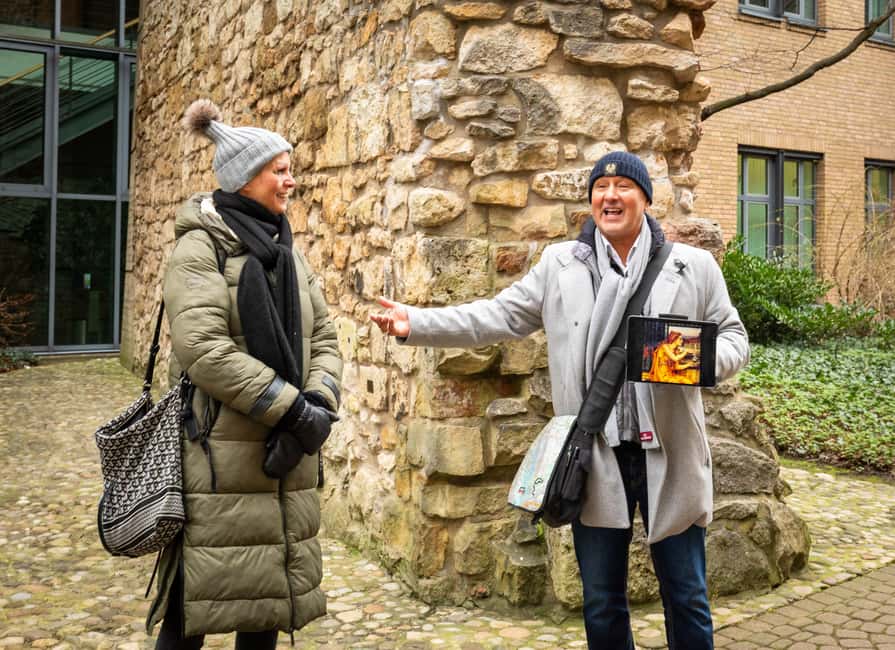
Leibnizufer brings the route to the riverfront. This is where the tour raises one of its most striking questions: what was behind the discovery of a body in the Leine?
The location gives the story a physical setting. A river is not just scenery here. It helps explain why certain places could become linked with concealment, discovery, rumor, or police work. You can look at the river while the guide explains the case and its connection to Hanover’s criminal past.
This stop also shows why the tour works better in person than as a list of names. The guide can point out the actual surroundings, helping you understand distances and the relationship between the river and nearby parts of the city.
The story may be unsettling, and that is part of the experience. This is not a polished ghost walk built around harmless legends. The tour mixes documented cases with local stories and questions that have stayed in Hanover’s memory.
Hanebuth-Gang and the legend of Jasper Hanebuth

Jasper Hanebuth is one of the central figures on the walk. He is presented as a robber and murderer, with the route passing Hanebuth-Gang and addressing the legend of where his camp was located.
The word legend is important. You should expect the guide to separate known criminal history from stories that have grown around a notorious figure. That distinction makes the stop more useful than a simple retelling of an old tale.
Hanebuth’s story also adds a different period and mood to the tour. Unlike the modern associations tied to some of the later cases, this part points toward an older Hanover, where local roads, camps, and execution-related stories helped shape public memory.
Hanebuth-Gang is a compact stop, not a museum visit. There is no separate attraction included here, so the value comes from the guide’s explanation and your ability to see the setting directly. You will get the most from it if you pay attention to how the guide connects the street name, the alleged camp, and the robbery murders.
A few more Germany half-days to weigh up
- Hannover: Guided Old Town Walking Tour
★ 4.5 · 338 reviews - Hannover: 24-Hour Hop-On Hop-Off Sightseeing Bus Ticket
★ 4.2 · 298 reviews - Hanover: SEA LIFE Entry Ticket
★ 4.1 · 160 reviews - Fritz Haarmann – Die Mördertour
★ 4.6 · 41 reviews
Clevertor Prison and the machinery of justice

Clevertor Prison provides a change of focus. Instead of looking only at offenders and victims, the route also considers the places used to confine criminals.
A prison site helps you think about how Hanover dealt with crime in earlier periods. It gives the tour a wider frame, moving from the act itself to arrest, imprisonment, punishment, and public response. The stop should be especially useful if you are interested in how a city’s justice system shaped its streets.
The tour does not advertise an interior prison visit. You should treat Clevertor as a location viewed during the walk, with the guide supplying the historical context.
This is also one of the places where claustrophobia may matter. The activity is listed as unsuitable for people with claustrophobia, so you should take that warning seriously. The available information does not describe exactly which part of the route creates the concern, but anyone uncomfortable with enclosed settings should ask before booking.
Fritz Haarmann, murderer and police informer
Fritz Haarmann is likely to be the best-known name on the tour. The route explains where he got up to mischief and examines his unusual relationship with the police, since he was both a murderer and a police informer.
That combination makes Haarmann’s story more complicated than a standard villain profile. You hear not only about his crimes but also about the way authorities interacted with him. It raises uncomfortable questions about trust, information, and institutional failure.
The original locations give the story more weight. You are not simply hearing a biography in a meeting room. You are walking through the same central Hanover setting associated with the case, with the guide pointing out the relevant places.
This section may be the most disturbing part of the tour. The activity is intended for people aged 16 and older, and that age rule is sensible given the subject. Parents looking for a family activity should choose another city walk.
Christine Fricke and Christian Friedrich Lorenz
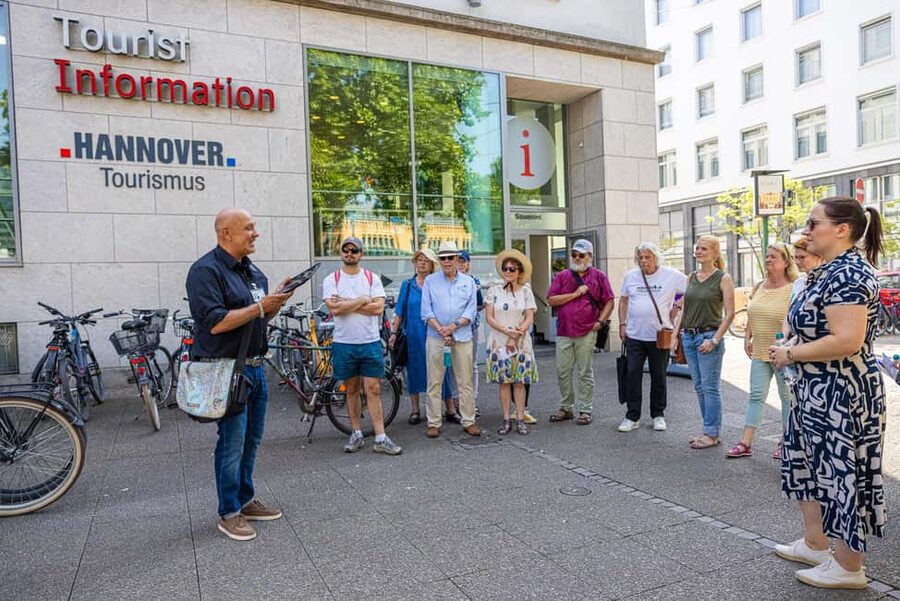
The tour also includes Christine Fricke, described as a husband killer, and Christian Friedrich Lorenz, described as a family killer. These cases bring attention to crimes within households rather than only street robbery or public violence.
Their inclusion broadens the picture of criminal history. It shows that the tour is not limited to famous male criminals. You hear about different motives, relationships, and forms of violence, with the guide using Hanover’s streets to connect private events with the wider city.
The case titles are stark, so you should expect direct subject matter rather than a softened version. The tour may suit you if you want serious historical storytelling. It may not suit you if graphic or domestic crime topics are upsetting.
Because the tour lasts two hours, the guide cannot provide a full legal or social history of every case. Instead, expect selected stories tied to specific places, with enough city context to keep the route moving.
The Königsmarck affair and the Mauss case

The Königsmarck affair adds a different sort of crime story, rooted in scandal and intrigue rather than a modern police investigation. Its place among the other cases helps show how the meaning of crime changes over time.
The Mauss case and the jeweler Düe story bring the route back to fraud and financial crime. These stops are valuable because they break up the murder cases and show that criminal history includes deception, reputation, money, and social power.
You may find this mix more engaging than a tour that follows one notorious killer for the entire afternoon. At the same time, the range means the tour may not explore every case in equal detail. If one particular name interests you, think of the walk as an introduction rather than a specialist seminar.
Kröpcke and the IRA attack
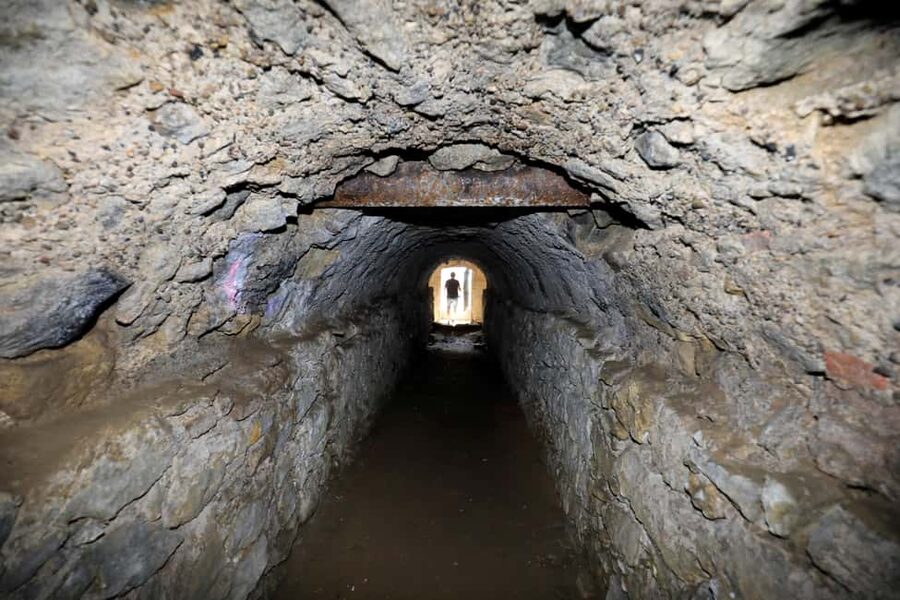
Kröpcke is another major stop on the central Hanover route. It is also tied to the entry listed as 07/03/1989, when the IRA claimed responsibility for an attack against the British.
This brings political violence into the tour and moves the subject beyond historic murder and robbery. A public city-center location can look ordinary today, which makes the guide’s explanation useful. You see how places used for everyday activity can also become linked with conflict and security concerns.
The case adds a more recent chapter to the walk. Together with Haarmann, Hanebuth, and the older Königsmarck affair, it gives you a broad time span rather than a narrow look at one era.
Kröpcke is also a practical orientation point. If you are still learning Hanover, you will recognize one of the city’s key central places while hearing a story that many standard sightseeing walks would leave out.
What you get for $19
At $19 per person, the tour is priced below many long guided city experiences, but value depends on your interest in the theme and your ability to follow German.
You are paying for two hours with a live guide, a route through central Hanover, explanations at original locations, and added information about major sights. There is no museum admission, meal, transport, or extra attraction included. That keeps the price simple, but it also means the guide’s storytelling is the main product.
I consider the price fair if you want a focused introduction to Hanover’s criminal past. The cost is easier to justify because the tour combines several cases with city orientation instead of taking you to one location and ending there.
The booking terms are flexible. You can reserve now and pay later, and cancellation is allowed up to 24 hours before the start for a full refund. Starting times vary, so you need to check availability for your date.
Who should book this walk
I would choose this tour if you have already seen a few standard city sights and want a different way to understand Hanover. It is also a good fit for people who like historical investigations, local legends, police stories, and the darker side of urban history.
It suits older teenagers and adults, solo visitors, couples, and small groups who enjoy discussion. The tour can also work for Hanover residents. The format includes active participation, and the walk’s mix of familiar sights and lesser-known criminal stories can reveal details even to someone who already knows the city.
I would skip it if you need an English-language tour, dislike serious crime stories, or want a relaxed architectural walk. You should also think carefully about the claustrophobia warning and the rain-or-shine format.
Practical advice before you go
Wear comfortable shoes and dress for outdoor conditions. The route lasts two hours, and no indoor alternative is promised if the weather changes.
Arrive at the Hannover Tourism information point with enough time to find the meeting place. Since the tour ends there, you can plan another central activity afterward without building in a complicated transfer.
The guide speaks German, so check your language comfort before paying. The cases depend on detail, names, and explanation. You will get far more from the walk if you can follow spoken German at a steady pace.
Keep your expectations realistic. This is a guided walking tour, not a theatrical show, museum exhibition, or crime-scene reenactment. Its strongest feature is the connection between the guide’s account and the real Hanover locations around you.
Should you book the Hanover Crime Walking Tour?
Book it if you want two hours of unusual Hanover history for $19 and you are comfortable with a German-speaking guide. The combination of Haarmann, Hanebuth, the Königsmarck affair, the Düe and Mauss case, Clevertor Prison, and the 1989 IRA attack gives the walk more range than its crime theme first suggests.
The best reason to go is the location-based storytelling. The route lets you see Georgsplatz, Leibnizufer, Hanebuth-Gang, Clevertor Prison, and Kröpcke while learning why each place matters.
Skip it for a family outing with younger children or for a gentle introduction to Hanover. For the right audience, though, this is a useful, affordable way to see the city through its most unsettling stories.
FAQ
Where does the Hanover Crime Walking Tour start?
The tour starts at the Hannover Tourism information point.
Where does the tour end?
The activity ends back at the meeting point.
How long does the tour last?
The walking tour lasts two hours.
What language is the tour conducted in?
The live tour guide speaks German.
How much does the tour cost?
The price is $19 per person.
What locations are included on the route?
The route passes Georgsplatz, Leibnizufer, Hanebuth-Gang, Clevertor Prison, and Kröpcke.
Which criminal cases are covered?
The tour covers the jeweler Düe and Mauss case, Christine Fricke, the Königsmarck affair, Jasper Hanebuth, Fritz Haarmann, Christian Friedrich Lorenz, and the IRA attack of July 3, 1989.
Is the tour suitable for children?
No. It is not suitable for children under 16.
What should you bring, and does the tour run in bad weather?
Bring comfortable shoes. The tour takes place rain or shine.
Just added around Germany
- From Berlin: Gardens & Palaces of Potsdam Bike Tour★ 5.0 · 61 reviews
- Berlin: Battle for Seelow Heights WW2 tour -Clash of Titans★ 5.0 · 27 reviews
- From Amsterdam: Cologne Private Sightseeing Tour★ 5.0 · 4 reviews
- From Berlin: Historical Gems of Potsdam Private Day Trip★ 4.4 · 4 reviews
- Freiburg: Veni, vidi, vino – wine hike and tasting★ 4.5 · 144 reviews
- From Alken: Return Day Trip by Boat to Cochem★ 4.6 · 141 reviews
- Fritz Haarmann – Die Mördertour★ 4.6 · 41 reviews
- Freiburg: Tour of the city with cathedral visit★ 4.7 · 167 reviews
Hanover Tours, compared.



Browse the lists this tour appears in