
Review · DORTMUND TOURS
Dortmund: German Football Museum
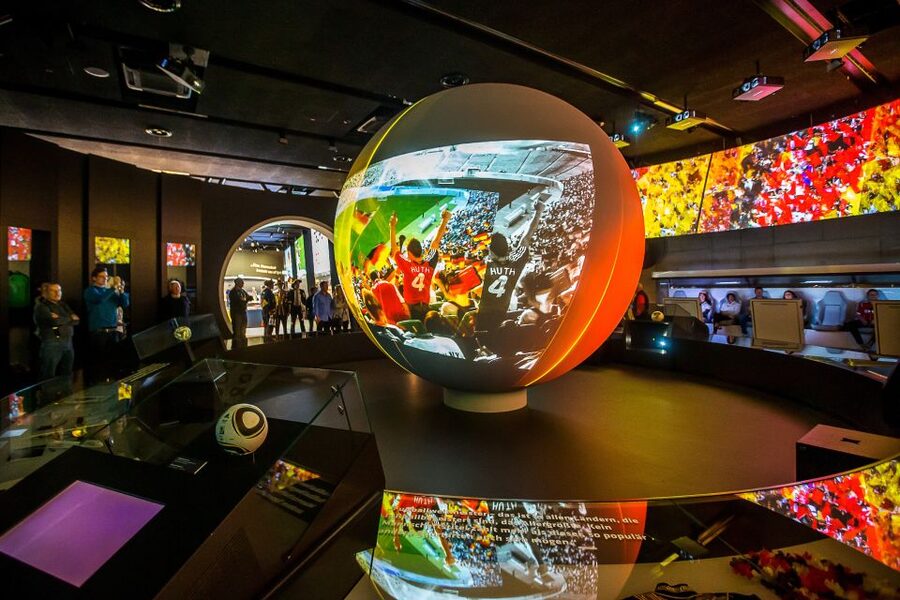
The German Football Museum turns football history into a hands-on show. You can revisit the Miracle of Bern, meet Germany’s 2014 world champions in a 3D cinema, then step into a reporter’s booth and call the action yourself. It is part museum, part play space, and part celebration of the sport’s many sides.
I like the mix of serious history and simple fun. The collection of around 1,600 exhibits gives devoted fans plenty to study, while the reporter cabin and small playing field keep children involved. The main drawback is clear: if football does not interest you, the museum’s full-day validity may not make the $23 admission worthwhile.
Key points to know
- Relive the Miracle of Bern: One of Germany’s most important football moments gets a central place in the museum experience.
- Call the match yourself: The Sky Reporter Room lets you try the work of a football commentator.
- See the 2014 champions in 3D: The cinema gives Germany’s most recent men’s World Cup triumph a strong visual finish.
- Let children play: A small field in the multifunctional arena gives younger visitors a chance to kick and shoot.
- Explore 1,600 exhibits: The collection covers fans, referees, amateur teams, professional players, women’s football, and men’s football.
- Plan a food break: Dining choices are available for your half-time pause, though food and drinks are not included in admission.
A football museum built for more than spectators

At Platz der Deutschen Einheit 1 in Dortmund, the German Football Museum presents the sport as a part of German life, not just a sequence of scores. The exhibition brings together players, fans, referees, amateurs, professionals, women’s teams, and men’s teams.
That broad view matters. You are not being shown only trophies and famous shirts. The presentation aims to show how football works at every level, from a child kicking a ball to a referee making a hard call and a commentator describing a decisive moment.
The museum uses modern display methods rather than relying only on glass cases. Around 1,600 exhibits form the backbone of the visit, but the real appeal comes from how you interact with them. The scenography, or the way the exhibition spaces are staged, gives the museum a more active feel than a traditional sports archive.
I would set aside several hours if you want to take your time. The ticket is valid for one day, so you do not have to rush through every display in a single short visit. At the same time, the activity has no stated guided tour, and guide service is not included. You should expect to make your own way through the exhibition.
More museums and galleries in Germany:
- Berlin: Jewish Museum Berlin Entrance Ticket
★ 4.5 · 8,393 reviews - Berlin: DDR Museum Tickets
★ 4.3 · 3,443 reviews - Berlin: Natural History Museum Entrance Ticket
★ 4.6 · 3,382 reviews
Starting with German football’s defining moments
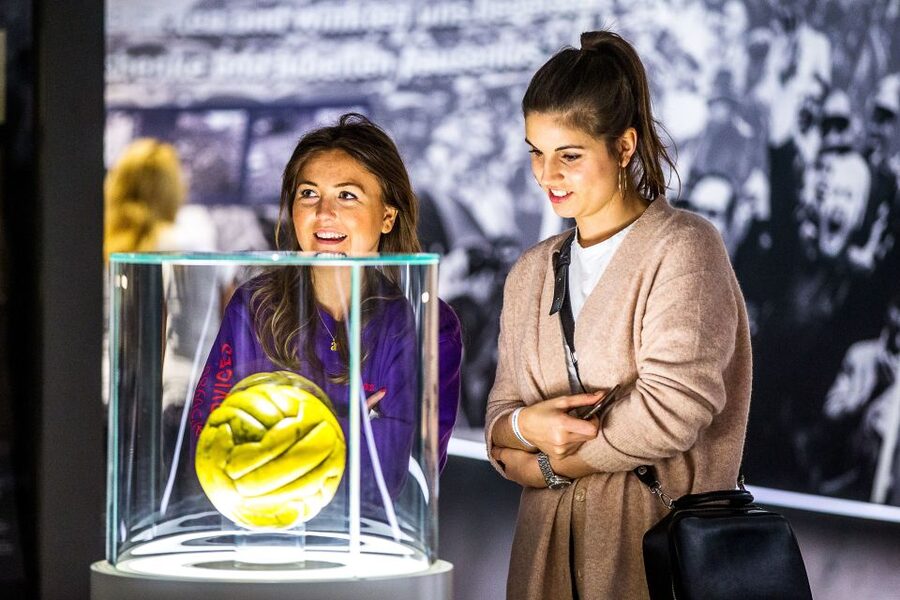
The museum’s historical displays give you a way to place German football in time. The highlight for many visitors will be the section devoted to the Miracle of Bern, Germany’s unexpected 1954 World Cup victory.
That moment carries more weight than a simple final score. It is remembered as a turning point in German football and is presented here as a major part of the national story. If you know the basic outline, the museum helps put the event into a larger setting. If you do not, the exhibition gives you a clear reason to learn why the match still matters.
The museum does not stop with one famous win. Its subject is German football in all its forms, so you can expect the collection to move across different eras, teams, and roles. The broad scope is useful for families or groups with different interests. One person can focus on the national team, another can look at the fan culture, and a child can head toward the play areas.
The drawback is that the supplied information does not provide a room-by-room route or a detailed list of individual objects. You will know the main themes before arriving, but not exactly which shirts, balls, photographs, documents, or trophies appear in each section. If you want a tightly defined historical tour, the museum’s large scope may feel less focused.
Meeting the 2014 world champions in 3D
A 3D cinema presentation brings the 2014 world champions into the visit. This is a good change of pace after historical displays because it shifts the subject from older memories to a victory many football fans still remember clearly.
The cinema format also gives the museum a stronger emotional center. You are not only reading about a team. You are seeing the champions presented through moving images, which can make the achievement easier to connect with, especially for younger visitors who may not know the older matches.
This stop should suit fans who follow international football, but it also works as a shared family moment. A parent can explain why the 2014 title was important while children watch the action in a more engaging format than a wall of text.
The exact running time and screening schedule are not provided, so check the day’s availability when you arrive. You should also avoid planning your entire visit around one precise cinema showing unless the museum confirms the times in advance.
Taking the microphone in the Sky Reporter Room
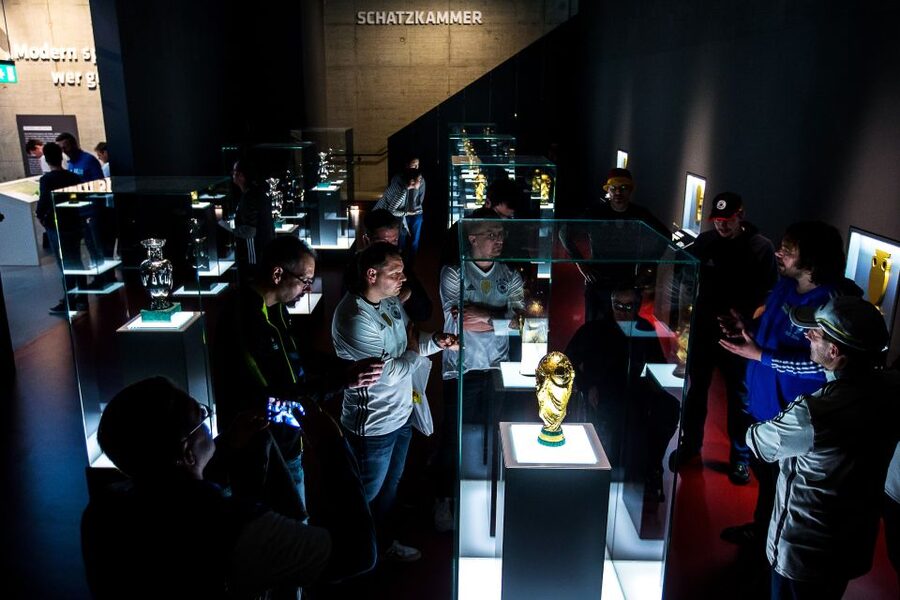
The Sky Reporter Room is one of the museum’s most personal activities. Instead of watching a commentator work, you get to try it yourself.
This is a smart feature because football commentary is easy to recognize but harder to perform. A good commentator must react quickly, describe movement, build tension, and make a match understandable to someone who cannot see every detail. The reporter cabin gives you a quick taste of that job without requiring specialist knowledge.
I especially like this feature for groups. Football fans can test their skills, while people who usually stay quiet during matches can have a laugh trying to describe the action. It adds a playful layer to the museum and gives you something to do, not just something to read.
You should not expect a private, formal recording session or coaching from a named presenter. No guide or individual host is specified, so treat the room as a self-directed interactive station. It is best approached as a short, memorable activity within the larger visit.
A few more Germany half-days to weigh up
- BVB Signal Iduna Park: Stadium Access and Self-Guided Tour
★ 4.4 · 2,332 reviews - Dortmund: Borusseum Borussia Dortmund Museum Entry Ticket
★ 4.6 · 315 reviews - Dortmund: Phoenix des Lumières Ticket – Monet
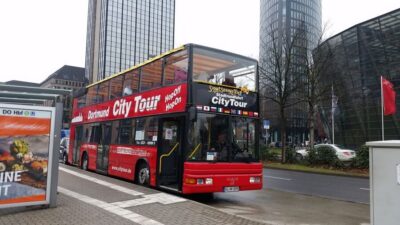
★ 4.2 · 194 reviews - Dortmund: 24-Hour Hop-On Hop-Off Sightseeing Bus Ticket
★ 4.1 · 161 reviews
Letting children take the field
The multifunctional arena includes a small playing field where children can kick a ball and test their football skills. This is a major reason to consider the museum for a family day rather than treating it as a quiet exhibition for adults.
The play area breaks up the historical material. Younger children may not spend long reading about the Miracle of Bern or examining a large collection, but they can stay engaged if the visit includes a chance to move and play.
The wording points specifically to children, so adults should not assume this is a full-size football pitch or a long sporting session. It is a small field within the exhibition, designed as one part of the visit. The museum’s main subject remains football history and culture.
For families, I would use the playing field as a planned pause instead of saving it for the last minute. Children often enjoy the visit more when they know an active section is coming. It also gives adults time to look at nearby displays while younger members of the group have a clear task.
Football shown from every side
The museum’s strongest idea may be its effort to connect different parts of the sport. Fans and referees appear alongside amateurs and professionals. Women’s football is included with men’s football. That approach helps you see football as a network of people and roles rather than a stage reserved for famous stars.
This balance is valuable because many football museums focus too heavily on elite victories. Here, the stated themes suggest a wider view of the game, including the people who play at local and amateur levels and those who support, officiate, and explain it.
I would pay attention to how the exhibition links the pitch with the stands. The fan experience is part of football’s identity, and the referee’s role reminds you that every match depends on rules and decisions as much as skill. These details can make the visit worthwhile even if you are not devoted to one club or national team.
The information available does not list the exact representation given to each area. You should therefore treat this as a museum with broad coverage, not a promise that every club, decade, or competition receives equal space.
What $23 gets you
Admission costs $23 per person and includes access to the German Football Museum. Food and drinks are extra, and no guide is included.
For a committed football fan, that price can be good value because the ticket covers a full day rather than a short timed activity. You can move at your own pace, return to displays, spend time in the interactive rooms, and fit in a food break. The 3D cinema, reporter cabin, and playing field also give the ticket more range than a collection made only of static exhibits.
For a casual visitor, the calculation is different. The museum is built around German football, so the value depends on your interest in the sport and its national story. If you are visiting Dortmund with someone who does not care for football, the hands-on features may help, but they may not justify the cost on their own.
The ticket includes skip-the-line access, which can save time on a busy day. Exact opening hours and starting times are not supplied here, so check availability before booking. The activity is valid for one day, giving you useful flexibility once you have chosen your date.
You can also reserve now and pay later, and cancellation is free up to 24 hours before the visit for a full refund. Those terms are helpful if your Dortmund plans are still changing.
Planning your visit at Dortmund’s city-center address
The meeting point is Platz der Deutschen Einheit 1, 44137 Dortmund. Put that full address into your navigation app rather than relying only on the museum name, especially if you are arranging a tight day in the city.
Because the ticket is valid for one day, you have room to build your schedule around the museum. You might visit in the morning, take a half-time food break, and continue afterward. Dining options are available for that pause, but your admission does not cover the meal.
No transport details are provided, so you should confirm your route before setting out. The location is in Dortmund, in northern Germany, but the supplied information does not state travel times from the main station or nearby landmarks.
Allow extra time if you are visiting with children. The small playing field and reporter room can slow your progress in a good way, while the historical displays may take longer if you want to examine the exhibits closely.
Who will enjoy it most
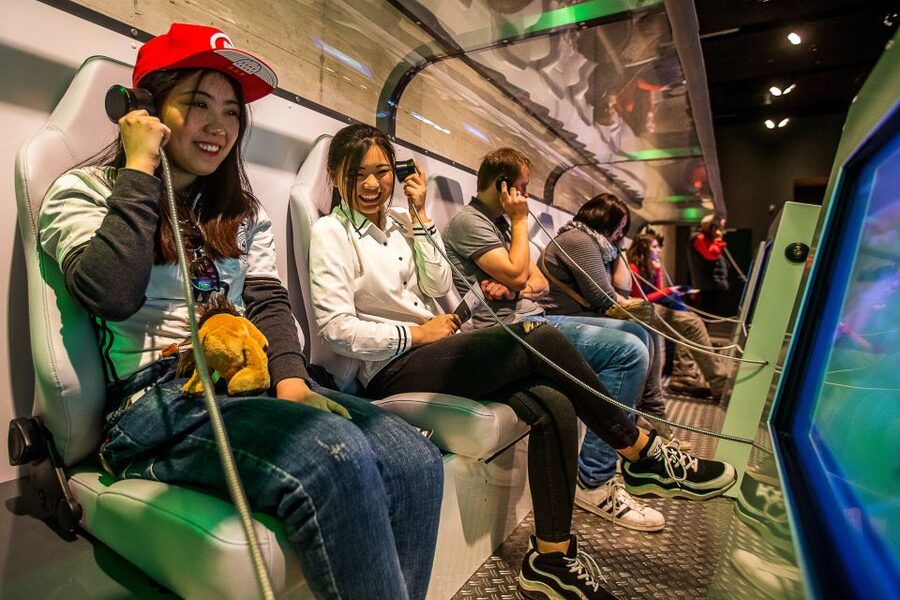
The museum is an easy choice for football fans who want more than a stadium tour. It brings together major victories, national-team memories, sporting roles, and interactive activities in one place.
Families are also well served. Children have a clear reason to stay engaged through the small pitch, while adults can spend time with the historical displays and 3D cinema. The mix works best when everyone is comfortable sharing a visit that shifts between reading, watching, and playing.
It also suits visitors who want an indoor activity that can fill much of a day. Since the ticket remains valid for one day, you are not forced into a quick circuit.
I would be more cautious if football is only a minor interest in your group. The museum may still offer an entertaining hour or two, but the $23 price and football-specific focus make it less useful as a general Dortmund attraction.
Should you book the German Football Museum?
Book it if you care about German football, want to revisit the Miracle of Bern, or are looking for a family-friendly museum with hands-on features. The 1,600 exhibits, 2014 3D presentation, Sky Reporter Room, and children’s playing field give the visit a good mix of context and action.
Skip it if your group has little interest in football or if you need a guided tour with a named expert. No guide is included, and the exact exhibition route is not provided.
For most football fans, $23 is a fair price for a full-day ticket in Dortmund. The best plan is to allow several hours, keep time for the interactive areas, and use the museum’s dining options for a mid-visit break.
FAQ
Where is the German Football Museum?
The museum is at Platz der Deutschen Einheit 1, 44137 Dortmund, Germany.
How much does admission cost?
Admission costs $23 per person.
What does the ticket include?
The ticket includes access to the German Football Museum.
Is a guide included?
No. A guide is not included with the admission.
How long is the ticket valid?
The ticket is valid for one day.
Can I cancel my booking?
Yes. You can cancel up to 24 hours in advance for a full refund.
Are food and drinks included?
No. Food and drinks are not included, but dining options are available for a half-time break.
Just added around Germany
- From Berlin: Gardens & Palaces of Potsdam Bike Tour★ 5.0 · 61 reviews
- Berlin: Battle for Seelow Heights WW2 tour -Clash of Titans★ 5.0 · 27 reviews
- From Amsterdam: Cologne Private Sightseeing Tour★ 5.0 · 4 reviews
- From Berlin: Historical Gems of Potsdam Private Day Trip★ 4.4 · 4 reviews
- Freiburg: Veni, vidi, vino – wine hike and tasting★ 4.5 · 144 reviews
- From Alken: Return Day Trip by Boat to Cochem★ 4.6 · 141 reviews
- Fritz Haarmann – Die Mördertour★ 4.6 · 41 reviews
- Freiburg: Tour of the city with cathedral visit★ 4.7 · 167 reviews
Dortmund Tours, compared.

BVB Signal Iduna Park: Stadium Access and Self-Guided Tour
Read our review →
Borusseum Borussia Dortmund Museum Entry Ticket
Read our review →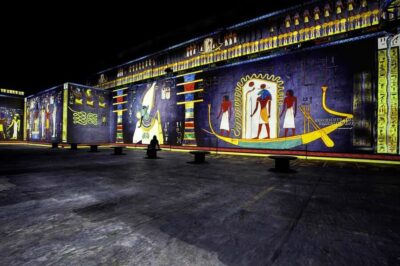

Browse the lists this tour appears in