
Review · COLOGNE TOURS
Cologne: Ticket for the German Sport & Olympia Museum
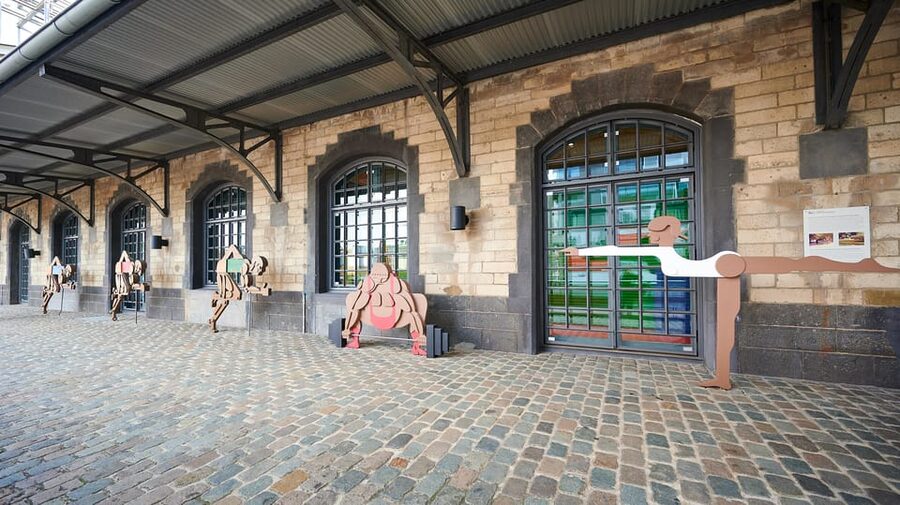
The German Sport & Olympia Museum turns sport into something you can see, touch, and try. Inside a former 1896 customs hall beside the Rhine, you move from ancient Greek athletics through modern competition, then test your own skills at activity stations. I especially like the original ZDF goal wall and the chance to pedal in a wind tunnel. The roof playgrounds add a rare outdoor break, with city views included.
This is a strong pick for families because children are not expected to quietly inspect glass cases all day. You can borrow footballs and basketballs for the play areas, and the museum presents both sporting triumphs and the less cheerful side of competition. The main consideration is simple: if you want a guided tour, this ticket does not include one, and the most popular activity areas can feel crowded when several people want the same game.
Key points at a glance
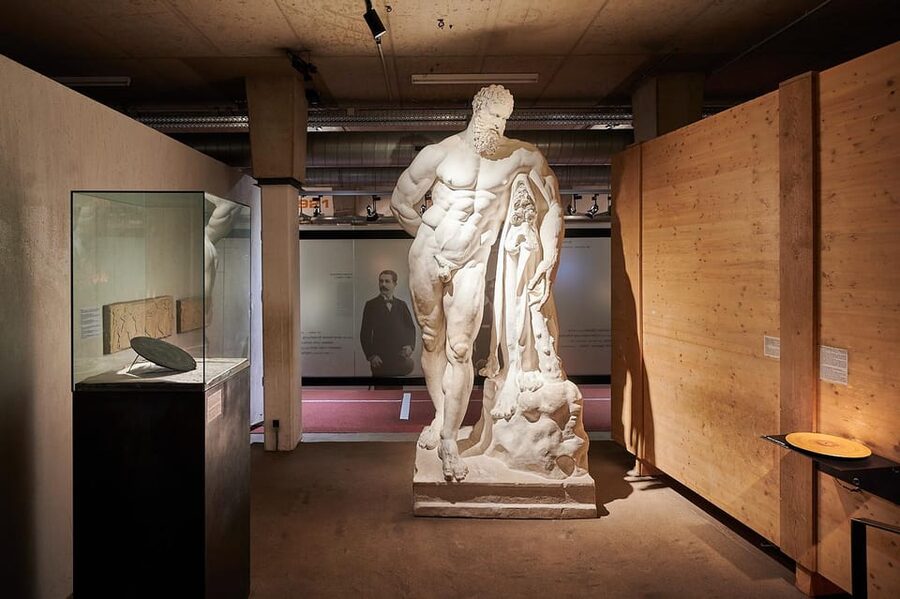
- Sport from ancient Greece to today: Follow the story across around 2,700 square meters.
- Hands-on stations: Try the original ZDF goal wall and cycle in a wind tunnel.
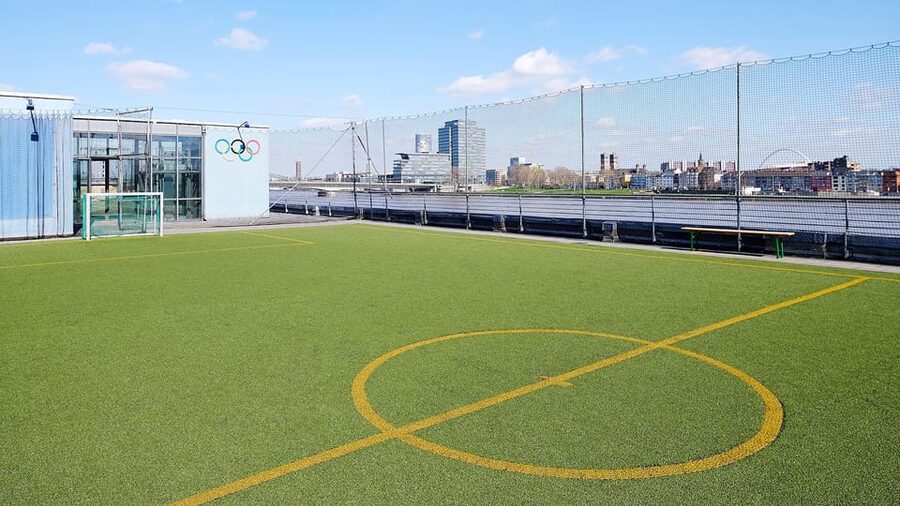
- Two rooftop play areas: Let children burn off energy while you enjoy Rhine views.
- Around 2,000 objects: The displays cover victories, defeats, politics, society, and sport’s risks.
- Sports equipment included: Borrow footballs, basketballs, and other equipment for dedicated areas.
- Good family value: A single adult ticket is listed at $12, while a family ticket for two adults and two children costs 25 euros when bought at the museum.
A sports museum in an old Rhine customs hall
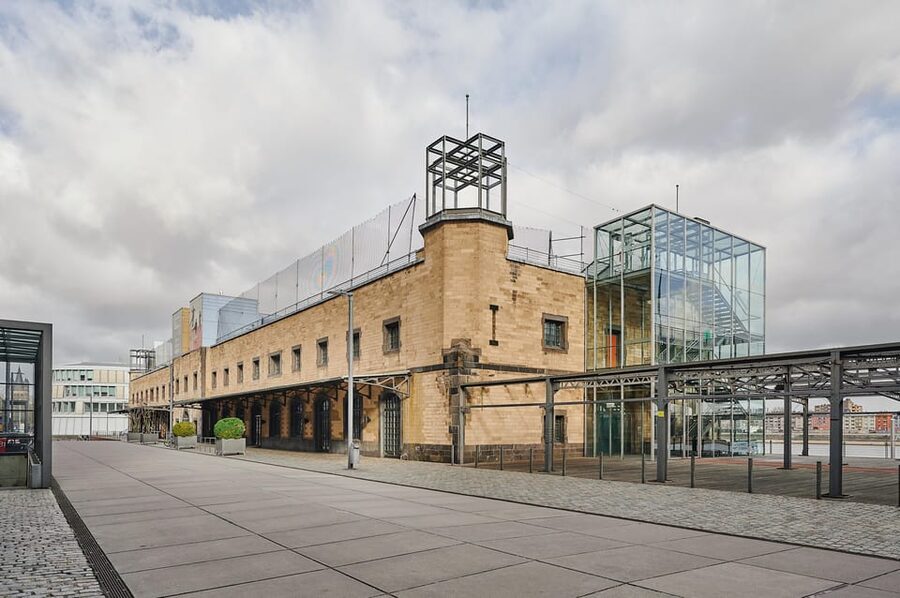
The setting does a lot of the work before you reach the first display. The museum occupies an old customs hall from 1896, directly alongside the Rhine, so your visit begins in a building with a practical past rather than in a standard modern exhibition box.
Inside, the museum covers about 2,700 square meters. That is enough space for a serious look at sport, but not so much that you need to commit an entire day just to keep moving through endless rooms. Your ticket is valid for one day, so you can take the exhibits at your own pace and spend extra time in the activity zones.
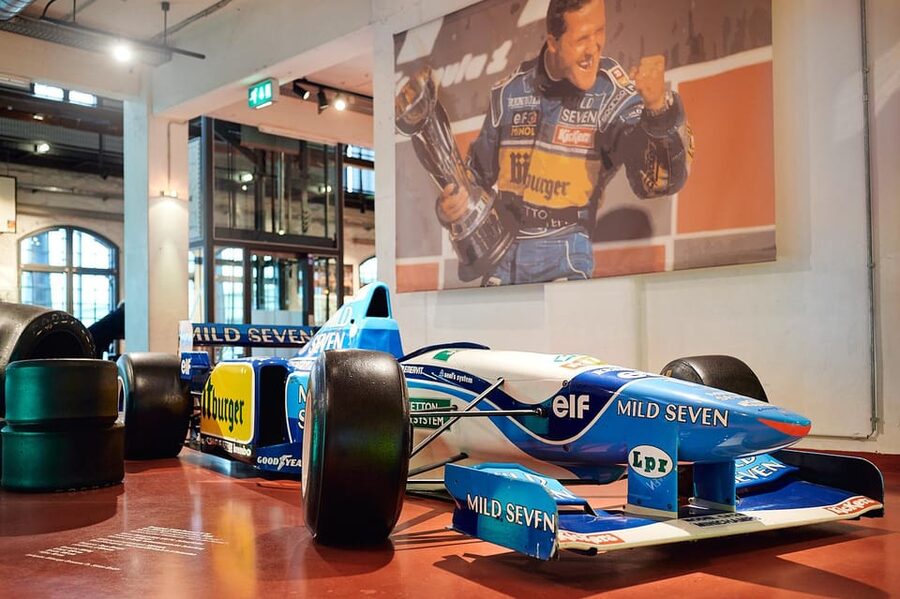
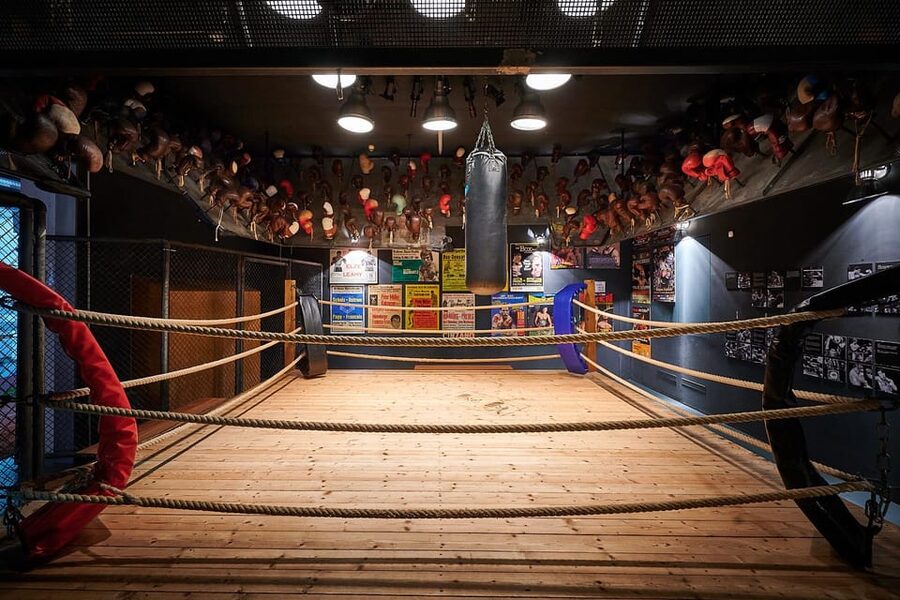
I like the basic idea here: sport is treated as both physical action and a force that shapes society. The displays look at winners and losers, famous victories, painful defeats, and the political and social weight that sport has gained over time. You are not simply looking at trophies and uniforms. You are also being asked to think about what competition means and what can go wrong.
That wider view gives the museum more substance than a collection of old sporting objects. Still, your enjoyment will depend on your interests. Someone looking only for Olympic memorabilia may find the social and political material less exciting, while a parent may be grateful for the change of pace.
More museums and galleries in Cologne:
- Cologne: Chocolate Museum Entrance Ticket
★ 4.4 · 2,790 reviews - Cologne: HOUSE OF BATES // CONTENT GALLERY
★ 4.7 · 46 reviews - Berlin: Jewish Museum Berlin Entrance Ticket
★ 4.5 · 8,393 reviews
From ancient Greek contests to modern competition
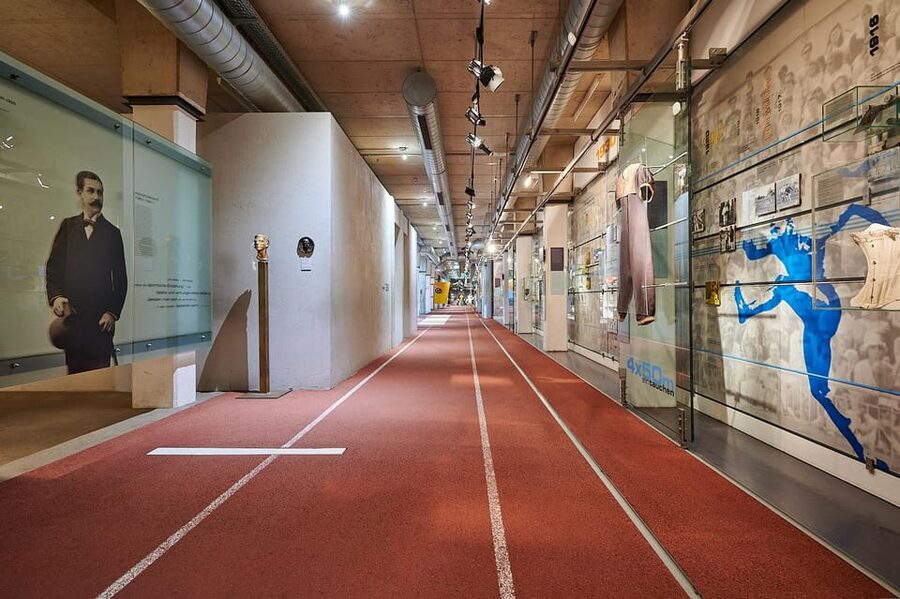
The museum’s broad timeline begins with ancient Greece and continues to the present. The exact route and display order may guide you through different periods, but the main promise is clear: you get a long view of how sport has changed.
Ancient Greek athletics provide a useful starting point because they show that organized competition is not a recent invention. From there, the museum follows sport as it develops into a modern public spectacle, with national identity, media attention, records, commercial interests, and huge emotional stakes.
Around 2,000 selected objects and installations support this story. That number sounds large, but the word selected matters. You are not facing a warehouse of equipment. The museum uses chosen pieces to explain different kinds of sport and the people connected to them.
The strongest displays should be the ones that connect an object to a human moment. A winning performance, a defeat, an athlete under pressure, or a sport altered by politics can say more than a wall of dates. The museum’s approach gives you several ways to enter the subject, even if you are not already an enthusiast.
I would allow time to read at least some of the material instead of racing straight to the games. The hands-on features are a major reason to come, but the historical displays explain why those games matter.
The original ZDF goal wall and other activity stations
The original goal wall from the ZDF studio is one of the museum’s most distinctive features. It gives you a direct connection to televised sports culture, then lets you test your own accuracy rather than simply admire the object.
This is the kind of exhibit that works for different ages. Children can take repeated shots and treat it as a game. Adults may discover that putting a ball through a target is harder than it looks. Either way, the activity changes your role from observer to participant.
You can also ride a bicycle in a wind tunnel. That feature gives you a physical sense of resistance and effort, even in a controlled museum setting. It is a small but useful reminder that athletic performance depends on more than talent. Equipment, air, technique, and stamina all affect the result.
Free sports equipment is available for dedicated play areas in the entry hall and on the roof. Footballs and basketballs are specifically included, so you do not need to bring your own ball. This is a practical benefit, especially for families trying to pack light.
The activity areas are also where the museum’s main weakness can appear. There is only so much room around each game, and the basketball area may share space with a football area. If several children or adults want the same activity, you may need to wait or move on and return later.
That is not a reason to skip the museum, but it is worth setting expectations. This is an active museum with shared equipment, not a private sports session. A little patience helps.
Two rooftop play areas with Rhine views
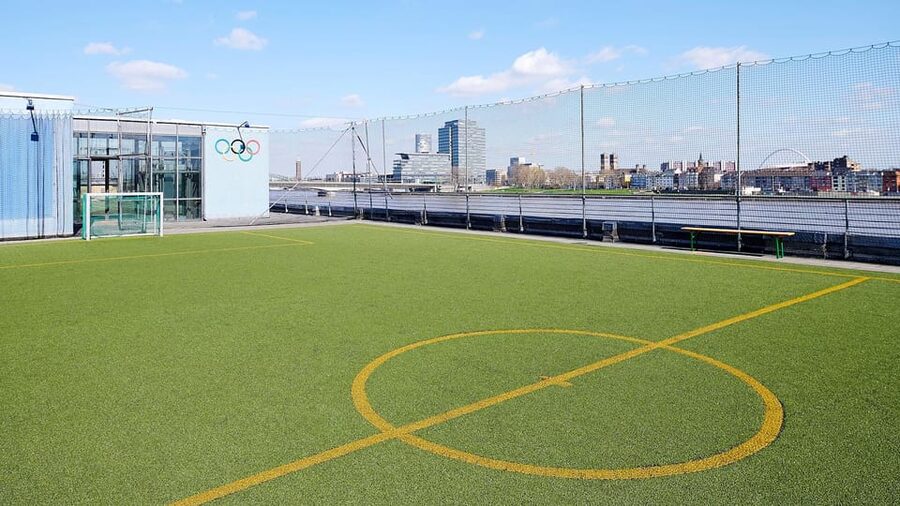
The roof is more than a decorative finish. The museum has two play areas on top of the building, described as the highest and most beautiful play areas in the city, along with views toward the Rhine.
The rooftop space gives your visit a needed change of scene. After reading exhibit panels and looking at objects, you can step outside, let children play, or simply enjoy the view. It also gives parents a chance to pause while younger visitors stay occupied.
Because the play areas are part of the museum experience, you should not treat them as an optional extra that requires another ticket. Sports equipment is available for use in the dedicated areas, including the roof. That makes the roof particularly useful for a longer visit.
The outdoor section also helps explain why the museum works well for families with different interests. One person can focus on the historical material, another can try the activity stations, and children can spend time on the playgrounds. The museum does not force everyone to enjoy sport in the same way.
The tradeoff is that roof access is weather-sensitive in a way the indoor galleries are not. The supplied information does not give weather rules or roof opening details, so I would treat the outdoor areas as a bonus rather than the only reason to book. The indoor museum remains the core visit.
A few more Cologne half-days to weigh up
- Cologne: Panoramic City Cruise
★ 4.3 · 5,698 reviews - Cologne: Brewery Tour with 3 Kölsch Beer Tastings
★ 4.7 · 3,108 reviews - Cologne: Top Sights Rhine River Cruise – Skyline Tour
★ 4.4 · 3,030 reviews - Cologne: 24h Hop-On Hop-Off Sightseeing Bus Ticket
★ 4.3 · 2,735 reviews
What the $12 ticket is worth
At $12 per person, this is a reasonable Cologne activity if you plan to use more than the exhibit halls. The ticket includes the full museum entry and free rental of sports equipment in the play areas. You are paying for both a cultural visit and a set of physical activities.
That combination matters. A standard museum can be difficult for children who need movement, while an indoor play center may offer little historical context. This museum attempts to cover both needs in one place.
The value is strongest when you can spend several hours moving between the galleries, sports stations, and roof. If you only want a quick look at the collection, the price may feel less compelling, since the hands-on features are a major part of what makes the ticket worthwhile.
Families should check the on-site option carefully. A family ticket for two adults and two children costs 25 euros, and family tickets can currently be purchased only at the museum. That can be better value than four individual tickets, depending on the exchange rate and the price used at booking.
Reduced adult tickets for people with disabilities and KölnPass holders are not available through the online option described here. If you belong to one of those groups, bring proof of eligibility to the entrance and follow the stated booking instruction for the reduced category.
A visit that works without a guide
No guided tour is included. You explore the museum independently, which gives you control over the pace but also means you will need to read the displays for context.
German and English are available, and the host or greeter information lists both languages. That makes the museum practical for international visitors, though the details do not specify whether every label, installation, or activity instruction appears in both languages.
I prefer self-guided visits when a museum has several activity stations. You can stop when something catches your attention, skip a display that does not interest you, and return to the goal wall or wind tunnel later. Families also avoid the pressure of keeping children quiet in a fixed group.
On the other hand, a guided visit could help if you want a tightly structured history of sport or more explanation of the political themes. Since no guide is included, you should book this as an independent museum experience rather than expecting a tour leader to lead you from room to room.
The small-group information lists a limit of 10 participants. That suggests the booking arrangement is kept limited, but it should not be confused with a private guided tour. The main visit remains self-directed.
Who will enjoy the German Sport & Olympia Museum most
I would put this near the top of the list for families with active children. The museum offers something to do with hands and feet, not just eyes, and the roof playgrounds provide a useful outlet after the indoor exhibits.
It also suits football and basketball fans who enjoy testing themselves. The goal wall and borrowed equipment give the visit a playful edge, while the collection provides enough background for adults who want more than a ball game.
Sports fans who enjoy Olympic history should find plenty to discuss in the long timeline from ancient Greece to the present. The museum also makes room for sport’s failures, pressure, political importance, and social effects, so it is not limited to celebration.
I would be more cautious about recommending it to someone who wants a quiet, highly specialized collection focused on one sport. The museum covers many subjects and periods. Its strength is range and participation, not a narrow academic treatment of a single discipline.
It can also work on a rainy day, though the roof activities may be less useful in poor weather. Since the ticket lasts one day, you have flexibility to spend time indoors and use the outdoor areas when conditions are suitable.
Practical details before you go
The experience is listed as valid for one day, with starting times based on availability. Check the available time before booking, since the information does not give general opening hours.
The museum is wheelchair accessible. That is important for a family or group where everyone needs the same route through the building, although the supplied details do not describe every individual activity station.
Cancellation is flexible up to 24 hours before the visit for a full refund. You can also reserve now and pay later, which may help if you are still arranging your Cologne schedule.
The listed price is $12 per person, but the family ticket is priced in euros and must be bought on-site. Check the final currency and ticket category before you pay, especially if you qualify for a reduced adult ticket.
Bring a little patience for the shared activity zones. One parent described the basketball setup as busy because it shares space with football, and suggested another basketball hoop and a table-tennis area. That is useful advice: plan to take turns, and do not assume every game will be free the moment you arrive.
The museum is beside the Rhine, which gives you a natural chance to pair the visit with a walk along the river. The information provided does not specify nearby transport stops, restaurants, or parking, so I would not plan those details without checking separately.
Should you book this Cologne museum ticket?
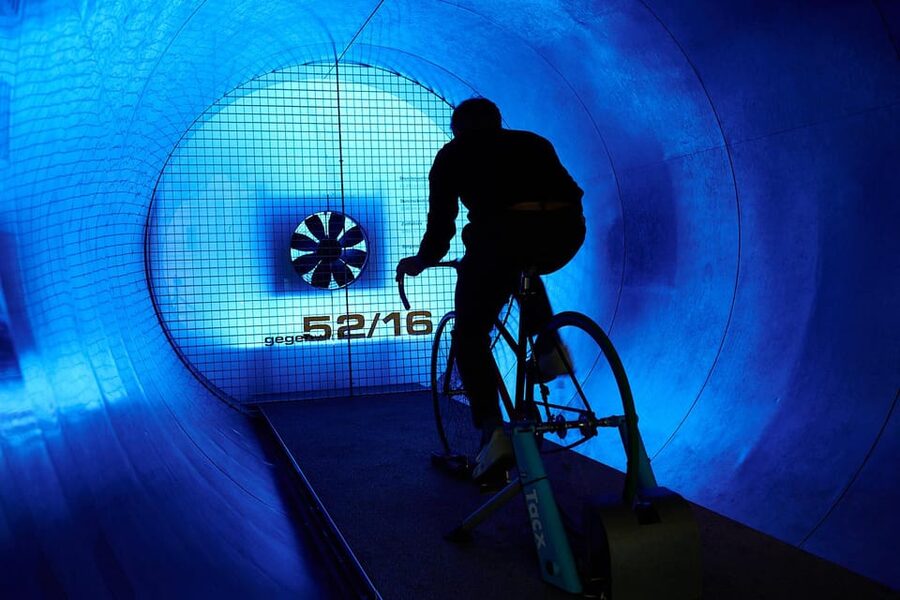
Book it if you want a family-friendly museum that mixes history with actual movement. The goal wall, wind tunnel, free sports equipment, and rooftop play areas give the $12 ticket more range than a standard display-only visit.
I would especially choose it for a family day, a rainy-weather plan, or a group with mixed interest in sport. Go in expecting a self-guided museum, shared activity spaces, and a broad story rather than a formal tour or a single-sport archive.
For two adults and two children, check the 25 euro family ticket at the entrance. For everyone else, the individual ticket is easiest, with flexible cancellation and one-day validity adding practical value. If you can accept occasional waits at the popular games, this is a lively and worthwhile stop beside the Rhine.
FAQ
Where is the German Sport & Olympia Museum?
It is located directly alongside the Rhine in Cologne, inside an old customs hall dating from 1896.
How long is the ticket valid?
The ticket is valid for one day. Available starting times depend on the date you select.
What does the museum cover?
The museum presents the history of sport from ancient Greece to the present day. It also examines victories, defeats, winners, losers, sport’s political and social importance, and its risks and side effects.
How large is the museum?
The museum covers around 2,700 square meters and presents about 2,000 selected objects and installations.
Can I try any sports activities?
Yes. Activity stations include the original goal wall from the ZDF studio and a bicycle in a wind tunnel. Sports equipment such as footballs and basketballs can be borrowed for dedicated areas.
Are the rooftop play areas included?
Yes. The museum has two rooftop play areas, and the ticket includes access to the museum’s dedicated play areas. The roof also offers views of the Rhine area.
Is a guided tour included?
No. The ticket includes museum entry and free rental of sports equipment, but not a guided tour.
Is the museum wheelchair accessible?
Yes. The activity information states that the German Sport & Olympia Museum is wheelchair accessible.
Just added around Cologne
- From Amsterdam: Cologne Private Sightseeing Tour★ 5.0 · 4 reviews
- Cologne: entertaining guided tour to old town highlights★ 4.8 · 22 reviews
- Cologne: WWII Sites with Optional EL-DE Haus Private Tour★ 4.9 · 22 reviews
- Cologne: Virtual escape game adventure at 7th Space★ 4.3 · 15 reviews
- Cologne Walking Tour: The essential and unmissable one★ 4.3 · 10 reviews
- Cologne: The Dark Side of the City Walking Tour★ 4.8 · 142 reviews
- Cologne: Ehrenfeld District Street Art Walking Tour★ 4.9 · 202 reviews
- Cologne: Street Art Walking Tour in the Ehrenfeld District★ 4.9 · 45 reviews
Cologne Tours, compared.

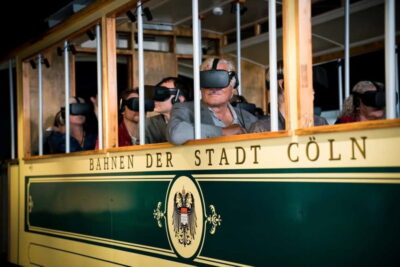
Virtual Reality Time Travel Experience Ticket
Read our review →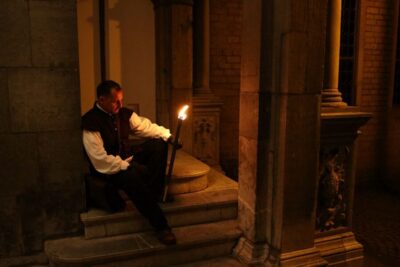
The Night Watchman Old Town Walking Tour in German
Read our review →Browse the lists this tour appears in