
Review · WINE TOURS
Neustadt: Wine tasting with cellar tour and vineyard visit
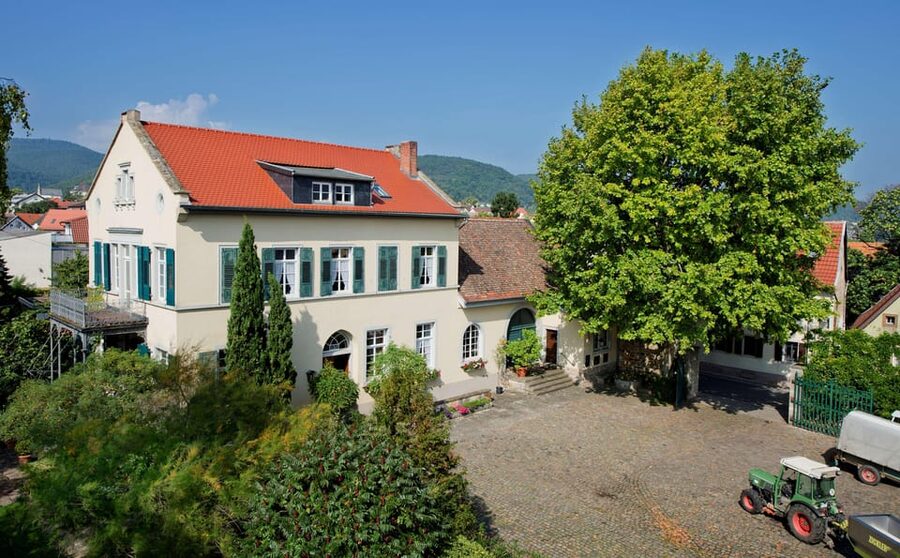
The best part of this Neustadt experience is the link between what is in your glass and the work behind it. The Stolleis family has grown grapes for twelve generations, and you see that family craft in the historic wooden-barrel cellar, the house vineyard, and the organic vineyards between Neustadt and Deidesheim.
I like the tasting of seven wines, including a sparkling wine, Riesling, and Burgundy varieties. I also like the calm, personal format: Yanna has been praised for explaining enough without talking over the tasting, then answering questions with warmth and ease. The main consideration is that the tour lasts only 90 minutes, so this is a focused introduction rather than a full-day wine experience.
Key points
- Seven wines in one sitting: Taste one sparkling wine and six still wines, with a focus on Riesling and Burgundy grape varieties.
- A real working cellar: Walk through the historic vaulted cellar and see the wooden barrels where wines mature over time.
- Organic Palatinate farming: Learn why certified organic vineyards require substantial manual work throughout the year.
- Garden tasting when weather allows: A sunny day may put you at a table in the winery garden instead of indoors.
- A twelfth-generation family business: The Stolleis story gives the tasting a clear sense of continuity and place.
- English or German guiding: Yanna has led the tasting and tour, and the activity is offered in both languages.
Why this tasting feels more personal than a standard wine flight
Many wine tastings give you a row of glasses and a few broad facts about the region. This one adds the useful middle layer: you learn how a family winery works, then taste the results. That makes the wines easier to understand, even if you are not used to comparing grape varieties.
Weingut Peter Stolleis is a classic Palatinate family business. The Stolleis family is now in its twelfth generation of winegrowing, an unusually long thread of local experience. The family cultivates vineyards between Neustadt and Deidesheim, areas known for strong wine production in the Palatinate.
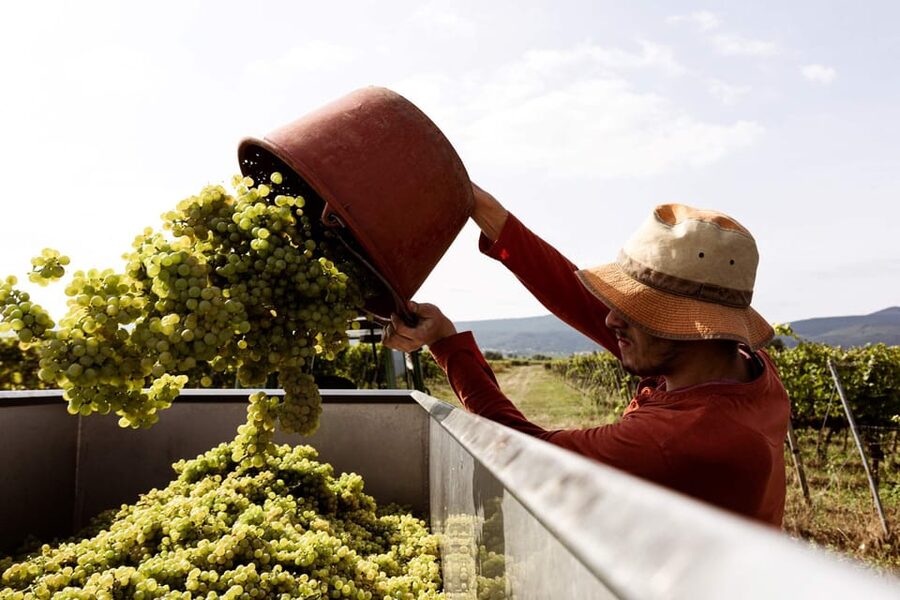
The operation is organically certified. That does not mean the work is hands-off or effortless. The description of the farm points to manual work across the year, followed by a harvest that brings about 30 helpers from the family, their friends, and the surrounding area into the vineyards. You get a better sense of organic farming when it is explained as labor, timing, and care rather than just a label on a bottle.
I like that this context is part of the visit instead of being left for you to guess. You can ask how farming affects the grapes, why certain varieties suit the area, and how the wines change during maturation. The experience does not promise a technical seminar, and that is probably a strength for most people. It aims to make wine understandable without turning the afternoon into a classroom.
More Germany wineries worth an afternoon:
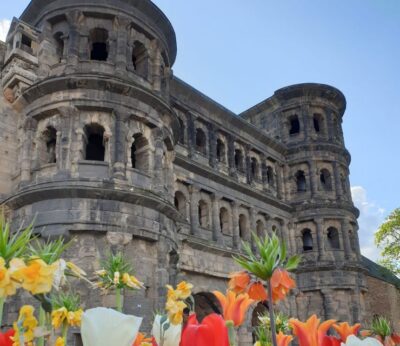
- Trier: Guided City Walk with Wine Tasting
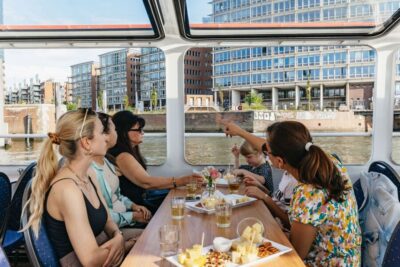
★ 4.8 · 979 reviews - Hamburg: Harbor Cruise with Wine and Cheese
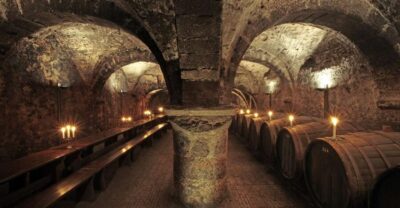
★ 4.7 · 795 reviews - Trier: Discovery Tour – Germany’s Oldest Wine Cellar
★ 4.7 · 218 reviews
Starting with Riesling and Burgundy varieties
The tasting includes one sparkling wine and six wines. The focus is on Riesling and Burgundy grape varieties, giving you a useful look at two important parts of the Stolleis range.
Riesling is central to the Palatinate wine identity, and tasting it in this setting lets you consider more than a grape name. You can listen for the differences between wines, ask how the vineyard and maturation shape the bottle, and connect the glass to the work you have just seen.
The Burgundy varieties add contrast. The supplied details do not specify every grape, vintage, sweetness level, or tasting order, so you should not book this expecting a fixed list of particular bottles. The selection can vary. What is clear is that the tasting is broad enough to show different styles rather than offering seven near-identical pours.
The sparkling wine gives the session a lively opening or change of pace, depending on how the tasting is arranged. You will then have six wines to compare, which is enough for a proper introduction without becoming an endurance test. At $34 per person, the number of pours matters. You are paying not only for wine, but also for the guided visit and the explanation of how it is made.
A good approach is to avoid treating the tasting like a contest. Notice which wine you prefer, but also ask why it tastes different. Is the difference the grape, the growing conditions, the maturation, or the style of the winemaker? You do not need expert vocabulary. A simple question can often open up the most useful part of the conversation.
A garden table when the weather cooperates
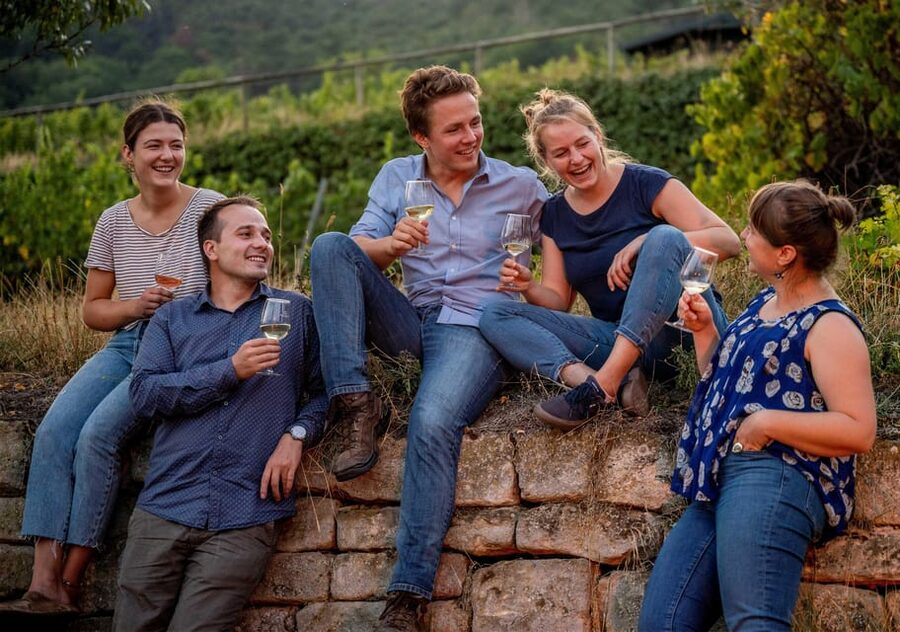
When the weather is good, the tasting takes place in the winery garden. That setting gives the experience a relaxed, outdoor feel and lets you enjoy the wine at an unhurried pace.
The garden is not guaranteed. In poor weather, expect the tasting to move indoors or to another suitable area at the winery. That is worth remembering if the outdoor setting is a major reason for booking. The cellar tour remains the firm part of the program, while the garden depends on conditions.
The outdoor option also suits the tone of the experience. This is not presented as a large production with a busy schedule of groups. The information points to a family winery where the focus is on conversation, the wines, and the work behind them. Reviews of the experience repeatedly praise the setting, the wines, and the friendly way the tasting is led.
One especially useful detail is that you can stay in the garden for a little while after the tasting when conditions allow. The organized visit lasts 90 minutes, but the atmosphere may give you a few extra quiet minutes to finish the experience before moving on. Do not treat that as a guaranteed extension, but it is a pleasant possibility on a sunny day.
Going below ground into the historic cellar
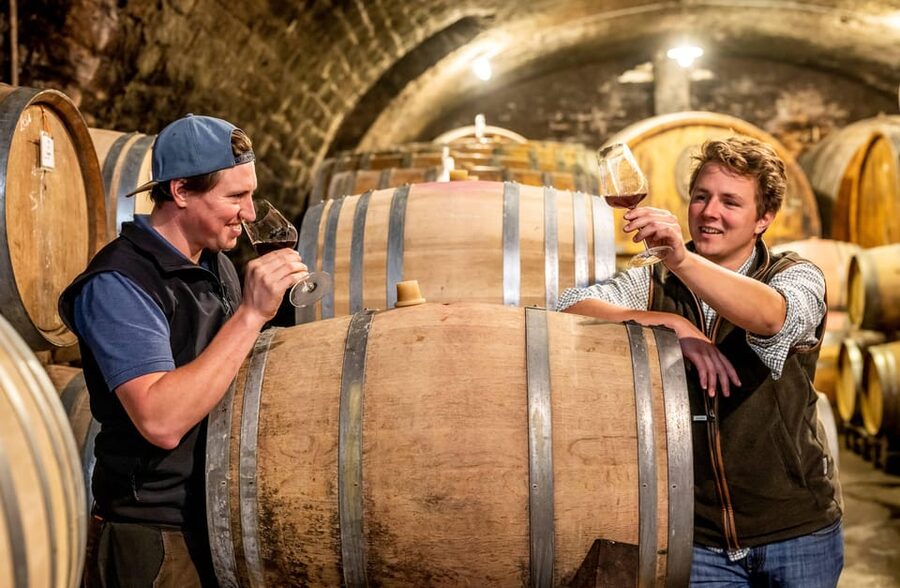
The cellar tour gives the tasting its sense of place. After some of the wine tasting, the program includes a guided visit to the historic wine cellar. You will see a vaulted space and historic wooden barrels, along with the setting where the wines mature.
This is the part I would not skip, even if your main interest is drinking wine. A bottle tells you what is in it. A cellar helps explain the decisions that come before it reaches your table. The long maturation period in the vaulted cellar is part of the Stolleis approach, and the barrels make that process visible.
The tour is not described as a long architectural visit, so keep your expectations sensible. You are getting an introduction to a working family winery, not a museum tour with a large collection of exhibits. That is precisely why the cellar can be valuable. It connects the old structure and the family tradition to the current wine business.
The order may vary slightly. The experience description places the tasting alongside the cellar tour, and one account describes tasting first, then going down to the cellar for a short guided visit. You should expect the same main elements, but not necessarily an exact minute-by-minute schedule.
Yanna has led the tasting and cellar visit, and her style has been praised for finding the right balance. She explains enough to give the wines meaning, but not so much that the glasses become an afterthought. If you have questions about the barrels, the wines, or organic farming, this is the moment to ask.
More food tours in Germany:
- Cologne: Brewery Tour with 3 Kölsch Beer Tastings
★ 4.7 · 3,108 reviews - Hamburg: St. Pauli Highlights Guided Tour with Beer for 18+
★ 4.7 · 2,353 reviews - Hamburg: Elbphilharmonie Plaza and HafenCity Food Tour
★ 4.7 · 1,711 reviews - Bavarian Beer and Food Evening Tour in Munich
★ 4.5 · 1,575 reviews
Visiting the house vineyard
The house vineyard adds a practical look at where grape growing begins. You are not simply told that the winery owns vineyards. You walk out to see the house vineyard and get an idea of the setting in which the family works.
The visit does not provide a lengthy route or a detailed list of individual vineyard plots, so you should view it as a short working introduction. Its value comes from the connection: first the vines, then the cellar, then the glass. That sequence helps you follow the path from grape to finished wine.
Organic certification is especially relevant here. The family describes a great deal of manual work across the year, and the autumn harvest brings around 30 helpers from the family, friends, and the surrounding area. You may not see harvest activity during your visit, but the story explains why a bottle from a small family winery can involve many hands.
The vineyard visit is also a useful counterweight to the cellar. The cellar is about time and storage. The vineyard is about weather, soil, pruning, and seasonal work. Even with a short visit, you get both sides of the winegrowing process.
What $34 buys you in 90 minutes
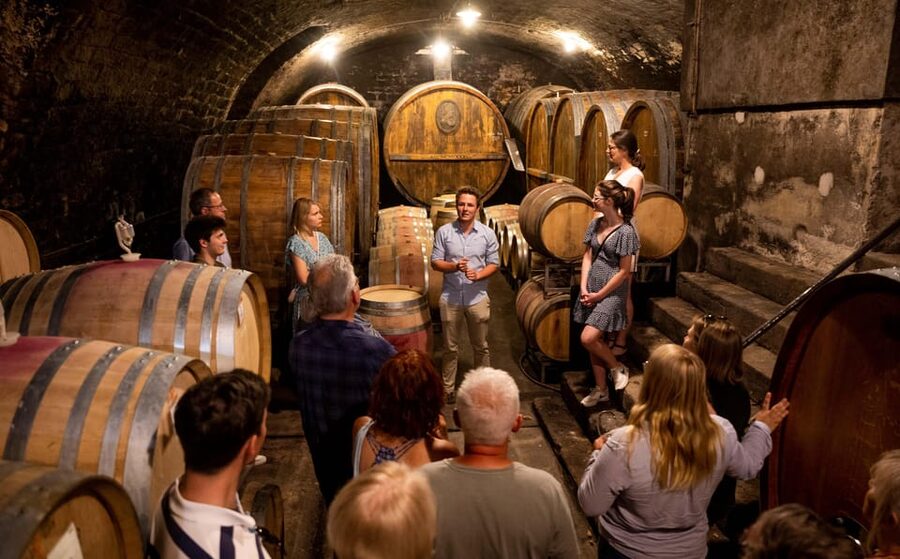
At $34 per person, this is good value if you want more than a quick tasting. You receive seven pours, a guided historic cellar tour, and a visit to the house vineyard. The combination makes the price easier to justify than a tasting that offers wine alone.
The value also depends on your interests. If you only want to sample one or two local wines, a shorter tasting elsewhere may cost less and fit your plans better. If you want a compact introduction to Palatinate wine, the Stolleis format gives you a fuller picture in a manageable block of time.
Ninety minutes is a sensible length for this kind of activity. Seven wines require time, and the cellar and vineyard visits add movement and context. The session should feel substantial without taking over your day in Neustadt.
I would allow extra time around the 90-minute booking if you are arranging another activity immediately afterward. The tasting itself has a set duration, but moving between the garden, cellar, and vineyard can make a strictly timed schedule feel tight. The available starting times vary, so check the schedule before building your day around it.
The reserve-now-and-pay-later option can help if your plans are still shifting. Free cancellation is available up to 24 hours in advance for a full refund. Those terms are useful, but you still need to check the exact booking conditions for your selected time.
Language, age limits, and physical access
The live tour guide is available in German and English. Some content may be presented in its original language, so English speakers should be prepared for occasional terms or short explanations that may not be translated word for word.
The experience is not suitable for children under 16 or for pregnant women because wine tasting is a central part of the program. It is also not suitable for wheelchair users. The cellar and vineyard portions may involve surfaces or access conditions that do not work for wheelchairs, and the activity does not offer wheelchair access.
If you have mobility concerns that do not involve a wheelchair, the supplied information does not give enough detail to promise a particular level of ease. Ask the provider before booking rather than assuming the route will be simple.
This is best suited to adults who want a relaxed, educational tasting. It works for couples, small groups, and company outings. A team visit has also been held successfully, with the tasting, cellar tour, and time in the garden forming an easy group program.
The strongest reasons to book
The clearest strength is the balance between explanation and tasting. You do not spend the full 90 minutes listening to a lecture, but you also do not receive a silent line of glasses. The wines remain the center of the visit, with the family story and cellar giving them context.
The second strength is the family connection. Twelve generations is not a throwaway detail. It helps explain why the experience focuses on craft, organic farming, and long maturation rather than simply selling a brand.
I also value the range of settings. The garden can make the tasting feel informal and peaceful, while the vaulted wooden-barrel cellar adds substance. The house vineyard completes the picture.
The praise for Yanna is worth taking seriously when choosing between similar tastings. Her approach has been described as friendly, well judged, and open to questions. For many people, the guide makes the difference between a tasting that feels routine and one that teaches you something useful.
The main limitation is scope. You will not tour every vineyard or receive a detailed technical breakdown of each wine in 90 minutes. The exact seven wines are not listed, and the garden depends on the weather. If you want a large estate, a long meal, or a full-day route through several wineries, choose a bigger program.
Who will enjoy the Stolleis experience most
Book this if you want a local family winery, organic growing, a moderate number of wines, and a short cellar and vineyard visit in one package. It is a particularly good fit if you like asking questions and prefer a personal setting to a large commercial tasting room.
It also suits anyone trying to understand Palatinate wine without already knowing the region. Riesling gives you a strong local starting point, while the Burgundy varieties add comparison. The cellar and vineyard keep the visit grounded in actual work.
I would be more cautious if you dislike wine, need wheelchair access, are pregnant, or are looking for an activity suitable for young children. You should also think twice if your priority is a guaranteed outdoor tasting, since the garden depends on weather.
For the right audience, $34 is a fair price for seven wines plus three connected parts of the winery experience: tasting, cellar, and vineyard. The format is short, focused, and friendly rather than grand. If that sounds like your kind of afternoon, this is an easy booking near Neustadt.
FAQ
How long does the wine tasting and tour last?
The experience lasts 90 minutes, including the wine tasting, historic cellar tour, and house vineyard visit.
How many wines are included?
You taste one sparkling wine and six additional wines, for a total of seven.
Which grape varieties are featured?
The winery focuses on Riesling and Burgundy grape varieties. The exact wines served are not specified.
Is the tour offered in English?
Yes. Live guiding is available in German and English. Some content may be shown or presented in its original language.
Can the tasting take place outdoors?
Weather permitting, the tasting takes place in the winery garden. Outdoor seating is not guaranteed.
Is the experience suitable for children?
No. The activity is not suitable for children under 16.
Is the experience wheelchair accessible?
No. Wheelchair users are listed as not suitable for this activity.
Just added around Germany
- Konstanz Scavenger Hunt and Sights Self-Guided Tour★ 4.5 · 14 reviews
- e-Scavenger hunt Koblenz: Explore the city at your own pace★ 4.0 · 20 reviews
- Private city tour in Constance★ 4.0 · 5 reviews
- Koblenz Guided tour of the Ehrenbreitstein Fortress★ 4.5 · 7 reviews
- Koblenz – Old Town with the Ehrenbreitstein Fortress★ 4.0 · 7 reviews
- Koblenz – Old Town including the Deutsches Eck★ 4.5 · 16 reviews
- Kiel – Private Historic Walking Tour★ 5.0 · 4 reviews
- Lubeck Private Walking Tour With A Professional Guide★ 4.5 · 10 reviews
Wine Tours, compared.

Advent Tour with Stollen Tasting and Mulled Wine
Read our review →
Heidelberg and Rhine Valley Day Trip With Wine Tasting and Dinner from Frankfurt
Read our review →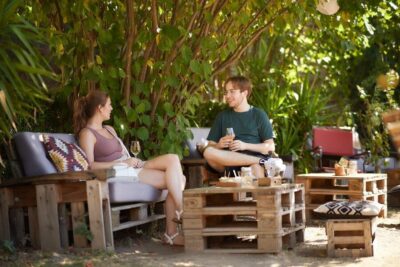
Browse the lists this tour appears in