
Review · MUNICH TOURS
Munich: Street Art Bike Tour
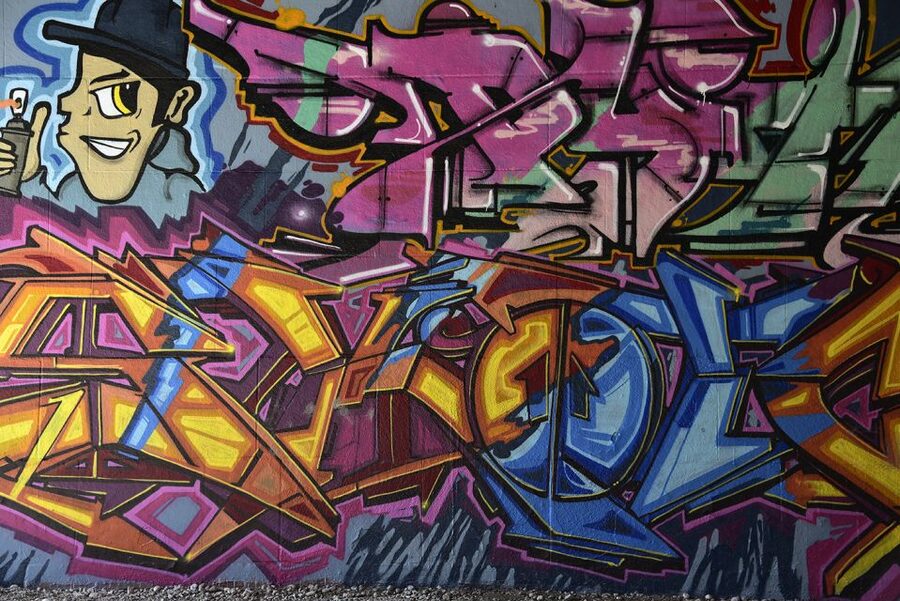
Munich’s polished streets hide a wilder past: the city helped launch Germany’s graffiti movement in the 1980s, alongside New York. This 3.5-hour bike tour takes you beyond the postcard center to see major works, riverside pieces, Giesing, and the old slaughterhouse district.
I like the way the tour connects art with place, especially the ride along the Isar River and the stop at a boat by a railway bridge. I also like that rental bikes are included, so you can cover far more ground than on foot. The main drawback is the length: younger children may tire, and the tour is officially in German.
Key points
- Munich’s graffiti roots: Learn why the city became a major European graffiti center in the 1980s.
- A ride beyond the center: Cycle through Giesing and the slaughterhouse district instead of staying around Marienplatz.
- Isar-side artwork: See pieces left by artists along the river and hear how public spaces shaped the scene.
- Old masters and newer artists: The route includes work by artists who helped form Munich’s graffiti culture as well as newer names.
- A genuine break in the route: Pause on a boat beside a railway bridge in the slaughterhouse district.
- German-led and bike-based: The tour is in German, with bikes supplied. Private groups can be arranged.
Why Munich is an important graffiti city
It is easy to think of Munich as a city of immaculate squares, grand facades, and carefully kept streets. That tidy image makes its graffiti story more surprising. In the 1980s, Munich was one of the places where graffiti took hold in Germany, and it earned a reputation as a European meeting point for artists, alongside New York.
That background gives this tour more substance than a simple search for colorful walls. You are not just pedaling from one photo stop to the next. You are tracing a local art culture that developed in a city not usually associated with rebellion or street art.
The guide explains the history of graffiti and points out work by earlier artists who helped shape the scene. You also see pieces by newer artists, which makes the route feel current rather than frozen in a museum version of the past.
I especially like this approach because street art can be hard to understand when you encounter it alone. A large wall may catch your eye, but a guide can explain why that location matters, how the scene developed, and how styles changed over time.
More bike days around Munich:
- Munich 3-Hour Guided Bike Tour
★ 4.5 · 1,731 reviews - Classic Mike’s Bike Tour daily @ 11.30 incl Beer Garden & Surfers
★ 5.0 · 1,246 reviews - Neuschwanstein Castle by Bus Incl. Bike Ride or Hohenschwangau
★ 5.0 · 607 reviews
Meeting at Marienplatz, then leaving the center
The tour begins in front of the Tourist Information Office at Marienplatz. Look for a guide holding a yellow street art tour sign with red letters. This is a central and easy meeting point, though you should allow enough time to find the correct guide among the crowds around the square.
Marienplatz is a fitting starting point precisely because the tour soon leaves its familiar setting. You begin in Munich’s best-known center, then trade the usual historic sights for walls, bridges, river paths, and districts that many short city visits miss.
The rental bike is included in the $40 price. That matters here. The route covers several parts of Munich over 210 minutes, and walking between the Isar, Giesing, and the slaughterhouse district would take much longer and involve more effort.
You should still be comfortable riding a bike for several hours. The information provided does not specify the bike model, route surface, or exact distance, so ask the operator if you need details about the equipment or riding conditions before booking.
Along the Isar, where the city gets less polished
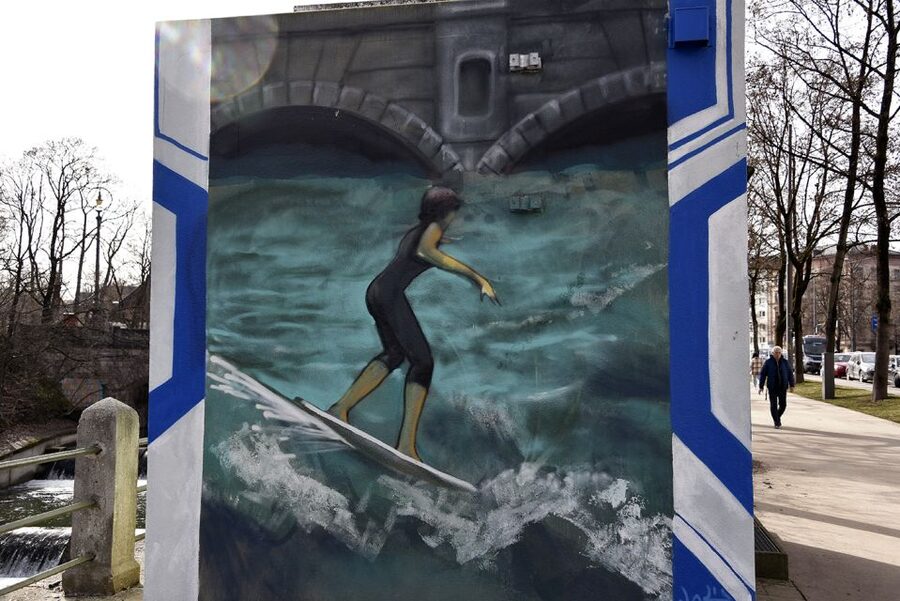
One of the strongest parts of the route is the ride beside the Isar. The river gives the tour a change of pace from central Munich, and artists have left their mark along this corridor.
The river setting also helps explain why street art belongs in public spaces. Instead of viewing work in a gallery, you see it in relation to bridges, paths, infrastructure, and the everyday movement of the city. The art is part of the surroundings, not separated from them.
You can expect stops to focus on selected pieces rather than a nonstop ride. The tour is designed around explanations, so your guide will pause to discuss artists, styles, and the development of graffiti in Munich. That makes the outing a good choice if you want context, not just a collection of colorful photographs.
The Isar section may also be one of the more relaxed portions of the ride. The route combines cycling with strolling and looking closely at the work. Wear clothes you can ride in comfortably, and consider the weather when you pack. The tour runs outdoors for most of its length.
Giesing, a former working-class district
From the river, the ride heads toward Giesing. This former working-class neighborhood offers a useful contrast with the formal streets around central Munich.
The point is not simply to visit a different district. Giesing helps you see how street art interacts with neighborhoods that have a different social and architectural character from the old center. Here, the tour gets you off the standard sightseeing circuit and into a part of Munich that many first-time visitors never reach.
I like this part of the route because the bike makes the transition feel natural. You are not being driven to an isolated wall and then returned to the center. You are moving through the city, watching its character change as the route progresses.
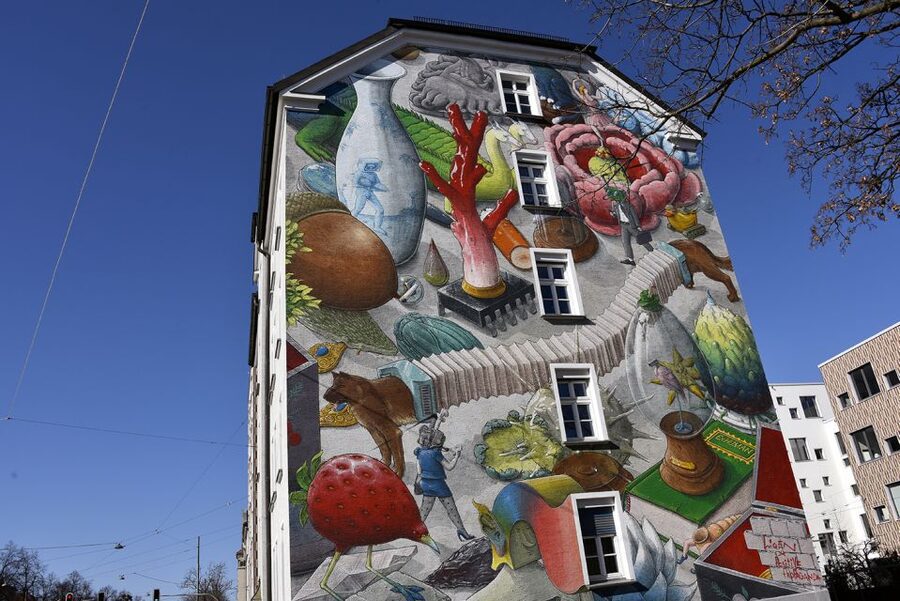
Do not expect every stop to be a grand mural. Street art tours often include smaller works, changing pieces, and art that sits within ordinary streets. The appeal is the range of places and styles, along with the guide’s account of the artists who made them.
The tour includes work by established figures from Munich’s early graffiti scene and by newer artists. That mix gives you a sense of continuity. You see how the city’s original graffiti culture still influences its current street art.
More street art walks in Munich:
- Berlin: City Street Art Guided Walking Tour
★ 4.8 · 886 reviews - Berlin: 3-Hour Street Art Tour
★ 4.7 · 778 reviews - Berlin Street Art Walking Tour – Off The Grid
★ 5.0 · 270 reviews - Dresden: Neustadt District Street Art Guided Walking Tour
★ 4.4 · 267 reviews
The slaughterhouse district and a pause by the railway bridge
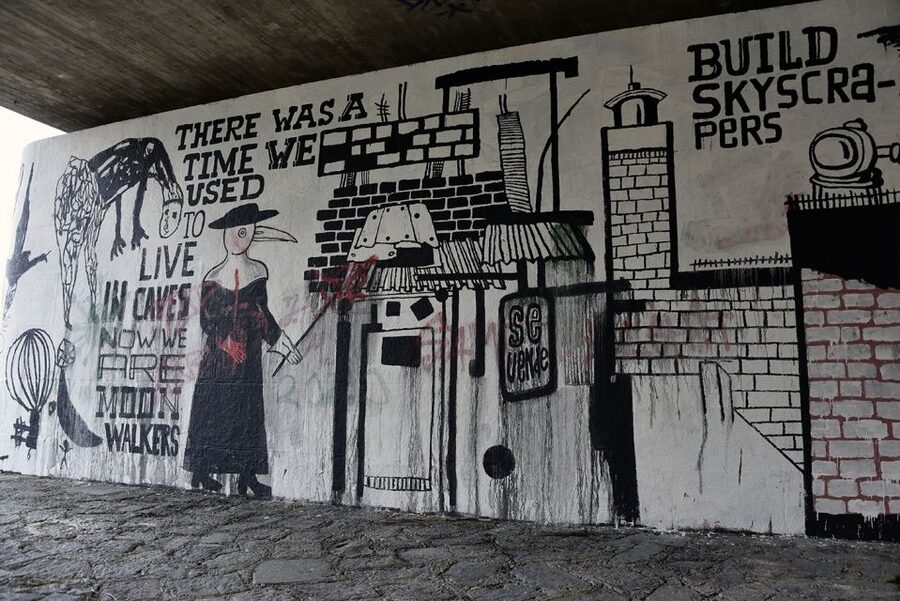
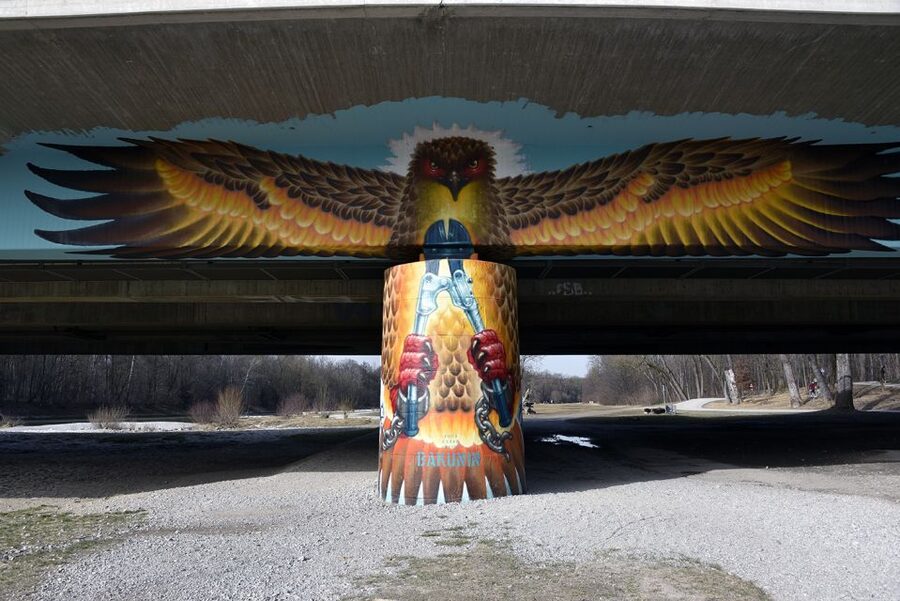
The route continues toward Munich’s slaughterhouse district. This is another setting where large-scale urban structures and working parts of the city provide a fitting backdrop for graffiti.
The most unusual detail here is the planned break on a boat beside a railway bridge. It gives you a chance to stop riding, take in the surroundings, and continue the discussion in a less hurried way.
This pause is a practical benefit on a long tour. Three and a half hours on a bicycle can feel tiring if the entire time is spent moving from one point to another. A break helps divide the outing into manageable sections, especially for families and anyone not used to long city rides.
At the same time, the overall length remains worth considering. One family booking found the tour too long for a 12-year-old, while another family with children aged 10 and 12 had a positive experience, with both boys enjoying the outing. That tells me the right age depends on the child’s interest in art, comfort on a bike, and patience during explanations.
Children under 10 are not allowed. The tour is also not suitable for wheelchair users, which is important to know before you reserve.
What the guide adds to the ride
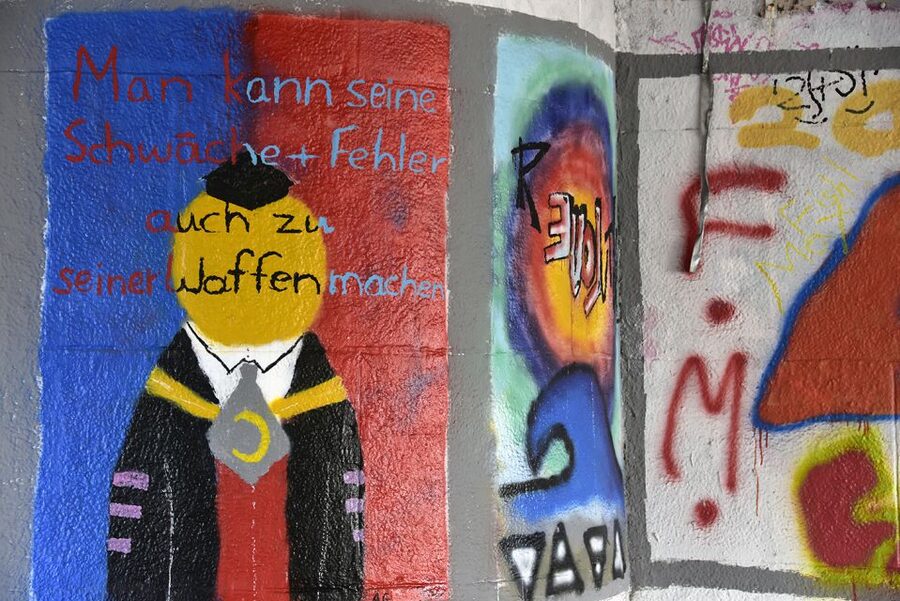
The guide is central to the value of this tour. Without explanation, you would still see striking art, but you would miss much of the story behind Munich’s graffiti culture.
The tour is conducted in German. If you do not speak German, you should treat that as a real consideration rather than a minor detail. One English-speaking family had guide Ulrike make a strong effort to explain the material in English, and found her friendly, patient, and helpful. That is encouraging, but it should not be taken as a promise that every departure will be bilingual.
Ulrike has also led the tour for German-speaking groups, where she introduced visitors to places in Munich that were new to them and explained the local scene in detail. If you are hoping for her specifically, ask the provider about guide availability when booking.
A private group option is available. That may suit you if your party wants a more flexible pace or if language needs make a private format more useful. The supplied information does not specify the private-group surcharge or maximum size, so those details need to be confirmed directly.
The tour has a listed rating of 4.6 out of 5 from 66 bookings. The strongest praise centers on the guides, the variety of stops, the unusual parts of Munich visited, and the comfortable rental bikes. Those are the areas I would value most when deciding if the price makes sense.
Is $40 a fair price?
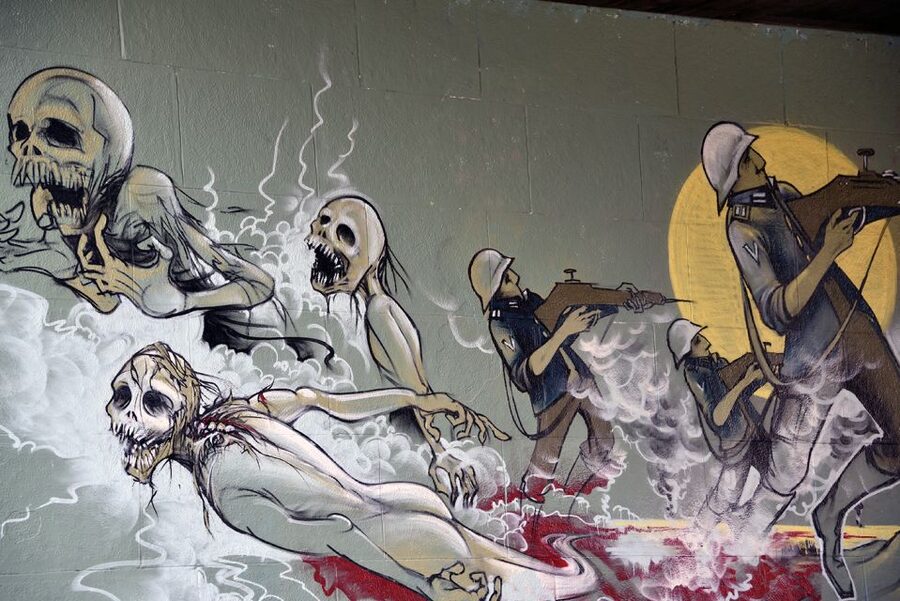
At $40 per person, the tour sits in a reasonable range for a 210-minute guided activity with bike rental included. You are paying for three main things: the bicycle, the guide’s interpretation, and a route that connects several parts of Munich without requiring you to plan the transport yourself.
The value is strongest if you are interested in urban art and would otherwise struggle to find the best locations. Street art changes, can be spread across large areas, and is often easy to miss. A local guide saves you the work of hunting for pieces and gives you the background that turns a wall into part of a larger story.
The value is weaker if you want a short, easy introduction to Munich or prefer classic sights. This is not a general city tour. You will spend much of the afternoon riding and stopping for street art, with only the city’s streets and districts as the wider setting.
The bikes also make a difference. You cover more ground than you could on foot, and the route reaches Giesing and the slaughterhouse district without taking time out for separate public transport journeys. For someone with limited time in Munich, that wider reach can justify the cost.
The tour offers free cancellation up to 24 hours before departure, and you can reserve now and pay later. Those policies make it easier to fit into a changing itinerary, though you should still check available starting times before making plans around it.
How long does 210 minutes feel?
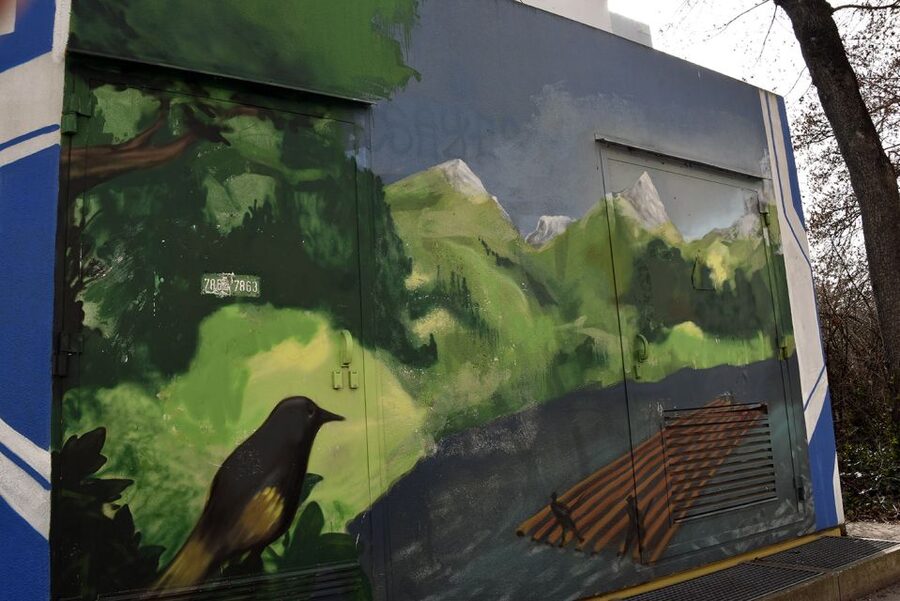
Three and a half hours is long for a guided activity, but the structure helps. The tour mixes cycling, walking, viewing art, historical explanation, and a break at the boat by the railway bridge.
If you are keen on graffiti, the time should feel purposeful. You get a broad look at Munich’s scene rather than a quick sample near the center. If your interest is only casual, the lengthy explanations and repeated stops may feel slow.
I would avoid placing this tour immediately after another demanding activity. Give yourself room to enjoy the ride instead of watching the clock. A full afternoon also lets you appreciate the change from Marienplatz to the river, Giesing, and the slaughterhouse district.
Weather matters. The tour is outdoors and bike-based, so rain or cold can affect comfort. The information does not specify a weather policy, so check with Munich Walk Tours if the forecast looks poor.
Who will enjoy this Munich bike tour?
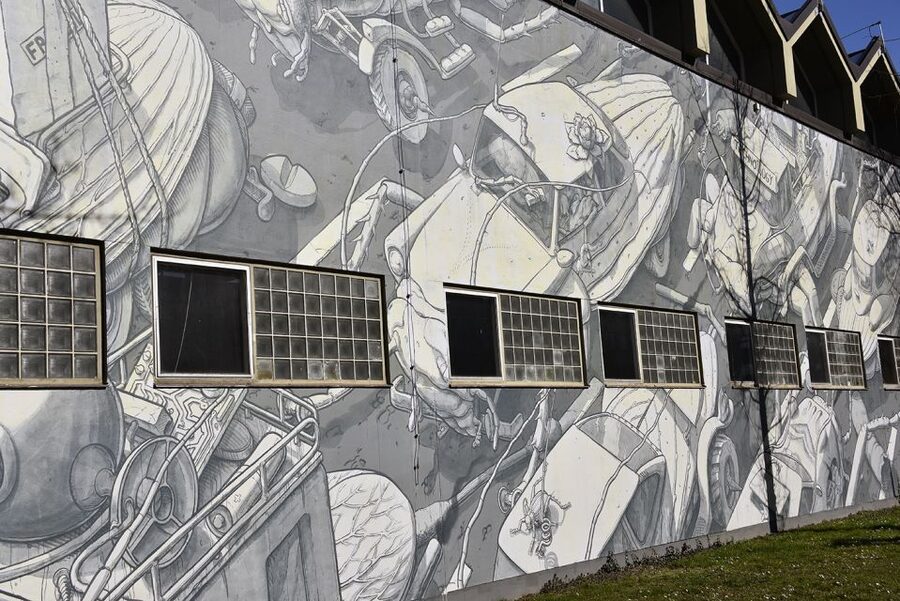
This outing suits you if you want to see an alternative side of Munich and like learning how art connects with a city’s past. It is particularly good for visitors who have already seen the main center and want a different afternoon activity.
It also works well for families with children aged 10 and above who enjoy biking and visual art. The experience of the two family groups suggests that age alone is not the deciding factor. A child who likes street art may enjoy the full route, while a child who dislikes long explanations may lose interest.
You should think twice if you do not speak German and need a fully English-language tour. The listed language is German, although Ulrike has made an effort to accommodate English-speaking participants. Contact the provider before booking if language is important to your enjoyment.
This is not suitable for wheelchair users, and children under 10 cannot join. Alcohol and drugs are not allowed.
Should you book the Street Art Bike Tour?
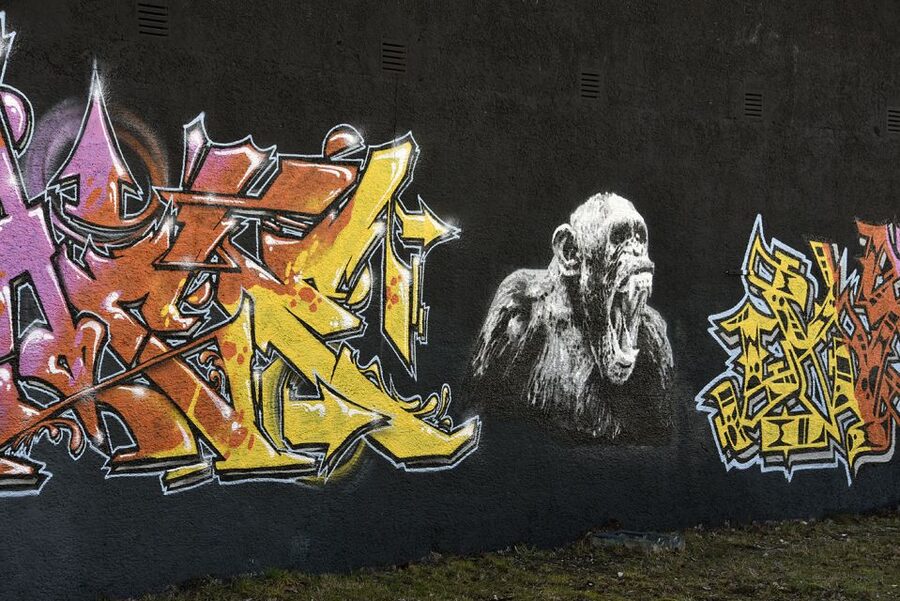
Book it if you want Munich beyond the usual old-town circuit, enjoy riding, and care about the story behind graffiti. The combination of the Isar, Giesing, the slaughterhouse district, and the railway bridge gives you a real sense of the city’s less polished side.
I would be especially happy to pay $40 if I wanted a local guide and did not want to spend hours locating scattered works on my own. The included bike and long route add practical value.
Skip it if you need a short activity, an English-guaranteed departure, or a fully accessible tour. For everyone else, this is a lively and unusually focused way to spend an afternoon in Munich, with the best parts coming from the city districts and the guide’s explanation of how graffiti took root here.
FAQ
Where does the Munich Street Art Bike Tour meet?
Meet your guide in front of the Tourist Information Office at Marienplatz. The guide will hold a yellow street art tour sign with red letters.
How long is the tour?
The tour lasts 210 minutes, which is 3.5 hours.
How much does the tour cost?
The listed price is $40 per person.
Are bicycles included?
Yes. Rental bikes are included in the tour price.
What language is the tour conducted in?
The listed tour language is German.
Can English speakers join?
Yes, English speakers can join, but the official tour language is German. Guide Ulrike has made an effort to explain the tour to English-speaking participants, so contact Munich Walk Tours if you need language assistance.
Is a private tour available?
Yes. A private group option is available.
Can children join the tour?
Children under 10 are not permitted. The tour may suit older children who are comfortable riding for several hours and listening to guided explanations.
Is the tour wheelchair accessible?
No. The activity is not suitable for wheelchair users.
Can I cancel for a refund?
You can cancel up to 24 hours in advance for a full refund. The tour also offers a reserve-now, pay-later option.
Just added around Munich
- Pub crawl incl. Oktoberfest museum guided tour with beer tasting (private)★ 5.0 · 5 reviews
- South Tyrolean specialties and wine tasting★ 5.0 · 5 reviews
- Size Matters Beer Tour Munich★ 4.6 · 105 reviews
- Secret Food Tours Munich★ 4.8 · 5 reviews
- Short & sweet: Tasting the Viktualienmarkt★ 4.8 · 37 reviews
- Residence of Munich private tour with skip the line ticket★ 5.0 · 4 reviews
- Munich: Romantic Wine Experience for Two at Viktualienmarkt★ 4.2 · 14 reviews
- Munich: Resistance against Hitler – Historical Walking Tour★ 5.0 · 5 reviews
Munich Tours, compared.
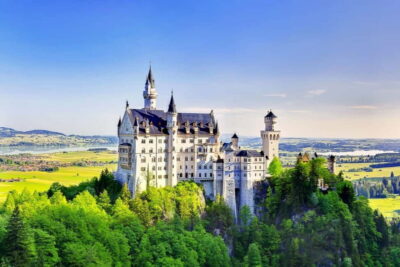

Neuschwanstein & Linderhof Castle-Fairytale Day Tour from Munich
Read our review →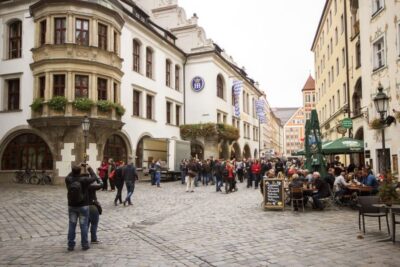
Dachau Concentration Camp Memorial Site Tour from Munich by Train
Read our review →
Munich Hop-On Hop-Off Tour: 1-Day or 2-Day Ticket
Read our review →Browse the lists this tour appears in