

Review · HANOVER TOURS
Hanover: Royal Gardens of Herrenhausen Guided Tour
Hanover’s Great Garden is not just a pretty park. It is a grand Baroque design laid out with ruler-straight paths, clipped boxwood, marble gravel, bright flower borders, and a fountain meant to impress. The 90-minute guided walk gives you the story behind all that order, including Elector Sophie’s role and Hanover’s link with the English royal family.
I like the way the tour brings attention to details you could easily miss, especially the fine boxwood patterns and the mosaic grotto by Niki de Saint Phalle. I also like the price: $18 includes admission and fast-lane entry, which makes this an easy add-on to a day in Hanover. The main drawback is that the live guide speaks German, so you will get far more from the tour if you understand the language.
Key points at a glance
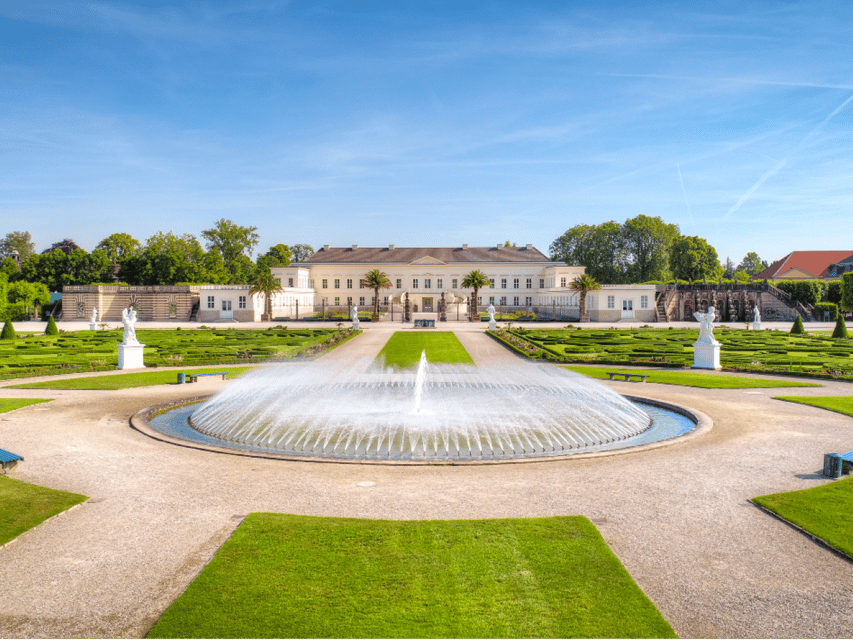
- A 300-year-old Baroque garden: Walk through one of Europe’s best-preserved formal gardens, created on a French model.
- Elector Sophie’s life work: Learn how one determined woman shaped Hanover’s most famous royal garden.
- The Great Fountain: See the garden’s most dramatic water feature during a guided route through its formal grounds.
- Niki de Saint Phalle’s grotto: Find colorful glass mosaics in a playful contrast to the garden’s strict geometry.
- German-language guiding: Guides including Roland Wagenführer, Frau Focke, and Herrn Kron have led lively, fact-filled walks.
- Good value at $18: Admission, the guided tour, and fast-lane entry are included.
Why Hanover’s Great Garden deserves your time
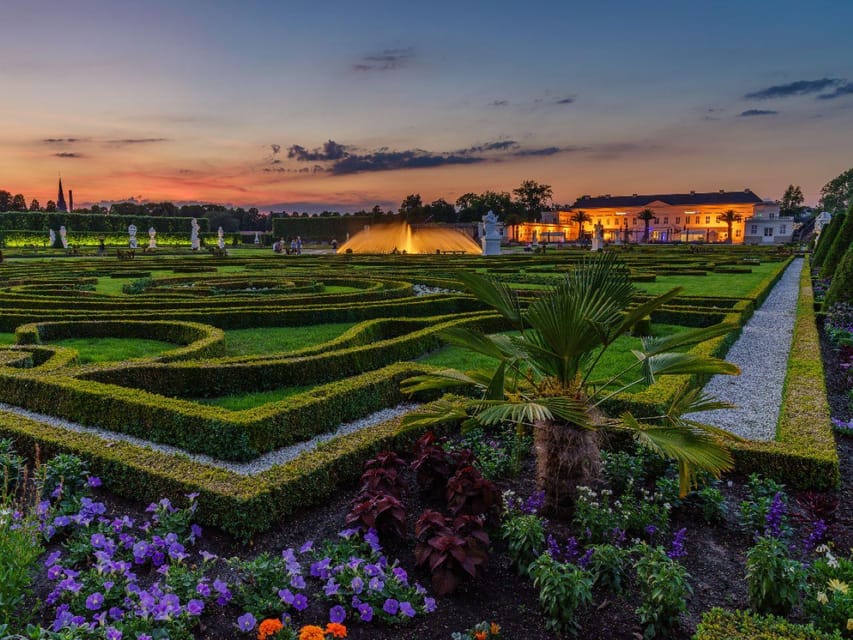
The Great Garden, or Großer Garten, was created more than 300 years ago when Elector Sophie of the Palatinate set out to shape a royal garden in the French style. Her model was the grand court garden associated with Louis XIV, and she made the project a major part of her life.
That background gives the garden more weight than a simple stroll through flower beds. The paths, hedges, gravel, fountains, and borders are arranged to create a controlled view at nearly every turn. You are looking at garden design as architecture, not just decoration.
The grounds cover about 200 acres, so a guided walk helps you focus. On your own, you might admire the flowers and take a few photographs, then leave without noticing how carefully the parts fit together. Your guide points out the narrow patterns, clipped edges, and changes in scale that make the garden work.
The experience is also a useful introduction to Hanover’s royal past. The connection with the English royal family is one of the tour’s main themes, giving the gardens a wider European setting. You are not only seeing a German Baroque garden. You are also hearing how Hanover’s ruling family became connected with Britain.
A few more Hanover half-days to weigh up
- Hannover: Guided Old Town Walking Tour
★ 4.5 · 338 reviews - Hannover: 24-Hour Hop-On Hop-Off Sightseeing Bus Ticket
★ 4.2 · 298 reviews - Hanover: Crime Walking Tour
★ 4.5 · 243 reviews
Meeting at Herrenhäuser Str. 5
The tour begins at Herrenhäuser Str. 5, at the main entrance. Look for the foyer in front of the television. That detail matters because the entrance area can be busy, and you do not want to wander around the grounds trying to find the guide.
Plan to arrive with comfortable shoes. The walk lasts about an hour and a half, and the experience is built around moving through the garden rather than sitting in one place. The route includes several sightseeing pauses, usually lasting about 10 minutes, with one longer 20-minute stop.
You return to the same entrance at the end. That makes planning easier if you have another Hanover activity afterward. The separate fast-lane entrance is also useful at busier times, since admission is already included in the tour price.
The tour is wheelchair accessible. Pets, drones, and bicycles are not allowed, so leave those behind. Starting times vary, so check the available departure when you book.
The first look: geometry, gravel, and clipped boxwood
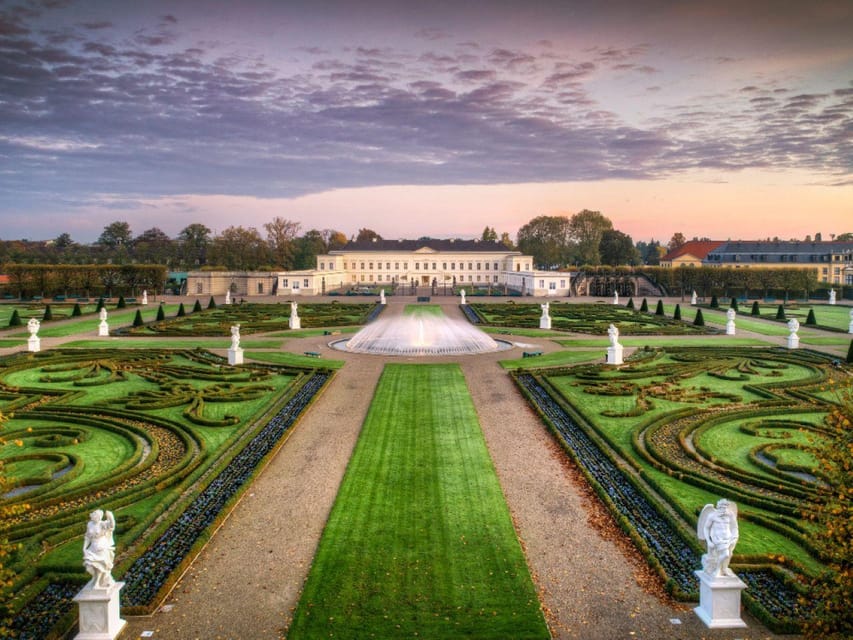
The early part of the walk introduces the garden’s strongest visual idea: control. Baroque garden design uses symmetry and repeated patterns to turn outdoor space into something almost architectural.
Pay attention to the boxwood borders. These low clipped plants form intricate shapes that can look simple from a distance but become much more detailed as you approach. Marble gravel adds pale lines and blocks of color, sharpening the patterns and keeping the design easy to read.
Your guide can explain how these elements work together. The boxwood gives the garden its fine outline, while the gravel creates contrast. Flower borders then soften the strict plan with seasonal color.
The time of year will affect what you see. An October walk, for example, will not have the same display as a summer visit. The garden still has its structure in every season, but flowers and foliage change. That is worth keeping in mind if you are booking mainly for the flower beds.
This is one of the tour’s most useful parts for anyone interested in gardens, design, or photography. You learn to look down at the patterns as well as out toward the larger views.
The Great Fountain and the garden’s grand scale
The Great Fountain supplies the big visual moment. After the close detail of boxwood and marble gravel, the fountain gives the garden a sense of height and ceremony.
The guide stops here for about 10 minutes, enough time to take in the view and hear why the fountain matters within the garden’s plan. It is not an isolated attraction. It helps organize the surrounding space and shows how Baroque gardens were designed to impress from a distance.
The fountain also helps you understand the ambition of the project. Elector Sophie’s garden was not a small private planting. It was a large formal statement modeled on French royal taste. The open views and repeated lines make the grounds feel ordered on a grand scale.
Do not expect a modern entertainment attraction. The pleasure is visual and historical. You are seeing proportion, perspective, and royal display rather than a performance or hands-on activity.
Same city, a completely different sort of afternoon:
- Hanover: SEA LIFE Entry Ticket
★ 4.1 · 160 reviews - SEA LIFE Hannover Ticket
★ 4.0 · 96 reviews - Hanover: Night tour with night watchman Melchior
★ 4.4 · 72 reviews - Hannover: Guided Bike Tour for Foodies with Tastings
★ 4.8 · 64 reviews
Flower borders and seasonal change
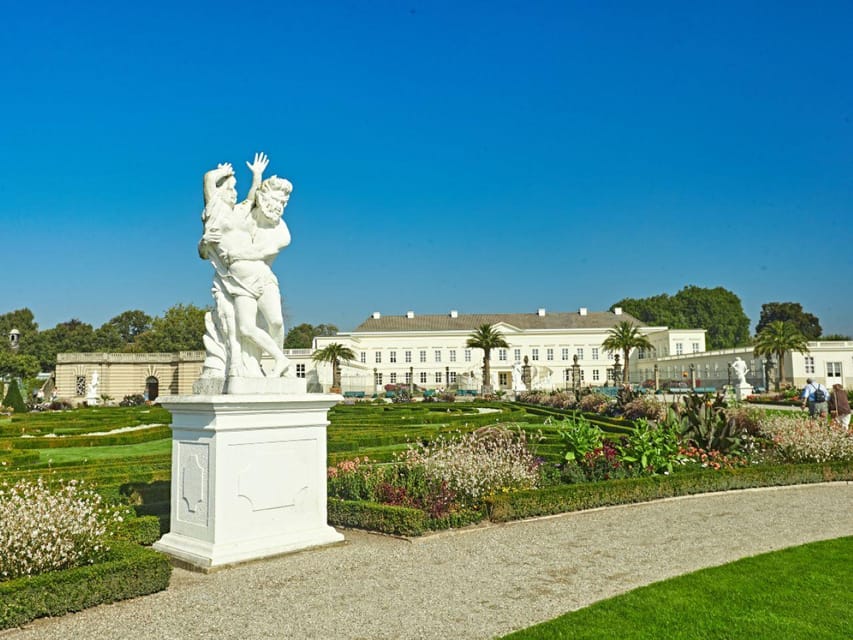
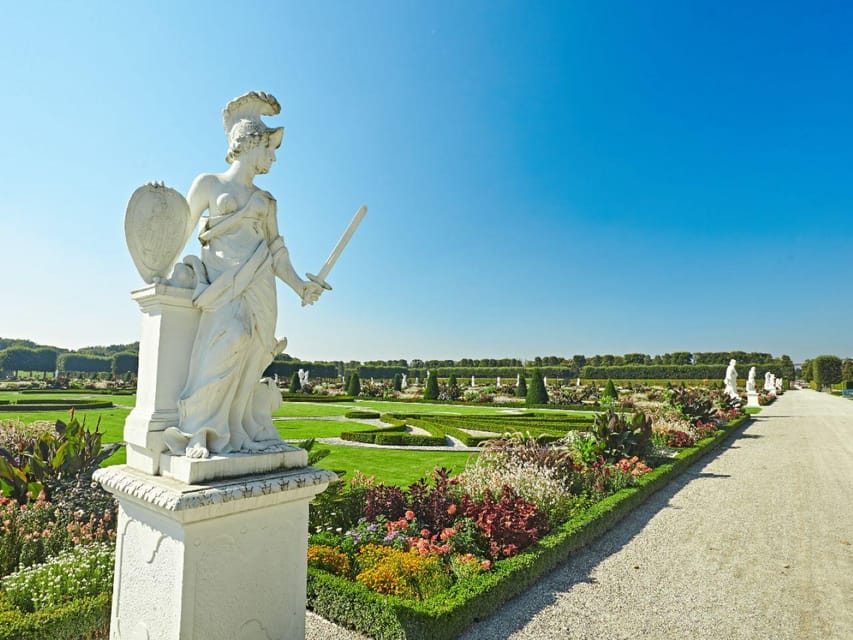
Colorful flower borders break up the garden’s formal structure. They bring the eye closer to ground level after the long views and central lines of the larger design.
The guide draws your attention to how flowers fit within the overall plan. They are not placed at random. Their borders sit within the boxwood framework, adding color without disturbing the garden’s disciplined appearance.
This is also where the season matters most. The tour does not promise one fixed display, and the conditions will affect what is in bloom. If you visit in autumn, you may find the garden more subdued than in the main flowering months, but the clipped forms, gravel, and layout remain visible.
I would book this experience for the design and history first, then treat the flowers as an added benefit. That approach keeps expectations sensible. A formal garden can be worth visiting outside peak bloom because its structure carries much of the experience.
Niki de Saint Phalle’s colorful grotto
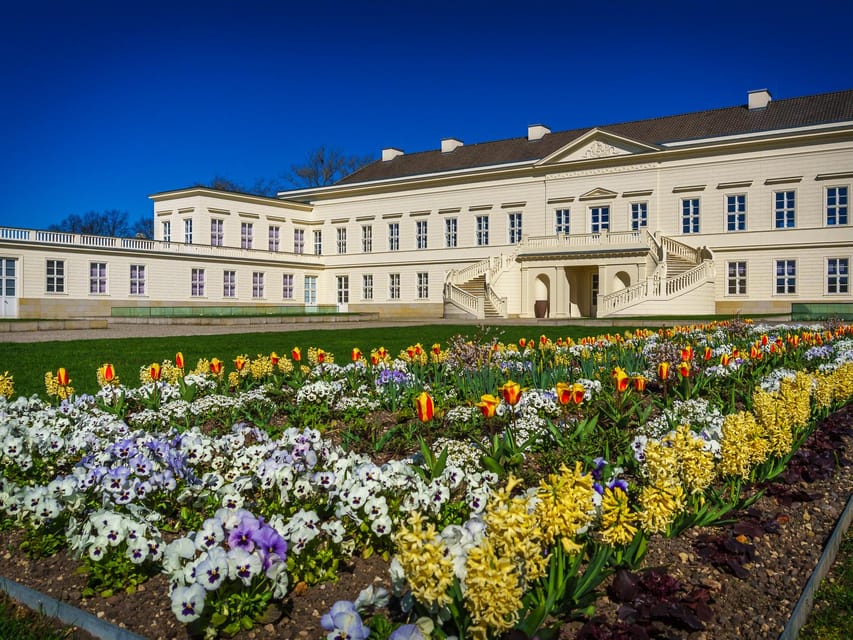
The grotto is the garden’s sharpest change of mood. It was designed by artist Niki de Saint Phalle and decorated with colorful glass mosaics.
After the restrained patterns of boxwood, gravel, and marble, the mosaics offer something brighter and more playful. The contrast is part of the appeal. You move from a carefully controlled Baroque design into a space shaped by a modern artist’s bold use of color.
The guide includes the grotto among the main stops, with a longer pause of about 20 minutes. That gives you time to look closely rather than treating it as a quick photo stop.
The grotto is especially useful for visitors who think formal gardens may feel too serious. It adds a different artistic voice and keeps the walk from becoming a single-style history lesson. You can appreciate the garden’s old design while also seeing a later work that responds to it in a completely different way.
If you enjoy art, the grotto may become your favorite part. If you come mainly for Baroque design, it still provides a helpful contrast and a memorable break in the route.
The story of Elector Sophie
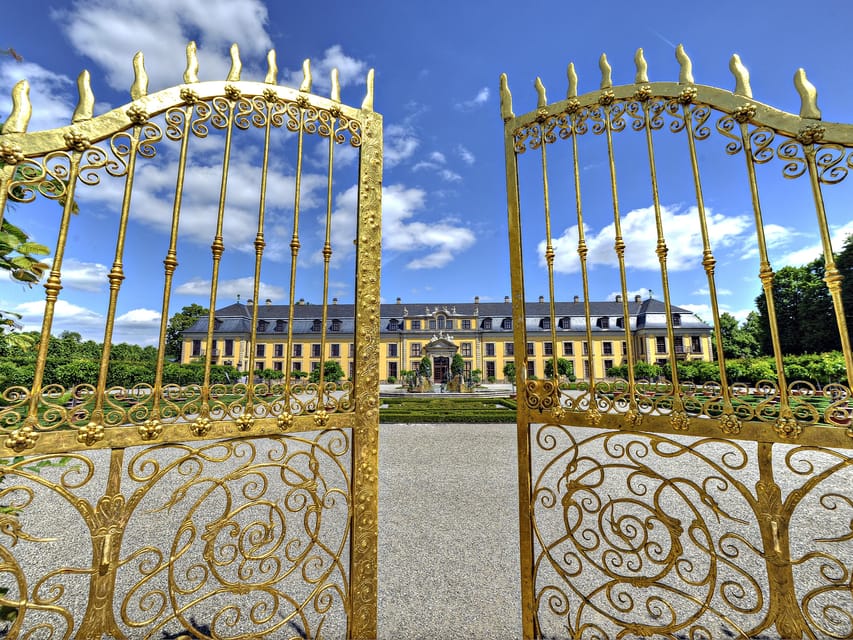
Elector Sophie of the Palatinate is central to the garden’s story. The city of Hanover owes the Great Garden to her decision to create a large French-style garden and make its development her life’s work.
That detail gives the tour a human focus. Instead of hearing only about dates, styles, and rulers, you learn about the woman who pushed the project forward. Her admiration for the court style associated with Louis XIV shaped the garden’s scale and appearance.
The tour also covers Hanover’s connection with the English royal family. This is valuable context because the garden was part of a court world that reached beyond the city itself. The guide connects the formal grounds with the dynastic story, giving you a clearer sense of why this place mattered.
The best guides make this history easy to follow without turning the walk into a lecture. Roland Wagenführer, Frau Focke, and Herrn Kron are among the guides praised for a warm manner, humor, and clear explanations. Names and assignments can change, so you should not book expecting one particular person, but the guiding style appears to be a real strength of the experience.
What the 90-minute route feels like

The walk is divided into a series of short sightseeing sections. Several pauses last about 10 minutes, while the grotto or another major part of the garden receives about 20 minutes.
That rhythm works well. You get enough explanation to understand each feature, then keep moving before the information becomes heavy. The route begins and ends at the main entrance, so you do not need to arrange a separate meeting point inside the grounds.
The tour is not designed as a rushed checklist. Your guide shows you the intricate corners, the Great Fountain, the grotto, and the garden’s main patterns. The exact order may vary, but the experience centers on seeing the garden as a complete design.
Comfortable footwear is a sensible choice. The tour lasts 1.5 hours, and standing during the pauses is part of the format. Wheelchair access is available, which makes the experience more practical for visitors with mobility needs.
Because the tour is in German, language is the key factor in deciding if it suits you. You might still enjoy the visual route without understanding every explanation, but you will miss much of the history and detail. One English-speaking participant appreciated hearing German but found that not understanding everything limited the experience.
The guides and the tone of the walk

The strongest comments focus on the guides’ ability to make the subject lively. Herrn Kron is described as interesting, relaxed, entertaining, and informative. Frau Focke is praised for using her expert knowledge to keep the tour engaging.
Roland Wagenführer receives particular praise for being friendly, sympathetic, and humorous. That personal touch matters in a garden tour. The Great Garden is large and formal, and a dry delivery could make the walk feel stiff. A guide who adds warmth helps the history stay with you.
The guiding is also detailed. You can expect explanations of the garden’s history, the royal connection, the patterns, and the main features. The strongest feedback comes from visitors who wanted both facts and an easygoing presentation.
Still, the language limit is real. The advertised live guiding is German only. If you need English, you should not assume that the guide can switch languages or provide a written translation.
Is $18 a good deal?
At $18 per person, this is a fair price for a 90-minute guided visit that includes entrance and fast-lane access. The value comes from combining the garden ticket with interpretation. You are paying not only to enter the grounds but also to understand why the design looks the way it does.
I would especially consider it good value if you are already interested in royal history, garden design, or European art. The guide helps turn details that might seem decorative into evidence of a planned court world.
The value is less clear if you only want a quiet, independent walk. In that case, the guide may interrupt your own pace, and the German narration may not add much if you do not understand the language. You also need to allow the full 1.5 hours rather than treating the garden as a quick stop.
Fast-lane entry adds a practical benefit. The amount of time saved will depend on conditions, but having a separate entrance can simplify arrival. Free cancellation up to 24 hours before the tour and reserve-now, pay-later booking also make it easier to fit into a changing Hanover schedule.
Who should book this garden tour?
I would choose this experience if you want the Great Garden explained rather than simply photographed. It is a good fit for adults interested in formal gardens, royal history, Baroque design, or Niki de Saint Phalle’s art.
It also suits visitors who prefer a compact guided activity. Ninety minutes is long enough to cover the major features but short enough to leave room for other Hanover sights.
Families may appreciate the grotto and the colorful mosaics, though the historical explanation is aimed at people who can follow a German-language tour. Wheelchair users can consider it because the tour is listed as accessible.
Independent visitors should ask themselves one question: can you follow German well enough to enjoy a detailed explanation? If yes, the guide adds real value. If not, you may prefer to visit at your own pace, unless the visual design alone is your main reason for going.
My verdict on the Great Garden tour
Book it if you want the garden’s patterns, fountain, royal background, and grotto tied together by a live guide. The price is modest, the route is manageable, admission is included, and the guides have a strong record for humor and clear information.
Skip it if you need an English-language tour or want complete freedom to linger at every flower border. For German speakers, though, this is a thoughtful way to see Hanover’s most important formal garden, with enough history to make the clipped hedges and grand fountain mean something.
FAQ
Where does the tour begin?
It begins at Herrenhäuser Str. 5, in the foyer in front of the television at the main entrance.
How long does the guided tour last?
The tour lasts 1.5 hours.
What language is the tour in?
The live tour guide speaks German.
Is admission included?
Yes. Entrance to the Great Garden is included in the tour price.
Does the tour include fast-lane entry?
Yes. Fast-lane access through a separate entrance is included.
Is the garden tour wheelchair accessible?
Yes, the activity is listed as wheelchair accessible.
What should I bring?
Bring comfortable shoes for the 90-minute walk.
Are pets, bikes, or drones allowed?
No. Pets, drones, and bikes are not allowed on the activity.
Just added around Hanover
- Taste and Travel Odyssey in Hanover★ 5.0 · 5 reviews
- Fritz Haarmann murder tour through Hanover’s old town★ 4.5 · 7 reviews
- Hanover Private Walking Tour With A Professional Guide★ 5.0 · 7 reviews
- Goslar City guided tour★ 4.5 · 11 reviews
- Guided tour of the New Town Hall in Hanover★ 5.0 · 4 reviews
- City walk through Hanover★ 4.0 · 20 reviews
- SEA LIFE Hannover Ticket★ 4.0 · 96 reviews
- Hanover: Old Town Historical Walking Tour by Geo Epoche★ 4.4 · 11 reviews
Hanover Tours, compared.







Browse the lists this tour appears in