
Review · STRALSUND TOURS
Stralsund: Factory Tour with Fermented and Organic Tastings
The most interesting part of this Stralsund tour is the chance to see fermentation at working scale. You move beyond a shop display and into production rooms where organic herbs, berries, roots, spices, and nine strains of lactic acid bacteria are turned into products for people, animals, and soil.
I like the small-group format, limited to six people, and the tasting at the end. I also like the family-business setting, where the process is explained with practical detail rather than polished factory theater. The main consideration is that this is a compact one-hour visit, so anyone expecting a large museum, a long production line, or a full meal should adjust expectations.
Key points at a glance
- See behind closed doors: The route includes production rooms normally off limits to the public.
- Explore organic fermentation: Learn how lactic acid bacteria work with herbs, berries, roots, and spices.
- Taste the finished products: The visit ends with a sampling of the company’s own recipes.
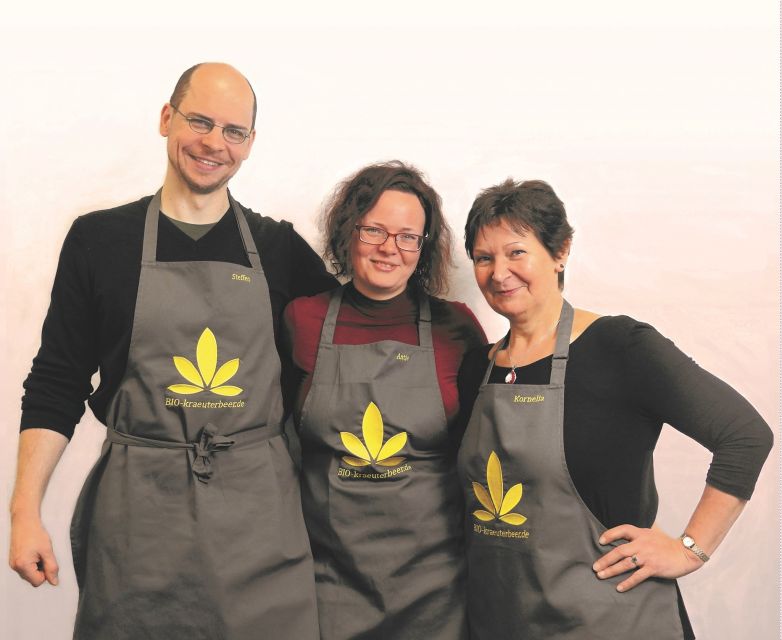
- Meet a small family business: The operation is described as handmade, personal, and quality-focused.
- Look beyond human food: The range also includes products for animals and soil preparation.
- Keep the visit flexible: The one-hour tour costs $11 per person, accepts groups of up to six, and allows cancellation up to 24 hours before the start.
Why this small Stralsund factory visit is different
Stralsund is better known for its old town, Baltic setting, and brick Gothic architecture than for fermentation. This tour gives you a different side of northern Germany: a working company using old natural processes in a modern organic business.
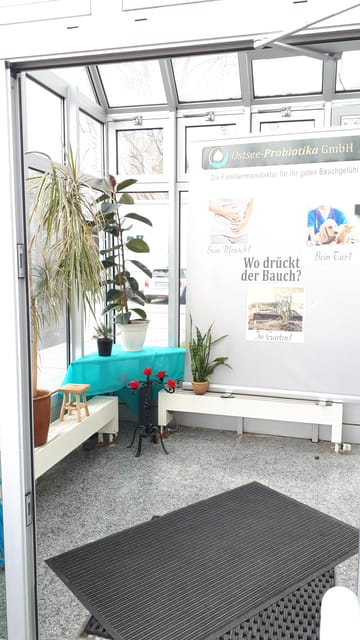
Ostsee-Probiotika GmbH makes fermented products with lactic acid bacteria, herbs, berries, roots, and spices. The products are BIO certified or approved for organic farming. That wording matters, because the company is not presenting fermentation only as a food trend. Its work also reaches into animal care and garden soil preparation.
I like that wider focus. You get a look at how one basic idea, supporting healthy natural processes, can be used in several areas. The tour does not stop at a jar of food. It connects what you eat with the care of animals and the condition of the soil where plants grow.
This is still a factory tour, not a cooking class or a medical consultation. You will learn what the company makes and how it is produced, but the supplied information does not promise recipes, hands-on fermentation, or health advice. Keep the experience in that lane and it makes good sense.
A few more Germany half-days to weigh up
- Stralsund: 1-Hour Harbor Cruise
★ 4.6 · 365 reviews - Baabe on Rügen: Seal-Spotting Cruise in the Baltic
★ 3.4 · 129 reviews - Stralsund: Stadtrundfahrt durch die historische Altstadt
★ 4.0 · 45 reviews
Entering the production rooms
The tour begins with a guide leading you into parts of the factory that are normally closed to the public. That access is the heart of the experience. You are not simply looking at finished packaging. You are seeing the rooms where ingredients pass through the company’s production steps before reaching customers.
The exact route and order can vary, but the tour is designed to explain the path from raw ingredients to finished products. Your guide covers the company’s working principles, the role of natural processes, and the decisions that shape daily production.
You might find the machinery more striking than the one-hour length suggests. One of the strongest points in the available feedback is the chance to see large equipment in a small family operation. That contrast helps you understand that handmade does not always mean tiny bowls and kitchen tools. A small company can still use serious production equipment while keeping close control over its ingredients and methods.
Photography and video recording are not allowed inside. That rule may disappoint anyone who likes to document every stop, but it also keeps the visit focused on listening and looking carefully. Weapons, sharp objects, drones, smoking, alcohol, drugs, and bare feet are also not allowed. Smoking indoors is specifically prohibited.
How nine bacteria strains shape the story
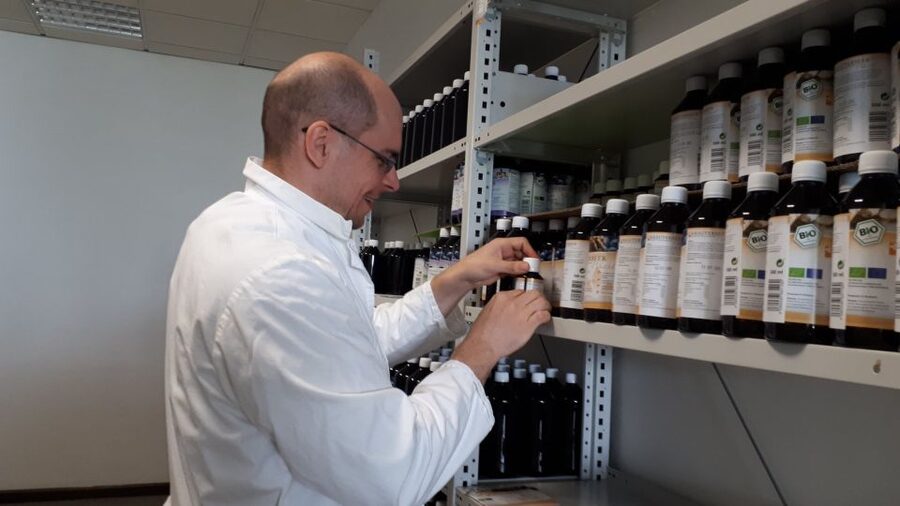
Fermentation can sound abstract until you connect it to a product you can see and taste. The guide explains how the company uses nine different strains of lactic acid bacteria alongside selected plants and spices.
That number gives the tour a useful point of detail. You are not hearing only that the food is fermented. You are learning that the business works with a particular mix of bacterial strains and ingredients. The company’s recipes also use handpicked herbs and special berries, along with roots and spices.
I would pay attention to the ingredient choices. Herbs and berries are not just decorative flavors here. They are part of the company’s formula, and the tour explains how natural ingredients fit into the production process. You may not leave with the technical knowledge to reproduce the products at home, but you should have a clearer idea of why fermentation depends on careful combinations rather than a single magic ingredient.
The tour is especially useful if you already have an interest in sour flavors, probiotic foods, organic farming, or traditional food preservation. It also works for curious visitors who know little about fermentation, since the guide explains the basic process in a factory setting rather than assuming specialist knowledge.
From herbs and berries to finished products
The company’s raw materials give the tour much of its character. The ingredients include handpicked herbs, berries, roots, and spices. These are combined with lactic acid bacteria in recipes made for several uses.
The focus on organic ingredients is one reason the $11 price feels reasonable. You are paying for a guided look at an active production site, an explanation of the company’s approach, and a tasting. At the same time, the visit is short, so the value depends on your interest in the subject. If you enjoy food production and small businesses, it is an inexpensive way to add something unusual to a Stralsund day. If you want a broad industrial tour with many rooms and long demonstrations, the price will not change the limited scale.
The company describes its production as handmade and quality-focused. That does not mean every step is done by hand, and the tour should not be read as a promise of a fully traditional workshop. Instead, expect a family-run operation combining natural ingredients, fermentation, and production equipment.
One useful feature is the explanation of the principles guiding everyday work. That gives the tour more depth than a simple list of machines. You learn not just what happens, but why the company chooses organic ingredients and natural processes.
Same city, a completely different sort of afternoon:
- Berlin: Reichstag, Dome and Government District Guided Tour
★ 4.7 · 18,288 reviews - Berlin: 1-Hour City Tour by Boat with Guaranteed Seating
★ 4.3 · 16,993 reviews - Hamburg: Sex and Crime in St. Pauli Tour for Ages 18+
★ 4.7 · 15,447 reviews - Hamburg: 1.5-Hour Harbor and Speicherstadt Day Cruise
★ 4.6 · 14,200 reviews
Products for people, animals, and gardens
Many food tours stay focused on human consumption. This one has a broader purpose. Ostsee-Probiotika also makes products for animals and for soil preparation in gardens.
That detail adds a practical lesson about fermentation. The same general concern for healthy natural processes can be applied to a person’s stomach, an animal’s digestive system, or the soil supporting plant growth. The company presents its products as a way to create what it calls a good gut feeling across those uses.
You should treat this as the company’s approach, not as a substitute for veterinary, medical, or horticultural advice. The tour provides information about the products and their production. It does not state that the guide diagnoses health problems or recommends treatment.
Still, the range makes the visit more interesting. You are not seeing a factory with one narrow product line. You are learning how a small business has built several kinds of products around fermentation and organic farming. For gardeners, animal owners, and people interested in sustainable food systems, this may be the most useful part of the tour.
The tasting: where the theory becomes practical
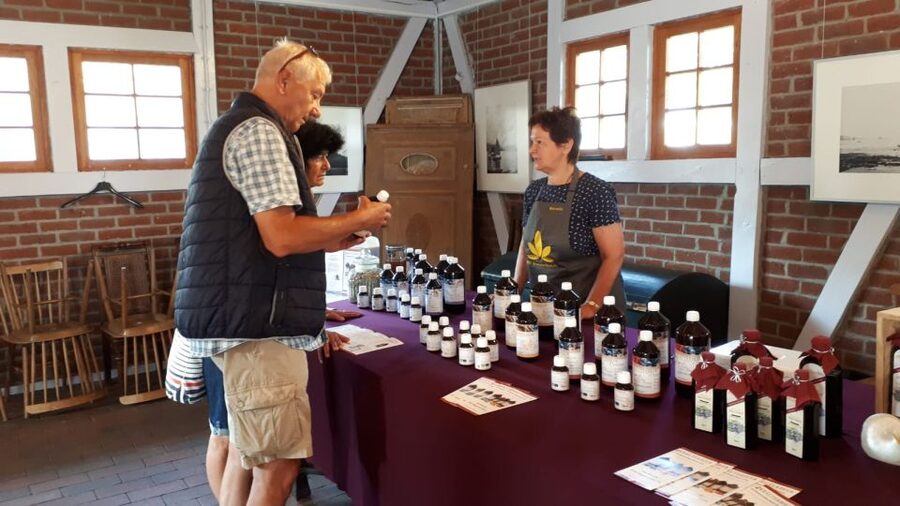
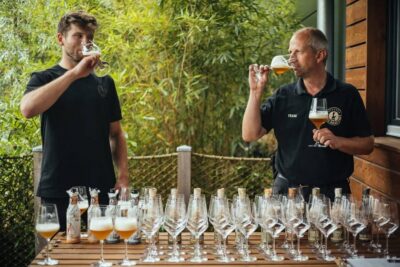
The final part of the visit is a tasting of the company’s products. This is important because fermented food can be difficult to understand from an explanation alone. Sourness, herbs, spice, sweetness, and texture make more sense once you try them.
One product specifically praised in the supplied information is the mustard, so expect it to be part of the tasting or at least part of the conversation around the range. Do not assume the tasting is a full lunch. It is a chance to sample products and connect the flavor with the production methods you have just seen.
I like this format. The tasting comes after the factory visit, so you have context before judging what is on your plate. You can think about the ingredients, the bacteria, and the natural processes while tasting the result.
Flavors may be more distinctive than standard supermarket food. Fermented products can have sharp or unfamiliar notes, and recipes containing roots, berries, herbs, and spices will not all appeal to every palate. That is not a flaw, but it is worth knowing before you book. This is a good choice for an open-minded eater, not necessarily for someone seeking familiar mild flavors.
A personal guide and a very small group
The group limit is six people. That is a real advantage in a production space. You are less likely to be lost at the back, and there is more room to ask about ingredients, equipment, and the company’s work.
The available information does not provide guide names, so you should not expect to book a particular named guide. Tours are offered in German, English, and French. Language choice can make a big difference here because fermentation involves processes and terms that are easier to follow when the explanation is clear.
The tone appears to be informal and personal. The company is described as a friendly family business, and the tour combines technical information with a relaxed sense of humor. One especially practical point is that the team made an effort to accommodate a late arrival in one case. You should still arrive on time, but the small-company setting may offer a little more human flexibility than a large attraction.
Wheelchair access is listed, making the experience suitable for visitors who need an accessible tour. For specific mobility questions inside the production rooms, it is sensible to confirm details before booking, since the available information does not describe every surface or doorway.
How the one-hour length works for a day in Stralsund
One hour is short enough to fit between other plans. You can add this visit to a day of sightseeing without giving up half the afternoon. It is also long enough for a clear introduction to the business, a look at production areas, and a tasting.
The short format has limits. You should not expect a long sit-down talk, a full walk through every department, or time to watch every stage of a batch from beginning to end. The company’s work involves production processes that may not all be running during your visit.
I see the compact timing as a strength for most people. The tour gives you a focused look at a niche business, then lets you get back to Stralsund’s other sights. It is a particularly good add-on for someone who wants one unusual local activity rather than another standard attraction.
Starting times vary, so check availability when booking. The tour costs $11 per person, and you can reserve now while paying later. Cancellation is free up to 24 hours in advance, which helps if your northern Germany plans are still changing.
What the overall experience delivers
The strongest part of this visit is the combination of access and explanation. You see rooms that are not normally open, hear how the company uses nine lactic acid bacteria strains, and taste products made from organic ingredients. Each part supports the next.
The family-business setting also gives the tour a sense of purpose. You are not only studying a production method. You are seeing how a small company has chosen to work with fermentation, organic ingredients, animals, and soil rather than mass-market food alone.
The main weakness is scale. This is not a major industrial attraction with a large exhibition, extensive displays, or a long itinerary. The one poor rating in the supplied information suggests the format will not suit every visitor, while the stronger feedback points to informative explanations, friendly staff, large equipment, handmade production, and the tasting as the main rewards.
I would also keep expectations sensible about the health claims suggested by the products. A good-belly theme is part of the company’s identity, but the experience is about production and tasting, not guaranteed health results. You can be interested in probiotics without treating the tour as medical guidance.
Who should book the factory tour?
I recommend this experience if you enjoy food origins, organic production, small businesses, or unusual local activities. It is also a smart pick for visitors who have already seen Stralsund’s main historic sights and want a closer look at present-day work in the region.
You will get the most from it if you ask questions and try the tasting with an open mind. The small group makes that easier. English and French tours also make the visit practical for international visitors, provided your selected time is offered in your preferred language.
I would skip it if you want a long attraction with many interactive stations, a full meal, or a broad history of Stralsund. I would also skip it if you dislike fermented flavors or cannot follow the site rules about photography, video, smoking, and personal items.
At $11 for a one-hour guided tour and tasting, the value is strong for the right audience. Book it for a focused look at organic fermentation and a family business with an unusual product range. Do not book it expecting a grand museum. Think of it as a compact, personal factory visit that ends with something on your tongue and a little more curiosity about what happens inside your stomach, your animal’s food, and your garden soil.
FAQ
Where does the factory tour take place?
The experience takes place at the Ostsee-Probiotika GmbH factory in Stralsund, in northern Germany.
How long does the tour last?
The guided visit lasts one hour.
How much does the experience cost?
The price is $11 per person.
What is included in the booking?
The booking includes a guided factory tour and a tasting of the company’s products.
Which languages are available?
Tours are offered in German, English, and French.
How many people can join the group?
The experience is limited to six participants.
Is the tour wheelchair accessible?
Yes, the activity is listed as wheelchair accessible.
Can I cancel for a full refund?
Yes. You can cancel up to 24 hours in advance for a full refund.
What is not allowed during the visit?
Weapons and sharp objects, smoking, drones, alcohol, drugs, video recording, photography inside, and bare feet are not allowed. Smoking indoors is also prohibited.
Just added around Germany
- e-Scavenger hunt Koblenz: Explore the city at your own pace★ 4.0 · 20 reviews
- Private city tour in Constance★ 4.0 · 5 reviews
- Konstanz Scavenger Hunt and Sights Self-Guided Tour★ 4.5 · 14 reviews
- Koblenz Guided tour of the Ehrenbreitstein Fortress★ 4.5 · 7 reviews
- Koblenz – Old Town with the Ehrenbreitstein Fortress★ 4.0 · 7 reviews
- Koblenz – Old Town including the Deutsches Eck★ 4.5 · 16 reviews
- Kiel – Private Historic Walking Tour★ 5.0 · 4 reviews
- Lubeck Private Walking Tour With A Professional Guide★ 4.5 · 10 reviews
Stralsund Tours, compared.

Baabe on Rügen: Seal-Spotting Cruise in the Baltic
Read our review →
Browse the lists this tour appears in