
Review · KARLSRUHE TOURS
Karlsruhe: Guided City History & Culture Walking Tour
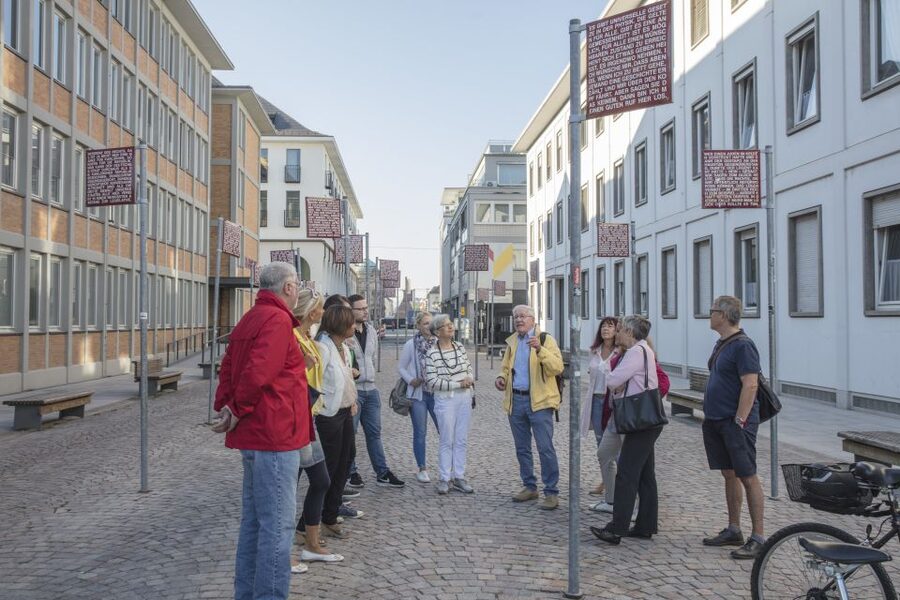
Karlsruhe was built from scratch in 1715, with streets spreading outward from the margrave’s palace like spokes from a wheel. That unusual design gives this 1.5-hour city walk a clear story from the start. I like the focus on Karl III Wilhelm and the city architect Friedrich Weinbrenner, two figures who help explain why Karlsruhe looks and feels different from older German cities. I also like the local guide’s mix of history, funny anecdotes, and useful tips.
The main limitation is language: the live tour is German only. You should also plan for the weather, since the entire experience takes place outdoors and runs in all conditions.
Key points to know before you book
- Karlsruhe began as a planned Baroque city in 1715, not as a settlement that slowly grew over many centuries.
- Karl III Wilhelm, Margrave of Baden-Durlach, is central to the story, including his decision to leave Durlach and establish a new capital.
- Friedrich Weinbrenner’s classical architecture adds a second layer, showing how Karlsruhe developed after its original Baroque plan.
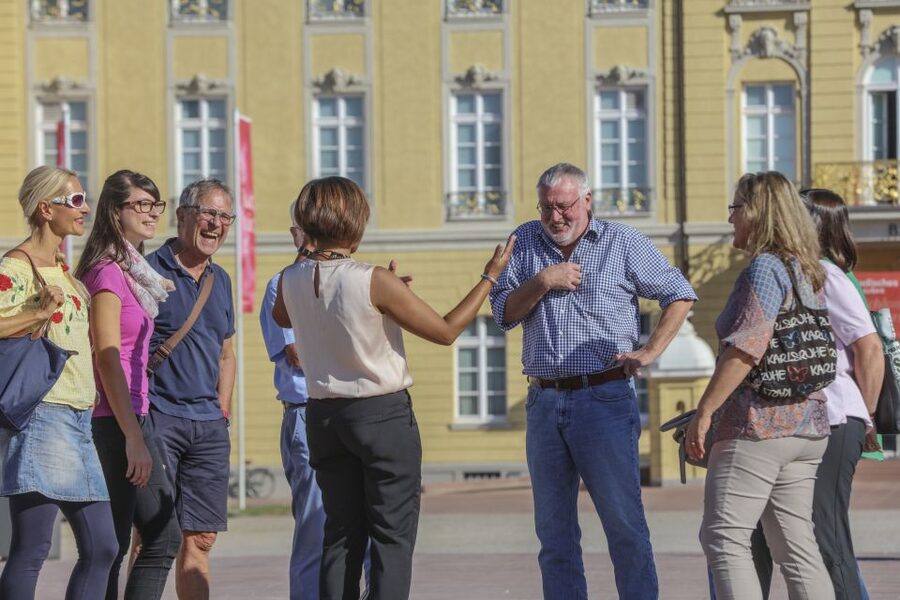
- The guide adds humor and personal tips, so this is more than a procession of dates and building names.
- Tuesday tours use a special theme, Hometown Karlsruhe: Residence of Law.
- The tour starts and finishes at the Tourist Information by the market square, with free cancellation up to 24 hours before departure.
Why Karlsruhe’s unusual design makes a good walking-tour subject
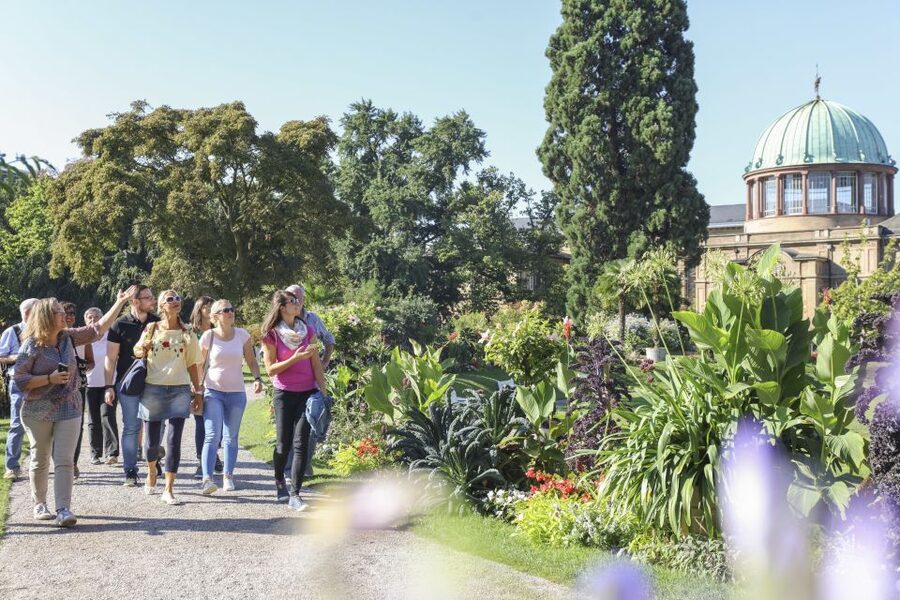
Karlsruhe is young by German city standards. Founded in 1715, it was planned as a Baroque residence rather than shaped by many generations of unplanned building. That makes its layout easier to understand on foot, especially with someone explaining the ideas behind it as you move through the center.
The city’s plan is tied to Karl III Wilhelm, Margrave of Baden-Durlach. He founded Karlsruhe after leaving the old capital of Durlach, and the tour asks the useful question: why build a completely new city at all?
That question gives the walk a human center. You are not simply memorizing a founding date. You are following the choices of one ruler, then seeing how those choices affected the streets, public buildings, and character of Karlsruhe.
I like tours built around a clear puzzle, and this one has one. Karlsruhe’s design can seem orderly at first, but the guide helps you understand why that order mattered in the 18th century. The city was considered a novelty in its time, and its early plan still shapes the experience today.
The walk also connects the founding period to later city development. The story of Karlsruhe does not end with Karl III Wilhelm. The influence of classical architect Friedrich Weinbrenner shows how the city changed while retaining its planned identity.
More history-led days in Germany:
- Leipzig: City History Canal Sightseeing Tour on a Motorboat
★ 4.7 · 6,232 reviews - Berlin: Natural History Museum Entrance Ticket
★ 4.6 · 3,382 reviews - Leipzig: 1.5-Hour Historical Walking Tour in German
★ 4.7 · 2,217 reviews
Starting at the market square and Tourist Information
The tour begins at the Tourist Information Karlsruhe beside the market square, at Kaiserstraße 72-74. This is a practical meeting point because you can find it in the central part of town and return there when the walk ends.
Starting and finishing in the same place makes the activity easy to fit into a day of sightseeing. You do not need to arrange a separate pickup or work out a return route from an unfamiliar part of the city. If you are using the tour to get your bearings, the central meeting point also gives you a useful base for further exploration afterward.
The exact route and stop-by-stop sequence are not specified, so you should think of this as a guided central walk rather than a fixed list of admissions. The guide leads you through Karlsruhe’s history and culture from the outside. Admission tickets are not included, and the description does not promise entry into museums, palaces, or other paid sights.
That is not necessarily a weakness. A short city walk works best when it keeps moving and uses the streets themselves as the main exhibit. Still, if you want extended indoor visits or detailed time inside particular buildings, you will need to arrange those separately.
Karl III Wilhelm and the decision to build anew
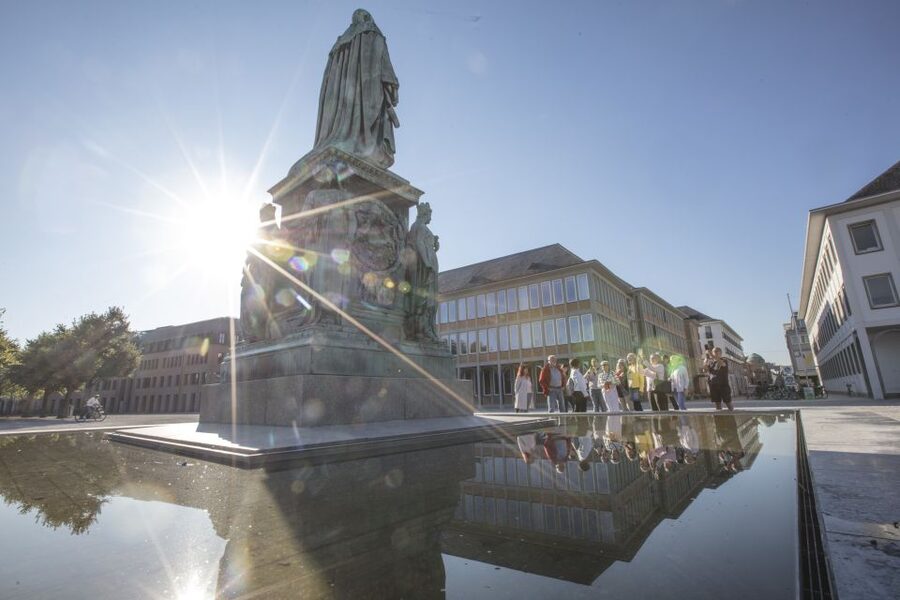
The founding story is the heart of the experience. Karl III Wilhelm, Margrave of Baden-Durlach, chose to establish Karlsruhe in 1715 rather than continue using Durlach as his capital. The guide explains what led to that decision and how the new city took shape.
This is the part I would pay close attention to, because it gives meaning to everything that follows. Without the founding story, Karlsruhe’s planned streets can feel like a visual curiosity. With it, the layout becomes a record of political ambition, personal choice, and Baroque city planning.
The tour invites you to walk in the footsteps of the margrave. That wording is useful because the experience is not presented as a lecture from a fixed room. You learn while moving through the setting where the city’s early story unfolded.
You should expect the guide to place Karlsruhe in its own time. In 1715, a planned residence city was a bold idea. The walk explains why Karlsruhe was unusual and how that pioneering spirit remains part of its identity.
The material should suit you if you prefer history with a strong sense of place. It may be less satisfying if you want a long political history of the entire Baden region, since the stated focus is Karlsruhe’s foundation and culture rather than a full regional survey.
Weinbrenner’s classical Karlsruhe
The second major thread is Friedrich Weinbrenner, the classical city architect associated with Karlsruhe. His work helps explain a later stage of the city’s development and gives the walk a contrast between the original Baroque plan and the more formal classical style that followed.
You do not need to be an architecture specialist to benefit from this section. The guide’s job is to show you what to notice: the effect of architectural style, the role of public buildings, and the way a planned city can change without losing its basic structure.
I like this pairing of Karl III Wilhelm and Weinbrenner. One explains the city’s birth, while the other helps explain its visual development. Together, they prevent the tour from becoming a single-period story.
The available details do not name individual buildings or promise entry into Weinbrenner sites. You should therefore expect exterior discussion and context during the walk. If a particular building interests you, use the guide’s personal tips to decide what deserves a return visit.
That is where the insider advice can add real value. A short tour cannot show you everything in Karlsruhe, but it can help you choose what to see next. The included tips are especially useful if this is your first visit or if you have only a limited amount of time in town.
More walking tours in Germany:
- Discover Berlin Half-Day Walking Tour
★ 5.0 · 9,624 reviews - Berlin: Third Reich and Cold War 2 Hour Walking Tour
★ 4.9 · 6,830 reviews - Munich: Third Reich & WWII Walking Tour
★ 4.6 · 6,181 reviews - Berlin: Discover Berlin Walking Tour
★ 4.9 · 5,998 reviews
Funny anecdotes and a more personal view of the city
The guide is expected to add amusing stories alongside the historical material. That matters. A list of names and dates may be accurate, but it rarely helps you remember a place. A funny anecdote can make Karl III Wilhelm, Weinbrenner, or a city custom easier to recall later.
The tone also sounds more personal than a formal audio guide. You receive local tips from a live German-speaking guide, and the walk is described as a way to experience Karlsruhe’s atmosphere rather than simply inspect monuments.
The clearest praise in the available feedback concerns the content and the way it is explained. One German-language comment describes the material as highly interesting and very well explained. That matches the strongest reason to book: the tour aims to make Karlsruhe understandable, not just visible.
You should keep your expectations sensible. Anecdotes depend on the guide leading your departure, and no specific guide names are provided. The experience promises a local guide, humor, and insider tips, but it does not guarantee a particular person or a set script.
Still, the format leaves room for a more natural exchange than a recorded commentary. If you have a question about the city’s founding or current character, a live guide can respond in the moment. If you prefer to move at your own pace and stop whenever you wish, a group walking tour may feel more structured than independent sightseeing.
What the 90-minute format gives you
At 1.5 hours, this is a compact introduction rather than an all-day history course. That length is one of its strengths. You can fit it into a morning or afternoon without giving up an entire day, and you still get enough time for a connected story about Karlsruhe’s origins and architecture.
A short walk also works well at the beginning of a visit. You can learn the city’s basic logic first, then return to places that caught your attention. The tour ends back at the Tourist Information, so you can continue exploring from the same central area.
The tradeoff is depth. A 90-minute tour cannot cover every district, museum, architectural period, or detail of Karlsruhe. The stated route centers on city history and culture, with particular attention to Karl III Wilhelm and Weinbrenner.
I would choose this activity when I want context before visiting sights on my own. I would not choose it as a replacement for a full museum visit, a specialist architecture tour, or a broad regional history program.
Tuesday’s special theme: Residence of Law
Tuesday departures follow a different theme called Hometown Karlsruhe: Residence of Law. That detail can affect your booking decision.
If you want the standard account of Karl III Wilhelm, the founding of Karlsruhe, and Weinbrenner, check the available date and theme before reserving. If the Tuesday focus interests you, it offers another way to understand the city beyond its Baroque origins.
The supplied information does not give further details about the Residence of Law route, so I would not assume it covers the same stops or emphasis as the regular history and culture walk. Treat Tuesday as a separate thematic option and confirm the wording when you check availability.
This variation is useful for repeat visits. Someone who has already learned the basic founding story may prefer a more focused topic. First-time visitors should simply make sure the selected day matches what they want to learn.
Price, value, and what is not included
At $12 per person, the tour is priced as an affordable introduction to Karlsruhe. The value comes from the guide’s explanation, not from admission to an attraction. Since there are no included food, drinks, or ticketed entries, you are paying for 90 minutes of local interpretation and practical advice.
That is a fair trade if you want help making sense of the city. A planned city can be easier to appreciate once someone explains why it was designed that way. The guide may also save you time by pointing out places worth a closer look after the tour.
The value is less clear if you already know Karlsruhe well or speak German only at a very basic level. Since the live tour is in German, the language can determine how much you get from the price.
You should also budget for any optional activities or admission fees you choose after the walk. Those costs are separate. The tour itself does not include food or personal expenses.
Free cancellation up to 24 hours before the start lowers the risk of booking ahead. You can also reserve and pay later, which helps if your schedule is still changing. These terms are useful, but the main question remains whether the German-language format suits you.
Weather, access, and day-to-day comfort
This is an outdoor tour in all weather. Wear shoes suitable for walking and dress for the forecast, including rain protection or extra layers when needed. Karlsruhe’s weather can affect your comfort more than the moderate price, so do not treat the walk as a casual indoor activity.
The tour is wheelchair accessible, an important practical point for visitors who need a step-free experience. The information does not provide details about the surface, restroom access, or the exact length of every pause, so you may want to confirm any specific mobility requirements before booking.
Children under three can participate free of charge. The tour is still a history-focused walk, so families should consider whether young children will be comfortable outdoors for 90 minutes. The material may suit older children who enjoy stories about rulers, city planning, and unusual buildings.
Alcohol and drugs are not allowed. Food and drinks are not included, so plan those separately around the activity if needed.
Who should book this Karlsruhe walking tour?
I would recommend it most strongly to first-time visitors who want a clear introduction before exploring alone. It is also a good fit for people who enjoy architecture, city planning, and stories about how political decisions shape streets.
The tour may suit you if you like:
- Short guided walks with a defined historical theme
- Learning from a local German-speaking guide
- Architecture explained in plain terms
- Funny anecdotes mixed with serious history
- Personal tips for further sightseeing
- An affordable activity near the city center
I would be more cautious if you need an English-language tour, want an indoor activity, or expect admission to major attractions. You should also check the Tuesday theme if you are booking that day.
The 4.5 rating from 79 reviews supports the idea that the tour delivers a solid, well-explained introduction. The strongest praise centers on interesting content and clear explanations, which are exactly the qualities that matter most in a city history walk.
Should you book the Karlsruhe history and culture walk?
Book it if you want Karlsruhe to make sense quickly. The city’s 1715 founding, Karl III Wilhelm’s break with Durlach, and Weinbrenner’s classical influence give the tour a strong backbone. The guide’s anecdotes and personal tips add warmth to what could otherwise be a dry architecture lesson.
Skip it if German is not workable for you or if you prefer to explore without a fixed pace. Also look elsewhere if your main goal is entering museums or historic buildings, since admission tickets are not part of the experience.
For $12, this is a sensible way to spend 90 minutes near the market square. Check the day, confirm the starting time, dress for outdoor conditions, and use the walk as a foundation for your own Karlsruhe sightseeing.
FAQ
Where does the Karlsruhe walking tour start?
The tour starts at the Tourist Information Karlsruhe by the market square, Kaiserstraße 72-74, 76133 Karlsruhe.
Where does the tour end?
The activity ends back at the meeting point at the Tourist Information Karlsruhe.
How long does the tour last?
The guided walk lasts 1.5 hours.
What language is the tour conducted in?
The live tour guide speaks German.
Is the tour wheelchair accessible?
Yes, the activity is listed as wheelchair accessible.
Does the tour run in bad weather?
Yes. The tour takes place outdoors in all weather, so you should dress according to the forecast.
Can I cancel the booking?
You can cancel up to 24 hours in advance for a full refund. You can also reserve now and pay later.
Just added around Germany
- From Berlin: Gardens & Palaces of Potsdam Bike Tour★ 5.0 · 61 reviews
- Berlin: Battle for Seelow Heights WW2 tour -Clash of Titans★ 5.0 · 27 reviews
- From Amsterdam: Cologne Private Sightseeing Tour★ 5.0 · 4 reviews
- From Berlin: Historical Gems of Potsdam Private Day Trip★ 4.4 · 4 reviews
- Freiburg: Veni, vidi, vino – wine hike and tasting★ 4.5 · 144 reviews
- From Alken: Return Day Trip by Boat to Cochem★ 4.6 · 141 reviews
- Fritz Haarmann – Die Mördertour★ 4.6 · 41 reviews
- Freiburg: Tour of the city with cathedral visit★ 4.7 · 167 reviews
Karlsruhe Tours, compared.

Geflüster auf dem roten Teppich Themen-Stadtführung
Read our review →Browse the lists this tour appears in