
Review · HAMBURG TOURS
Hamburg: Emigration Museum BallinStadt Entry Ticket
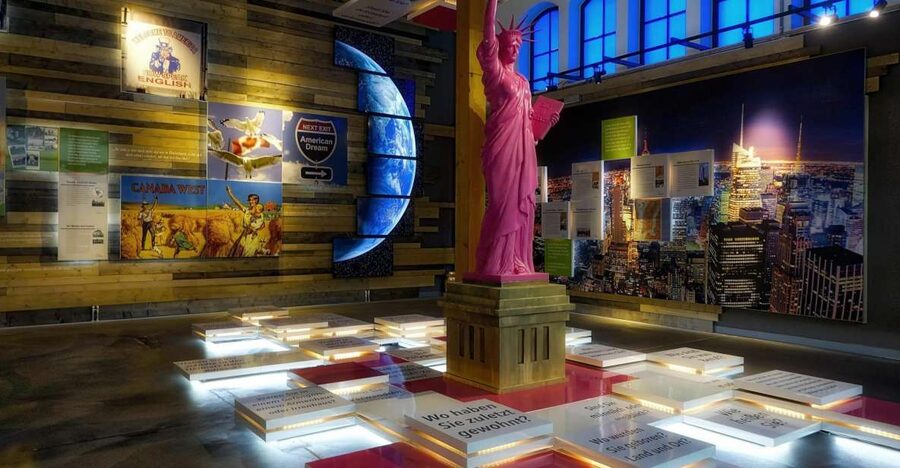
Millions of Europeans once passed through Hamburg on the way to the Americas, and BallinStadt puts you close to that human story. The museum covers the hopes, fears, paperwork, waiting, and hard choices behind a move across the ocean, not just the final voyage.
I like the clear, visual storytelling and the chance to use a large genealogical database to investigate your own family. I also like that three exhibition areas give you different ways into the subject: personal stories, camp life, shipboard travel, and global migration.
The main consideration is time. This is not a quick port-of-call attraction if you want to read the displays and use the research station. Some content may also feel heavy, since it deals with poverty, separation, uncertainty, and starting over far from home.
Key points to know before you go
- Three exhibition areas: See Port of Dreams, World in Transit, and a temporary specialty exhibition.
- Hamburg’s emigration role: Learn how the city handled millions of people leaving Europe from the 16th century onward.
- Life before departure: Explore how emigrants arrived, waited, and lived in an organized camp before boarding ships.
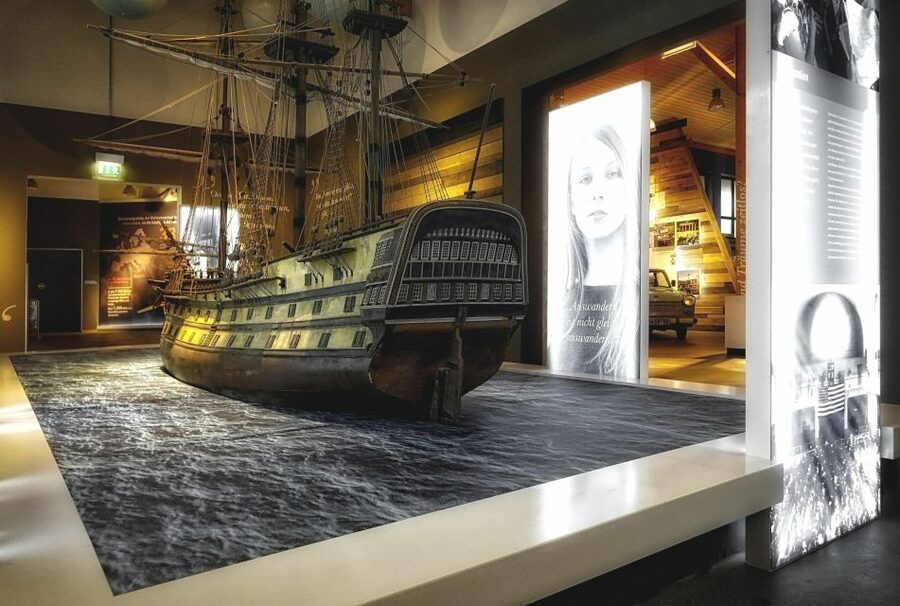
- A look at ocean travel: Get a sense of daily life aboard a passenger ship bound for the New World.
- Family-history research: Use the research station and one of the world’s largest genealogical databases.
- Good practical value: The $16 admission is valid for one day, with free parking and wheelchair access.
Why BallinStadt matters in Hamburg
Hamburg is often called the gateway to the world, and BallinStadt explains why that phrase carries real weight. From the 16th century onward, the port connected European families with distant places where they hoped to work, settle, or simply survive.
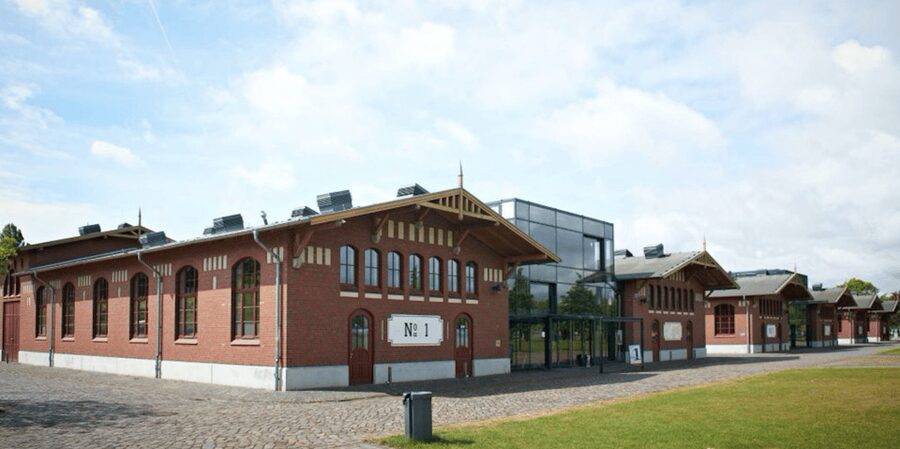
The museum is located at the former emigration camp area associated with the city’s passenger traffic. That setting gives the subject a useful sense of place. You are not only looking at maps and dates. You are learning what happened to people during the days or weeks between leaving home and boarding a ship.
For many emigrants, Hamburg was a temporary home filled with practical worries. They needed food, lodging, documents, medical checks, transport, and passage. They also had to wait among thousands of other people who were making the same uncertain move.
That waiting period is one of BallinStadt’s most useful subjects. It helps you understand migration as a process rather than a single dramatic departure. The ocean crossing mattered, but so did everything that happened before the ship left.
The museum also gives attention to the forces pushing people out of Europe and pulling them toward new countries. Economic pressure, family decisions, political conditions, and the hope of a better life all appear in the story. The focus is broad enough to connect European emigration with migration questions that still matter today.
More museums and galleries in Hamburg:
- Hamburg: International Maritime Museum Entrance Ticket
★ 4.7 · 547 reviews - Hamburg: Entrance to the Museum Ship Cap San Diego
★ 4.7 · 467 reviews - Hamburg: RICKMER RICKMERS Museum Entry Ticket
★ 4.6 · 269 reviews
House 1 and the start of the visit
Begin at the ticket office in House 1. Your admission is valid for one day, so you do not need to rush through every display in a single short visit.
The experience is built around museum exhibitions rather than a guided walking tour. That means you can set your own pace, pause at displays that matter to you, and spend extra time on family research if that is your main goal.
I would begin with the basic timeline and the explanation of Hamburg’s role. Once you understand the movement of people through the port, the personal accounts and objects make more sense.
The museum uses interactive displays and visual material to make a subject with many dates and names easier to follow. A German-language assessment described the history as important, clear, understandable, and lively. That is a useful way to think about the visit: serious material presented in a form that does not require a university course to follow.
Port of Dreams and the road to departure
The first main exhibition, Port of Dreams, focuses on the people who wanted to leave Europe and on Albert Ballin, the figure who gave the museum its name.
Here you learn about the hopes behind emigration, but also about the practical route toward departure. People had to reach Hamburg, find a place to stay, and wait for their passage. The exhibition helps you picture the port as a place of expectation, not only ships and cargo.
The emphasis on Albert Ballin adds a second angle. You see how one person helped shape the system that made large-scale emigration possible. His role links business, passenger shipping, and the organization of the emigration camp.
I like this part because it moves between large systems and individual choices. You learn about the machinery of migration, yet the main subject remains the person trying to begin again somewhere else.
Look for the details of camp life. The museum explains how emigrants lived while waiting to be shipped to the New World, including the challenges of being in transit. This was not a holiday stop. It was a period of uncertainty, and the displays help explain the strain of living with limited control over what happened next.
The exhibition also gives you a sense of how different the process was for people who had little money or information. A modern passenger may see a ticket as the start of a trip. For an emigrant, the ticket could represent a major family decision, a financial risk, and a break with familiar surroundings.
World in Transit across 14 themed rooms
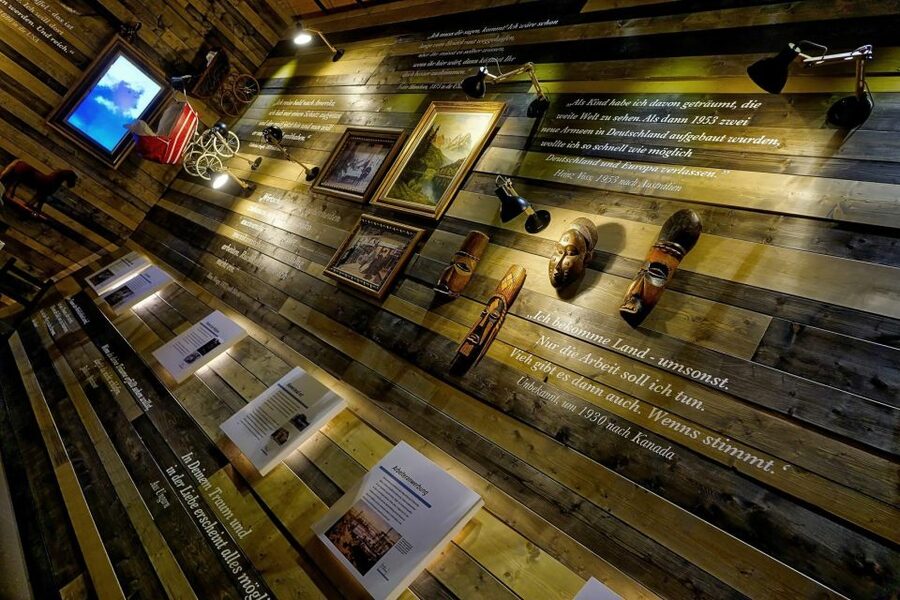
The second major exhibition, World in Transit, widens the view from Hamburg to five centuries of emigration and immigration.
Its 14 themed rooms look at different countries and migration patterns. The format is multi-visual, so the material is not limited to long blocks of text. That matters if you are visiting with family members who prefer images, objects, and short explanations to dense museum panels.
The rooms explore places that may seem far away but are tied to familiar migration stories. You see how movement changes both the people who leave and the communities they enter.
The exhibition’s strongest idea is the mix of push and pull factors. Some people leave because staying is no longer possible. Others are drawn by work, family, safety, land, or the chance to build a different future. Often, several reasons overlap.
I would take time with this section rather than treating it as a quick international overview. The point is not to memorize every country represented. The point is to compare experiences and notice how often similar hopes appear in different periods and places.
This section can also be helpful if you are visiting with children or teenagers. Migration is presented as something shaped by decisions and circumstances, not as a dry sequence of historical events. Still, younger visitors may need help with some of the more difficult subjects, especially displacement and separation.
A few more Hamburg half-days to weigh up
- Hamburg: Sex and Crime in St. Pauli Tour for Ages 18+
★ 4.7 · 15,447 reviews - Hamburg: 1.5-Hour Harbor and Speicherstadt Day Cruise
★ 4.6 · 14,200 reviews - Hamburg: 90-Minute Evening Lights Harbor Cruise
★ 4.5 · 7,728 reviews - Hamburg: 2-Hour XXL Port of Hamburg Cruise Tour
★ 4.7 · 6,979 reviews
Passenger ships and the uncertainty of ocean travel
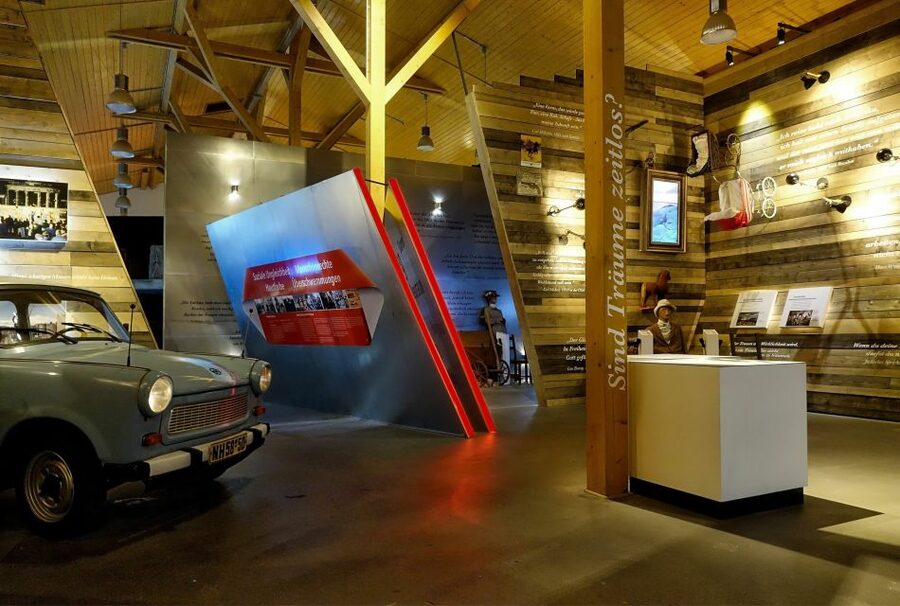
BallinStadt gives you a glimpse into life aboard a passenger ship. The shipboard material connects the emotional story of departure with the physical reality of the journey.
A sea crossing could mean days of shared space, unfamiliar routines, and little privacy. The museum does not treat the voyage as a romantic adventure alone. It places ship travel within the larger experience of starting over.
This is important because popular images of immigration often jump from a person leaving Europe to a new life in America. BallinStadt fills in the missing middle. You see the waiting at the camp, the boarding process, the conditions on the ship, and the uncertainty of arrival.
Do not expect a full-size cruise experience or a long ship simulation. The attraction offers a glimpse rather than a complete reconstruction. Its value comes from adding physical and practical context to the personal accounts elsewhere in the museum.
The changing specialty exhibition
A third exhibition area changes its subject every few months. The exact theme depends on the date of your visit, so I would treat it as an extra reason to look around rather than plan your entire visit around a specific display.
Temporary exhibits can add a new angle to migration, identity, or personal stories. They also give the museum a reason to return to familiar themes from a different point of view.
If you have already visited BallinStadt, this changing section may be the part most worth revisiting. If this is your first visit, see the permanent exhibitions first, then use the specialty area to extend the story.
Researching your own family at the genealogy station
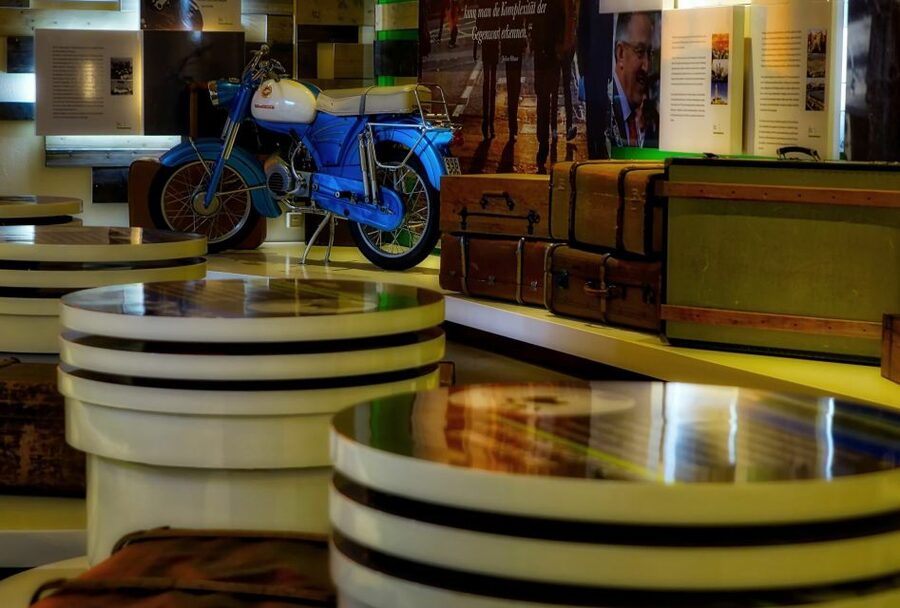
The research station is one of BallinStadt’s most personal features. You can use it to investigate your family history through a very large genealogical database.
This is where the museum may shift from general history to your own questions. You might find a name, departure record, or family connection that changes how you understand an ancestor’s move. You might also find nothing conclusive, so keep your expectations sensible.
The research station is best used with some preparation. Bring the names, approximate dates, and places you already know. Even incomplete information can help you search, but a clear starting point saves time.
If genealogy is your main reason for visiting, allow extra time rather than trying to squeeze the search into the last few minutes. The museum is valid for one day, and that flexibility is useful here.
I would also separate two goals: confirming a family story and learning about the wider migration system. The database may help with the first, while the exhibitions provide the context for the second.
How long to spend and who will enjoy it
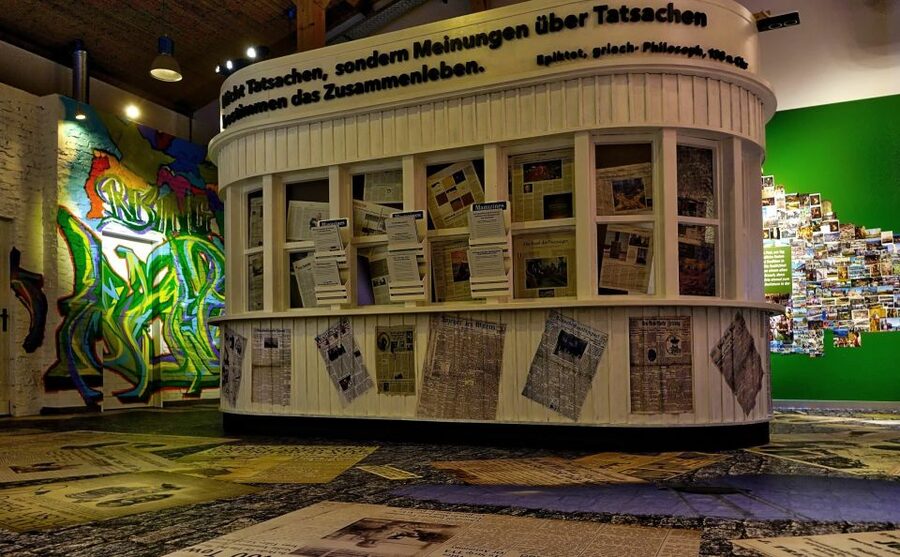
The ticket is valid for one day, but the right visit length depends on your interest. You can see the main themes fairly quickly, yet reading the displays and using the genealogy station can turn the visit into a much longer outing.
I would recommend BallinStadt to anyone interested in family history, European migration, Hamburg’s port, or the social side of ocean travel. It also suits visitors who want a museum experience with more substance than a quick collection of ship models.
Families can use the interactive displays to keep the visit moving, though the subject is not light. Adults researching ancestors may want a quieter pace and more time at the database.
The museum is wheelchair accessible, which makes it a practical choice for a wider range of visitors. Free parking is available at the museum, another advantage if you are reaching Hamburg by car.
Pets are not allowed. Food and drinks are not included, so plan those separately rather than expecting the admission ticket to cover refreshments.
Is the $16 ticket good value?

At $16 per person, BallinStadt is reasonably priced for a museum visit that combines permanent exhibitions, a changing specialty area, and genealogy research.
The value depends on how you use it. If you rush through in under an hour, the ticket may feel less worthwhile. If you read the main displays, compare the 14 rooms in World in Transit, and spend time on family research, the one-day validity gives you room to make the admission count.
The museum also offers something difficult to find in a standard port museum: a link between public history and private memory. You can learn about millions of emigrants, then search for one family name.
That combination makes the ticket especially useful for people with a Hamburg connection or an ancestor who left Europe by ship. Even without a family link, the exhibitions explain the port’s role in a way that gives more meaning to Hamburg’s international identity.
The activity also has a flexible booking policy. You can cancel up to 24 hours ahead for a full refund, and reserve now while paying later. Those terms do not change the museum experience, but they make it easier to fit into a changing Hamburg schedule.
Should you book BallinStadt?
Book it if you want to understand the human side of Hamburg’s port, especially if you enjoy museums that connect big events with ordinary families. Make time for the genealogy station if you have names and dates to investigate.
You may want to skip it if you are looking only for a short, light attraction or if you have no interest in migration, family history, or social history. The material asks for attention, and some of it is difficult.
For most visitors, the $16 ticket is a fair buy. The clearest reasons are the well-organized exhibitions, the honest look at life before and during the voyage, and the chance to connect the museum’s story with your own family.
FAQ
Where is the BallinStadt museum located?
The museum is in Hamburg, Germany. You should check in at the ticket office in House 1.
How long is the BallinStadt ticket valid?
The entry ticket is valid for one day. Starting times and availability should be checked when booking.
What does the ticket include?
The ticket includes entry to the museum and its exhibition areas. Food and drinks are not included.
Can I research my family history there?
Yes. BallinStadt has a research station where you can investigate your family history using a very large genealogical database.
Is the museum wheelchair accessible?
Yes. The activity is wheelchair accessible.
Is parking available?
Yes. Free parking is available at the museum.
Can I cancel my booking?
You can cancel up to 24 hours in advance for a full refund. A reserve-now, pay-later option is also available.
Just added around Hamburg
- Winter Alster tour★ 4.0 · 12 reviews
- World War 2 Hamburg Private Guided Tour★ 5.0 · 6 reviews
- UNESCO World Heritage – Speicherstadt and Kontorhaus district★ 4.5 · 12 reviews
- Ticket for the Emigration Museum BallinStadt Hamburg★ 4.0 · 57 reviews
- hamburg Experienced differently with wish rental bike relaxed enjoy★ 5.0 · 5 reviews
- Hamburg Private Food Tours with a Local: 100% Personalized★ 5.0 · 3 reviews
- The Beatles in Hamburg – Private Tour★ 5.0 · 16 reviews
- The Beatles on St. Pauli★ 5.0 · 3 reviews
Hamburg Tours, compared.


1.5-Hour Harbor and Speicherstadt Day Cruise
Read our review →



Browse the lists this tour appears in