
Review · HAMBURG TOURS
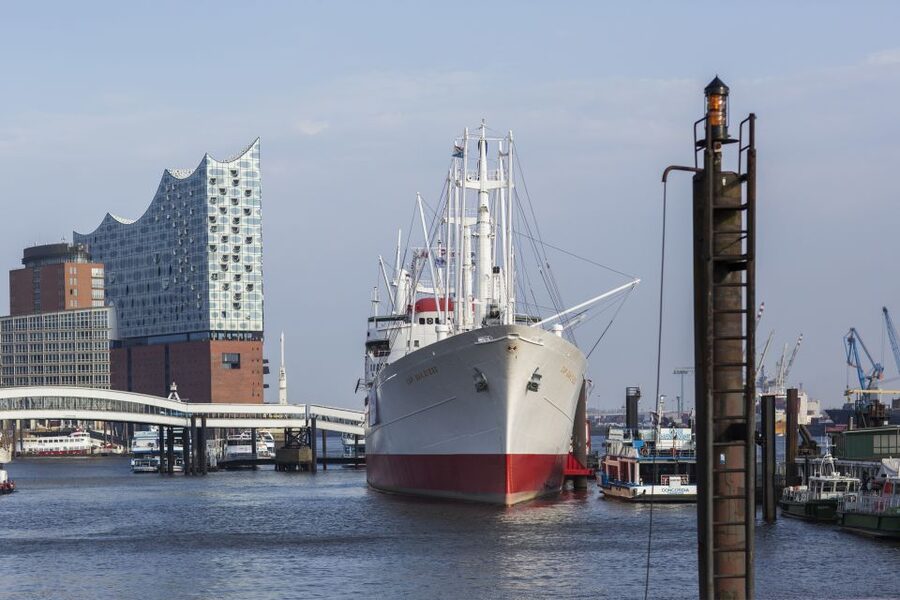
Hamburg: Entrance to the Museum Ship Cap San Diego
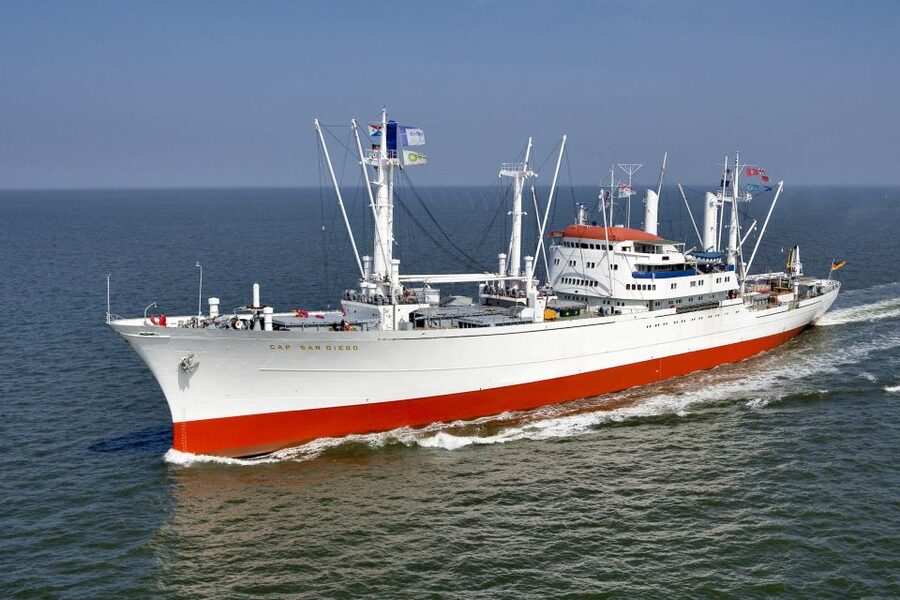
The best part of Hamburg’s Cap San Diego is that it lets you walk through a real ocean-going cargo ship, not a polished replica. Built in 1961, this huge vessel carried goods between Hamburg and South America until 1981. I like the engine-room access and the chance to picture life on the Atlantic in the 1960s and 70s. I also like the mix of working ship spaces and human stories, from the bridge to the emigrant film. The main drawback is simple: this is a self-guided ship visit with many stairs, tight areas, and a route that could be marked more clearly.
You go directly to the ship entrance at the end of Überseebrücke. The ticket costs $14 per person and is valid for one day, with the museum open daily from 10 AM to 6 PM. An audio guide is available if you choose that option, but there is no live guide leading you around.
Key points to know before boarding
- A real 1961 cargo ship: Cap San Diego is the last surviving vessel from a series of six fast general cargo ships built for Hamburg South.
- A ship you explore from bridge to hatch: You can visit the bridge, saloon, cargo areas, and engine room during your self-guided route.
- A clear link to Hamburg’s emigrant story: The film A Suitcase Full of Hope looks at people who left Europe through Hamburg between 1850 and 1930.
- A useful sea-freight exhibition: Hatch 2 explains how cargo handling changed from the 1960s to today, including the shift toward containers.
- A $14 admission with flexible timing: You can enter during the 10 AM to 6 PM opening period and explore at your own pace.
- A poor match for limited mobility: Several staircases, narrow ship passages, and enclosed areas make this difficult for wheelchair users and people who dislike confined spaces.
Why Cap San Diego feels different from a regular museum
Cap San Diego gives you a sense of scale before you learn a single date. You are not looking at a model of a ship or a row of objects behind glass. You are walking through the vessel itself, moving between the places where cargo, crew, and passengers once shared an ocean crossing.
The ship was built in 1961 and served on routes between Hamburg, Rio de Janeiro, and Buenos Aires. It was part of a fast general cargo fleet, a type of ship designed to carry many kinds of goods before container shipping changed port work.
That detail matters because the ship shows a world between two eras. You can still see the older arrangement of cargo holds and handling spaces, while the exhibition in Hatch 2 explains how modern container transport took over. Cap San Diego is therefore both a ship and a lesson in how sea trade changed within a single working lifetime.
The vessel has been a museum ship since 1988. It remains a major maritime sight in Hamburg, but the visit is not only for people who collect ship facts. You can also use it as a way to understand the city’s connection to ocean trade, migration, and South America.
More museums and galleries in Hamburg:
- Hamburg: International Maritime Museum Entrance Ticket
★ 4.7 · 547 reviews - Berlin: Jewish Museum Berlin Entrance Ticket
★ 4.5 · 8,393 reviews - Berlin: DDR Museum Tickets
★ 4.3 · 3,443 reviews
Start at the bridge and picture the Atlantic route
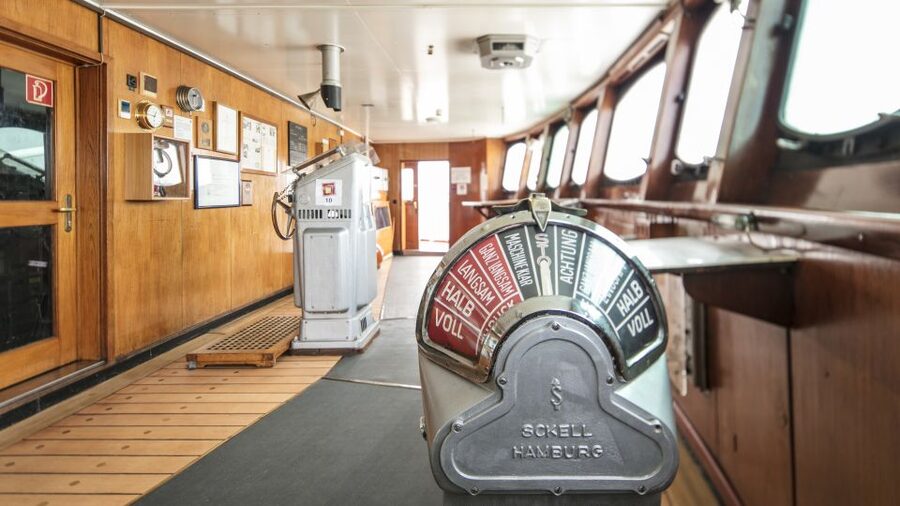
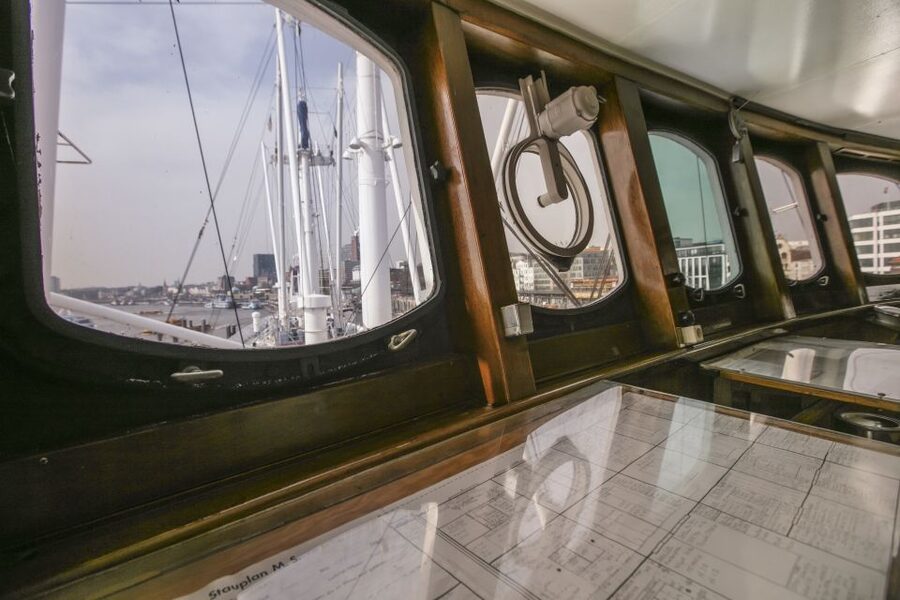
The bridge is one of the strongest places to begin. From here, you can imagine the lookout’s job during a long ocean crossing, watching the sea and keeping alert as the ship moved between Europe and South America.
The imaginary journey is set in the 1960s and 70s, when Cap San Diego was still carrying cargo. The ship’s route to Rio de Janeiro and Buenos Aires gives the visit a useful sense of purpose. You are not simply walking through random rooms. You are following the working life of a ship that connected Hamburg with distant ports.
The bridge also helps you understand how separated shipboard jobs could be. A lookout needed a broad view and constant attention, while workers below dealt with engines, cargo, and machinery. The route from the bridge downward makes that contrast clear.
Because this is self-guided, you can stay at the bridge as long as you like. If you choose the audio guide, it can add context as you move through the ship. Without it, you will need to read the displays and make your own route through the rooms.
The saloon shows the passenger side of ship life
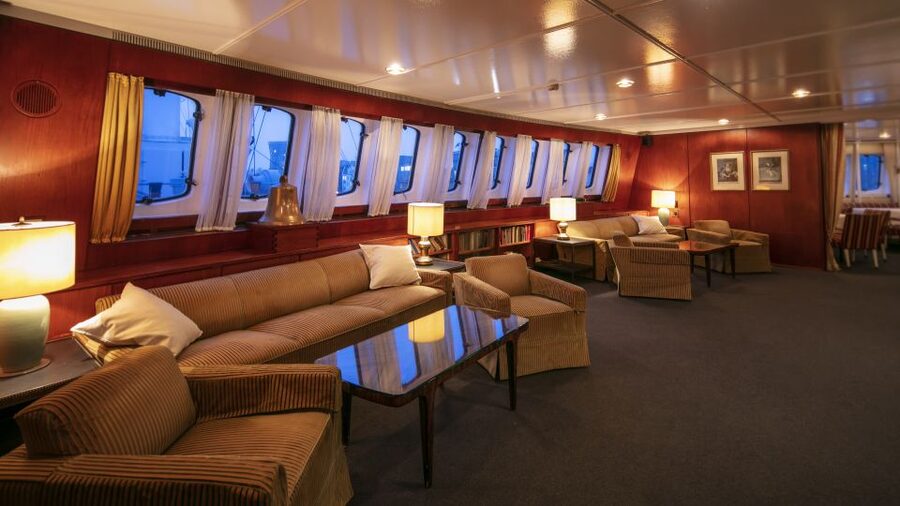
The saloon offers a calmer change of mood. Here, you can picture passengers relaxing to light music during the crossing, far removed from the noise and heat of the machinery below.
This part of the ship helps balance the technical displays. A cargo vessel was a workplace, but a long voyage also involved waiting, meals, conversation, and leisure. The saloon gives you a small sense of that daily rhythm.
Do not expect a modern cruise-ship experience. The appeal is precisely that Cap San Diego belongs to an older age of ocean travel. The presentation asks you to imagine a voyage rather than providing a staged entertainment program.
I would give the saloon extra time if you are visiting with someone who is less interested in engines and cargo equipment. It is also a useful pause after climbing through the ship’s more cramped sections.
Hatch 2 explains the change from cargo to containers
Hatch 2 contains the permanent exhibition General Cargo and Container Handling. This is one of the most useful parts of the visit because it explains why ships and ports look so different today.
From the 1960s onward, sea freight changed sharply. General cargo required separate handling for many different goods, while container shipping introduced standardized boxes that could move more easily between ship, rail, and truck. The displays use historical images and explanatory text to show that shift from the period when Cap San Diego was working to the modern era.
The exhibition is worth taking slowly. The ship’s holds can otherwise feel like a series of machinery spaces, but the cargo display gives them a clear role. You learn what these areas were for and why the design of the vessel mattered.
This section is especially helpful if you are visiting Hamburg with children or anyone who wants a practical explanation of shipping. It connects the physical space around you with the larger movement of goods that shaped the port.
A few more Hamburg half-days to weigh up
- Hamburg: Sex and Crime in St. Pauli Tour for Ages 18+
★ 4.7 · 15,447 reviews - Hamburg: 1.5-Hour Harbor and Speicherstadt Day Cruise
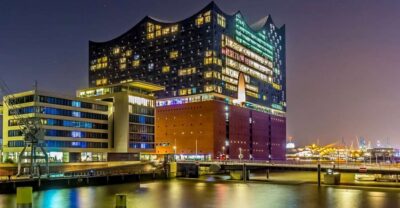
★ 4.6 · 14,200 reviews - Hamburg: 90-Minute Evening Lights Harbor Cruise
★ 4.5 · 7,728 reviews - Hamburg: 2-Hour XXL Port of Hamburg Cruise Tour
★ 4.7 · 6,979 reviews
The engine room is the ship’s strongest sensory stop
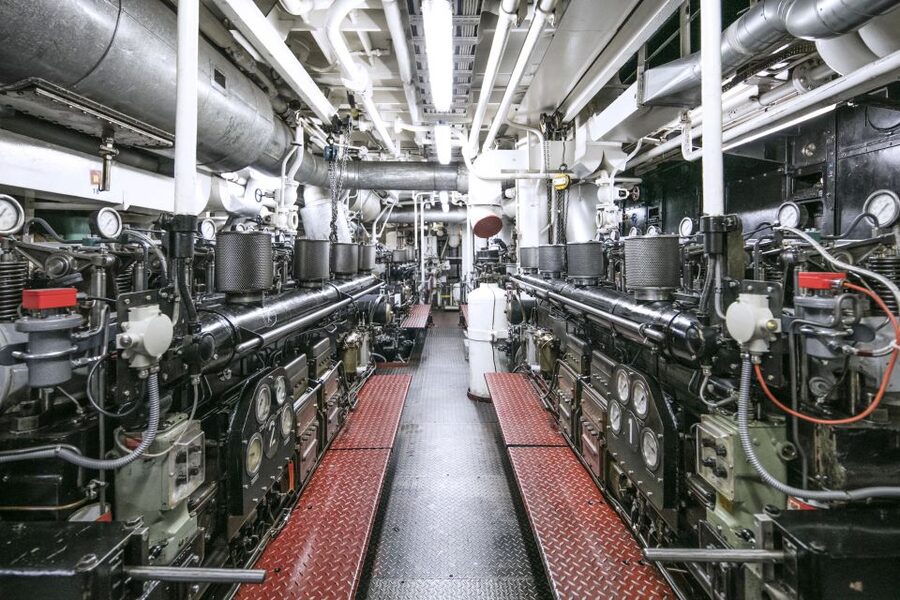
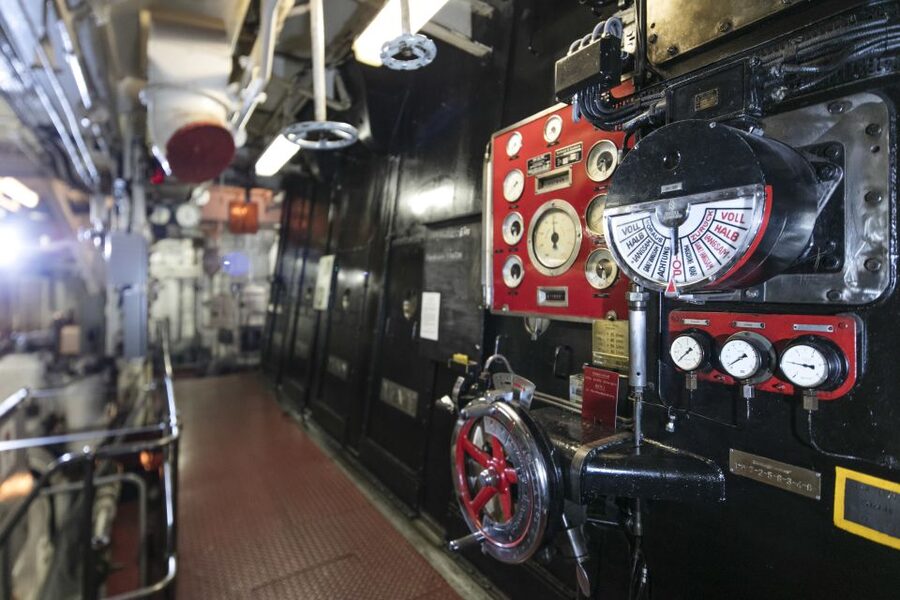
The engine room is where Cap San Diego feels most like a working machine. You stand deep inside the ship, surrounded by the systems that pushed it across the Atlantic.
The description of a steady engine pulse is not just decoration. The machinery shows the scale of the work required to move a large cargo ship over long distances. Even without a live guide, the engine room gives you a direct sense of the ship’s mechanical heart.
This is likely to be the highlight for anyone interested in engineering, ships, or industrial design. It also provides a sharp contrast to the quiet saloon and open bridge. Above deck, you think about the route and the horizon. Below deck, you feel how much equipment was needed to make that route possible.
The engine room may not suit everyone. Sound, confined spaces, and stairs are part of the experience, so you should not plan this visit if enclosed areas make you uncomfortable. Take your time and do not rush from one level to the next.
The emigrant film adds a human story
The documentary A Suitcase Full of Hope focuses on the fate of emigrants who passed through Hamburg between 1850 and 1930. This period comes before Cap San Diego was built, but the film gives the port a wider human context.
Hamburg was not only a place where cargo moved. It was also a departure point for people leaving Europe in search of a different life. A suitcase, a port, and an ocean crossing could represent fear, hope, separation, and uncertainty.
This film broadens the visit beyond machinery and trade. It reminds you that ships and ports carry personal stories as well as goods. If you are interested in migration history, allow time for the film rather than treating it as an optional extra.
The emigrant material is also a useful counterpoint to the comfortable image of ocean travel suggested by the saloon. Different people experienced sea crossings in very different ways. The film helps you keep that distinction in mind.
The route takes patience, especially on the first visit
Cap San Diego is not laid out like a simple hallway museum. You move through different levels and ship sections, and the route can take a little time to understand.
A recent visitor found that the path could be better marked but also noted that it was easy to get oriented fairly quickly. That is a fair description. You may pause to work out where the next staircase or exhibit leads, but the ship’s layout soon becomes part of the experience.
I would wear comfortable shoes and avoid trying to hurry through every section. The ship rewards a slow visit because each area has a different purpose. Rushing can turn the tour into a hunt for the exit instead of a look at how the vessel worked.
The ship is open from 10 AM to 6 PM every day, and your admission is valid for one day. That gives you useful flexibility. You can make a shorter visit around other Hamburg plans, or spend much longer if the ship catches your interest.
What $14 gets you
At $14, this is a reasonable admission for a major maritime attraction, especially if you take time with the engine room, bridge, cargo exhibition, and film. You are paying for access to an unusually large historic ship, not only for a small display gallery.
The value depends on how you like to visit museums. If you want a guide to explain each room and keep you moving, the lack of a live guide may feel like a weakness. If you prefer setting your own pace, the self-guided format gives you freedom to linger in the areas you care about.
The audio guide can improve the experience if you want more structure. It is available only if selected with your booking, so check that option rather than assuming it comes with every ticket.
The flexible cancellation terms also make the booking practical: you can cancel up to 24 hours in advance for a full refund, and you can reserve now and pay later. Those details matter if Hamburg weather or your port schedule is uncertain.
Who should visit, and who should skip it
I would recommend Cap San Diego to people who enjoy ships, industrial history, Hamburg’s port, or the human story of emigration. Families with older children may find the different rooms and machinery more engaging than a traditional museum display, though the number of stairs should be considered.
It is also a good choice for visitors who want a self-guided attraction rather than a fixed group tour. You can move at your own speed, return to a favorite area during the day, and choose how much time to give the film and exhibitions.
This is not a good choice for wheelchair users or people with significant mobility impairments. The ship is not wheelchair accessible and includes multiple flights of stairs.
You should also skip it if you have claustrophobia or mazeophobia. Some ship areas are enclosed, and the route can feel confusing for a few minutes. The same features that make the ship authentic can make it uncomfortable for people who need wide, clearly marked spaces.
Practical details at Überseebrücke
The entrance is at the end of Überseebrücke, so go directly to the ship rather than looking for a separate museum building. The experience is provided by Cap San Diego Betriebsgesellschaft mbH.
Plan around the museum’s daily hours of 10 AM to 6 PM. Since the ticket is valid for one day, you do not need to treat the visit as a tightly timed attraction, though you should still allow enough time before closing for the film and exhibitions.
There is no live guide. You explore independently, using the displays and the optional audio guide for help. Staff members are available on board, and the ship’s crew has been praised for being friendly and willing to provide useful information.
The route is not perfectly obvious at every point. Use the first few minutes to get your bearings, then follow the ship’s levels at a comfortable pace.
Should you book Cap San Diego?
Book it if you want a hands-on look at a real cargo ship and you enjoy learning through rooms, machinery, and atmosphere. The combination of bridge, saloon, engine room, cargo exhibition, and emigrant film gives the $14 ticket more substance than a quick photo stop.
Skip it if stairs, tight passages, or self-guided museums are likely to frustrate you. For everyone else, Cap San Diego is one of Hamburg’s more distinctive ways to connect the city with Atlantic trade, migration, and the working life of a mid-century ship.
FAQ
Where is the entrance to Cap San Diego?
Go directly to the ship entrance at the end of Überseebrücke in Hamburg.
How much does admission cost?
The listed price is $14 per person.
How long is the ticket valid?
The ticket is valid for one day.
What are the museum’s opening hours?
Cap San Diego is open daily from 10 AM to 6 PM.
Is there a live guide?
No. This is a self-guided visit, though an audio guide is available if you select that option.
What can I see inside the ship?
You can visit the bridge, saloon, engine room, cargo areas, and Hatch 2 exhibition. You can also watch the documentary A Suitcase Full of Hope about emigration through Hamburg between 1850 and 1930.
Is the ship wheelchair accessible?
No. The museum ship is not wheelchair accessible and is not recommended for people with limited mobility because there are multiple flights of stairs. It is also not recommended for people with claustrophobia or mazeophobia.
Just added around Hamburg
- Free Tour: Port, Red Light District and Beatles. You decide how much to pay at the end★ 3.9 · 13 reviews
- Hamburg: Guided Bike Tour★ 4.7 · 71 reviews
- Hamburg: Guided Port Walk for Families★ 4.6 · 191 reviews
- Express-Tour Panik City Udo Lindenberg Multimedia Experience★ 5.0 · 4 reviews
- Hamburg: Elphi Plaza Guided Tour with Störtebeker Beer★ 4.6 · 245 reviews
- Hamburg: Downtown, Alster & Creative Neighborhoods by Bike★ 4.5 · 217 reviews
- Die Kiez-Kapitän Reeperbahn & Beatles Kieztour Hamburg★ 4.9 · 178 reviews
- Die Kiez-Kapitän Hamburger Stadtführung & Speicherstadt Tour★ 4.8 · 37 reviews
Hamburg Tours, compared.
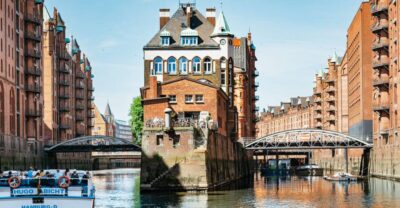
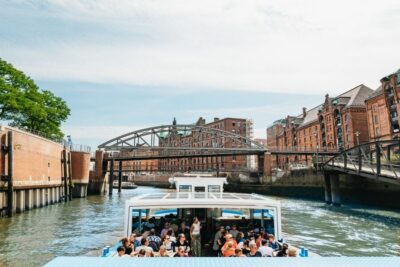
1.5-Hour Harbor and Speicherstadt Day Cruise
Read our review →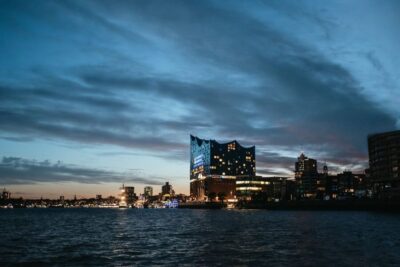



Browse the lists this tour appears in