
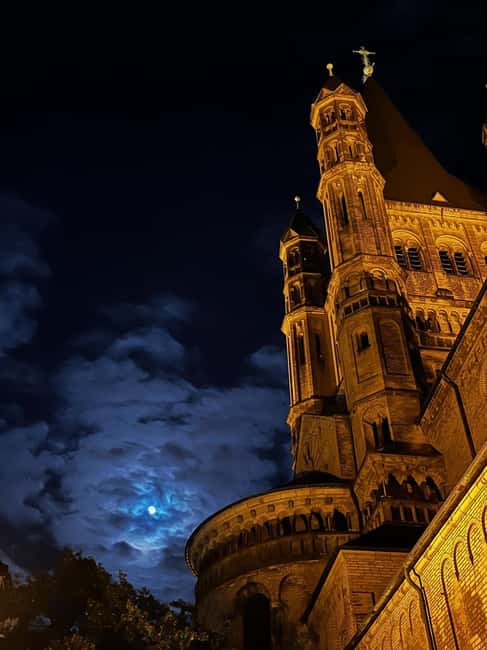
Review · COLOGNE TOURS
Executioner’s Tour of Cologne in German
Cologne’s medieval executioner did far more than swing an axe. On this 1.5-hour walking tour, you follow a costumed headsman through the old city and hear how one unwanted profession touched nearly every corner of public life, from executions and plague control to stray animals and burned spell books.
I like the authentic costumed guide format, which gives the dark subject a clear human voice. I also like the low price, about $18 per person, and the fact that the walk stays in Cologne’s historic center rather than sending you far from the city’s main sights.
The main consideration is language. This tour is conducted in German, and the material is graphic, so you need solid German and an interest in grim medieval customs. The 18-and-over rule makes clear that this is not a family history walk.
Key points to know before you book
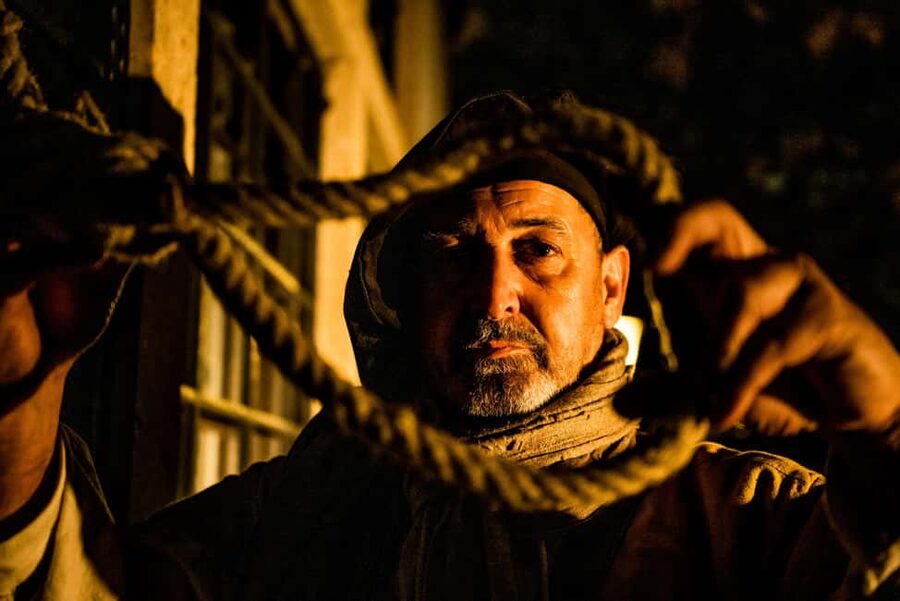
- A headsman leads the story: The costumed guide presents medieval Cologne through the eyes of an executioner.
- The tour covers more than executions: You hear about gallows, spell books, lepers, plague control, wild dogs, stray hogs, and the headsman’s side jobs.
- The route begins and ends at Heinzelmännchenbrunnen: The meeting point is on Am Hof in central Cologne.
- The experience lasts 90 minutes: It is long enough for a focused city walk without taking up half your day.
- German is the only listed tour language: You should be comfortable following spoken German for the full walk.
- The walk is accessible: The historic-center route is described as fully accessible and wheelchair accessible, though sturdy shoes and weather-proof clothing are advised.
Following the executioner from Heinzelmännchenbrunnen
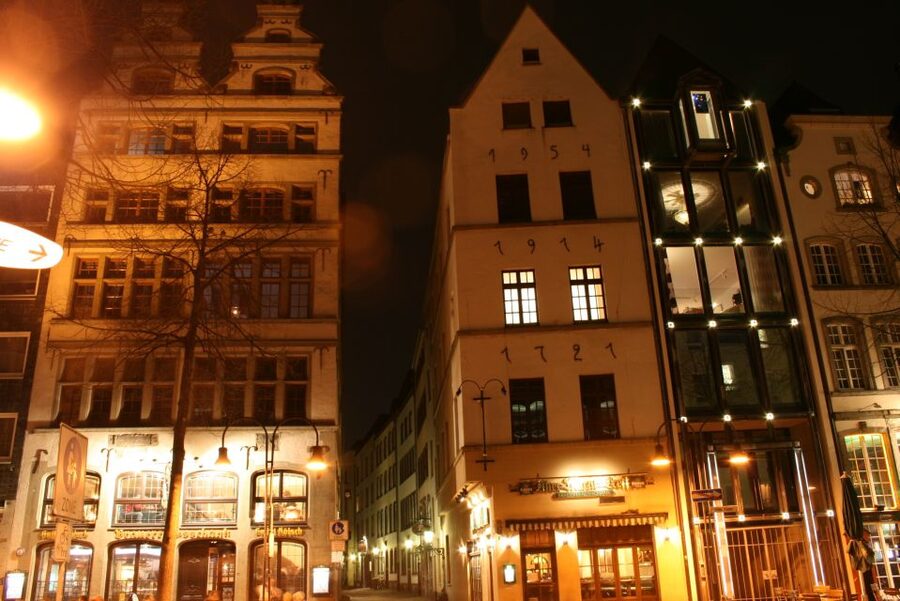
The tour begins at the Heinzelmännchenbrunnen, at Am Hof, 50667 Köln. This central meeting point makes the experience easy to fit into a day of sightseeing, especially if you are already exploring Cologne’s old center.
From here, the guide leads you on foot through the historic center. The route retraces a headsman’s steps rather than presenting a standard parade of Cologne landmarks, so the focus is on mood, stories, and the working life of medieval punishment.
You should expect a continuous walking tour, not a museum visit or a staged theater performance with elaborate sets. The costumed guide is the main attraction. The setting is the city itself, where streets and public spaces become the backdrop for tales of justice, fear, disease, superstition, and survival.
The activity ends back at the starting point. That is useful because you do not need to arrange a pickup or guess where you will finish. You can continue sightseeing, stop for a meal, or return easily to your hotel from the same central area.
A few more Cologne half-days to weigh up
- Cologne: Panoramic City Cruise
★ 4.3 · 5,698 reviews - Cologne: Brewery Tour with 3 Kölsch Beer Tastings
★ 4.7 · 3,108 reviews - Cologne: Top Sights Rhine River Cruise – Skyline Tour
★ 4.4 · 3,030 reviews
Medieval Cologne through a headsman’s eyes
The most interesting part of this experience is its point of view. Medieval Cologne is not presented only through rulers, churches, and merchants. Instead, you hear from the person called upon when the state needed punishment carried out.
That perspective gives the walk a practical edge. You learn who could enter the executioner’s trade and what qualifications were required. The tour also asks when a headsman received a master craftsman’s diploma, the credential that allowed him to carry out executions on behalf of the state.
This detail matters because it shows that execution was treated as a profession, not simply as random violence. The work had rules, status, and official approval, even though the person doing it was often pushed to the edge of respectable society.
You also hear about the difficult social position of the executioner. Someone had to perform the work, but that did not mean the wider community welcomed him as an equal. The tour uses that contradiction to explain why a headsman needed other ways to earn money.
The result is more revealing than a simple list of punishments. You get a picture of a worker who handled tasks other people avoided, while relying on a trade that brought both income and social distance.
What could go wrong when a head rolls
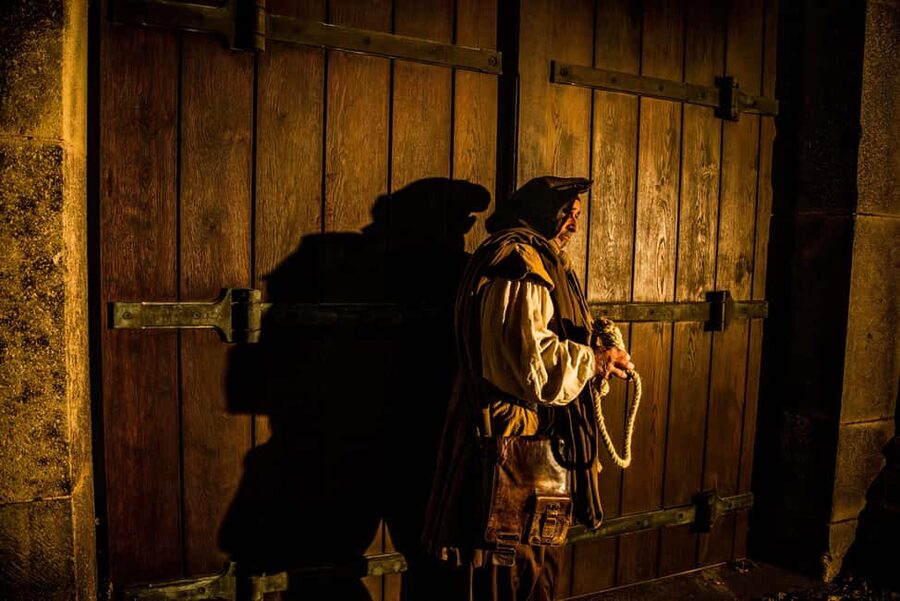
The tour does not soften the unpleasant parts. You hear what could go wrong during an execution and why a public punishment was not always quick or orderly.
That material is likely to be the strongest reason to book, or the clearest reason to skip it. If you enjoy dark historical subjects, the blunt detail helps you understand how uncertain and physical medieval justice could be. If graphic stories bother you, the executioner’s viewpoint may feel too intense.
The guide’s job is not just to list gruesome acts. The stories explain what an execution meant in a society where death was familiar and public punishment helped authorities display power. You learn about the fear surrounding the headsman’s work, as well as the practical demands placed on him.
The tour’s 90-minute length is a good fit for this material. A shorter walk might leave the stories feeling like disconnected shock tales. A much longer program could make the grisly subject tiring. Here, you get a focused introduction without giving the topic an entire afternoon.
The executioner’s unexpected side jobs
One of the best features is the attention given to the headsman’s extra work. Executions alone did not provide a reliable income, so the executioner could supplement his earnings as a knacker, dog-catcher, or gold-seeker.
These jobs make the profession easier to understand. The headsman was not only the figure waiting beside the gallows. He could deal with dead animals, remove dangerous or unwanted animals from the streets, and take on work linked to sanitation and disposal.
The tour also explains how the executioner dealt with wild dogs and stray hogs. Those details show that medieval public order involved far more than police patrols and court sentences. Animals, disease, waste, and public danger all required someone willing to handle unpleasant tasks.
You hear that the executioner could exile lepers and plague-infested prostitutes. The subject is disturbing, but it puts the headsman into the wider system of medieval disease control and social exclusion. Authorities needed someone to enforce harsh decisions, especially when fear of illness shaped daily life.
The mention of burning spell books adds another layer. The executioner’s work could reach into religious and legal ideas about forbidden knowledge, not only physical punishment. He could also build gallows, which underlines how closely his trade was tied to the machinery of public justice.
These side jobs are where the tour moves beyond gore. You begin to see the executioner as a municipal problem-solver for tasks that respectable citizens preferred not to touch.
Same city, a completely different sort of afternoon:
- Cologne: Chocolate Museum Entrance Ticket
★ 4.4 · 2,790 reviews - Cologne: 24h Hop-On Hop-Off Sightseeing Bus Ticket
★ 4.3 · 2,735 reviews - Cologne: Melaten Cemetery Life, Love and Death Tour
★ 4.9 · 2,728 reviews - Cologne: Virtual Reality Time Travel Experience Ticket
★ 4.6 · 1,958 reviews
Dark alleys, public fear, and medieval work
The walk takes place in Cologne’s historic center, with the guide connecting the city streets to the darker work of the past. You will not simply hear about a distant medieval world in a lecture room. You will hear the stories while walking through the same broad central part of the city.
The supplied description points to medieval dark alleys and a period in which death was omnipresent. That framing gives the tour a strong atmosphere, but you should keep your expectations realistic. The information does not identify individual alley names or specific buildings on the route, so do not book this expecting a fixed checklist of famous architectural stops.
Instead, think of the city as a stage for oral history. The guide’s delivery, costume, and stories are more important than a long list of monuments. The route may be especially appealing after you have already seen Cologne’s major sights and want something less conventional.
I would pair this walk with a daytime visit to Cologne Cathedral and the central sights, then use the executioner tour for a different view of the city. It works best as a themed addition, not as your only introduction to Cologne.
A German-language tour with a clear age limit
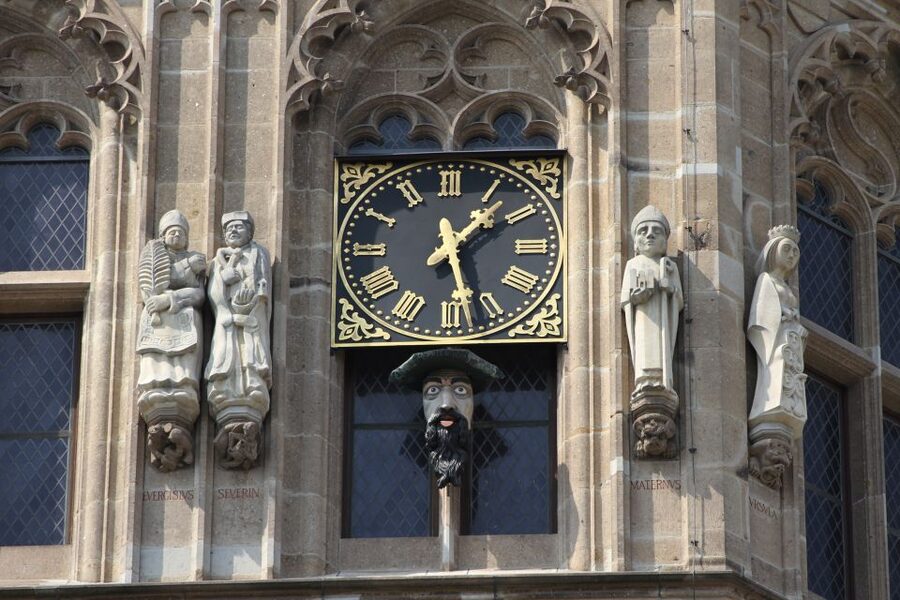
The live guide speaks German, and German is the only language listed. You should be able to follow spoken German at a steady pace, including descriptions of punishments, disease, social rules, and medieval occupations.
Basic tourist German may not be enough if you want to catch the humor, wordplay, and details. The guide may use period terms or explain customs quickly. If you understand German well, the language is part of the appeal because the performance can feel more direct and local.
The minimum age is 18. That rule fits the subject matter, which includes executions, plague, lepers, prostitution, and graphic bodily details. Do not treat this as a family-friendly ghost walk.
There is no listed food or drink included, so plan to eat before or after. At 90 minutes, the tour is short enough that this is not a serious inconvenience. The central starting point also gives you plenty of options nearby, though the experience itself is strictly a walking tour.
Why the $18 price makes sense
At about $18 per person, this is a modestly priced guided experience in a major European city. You are paying for a live, costumed guide and a focused 90-minute route, not for admission to a museum or a full-day program.
I consider the value good if you enjoy guided storytelling. The tour takes a subject that could be difficult to find on your own and gives it a clear structure. You learn about the executioner’s training, official role, failed executions, and extra work in one compact outing.
The value is weaker if you want major-ticket sightseeing included in the price. There is no meal, drink, museum admission, or separate attraction listed. The experience depends on the guide’s performance and your ability to understand German.
A rating of 4.8 out of 5 from 464 ratings suggests that the format has worked well for many people. One German-language comment specifically praised the guide’s authenticity. That matches the design of the experience: the costumed role and direct storytelling are central, not decorative extras.
Comfort, access, and what to wear
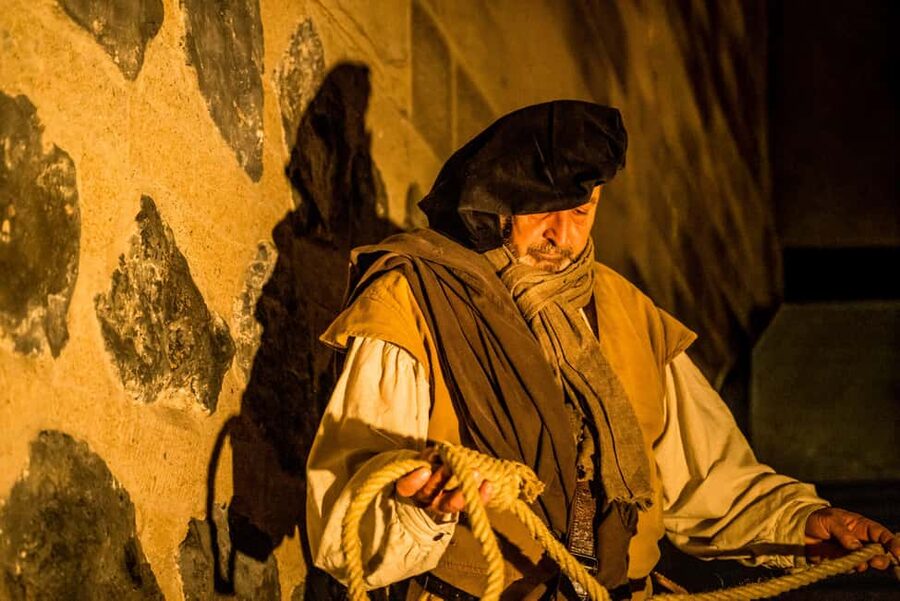
The historic-center tour is described as fully accessible and wheelchair accessible. That is important for anyone who needs an easier route through central Cologne. Still, accessibility on a walking tour can depend on street conditions and the pace of the group, so you may want to confirm current details when checking a departure.
Wear comfortable shoes. Sturdy footwear is recommended, along with weather-proof clothes. The walk takes place outdoors, and the activity runs in rain or changing conditions unless the operator says otherwise.
There is no mention of seating, indoor shelter, or a break. I would plan to remain on your feet for most of the 90 minutes. Bring only what you need, and dress for the forecast rather than relying on medieval atmosphere to keep you warm.
Because the tour starts and ends at the same place, it is easy to leave extra clothing or other items at your accommodation before setting out. Just remember that Cologne weather can change, and the guide cannot turn a street walk into an indoor program.
Who will enjoy this executioner’s tour
I would choose this experience if you like the less polished side of European history. It suits you if you want to hear about ordinary systems of punishment, public health, animal control, superstition, and low-status work.
It is also a good choice for repeat visitors to Cologne. If you have already seen the cathedral and walked the main central streets, the executioner’s story gives familiar surroundings a new angle.
You should also enjoy guided performance. The description centers on a medieval headsman, so the tone is likely theatrical and character-based rather than academic. That can make difficult material easier to follow, but it may not suit you if you prefer quiet historical explanation.
I would skip it if you are under 18, uncomfortable with graphic material, or unable to follow German. I would also choose a different tour if your main goal is Cologne’s architecture, art, or food. This experience is about the darker human side of the city.
Booking details that matter
You can cancel up to 24 hours before the tour for a full refund, and the reserve-now, pay-later option lets you hold a place without paying immediately. Those terms are useful when your Cologne schedule is still changing.
Check available departure times before booking, since the exact start time is not fixed in the information provided. Arrive at the Heinzelmännchenbrunnen on Am Hof, rather than going directly to a separate end point.
The provider is Kölngeflüster. No individual guide name is supplied, so you should not book based on a particular performer. Book for the subject, the German-language format, and the costumed presentation.
Should you book the Cologne executioner tour?
Book it if you want a compact, unusual walk that explains how medieval society handled punishment, disease, animals, superstition, and public fear. The authentic headsman perspective, German delivery, central route, and $18 price make it a strong add-on for adults who enjoy dark history.
Skip it if you want a broad introduction to Cologne, a family outing, or a museum-style tour with named monuments. The experience is graphic, entirely in German, and built around storytelling rather than major sights.
For the right audience, 90 minutes is an efficient use of time. You leave with a sharper sense of the work that medieval communities depended on but preferred to keep at a distance.
FAQ
Where does the executioner’s tour begin?
The tour begins at Heinzelmännchenbrunnen on Am Hof, 50667 Köln.
Where does the tour end?
The activity ends back at the meeting point at Heinzelmännchenbrunnen.
How long does the tour last?
The tour lasts 1.5 hours, or 90 minutes.
What language is the tour in?
The live guided tour is conducted in German.
What is the minimum age?
The minimum age requirement is 18 years.
Is the tour wheelchair accessible?
Yes. The historic-center tour is described as fully accessible and wheelchair accessible.
What should I wear?
Wear comfortable, sturdy shoes and weather-proof clothing.
Is food or drink included?
No. Meals and drinks are not included.
Can I cancel for a refund?
Yes. You can cancel up to 24 hours in advance for a full refund.
Just added around Cologne
- From Amsterdam: Cologne Private Sightseeing Tour★ 5.0 · 4 reviews
- Cologne: entertaining guided tour to old town highlights★ 4.8 · 22 reviews
- Cologne: WWII Sites with Optional EL-DE Haus Private Tour★ 4.9 · 22 reviews
- Cologne: Virtual escape game adventure at 7th Space★ 4.3 · 15 reviews
- Cologne Walking Tour: The essential and unmissable one★ 4.3 · 10 reviews
- Cologne: The Dark Side of the City Walking Tour★ 4.8 · 142 reviews
- Cologne: Ehrenfeld District Street Art Walking Tour★ 4.9 · 202 reviews
- Cologne: Street Art Walking Tour in the Ehrenfeld District★ 4.9 · 45 reviews
Cologne Tours, compared.





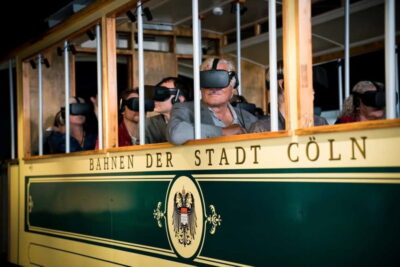
Virtual Reality Time Travel Experience Ticket
Read our review →
The Night Watchman Old Town Walking Tour in German
Read our review →Browse the lists this tour appears in