

Review · DRESDEN TOURS
Dresden: Private Sightseeing Treasure Hunt
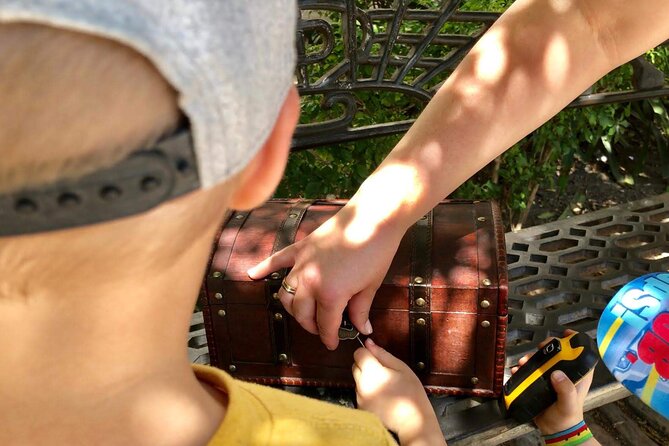
Dresden’s old center becomes a game board on this 2.5-hour private treasure hunt. You follow a compass, solve clues, and visit major sights from the Zwinger to the Frauenkirche before searching for a secret chest. It is sightseeing with a purpose, which can keep children and restless adults interested.
I like two things right away: you do not need a smartphone, and the puzzles send you just beyond the main photo stops. The welcome and short lesson from the treasure master help you get started, while the final personal Dresden souvenir gives the experience a pleasant local touch.
The main consideration is pace. You need to think, walk, and stay engaged for the full outing, and logical problem-solving helps. The advertised private format is attractive, but the maximum group size is listed as 99, so I would confirm exactly how your booking will be handled if you want a small, personal group.
Key points to know before you book

- Eight central Dresden stops: The route includes the Zwinger, Dresden Castle, Semper Opera House, Frauenkirche, Kulturpalast, Brühl’s Terrace, the Caspar David Friedrich monument, and the Procession of Princes.
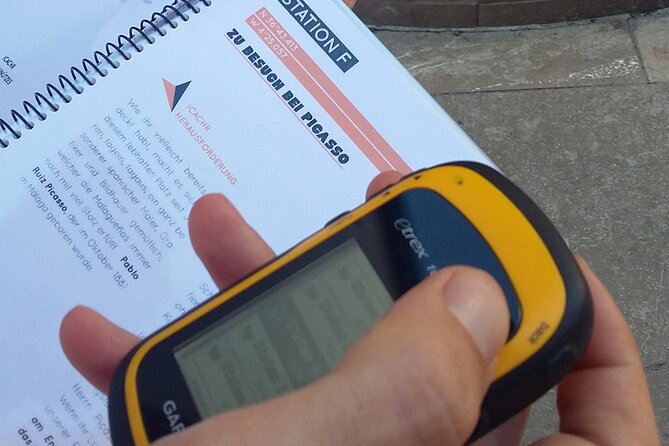
- A screen-free sightseeing game: Your compass, printed materials, riddles, and tasks guide the experience instead of a phone app.
- A good family format: The puzzles are designed for all ages, though children must be accompanied by an adult.
- A guide-led beginning: A treasure master welcomes you and explains how the hunt works before you set off.
- A finish with a souvenir: The final station includes a personal Dresden keepsake, along with the discovery of the secret chest.
- Flexible booking value: At $33.12 per person, free cancellation up to 24 hours before the start gives you useful planning room.
Turning Dresden’s center into a puzzle
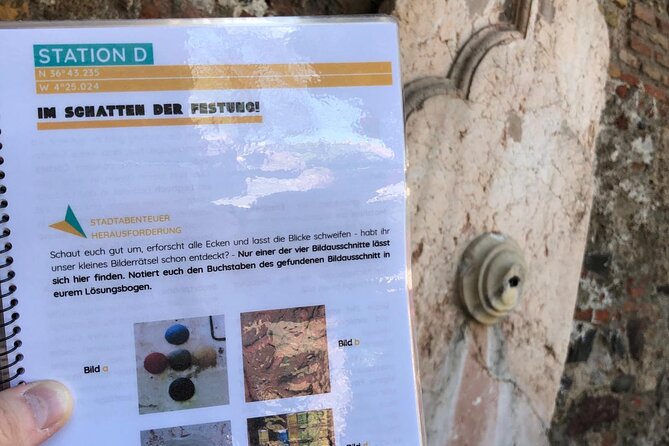
Most city walks ask you to listen, look, and keep moving. This one asks you to do something at every stop. That small change matters, especially if you are exploring with children, teenagers, or friends who do not want a standard lecture about monuments.
You begin at Schloßpl. 2, in the heart of Dresden. The treasure master gives you a warm welcome and a short introduction to the art of treasure hunting. This opening is important because the activity depends on understanding the clues before the route gets going.
From there, a compass points you from one station to the next. You solve riddles and complete playful tasks to gather the clues needed for the final discovery. You are not simply ticking monuments off a sightseeing list. You are looking closely at your surroundings and working out what each place is telling you.
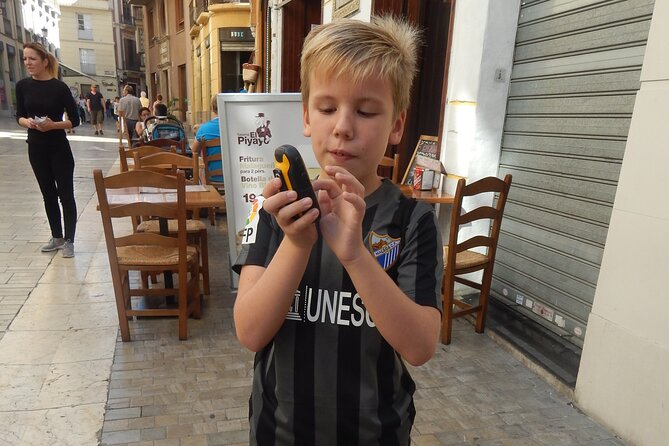
The screen-free design is one of the strongest ideas here. You can put away your phone and pay attention to Dresden’s streets, squares, sculptures, and buildings. You may still want your phone for photos before or after the game, but it is not needed to solve the hunt.
A few more Dresden half-days to weigh up
- Dresden: Semperoper Tickets and Guided Tour
★ 4.7 · 12,102 reviews - Dresden: The Original Night Watchman Tour in Lantern Light
★ 4.6 · 6,653 reviews - Dresden: Semperoper and Old Town Tour
★ 4.8 · 5,735 reviews
The Zwinger starts the route with baroque drama
The Dresden Zwinger is a fitting first major stop. Its grand architecture and open court areas give the hunt an impressive setting from the start. The building is one of the city center’s defining sights, so you get an immediate sense of Dresden’s former royal scale.
Expect the activity to use the place as a station for observation and clue solving rather than as a full museum visit. If you want to see every gallery or exhibition inside the Zwinger, plan separate time. The hunt is built around outdoor sightseeing and movement through the center.
The advantage is focus. Instead of rushing past the elaborate details, you have a reason to examine what is around you. The drawback is that the puzzle may not leave enough time for a slow architectural study, especially if your group pauses often.
Dresden Castle brings royal history into the game
Next comes Dresden Castle, another major building in the old center. Its presence helps connect the route to the city’s royal past and gives the hunt a second large-scale landmark after the Zwinger.
You should treat this as a sightseeing stop, not a castle tour with interior admission. The provided details do not include entry to exhibitions, rooms, or collections. If the Green Vault or other castle museums are high on your list, reserve another visit and check their separate opening and ticket arrangements.
For the treasure hunt, the castle works well because it is easy to recognize and surrounded by other central sights. The clues give you a reason to slow down and look around. This is also a good point to notice how close together many of Dresden’s headline sights are.
Semper Opera House adds culture and a grand facade
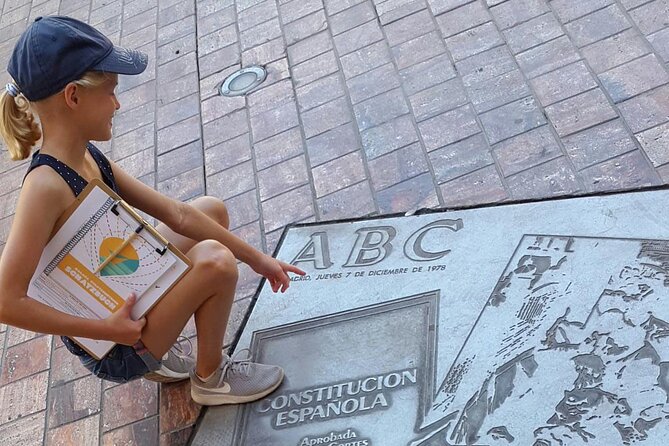
The Semper Opera House, or Semperoper, is the route’s performance landmark. Its formal exterior gives the hunt another visual change, moving you from palace grounds and castle architecture to one of Dresden’s best-known cultural buildings.
You should expect a stop connected to the building and its setting, not a performance. No concert, backstage visit, or opera ticket is included in the supplied details. That keeps the activity affordable, but it also means you need a separate plan if you want to go inside.
I like the variety this stop adds. A treasure hunt works best when each station feels different, and the Semperoper helps prevent the route from becoming a string of similar palace facades. The task may also encourage you to notice details that a quick pass toward the next attraction would miss.
Same city, a completely different sort of afternoon:
- Dresden: River Sightseeing Boat Cruise
★ 4.3 · 5,323 reviews - Dresden: Tour of VW’s Transparent Factory
★ 4.5 · 4,058 reviews - Dresden: 1-Day Hop-On-Hop-Off Bus Tour
★ 4.5 · 2,813 reviews - Dresden: Church of Our Lady Guided Tour of Gallery
★ 4.7 · 2,421 reviews
Frauenkirche gives the route its emotional center
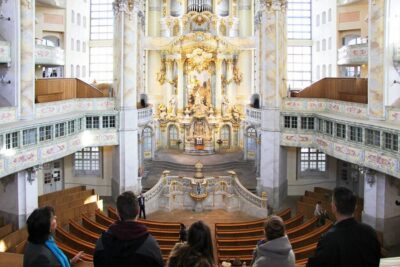
The Frauenkirche is perhaps the most recognizable church in Dresden’s center. Its large dome dominates the surrounding square, and its place in the city makes it more than just another photo stop.
The hunt uses the church as one of its stations, giving you time to take in the setting while working on a clue. The activity does not promise a guided interior visit or a climb, so you should not book it expecting a full church tour.
This stop can also be a useful pause in the route. The square around the church gives your group room to regroup, compare ideas, and decide on the next answer. If you are visiting with children, this kind of change of rhythm can help keep the game enjoyable.
Kulturpalast shows Dresden beyond its royal core
The Kulturpalast brings a more modern note to the route. After the Zwinger, castle, opera house, and Frauenkirche, this stop reminds you that Dresden is not only a city of reconstructed royal buildings and historic churches.
That contrast makes the route more complete. You get a look at different eras and uses within a compact area, rather than seeing only the best-known old monuments. The clue here may be especially useful for groups that enjoy comparing architecture and city planning.
The supplied information does not promise entry to the Kulturpalast or a concert. Think of it as an exterior station within the puzzle route. You will need to keep moving, so do not count on exploring the building at length during the two and a half hours.
Brühl’s Terrace opens the route toward the river
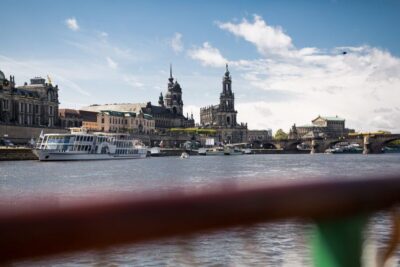
Brühl’s Terrace is one of the most enjoyable settings on the route. Known for its elevated position beside the Elbe, it gives you a change from enclosed squares and dense monument clusters.
This is where the walk can feel less like a checklist. You have a broader view and a chance to take in Dresden’s riverside setting while solving the next task. The terrace also gives the group a natural point to pause, though the activity still depends on reaching the final stations within the allotted time.
Bring sensible footwear. The tour lasts about two and a half hours, and you will be moving between eight stations. The information does not specify the exact walking distance or surface conditions, so comfortable shoes are a practical choice.
The Caspar David Friedrich monument adds an artistic clue
The Caspar David Friedrich Denkmal is a more specific stop than the city’s major landmarks. Its inclusion suggests that the hunt is not limited to the most obvious buildings. You are asked to notice a monument tied to one of Germany’s best-known Romantic artists.
This is one of the route’s more distinctive details. A regular first visit to Dresden might take you to the Zwinger and Frauenkirche but skip a monument connected with Friedrich. Here, the clue system gives that smaller point a place in your day.
The stop may appeal most to adults and older children who enjoy art, symbolism, or small details. Younger children may care less about the artist, but the puzzle can still give them a clear job to do. That is the strength of this format: the same place can offer a visual task for one person and an art connection for another.
The Procession of Princes is a fitting final landmark
The Procession of Princes, a long and famous tile mural, provides one of the route’s most memorable closing stops. It is easy to miss the full effect if you hurry past, since its length encourages you to look along the wall rather than at one single object.
As a treasure hunt station, the mural is well suited to observation. Your group can search for details, work through a clue, and use the setting to assemble the information collected earlier. The route ends back at the original meeting point, so you are not left trying to find your way across town after the final task.
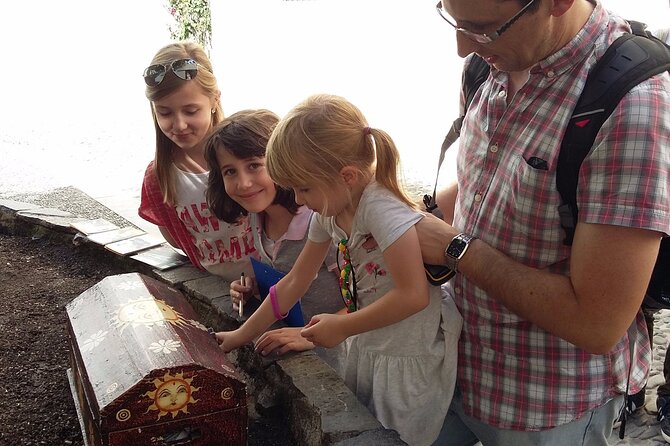
The final station also brings the hunt to its payoff: the secret chest and a personal Dresden souvenir. That ending gives the experience more shape than a simple guided walk. You have a clear goal from the beginning, and the last discovery rewards the group for sticking with the puzzles.
How the puzzles change the sightseeing experience
The puzzles are described as playful and suitable for all ages, but logical thinking should be part of your group’s skill set. You do not need to be an expert in Dresden. You do need to read carefully, compare clues, and cooperate.
That makes the activity a good fit for families with children old enough to participate, couples who like solving problems together, and groups looking for a shared challenge. It is less suitable if you want to walk quietly, stop whenever you like, or hear a long stream of historical explanation from a guide.
You will also need to accept some uncertainty. A treasure hunt is not the same as a fixed lecture. Your group may spend more time on one riddle and less on another. That can be fun, but it means the amount of detail you receive at each monument may vary.
One useful tip comes from the experience itself: logical thinking helps. Divide the work naturally. One person can watch the route, another can inspect the clue, and someone else can keep an eye out for visual details. The game is likely to feel better when everyone has a role instead of one person solving everything.
Guide support and the Matthias difference
The experience begins with a treasure master who explains the method. That short introduction matters because it prevents you from wasting the first part of the route wondering what to do with the compass or how the clues connect.
Matthias led one highly praised outing and was described as clear and well organized. You should not assume Matthias will lead every departure, but his involvement shows the value of a guide who can explain the rules plainly and keep the group moving.
The activity may be operated by a multilingual guide. English is the listed language, so check the language arrangement when booking if your group needs something specific. The supplied details do not guarantee a particular guide or language combination for every date.
Is $33.12 per person good value?
At $33.12 per person, the price sits above a free self-guided walk but below many private guided activities. The value comes from the structure: you receive a welcome, a prepared route, clue materials, a guide-led introduction, a screen-free game, and a souvenir at the end.
I would see it as good value for a family or group that wants an activity rather than only information. You are paying for shared entertainment and a planned way to see eight central places. If your main goal is museum access, an in-depth history talk, or a long visit inside each building, the price will feel less useful.
Group discounts may improve the deal for larger parties. Since the maximum listed group size is 99, ask how the private format works for your number of people. A small private group and a very large group would create different experiences, even at the same advertised price.
The free cancellation policy also has practical value. You can cancel for a full refund up to 24 hours before the local start time. Changes or cancellations made inside that 24-hour window are not accepted for a refund, so keep the deadline in mind.
Weather, children, and practical comfort
The experience can still work in cold or rainy weather, but you should dress for an outdoor walk. One outing remained enjoyable in poor weather, which suggests the game has enough structure to carry on when conditions are not ideal. Still, weather will affect how comfortable you feel at open-air stops such as Brühl’s Terrace.
Children must be accompanied by an adult. The puzzles are made for all ages, but the two and a half hour duration may be a lot for very young children, especially in rain or cold. Your group should be ready to walk, wait while clues are solved, and stay involved.
The meeting point is Schloßpl. 2, 01067 Dresden, Germany. The activity ends at the same point, and the location is near public transportation. Confirmation arrives when you book, which gives you the meeting details in writing.
Service animals are allowed, and most people can take part. The supplied information does not provide a detailed route description or guarantee step-free access at every station, so contact the provider if your group has specific mobility needs.
Who should book the Dresden treasure hunt?
I would choose this for families who want to turn sightseeing into a shared challenge. It also suits couples and friend groups who enjoy riddles and prefer an active afternoon to a standard walking tour.
It is a particularly good choice for a first look at Dresden’s central sights. You will visit the city’s major landmarks while also reaching less obvious points such as the Caspar David Friedrich monument. The route gives you a useful orientation without requiring a smartphone.
I would choose something else if you want to enter several buildings, spend long periods at exhibitions, or receive a detailed historical talk at every stop. The hunt gives you a broad look and playful context, not a full cultural tour of each attraction.
Should you book this experience?
Book it if you want Dresden sightseeing to feel like a team activity. The route covers eight important central stops, the clues add purpose to the walk, and the final chest and personal souvenir give the day a clear payoff.
Skip it if you dislike puzzles, need a slow pace, or want guaranteed access inside the monuments. Before paying, confirm the group setup, guide language, and whether Matthias is leading your date. For the right group, $33.12 buys more than a walk: it gives you a reason to look closer, work together, and remember Dresden’s center as a place you solved rather than simply passed through.
FAQ
Where does the treasure hunt begin?
It begins at Schloßpl. 2, 01067 Dresden, Germany.
Where does the activity end?
The activity ends back at the meeting point.
How long does the experience last?
The treasure hunt lasts approximately 2 hours and 30 minutes.
Is the activity offered in English?
Yes. English is listed as an available language, and the activity may be operated by a multilingual guide.
Do I need a smartphone?
No. The experience is designed so you can take part without using your smartphone.
Are children allowed to join?
Yes. The puzzles are designed for all ages, but children must be accompanied by an adult.
Can I cancel for a full refund?
Yes. You can cancel at least 24 hours before the local start time for a full refund. Cancellations or changes made less than 24 hours before the start are not accepted for a refund.
Just added around Dresden
- Walking Tour of Historic Dresden with a Christmas Touch. Small group tour.★ 4.5 · 9 reviews
- Winterland Tour to Bohemian and Saxon Switzerland from Dresden★ 5.0 · 22 reviews
- Tickets Dresden Transport Museum★ 4.0 · 23 reviews
- Top Full-Day Adventure: Bohemian & Saxon Switzerland from Dresden★ 5.0 · 68 reviews
- The Best of Bohemian and Saxon Switzerland Day Trip from Dresden★ 5.0 · 68 reviews
- Historic Dresden Small-Group Walking Tour in English★ 5.0 · 160 reviews
- 1.5 hours Segway Elbe Mini Tour★ 5.0 · 66 reviews
- Sightseeing tour by ConferenceBike★ 5.0 · 14 reviews
Dresden Tours, compared.
The Original Night Watchman Tour in Lantern Light
Read our review →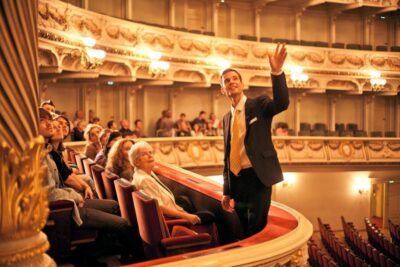


Browse the lists this tour appears in