
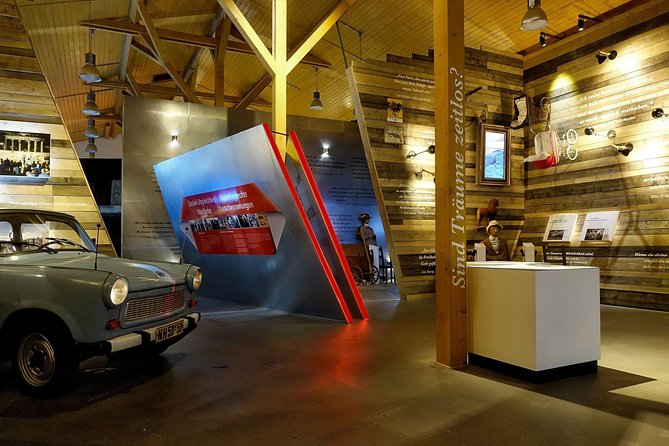
Review · HAMBURG TOURS
Ticket for the Emigration Museum BallinStadt Hamburg
Hamburg’s BallinStadt Emigration Museum turns a huge subject into a personal one. Across three historic-style houses and 2,500 square meters, you follow people leaving home, weighing risk, and carrying hopes for a better life. An audio guide leads you through four eras, while hands-on displays help younger visitors stay involved.
I like the museum’s family research center, where you can search for ancestors, and its clear link to Hamburg’s role as a major departure point. I also like the mix of personal stories, games, and historical displays. The main caution is that the museum now covers migration as a whole, not only emigration from Hamburg before 1934, so anyone expecting a narrow old-style emigration museum may find the focus broader than expected.
Key points at a glance
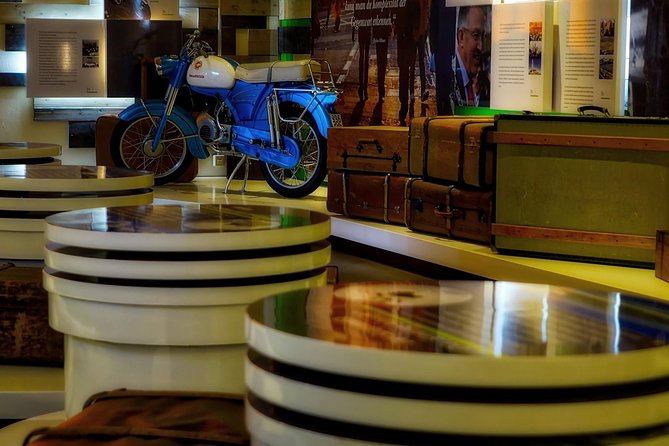
- Three houses cover 2,500 square meters, giving the visit a clear physical route.
- Four eras of emigration and migration are presented with an audio guide.
- Hamburg’s former emigration halls provide the setting and connect the museum to the port city’s past.
- Interactive games and museum rat Jette make the subject easier for children to follow.
- A family research center lets you search for your own ancestors.
- The $15.62 admission price is reasonable if you use the audio guide and spend time with the research displays.
Start with Hamburg’s departure point
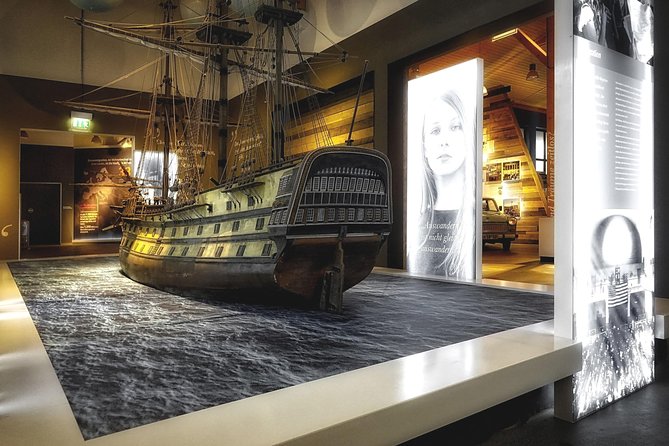
BallinStadt is not simply a collection of objects about people who moved from one country to another. It is built around the former emigration halls in Hamburg, a place connected with the practical side of departure. People needed somewhere to stay, information to gather, and arrangements to make before setting off for a new home.
That setting gives the museum its strongest sense of place. You are not looking at migration as an abstract topic only. You are following people who had to leave familiar surroundings and prepare for an uncertain journey.
The museum also introduces Albert Ballin, the man associated with the former emigration halls. His role helps explain why this site matters and how Hamburg became tied to large-scale emigration between 1850 and 1934.
The museum’s subject is not limited to one nationality or one destination. Its central ideas are easy to understand: people leave because of war, hunger, persecution, adventure, curiosity, or the hope of a better life. Those motives belong to the past, but they are not locked in the past. That link between earlier emigrants and modern migration gives the visit much of its weight.
More museums and galleries in Hamburg:
- Hamburg: International Maritime Museum Entrance Ticket
★ 4.7 · 547 reviews - Hamburg: Entrance to the Museum Ship Cap San Diego
★ 4.7 · 467 reviews - Hamburg: RICKMER RICKMERS Museum Entry Ticket
★ 4.6 · 269 reviews
Three houses, four eras, one clear route
The exhibition is spread through three separate houses. That layout gives you room to move from one part of the story to another without facing one long wall of text. You can expect a visit of about 90 minutes, though the family research center and interactive sections may tempt you to stay longer.
An audio guide accompanies the route. No guide name is provided, and this is not described as a live guided tour. You should therefore expect to move at your own pace, stopping when a story or display catches your attention.
The four-era structure helps keep the museum organized. Instead of presenting every date and event at once, the museum follows changes in migration over time. The focus includes the major period of emigration through Hamburg from 1850 to 1934, then widens to show how migration developed across later eras.
That wider approach is important when deciding if this is right for you. If you want only a detailed account of pre-1934 departures from Hamburg, some sections may feel less targeted than expected. The museum’s first house and parts of the second remain focused on that subject, but the full experience treats migration as a larger human story.
House One: the core emigration story
The first house is the best place to understand the museum’s main connection with Hamburg. It focuses on emigration through the city before 1934 and introduces the people who passed through the former halls.
This part should appeal most to anyone interested in family history, European emigration, or the practical steps behind a major move. You get a sense of the hopes and worries that accompanied departure, rather than seeing emigration only through government figures or shipping dates.
I would give this house your full attention. It contains the core of what many people expect from BallinStadt, and it provides the background needed for the later sections. Use the audio guide here instead of rushing through. The individual stories are what make the subject feel close to daily life.
The museum presents emigrants as people with plans and doubts, not just as names in a record. They carried dreams of a new home, but they also faced hunger, persecution, war, and the strain of leaving family behind. That balance keeps the exhibition from becoming either sentimental or purely statistical.
House Two: a broader view of migration
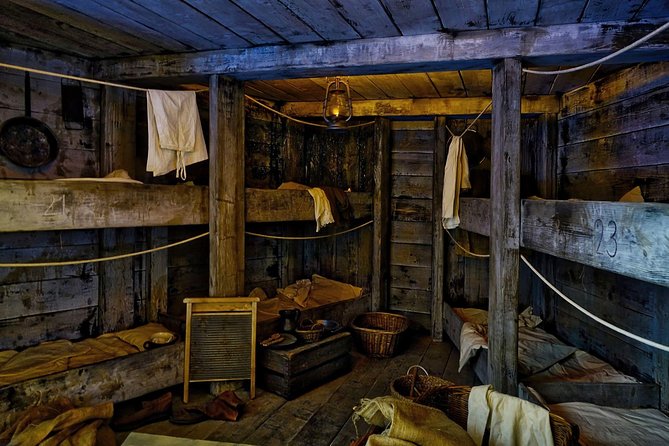
House Two continues the earlier story but also helps shift the museum toward migration as a whole. Parts of this house deal with emigration through Hamburg before 1934, while other sections widen the time frame and subject.
This is where expectations matter most. A visitor who wants every display to focus on ships leaving Hamburg may feel that the original topic is no longer the only priority. A visitor who wants to understand how migration changes across different periods will likely find the broader structure useful.
The four-era format gives you a way to compare motives and conditions. The reasons for moving may change in detail, but the basic questions remain familiar. Why leave? What is being left behind? What must be arranged before departure? What sort of future seems possible at the destination?
Those questions also make the museum useful for families and school-age children. You do not need specialist knowledge to follow the main ideas, and the interactive elements give younger visitors something active to do while adults take in the context.
A few more Hamburg half-days to weigh up
- Hamburg: Sex and Crime in St. Pauli Tour for Ages 18+
★ 4.7 · 15,447 reviews - Hamburg: 1.5-Hour Harbor and Speicherstadt Day Cruise
★ 4.6 · 14,200 reviews - Hamburg: 90-Minute Evening Lights Harbor Cruise
★ 4.5 · 7,728 reviews - Hamburg: 2-Hour XXL Port of Hamburg Cruise Tour
★ 4.7 · 6,979 reviews
House Three: the story reaches beyond one period
The third house completes the museum’s wider account of migration. Together, the three buildings present the subject across four eras rather than stopping in 1934.
This is a good design choice for a museum dealing with movement between countries. Emigration is not a single event that ended at a fixed date. It connects with immigration, displacement, family separation, work, safety, and the search for opportunity.
The later material may be less useful if your sole goal is to trace one ancestor who left Hamburg in the nineteenth or early twentieth century. For that purpose, the family research center is likely to be more valuable than trying to treat every section as a genealogy source.
For a general museum visit, though, the third house helps explain why the subject still matters. The museum places earlier stories beside wider questions about people moving today. It does this without requiring you to accept one simple reason for migration.
The audio guide keeps the visit flexible
The audio guide is a practical advantage because you can set your own pace. You are not tied to a scheduled group or a guide’s speaking rhythm. Stop for an interactive game, spend longer with a personal story, or move ahead if a section is not central to your interests.
The guide also helps connect separate displays. In a museum spread across three houses, a spoken explanation can make the route easier to follow and highlight the meaning behind objects or stories that might otherwise seem disconnected.
I would allow the full 90 minutes rather than treating the museum as a quick stop. The listed duration is approximate, and it assumes a fairly steady visit. If you want to use the genealogy center, listen carefully to the audio material, and let children try the activities, you may need more time.
Since the museum is offered in English, you can book with confidence if English is your preferred language. The available information does not identify a live guide or named audio narrator, so you should not expect a personal tour led by a particular individual.
Family-friendly without making the subject shallow
BallinStadt makes a clear effort to include children. Museum rat Jette is aimed at little ones, and the interactive games let children search, touch, and solve rather than simply read panels.
That matters because migration can be a difficult topic for younger visitors. The museum’s hands-on approach gives families a shared way into the subject. Children can follow Jette and take part in activities while adults spend more time with the historical background.
The family-friendly design does not mean the museum is only for children. Adults interested in Hamburg, genealogy, or European history still have serious material to consider. The best family visits may work by dividing attention: children explore the interactive parts while adults use the audio guide and discuss the choices emigrants faced.
I would not promise that every display will hold the attention of a very young child for 90 minutes. The information is broad, and some themes are serious. Still, the games and Jette make this a stronger family choice than a museum made entirely of written explanations.
Search for your own family connection
The family research center is one of the most distinctive reasons to visit. Instead of learning only about unknown people from the past, you can try to follow the footsteps of your own ancestors.
The available information does not promise that every family line will appear in the records, so treat this as a chance to investigate rather than a guaranteed discovery. Bring whatever names, dates, or places you already know if you have them. Even a small clue may help you make better use of the search tools.
This part can change the tone of the whole visit. A general story about emigration becomes more immediate when you connect it with a surname or a family departure. It also gives you a reason to slow down instead of moving through the three houses at the same speed.
If genealogy is your main goal, plan your time around the research center. The museum can work as both a history visit and a starting point for family investigation, but those are different activities and each deserves attention.
Is $15.62 good value?
At $15.62 per person, the admission is fair for a museum visit lasting about 90 minutes, especially when you count the audio guide, three houses, interactive games, and access to the family research center.
The value is strongest if you have a clear interest in one of three things: Hamburg’s role in emigration, your own family history, or migration as a continuing human issue. You are paying for more than a room of objects. The museum offers a structured route, personal stories, and activities that can involve different ages.
The price may feel less attractive if you want a very narrow specialist exhibition about emigration through Hamburg before 1934. The museum’s modern focus is wider, and that broader approach may not match every expectation.
For families, the admission can make sense because adults and children have different ways to engage with the same visit. For a short city break, it also works well as a focused indoor activity rather than a full-day commitment.
Timing, location, and practical planning
BallinStadt is open Tuesday through Sunday from 10 a.m. to 6 p.m. It is near public transportation, which makes it practical to include in a Hamburg sightseeing day without relying on a car.
The experience is usually booked about 11 days ahead. That suggests you should plan in advance if it is important to your schedule, though the available information does not give a maximum group size or a timed entry arrangement.
Most people can take part, and service animals are allowed. The ticket includes admission to the museum. Because the ticket is non-refundable and cannot be changed for any reason, check your date carefully before paying.
I would choose a morning or early afternoon visit if you want time for family research and the audio guide. Arriving late in the day could leave you hurrying through the final house, especially if children stop for the games.
Who will get the most from BallinStadt?
You should consider this museum if you enjoy personal stories more than a simple list of dates. It is also a good fit if Hamburg’s port history interests you or if someone in your family emigrated through the city.
Families with children have a useful mix of activities and serious content. Museum rat Jette and the games give little ones a role, while the four-era structure gives adults enough material to think about.
Genealogy enthusiasts should pay special attention to the family research center. It may not answer every question, but it offers a direct way to connect the museum’s larger subject with your own family.
You may want to skip it if you expect a tightly focused museum devoted only to Hamburg emigration before 1934. That subject remains central, especially in House One and parts of House Two, but the museum also examines migration more broadly.
Should you book the BallinStadt ticket?
I would book this experience if you want a thoughtful Hamburg museum with personal stories, an English audio guide, family activities, and a chance to search your ancestry. The three-house route gives the visit shape, and the $15.62 price is sensible for the amount of material included.
Before booking, make sure you are comfortable with the museum’s wider focus on migration. If your interest is only the old emigration halls and departures before 1934, set your expectations around House One and the relevant part of House Two. If you are open to a larger story about why people leave home, BallinStadt is a worthwhile and practical choice.
FAQ
Where is the BallinStadt Emigration Museum located?
It is located in Hamburg, Germany, at the historic site of the former emigration halls.
How much does admission cost?
The ticket costs $15.62 per person.
How long does the visit take?
The approximate duration is 1 hour and 30 minutes.
What days is the museum open?
The museum is open Tuesday through Sunday.
What are the opening hours?
Opening hours are 10 a.m. to 6 p.m.
Is the experience offered in English?
Yes. The experience is offered in English, with an audio guide included as part of the museum visit.
How many houses are included?
The museum visit includes three separate houses covering a total of 2,500 square meters.
What time period does the museum cover?
The museum focuses on emigration through Hamburg from 1850 to 1934 and also follows the development of migration through four eras.
Is there anything for children?
Yes. Children can meet museum rat Jette and take part in interactive games and other hands-on activities.
Can I research my family history there?
Yes. BallinStadt has a family research center where you can search for your ancestors.
Is the ticket refundable or changeable?
No. The experience is non-refundable and cannot be changed for any reason.
Is the museum near public transportation?
Yes. The museum is near public transportation.
Are service animals allowed?
Yes. Service animals are allowed.
Can most people participate?
Yes. Most people can participate in the experience.
Just added around Hamburg
- Winter Alster tour★ 4.0 · 12 reviews
- World War 2 Hamburg Private Guided Tour★ 5.0 · 6 reviews
- UNESCO World Heritage – Speicherstadt and Kontorhaus district★ 4.5 · 12 reviews
- hamburg Experienced differently with wish rental bike relaxed enjoy★ 5.0 · 5 reviews
- Hamburg Private Food Tours with a Local: 100% Personalized★ 5.0 · 3 reviews
- The Beatles in Hamburg – Private Tour★ 5.0 · 16 reviews
- The Beatles on St. Pauli★ 5.0 · 3 reviews
- Hamburg: 2-hour harbor cruise★ 4.0 · 180 reviews
Hamburg Tours, compared.


1.5-Hour Harbor and Speicherstadt Day Cruise
Read our review →




Browse the lists this tour appears in