
Review · GARMISCH PARTENKIRCHEN TOURS
Oberammergau Private Guided Walking Tour
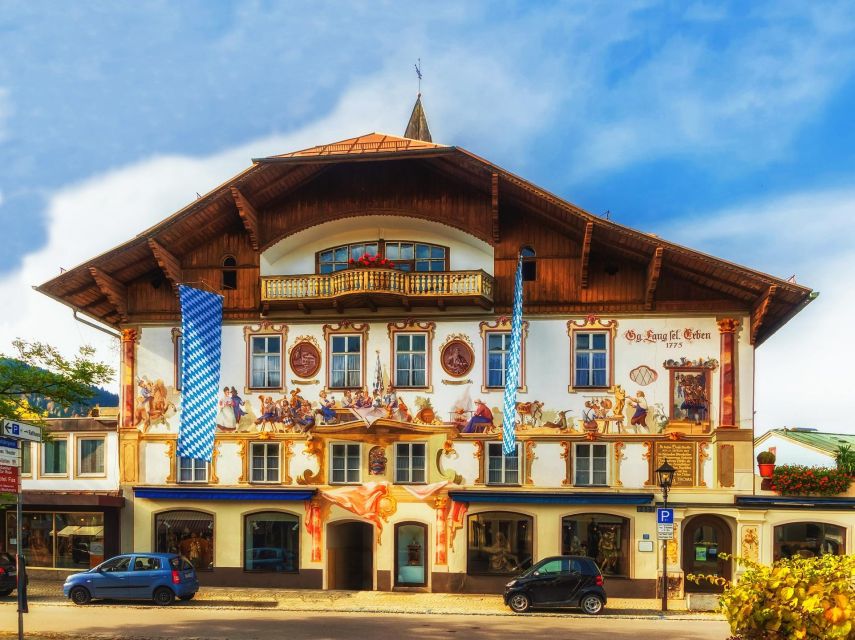
Oberammergau is far more than a pretty Bavarian village. Its painted houses sit above layers of pilgrimage, plague, wood carving, wartime industry, and one of Europe’s most unusual theater traditions. The Passion Play gives the town its fame, but the streets reveal plenty more.
I like the way this tour links ordinary-looking buildings to bigger events, and I like the private format, which lets you ask questions instead of keeping pace with a large group. The main consideration is time: 90 minutes gives you a focused introduction, not a full study of every church, workshop, and museum.
Key points to know before you book
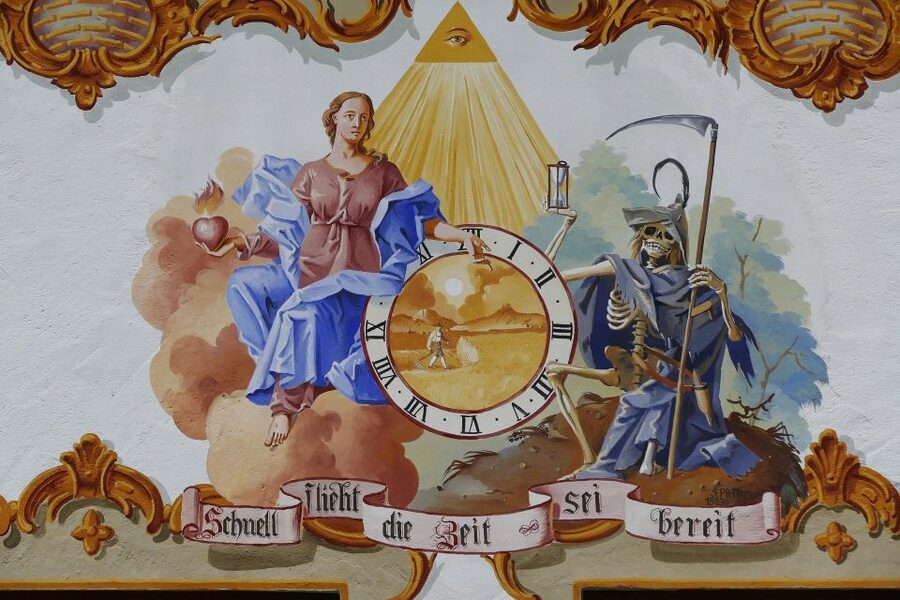
- Oberammergau’s frescoed houses combine sacred scenes with everyday and fairy-tale subjects.
- The Passion Play began during plague years and developed into the town’s defining tradition.
- Wood carving grew through pilgrimage traffic, markets, and the village’s position between Germany and Italy.
- Ettal Monastery shaped local life, with links to Oberammergau’s early religious roots and an elite boarding school.
- WWII history adds a darker layer, including connections to a Wehrmacht headquarters and a Messerschmitt factory.
- The private price favors groups, costing $280 total for up to 15 people, with entrance fees not included.
Why Oberammergau rewards a guided walk
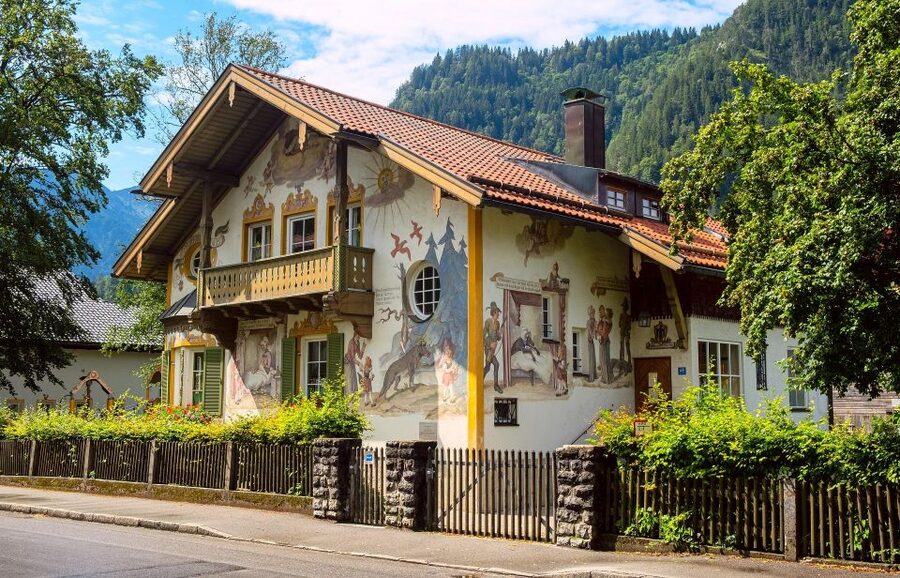
You can walk Oberammergau on your own, but the village is a place where context changes what you see. A painted facade may look like a pleasant decoration until you learn whether it shows a biblical scene, a local legend, or a fairy tale connected with German folklore.
The tour begins in front of the tourist office at Eugen-Papst-Straße 9A. That is a practical meeting point because you start in the center of the village rather than spending precious tour time finding a remote landmark.
Your guide leads the group through the story of the Ammer Valley settlement. The village takes its name from the Ammer River, which crosses the town, and its roots are dated to the late Bronze Age. The Oberammergau you see today, though, took shape around a small monastery founded in the ninth century.
That early religious link matters. Oberammergau was connected with nearby Ettal Monastery, and the town’s location between Germany and Italy placed it on routes used by pilgrims heading toward Rome. Pilgrims brought money, news, religious ideas, and demand for objects they could take home. Those connections helped turn a small alpine settlement into a center for wood carving.
I find this a useful way to read the town. The buildings are not isolated attractions. They belong to a chain of events: monastery, pilgrimage, trade, craft, local wealth, and public religious drama.
More walking tours in Garmisch Partenkirchen:
- Discover Berlin Half-Day Walking Tour
★ 5.0 · 9,624 reviews - Berlin: Third Reich and Cold War 2 Hour Walking Tour
★ 4.9 · 6,830 reviews - Munich: Third Reich & WWII Walking Tour
★ 4.6 · 6,181 reviews
Painted houses and the world of Märchenhäuser
One of Oberammergau’s best-known features is its 18th-century frescoed houses. These exterior paintings give the village its storybook appearance, but the tour helps separate genuine history from simple postcard appeal.
You will hear about the local references to Märchenhäuser, or fairy-tale houses. The term connects the town with old German oral folklore gathered by the Brothers Grimm in the early 19th century. It is a reminder that Oberammergau’s visual language is not only religious. Sacred scenes share space with stories, legends, and subjects from everyday life.
That mix of sacred and profane is one of the walk’s strongest themes. A facade can point toward Christian belief, local identity, or popular storytelling. I like that the tour treats these as parts of the same culture rather than forcing the village into one neat category.
The paintings also help you understand how public art worked before modern media. A house exterior could teach, impress, entertain, and signal local pride. You do not need to enter every building to get something from the walk, since much of the visual interest is outside at street level.
Still, this is not a substitute for a dedicated art tour. The experience lasts only 90 minutes, and entrance fees are not included. If you want extended time with interiors or formal collections, you will need to arrange those separately.
From pilgrimage routes to Oberammergau wood carving
The village’s wood carving tradition is not presented as a random local craft. Its growth is tied to movement through the region.
Pilgrims traveling between Germany and Italy passed through the area on their way to Rome. Markets gave carvers a place to sell their work, while religious visitors created a steady demand for devotional objects. Over time, Oberammergau became a fulcrum point for wood carving from the 14th century onward.
That detail gives the craft a practical explanation. Artists did not simply work in isolation among the mountains. They benefited from routes, buyers, and the circulation of ideas. A carving made here could travel far beyond the Ammer Valley.
You may find the carving story more satisfying than a basic stop at a shop because it explains how the tradition developed. The tour focuses on the forces behind the craft, including pilgrimage and markets, rather than presenting wood carving as a timeless local stereotype.
The supplied information does not promise a workshop demonstration or a chance to carve something yourself, so you should not book this expecting a hands-on craft session. Think of it as a walking history of the tradition and its place in Oberammergau’s economy and identity.
War, plague, and the birth of the Passion Play
The Passion Play is the emotional center of Oberammergau’s story, and the tour explains it through crisis rather than treating it as a detached performance tradition.
The Thirty Years War brought severe disruption across central Europe. The return of the Black Plague added another terrible burden. In Oberammergau, the plague experience led to the creation of a representation of the Passion of Christ, portraying the final days of Jesus.
That origin gives the play a very different meaning from ordinary theater. It grew from a community response to death, fear, and religious hope. The performance became an expression of collective identity, not simply a commercial show.
You will learn why the Passion Play is known for its highly specific local tradition and exclusive cast. The cast is tied to Oberammergau, which helps explain why the event belongs so closely to the village itself. The town’s streets, houses, faith, and public life all feed into the story.
I especially like this part of the walk because it connects the play to the physical town. You are not only hearing about a famous production. You are seeing the place where war and plague shaped a tradition that still defines Oberammergau.
Keep your expectations in check, though. This walking tour explains the origins and importance of the Passion Play. It does not include an entrance to a performance, and entrance fees of any kind are not part of the price.
A few more Garmisch Partenkirchen half-days to weigh up
- Neuschwanstein Castle Private Tour from Garmisch-Partenkirchen
★ 5.0 · 67 reviews - Starzlach Gorge: Beginners Canyoning Tour
★ 5.0 · 37 reviews - Rafting on the Isar
★ 4.0 · 20 reviews - A Private Day Tour of Garmisch-Partenkirchen and the Zugspitze Mountain
★ 5.0 · 17 reviews
Oberammergau’s WWII secrets
The village has a darker 20th-century chapter as well. The tour brings up Oberammergau’s wartime connections, including a Wehrmacht headquarters and a Messerschmitt factory.
These details matter because they challenge the easy image of Oberammergau as only a peaceful alpine stop with painted houses. Its position and local facilities made it part of Germany’s wartime system. The tour places those connections alongside the older stories of pilgrimage, religion, and craft.
The information provided does not specify that you enter the former headquarters or factory, so expect these to be historical points discussed during the walk rather than guaranteed interior visits. That is still useful. A guide can show how the village’s modern history fits into the same streets you are already viewing through older stories.
I appreciate the inclusion of this material. A balanced town tour should not stop with handsome facades and religious tradition. Oberammergau’s story includes difficult subjects, and the WWII section gives the walk a more honest shape.
A private guide changes the pace
This is a private group tour for up to 15 people, with a local professional guide accompanying only your group. The guide speaks English or German, and some customizing is possible on the spot.
That flexibility is the main reason to choose this format. If you care most about the Passion Play, you can ask for more attention there. If wood carving or Ettal interests you more, you can use the private setting to steer the discussion when time allows.
One booking was led by Ekaterina, who was described as articulate, lively, and effective at bringing the village alive for a group of four. That is a useful clue about the style you may hope for, though guide assignments can vary.
A private format also works well for families or friends with different interests. Someone fascinated by the Thirty Years War can ask about that period, while another person can focus on frescoes and fairy tales. In a large group, those questions may be harder to fit in.
The tradeoff is simple: private tours cost more than shared walks when only one or two people book. At $280 for the group, the arithmetic looks much better with several people. Four participants pay the equivalent of $70 each, while a full group of 15 brings the group cost to about $18.67 per person.
What $280 buys you in 90 minutes
The price includes the local guide and the private-group arrangement. It does not include entrance fees, so you should treat the $280 as the cost of interpretation and a tailored walk, not an all-inclusive sightseeing ticket.
For a couple, $280 is a serious expense for an hour and a half. You are paying for privacy and access to a local narrative, not for a long day of attractions. If you mainly want quick orientation before exploring on your own, a shared tour could offer better value if one is available.
For a family, small group, or reunion of friends, the price is easier to justify. The same fee covers up to 15 people, and the ability to shape the conversation can make the walk more useful than a fixed group route.
The 90-minute length is also practical. It fits neatly into a day that includes other Bavarian sights, including time in the wider Oberammergau and Ettal area. At the same time, it limits the amount of detail you can receive. I would use this tour as a well-organized introduction, then decide what deserves a longer independent visit.
Who will get the most from this tour
I would recommend the walk to you if you like towns where architecture carries a story. The painted houses, Passion Play, pilgrimage routes, and wood carving tradition all connect well for people who enjoy cultural history.
It also suits anyone who wants a private guide in English or German. The chance to customize the discussion is especially useful if your group has a clear interest in religious history, folklore, craft, or WWII.
Families may appreciate the short duration. Ninety minutes is long enough to give children a narrative but short enough to avoid turning the entire day into a history lecture. The fairy-tale house references can also make the walk more approachable for younger visitors.
I would be more cautious if you want extensive museum time, interior visits, a craft demonstration, or a full Passion Play performance. None of those are included in the stated tour details. You get a guided walk and historical interpretation.
Practical details that shape the experience
Meet your guide in front of the tourist office at Eugen-Papst-Straße 9A, 82487 Oberammergau, Germany. Check the start time when booking, since several starting times may be available.
The tour is offered in English or German. If language is important for your group, select the option that suits you when arranging the experience.
You can cancel up to 24 hours before the tour for a full refund, and the reserve-now, pay-later option lets you keep your plans flexible. Those policies are useful in Bavaria, where a day may include several moving parts and weather can affect how you organize your route.
The experience has a rating of 4.7 from five reviews, including two five-star accounts. The most useful pattern is not the number itself, but the emphasis on a personal format and an engaging guide. The experience appears strongest when you take advantage of the private setting and ask questions.
Should you book the Oberammergau private walk?
Book it if you want Oberammergau to make sense rather than simply look attractive. The tour connects the monastery, Ettal, pilgrimage routes, wood carving, plague, the Passion Play, fairy-tale houses, and WWII history in one compact visit.
I would choose it for a group of four or more, where the $280 fee becomes easier to share. I would also choose it early in your stay, since the guide can help you decide which parts of the village deserve another look.
Skip it if you are looking for a performance ticket, a workshop, or a long museum visit. But if you have 90 minutes and want a private, thoughtful introduction to why Oberammergau is famous, this is a strong use of your time.
FAQ
Where does the Oberammergau walking tour meet?
The meeting point is in front of the tourist office at Eugen-Papst-Straße 9A, 82487 Oberammergau, Germany.
How long does the tour last?
The walking tour lasts 90 minutes.
How much does the private tour cost?
The price is $280 per group of up to 15 people.
Is the tour private?
Yes. The guide is with your group only, and the activity is offered as a private group tour.
Which languages are available?
The live guide can lead the tour in English or German.
Are entrance fees included?
No. Entrance fees are not included in the tour price.
Can the tour be customized?
Possible customizing is available with your local guide on the spot.
What does the tour cover?
The walk covers Oberammergau’s monastery connections, Ettal, pilgrimage routes, wood carving, the Thirty Years War, the Black Plague, the Passion Play, Märchenhäuser, and WWII connections involving a Wehrmacht headquarters and a Messerschmitt factory.
Can I cancel for a full refund?
Yes. You can cancel up to 24 hours in advance for a full refund.
Just added around Garmisch Partenkirchen
- Horse Carriage Tour of Garmisch-Partenkirchen★ 5.0 · 4 reviews
- Private Neuschwanstein castle tour from Oberammergau village★ 5.0 · 4 reviews
- Beer and a Castle, A Neuschwanstein Tour★ 5.0 · 3 reviews
- Neuschwanstein Castle Tour for Large Groups★ 5.0 · 4 reviews
- Naked in Bavaria – An evening at the Sauna★ 5.0 · 7 reviews
- Mountain Top Photo Session★ 5.0 · 5 reviews
- Swarovski Crystal World and Innsbruck from Garmisch-Partenkirchen★ 5.0 · 4 reviews
- Beginners canyoning tour★ 5.0 · 11 reviews
Garmisch Partenkirchen Tours, compared.
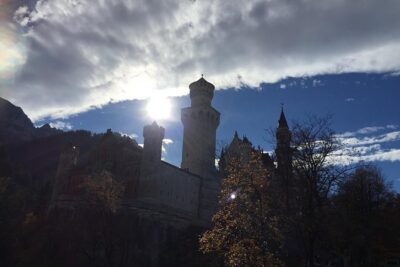
Neuschwanstein Castle Private Tour from Garmisch-Partenkirchen
Read our review →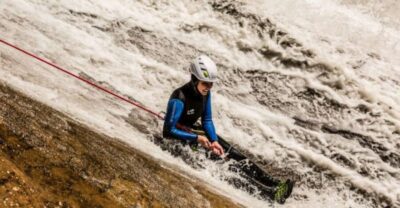

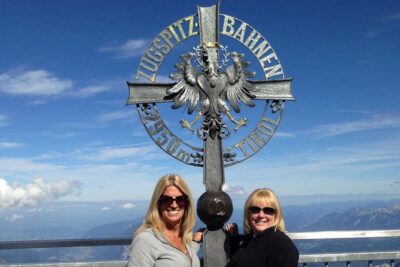
A Private Day Tour of Garmisch-Partenkirchen and the Zugspitze Mountain
Read our review →

Browse the lists this tour appears in