

Review · LEIPZIG TOURS
Leipzig: Historical Tour Waldstraßenviertel with GEO Epoche
Leipzig’s Waldstraßenviertel tour is less a house-by-house architecture walk than a moving history lesson. In two hours, you may pass from Wilhelminian-era streets to stories of Jewish life, the world wars, the Battle of the Nations, Rosental, and even the Red Bull Arena. The route connects Leipzig’s past to places you can see today.
I like the wide historical range, which reaches from events around 1700 to modern Leipzig. I also like the local stories and odd details, such as August the Strong’s near-plan to build a palace in Rosental and the annual Funkenburg Festival. The main point to weigh is the tour’s focus: if you mainly want architecture, builders, residents, and interior courtyards, this walk may not match your expectations.
Key points to know before you book
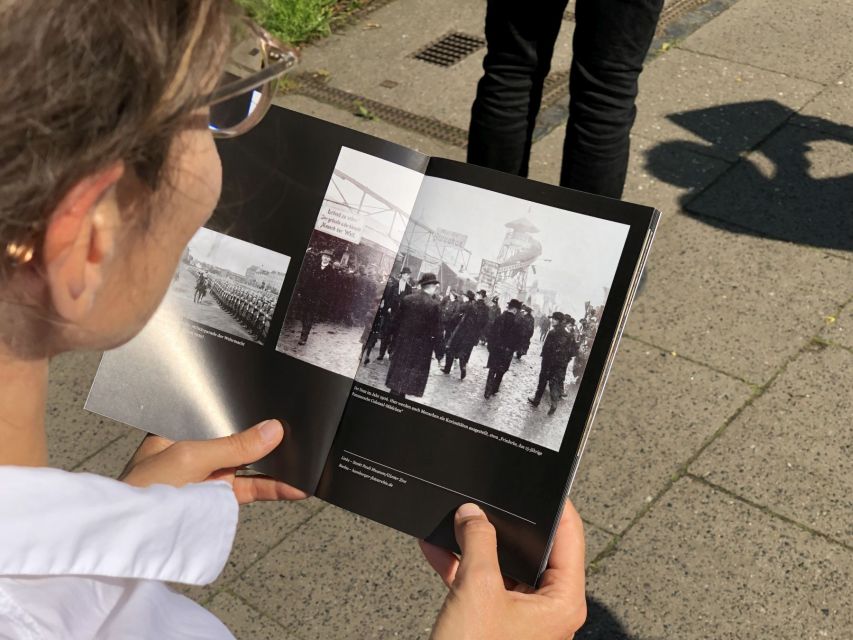
- The route begins at the Tänzerin fountain at Waldplatz, Jahnallee 18, 04109 Leipzig.
- The two-hour walk covers several periods, including Wilhelminian Leipzig, the world wars, Jewish life, 1700, and the Battle of the Nations.
- The tour may include Rosental and the Red Bull Arena, so expect a broad neighborhood story rather than only villa architecture.
- The guide speaks German, and a tour brochure is included.
- Comfortable shoes and weather-ready clothing matter, since the walk takes place rain or shine.
- The price is $29 per person, with free cancellation up to 24 hours before the start.
A walk through Leipzig’s past, not just its prettiest streets
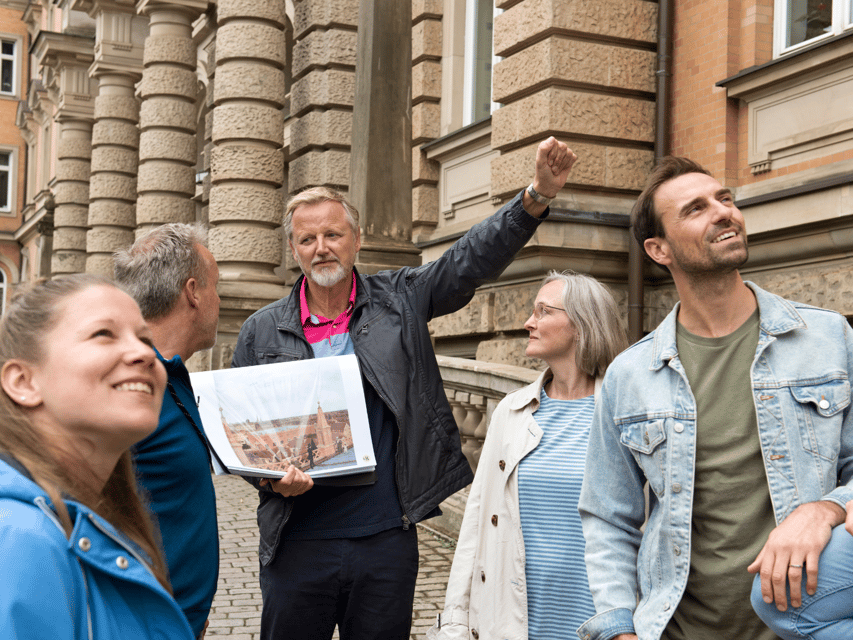
The Waldstraßenviertel is a useful setting for a history walk because Leipzig’s past is not confined to one monument or museum. Old streets, open spaces, sports landmarks, and nearby parkland can all point to different chapters in the city’s story.
That gives this tour a wider lens than a standard sightseeing stroll. You are not simply looking at façades and ticking off landmarks. You are being asked to connect places with the events that shaped them.
The tour was developed together with GEO Epoche, a German history magazine. That detail matters because the experience is built around stories and historical context, not only directions from one point to the next. The guide is expected to explain where events happened and why those places matter.
Still, I would set your expectations carefully. The description highlights the Waldstraßenviertel, but the route can reach beyond the district’s residential streets. One booking party expected a close look at the people who built and lived in the villas, along with architecture and access to a hallway or two. Instead, the walk included the Red Bull Arena and Rosental.
That is not necessarily a flaw. It simply tells you what kind of tour this is. I would choose it for a connected story about Leipzig, not as a specialist tour of residential architecture.
More history-led days in Leipzig:
- Leipzig: City History Canal Sightseeing Tour on a Motorboat
★ 4.7 · 6,232 reviews - Leipzig: 1.5-Hour Historical Walking Tour in German
★ 4.7 · 2,217 reviews - Leipzig Old Cemetery: 75-Minute Dark History Tour
★ 4.6 · 181 reviews
Meeting at the Tänzerin fountain on Waldplatz
The meeting point is Am Brunnen Tänzerin at Waldplatz, at Jahnallee 18, 04109 Leipzig. This gives you a clear place to wait, but you should arrive with enough time to identify the fountain and find the guide before the walk begins.
The starting point also signals the tour’s geographic character. Waldplatz sits beside the Waldstraßenviertel and near major Leipzig sights and routes. From here, the guide can lead you into the old streets and then connect them with Rosental or other nearby places included in the route.
No guide name is provided for this activity, so you cannot request a particular person in advance based on the available information. The most useful practical detail is language: the live tour is in German.
If your German is strong enough for a spoken history talk, the format should work well. If you rely on occasional English words or written translation, the brochure may offer some help, but no English-language guiding is listed. I would not book this expecting bilingual commentary.
Wilhelminian Leipzig and the question of architecture
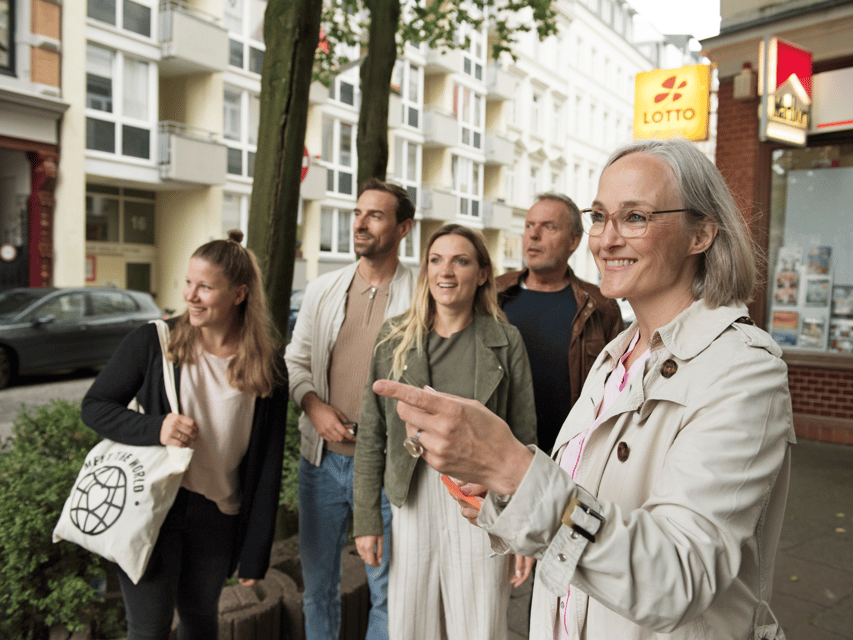
The Wilhelminian period is one of the tour’s central themes. Leipzig’s old residential streets provide a natural backdrop for talking about urban growth, changing society, and the period’s buildings.
You can expect the guide to use the streets and historic areas as evidence of how the city changed over time. The supplied details do not promise entry into private buildings, interior courtyards, or a detailed catalog of façades. That distinction is important for anyone drawn to the district because of its villas and apartment blocks.
The best way to approach this section is to look up as you walk. Notice the scale and style of the buildings, then listen for the human stories tied to the area. The guide’s job is to show how history sits alongside modern Leipzig, not just to recite construction dates.
This is where the tour may divide opinions. I like a broader explanation because architecture makes more sense when you know who lived in an area and what was happening in the city. But if your main goal is to identify architects, compare building details, or see interiors, you may want a more specialized Waldstraßenviertel architecture tour.
Stories reaching back to 1700

The tour also reaches back to events around 1700. That gives the walk a longer time frame than a visit focused only on the district’s late nineteenth-century buildings.
The supplied information does not specify the exact 1700 event or site, so you should expect the guide to provide that context in person. The value here is the sense of continuity. Leipzig was not created in one building period, and the streets you see today reflect several layers of political, social, and urban change.
I appreciate this kind of stop because it prevents the tour from treating the Waldstraßenviertel as an isolated architectural quarter. A neighborhood can look calm and residential while being connected to larger changes in the city.
You should also be ready for the guide to move quickly between dates. In two hours, the tour covers a lot: the eighteenth century, Jewish life, Wilhelminian Leipzig, the world wars, the Battle of the Nations, local festivals, and present-day landmarks. That breadth is a strength for curious visitors, but it may feel brisk if you want a long explanation of each chapter.
A few more Leipzig half-days to weigh up
- Leipzig: 1.5-Hour Public Tour with Night Watchman Bremme
★ 4.6 · 3,116 reviews - Combo Tour in Leipzig: Guided City Tour & City Sightseeing
★ 4.7 · 2,317 reviews - Leipzig: 2-Hour Guided Walking Tour in German
★ 4.8 · 1,612 reviews - Leipzig: 13-Stop Hop-on/Hop-off Bus Ticket
★ 4.6 · 1,468 reviews
Jewish life and the human side of Leipzig’s story
Jewish life stories are another important part of the walk. The description promises personal and social history, rather than only military or political events.
That focus can change how you read an old street. Instead of seeing the area as a collection of attractive buildings, you begin to think about the people who lived, worked, worshiped, and built their lives in Leipzig. The supplied information does not identify particular individuals or buildings, so I would treat this as a thematic part of the tour rather than expect a fixed list of named addresses.
This is also one reason a live guide adds value. A brochure can give you dates, but a guide can explain how a story fits the place where you are standing. Since the walk is shaped with GEO Epoche, the historical framing should be a key part of the experience.
The topic may be serious, especially when it reaches the world wars. Come prepared for a tour that moves between pleasant streets and difficult chapters. Leipzig’s past cannot be told honestly without both.
The Battle of the Nations and Leipzig’s wider setting

The Battle of the Nations is a major part of Leipzig’s historical identity, and this walk includes the end of that battle among its themes. The available details do not say that the tour visits the Battle of the Nations monument, so do not book it expecting a monument tour unless the guide confirms the exact route.
What you can expect is a discussion of events and where they took place. That approach helps you link Leipzig’s streets to the city’s role in major European conflicts.
The phrase end of the Battle of the Nations is especially useful because it points toward consequences, not just a famous date. A good explanation should help you understand what the battle meant for Leipzig and how the city’s spaces carried on afterward.
Again, the two-hour limit shapes the experience. This is an introduction with several storylines, not a full military-history lecture. You will likely get the main facts and some surprising details, then move on to another period or location.
Rosental, August the Strong, and an unexpected palace story
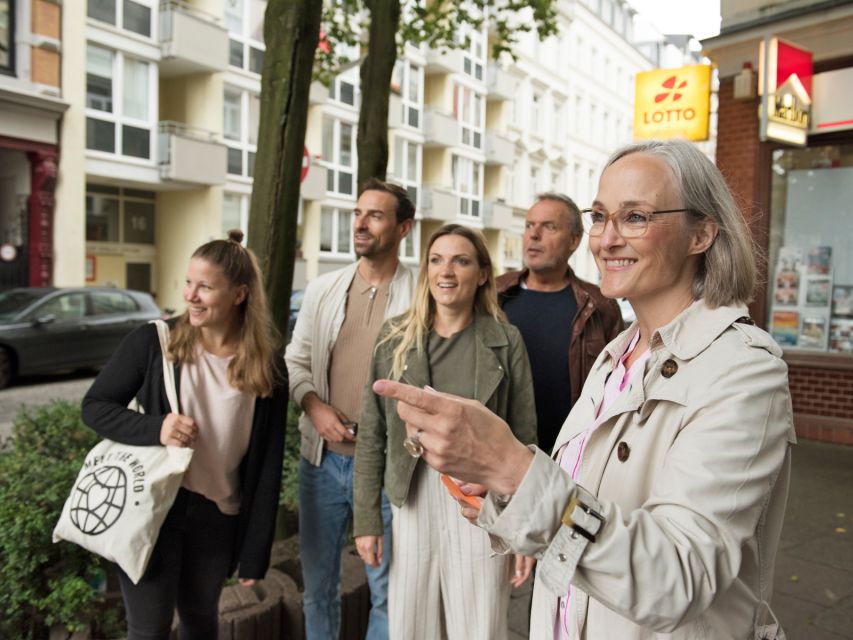
Rosental adds open space and a different mood to the route. One reported route detail is a stop there to explain how August the Strong nearly built a palace in the area.
That is exactly the sort of anecdote that can make a city walk memorable. You see an ordinary part of Leipzig and learn about a grand plan that never came to pass. It is a small story, but it shows how rulers’ ambitions could shape city planning even when the project was abandoned.
It also illustrates the tour’s wider method. The guide may use a place not because a famous building survives there, but because something was proposed, imagined, or almost happened. That can be more revealing than a simple list of completed monuments.
The drawback is that Rosental may feel off-topic if you came strictly for the Waldstraßenviertel’s villas. One person found the stop and the Red Bull Arena surprising because the expected focus was the residential district. I would see this as a warning to read the route as a neighborhood-and-history tour, not a narrow property walk.
The Red Bull Arena and old Leipzig beside new Leipzig
The Red Bull Arena brings modern Leipzig into the story. Its inclusion may seem unusual on a historical tour, but it lets the guide show how the city’s identity keeps changing.
The available information does not say that you enter the stadium or receive a sports tour. Treat it as an exterior or area-based stop connected to the route. The point appears to be comparison: historic streets and major old events on one side, a modern sports landmark on the other.
Some people will enjoy that contrast. I like tours that admit a city is not a museum. Leipzig’s present-day life sits beside its older layers, and a modern stadium can help you see that.
Others may find it a detour. If you want every minute devoted to historic buildings, Jewish history, or the Battle of the Nations, this part could feel less satisfying. The route’s mix is the central decision you need to make before booking.
Funkenburg Festival and the value of local anecdotes
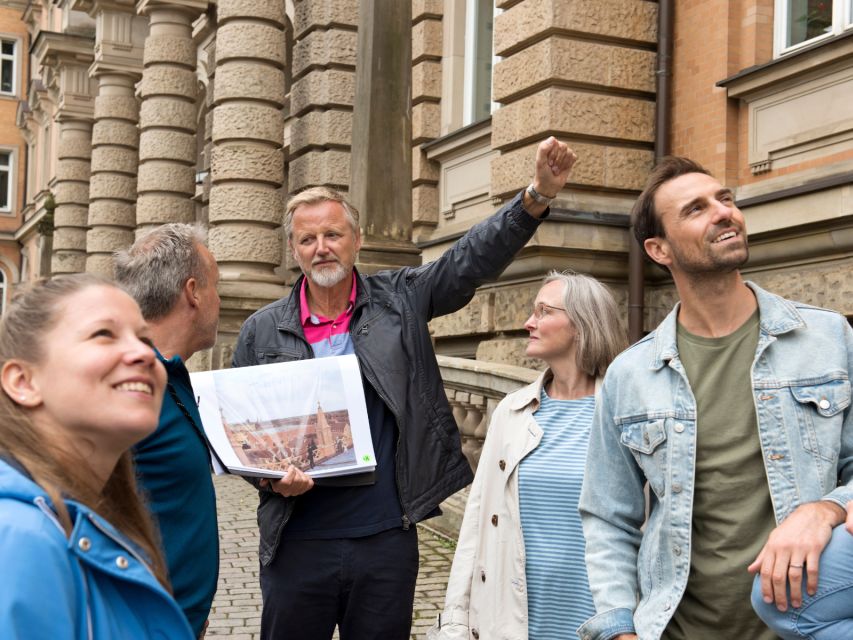
The annual Funkenburg Festival is included among the tour’s subjects. The information does not explain the festival’s exact format or current schedule, so you should not assume that the tour includes a festival event or that one will be taking place during your visit.
Its presence in the tour points to an interest in local memory and tradition. A neighborhood is shaped not only by wars and rulers, but also by recurring gatherings and shared celebrations. That can give the walk a more everyday feel.
This is where the experience may be strongest for curious repeat visitors to Leipzig. If you have already seen the major central sights, stories about local festivals, near-missed building projects, and changing neighborhood life can add something new.
The guide also promises surprising facts and anecdotes. That promise is broad, but it fits the tour’s format. I would listen for details that explain why a place looks as it does, what almost happened there, and how older events still affect the way Leipzig is understood.
How the two-hour format affects the experience
Two hours is long enough for a proper neighborhood walk but short enough to fit into a busy Leipzig day. You can pair it with other plans without giving up an entire morning or afternoon.
The time limit also means the guide must keep the pace moving. You will hear several historical chapters rather than spend half an hour on one building. That suits you if you like a lively overview and want to leave with a list of places and topics to explore later.
The tour includes a brochure, which gives you something to keep after the walk. The available information does not describe its length or contents, so I would treat it as a useful companion rather than a substitute for the live guide.
Wear comfortable shoes. The walk takes place rain or shine, and appropriate clothing is essential. Leipzig weather can change, and there is no promise of indoor shelter or a weather delay. Pets are not allowed, and the tour is not suitable for people with mobility impairments.
Is $29 a fair price for this Leipzig walk?
At $29 per person, the tour costs more than a casual self-guided stroll but less than many private specialist tours. Its value depends on how much you want expert explanation in German.
I think the price is fair if you want a structured two-hour introduction with several historical periods, a live guide, and a supplied brochure. The tour’s broad scope means you are paying for connections between places and stories, not simply for access to a sight.
The value is weaker if you are only interested in architecture. Since the route may include Rosental and the Red Bull Arena, you could spend part of the two hours away from the residential façades you came to study.
A practical safeguard is the flexible booking policy. You can cancel up to 24 hours before the start for a full refund, and you can reserve now and pay later. That helps if your Leipzig schedule is still changing, though it does not solve the basic question of whether the German-language format suits you.
Who should book the Waldstraßenviertel tour?
I would recommend this walk to you if you enjoy city history told through places, anecdotes, and changes over time. It suits visitors who want more than the standard central Leipzig circuit and who are comfortable with a German-speaking guide.
It is also a good fit if you like variety. In one walk, you may hear about 1700, Jewish life, the Wilhelminian period, the world wars, the Battle of the Nations, August the Strong, the Funkenburg Festival, Rosental, and the Red Bull Arena.
I would hesitate if your goal is a precise architecture study of the Waldstraßenviertel. The route may not cover the builders, residents, façades, and interiors in the depth you want. I would also skip it if you need English guiding, cannot manage a two-hour walk, or do not want to walk in bad weather.
Should you book it?
Book this tour if you want a broad, story-led introduction to Leipzig and can follow German comfortably. The strongest feature is the mix of major history and small local surprises, delivered while you walk through the places connected to those stories.
Before paying, make one decision clear: do you want the history of Leipzig as seen through the Waldstraßenviertel, or do you want a detailed tour of the district’s architecture? The first choice fits this experience well. The second may leave you wishing the route had stayed closer to the villas.
The rating information is mixed, with praise for the guide and one serious scheduling problem in which the tour did not take place and notice arrived two days later. The money was refunded in that case, but the incident is worth keeping in mind. Check the starting details close to the date, arrive at the Tänzerin fountain prepared for a German-language walk, and bring good shoes.
FAQ
Where does the tour meet?
The meeting point is at the Am Brunnen Tänzerin fountain at Waldplatz, Jahnallee 18, 04109 Leipzig.
How long does the tour last?
The tour lasts two hours.
What language is the tour in?
The live tour guide speaks German. The activity information lists German as the available language.
What areas does the tour explore?
The tour explores Leipzig’s Waldstraßenviertel and may also include nearby places such as Rosental and the Red Bull Arena.
What historical periods does the tour cover?
The tour covers events around 1700, the Wilhelminian period, the world wars, the Battle of the Nations, Jewish life stories, and modern local history connected with the Funkenburg Festival.
Is a guide included?
Yes. A live tour guide and a tour brochure are included.
What should I bring?
Bring comfortable shoes and clothing suited to the weather.
Does the tour run in bad weather?
Yes. The tour takes place rain or shine.
Are pets allowed?
No. Pets are not allowed on the tour.
Is the tour suitable for people with mobility impairments?
No. The activity is listed as unsuitable for people with mobility impairments.
Can I cancel for a full refund?
Yes. You can cancel up to 24 hours in advance for a full refund.
Can I reserve now and pay later?
Yes. The reserve-now-and-pay-later option lets you hold a place without paying immediately.
Just added around Leipzig
- City tour on foot, by S-Bahn and tram★ 4.5 · 12 reviews
- Schkeuditz: 4-Hour Vintage East German Trabant Rental★ 4.9 · 15 reviews
- Leipzig City Centre: Scavenger Hunt Self-Guided Tour★ 4.4 · 114 reviews
- Tour on Lake Cospuden★ 4.7 · 58 reviews
- Leipzig Spirits Manufacture: Guided Tour and Tasting★ 4.8 · 79 reviews
- Leipzig: True or false? Walking Tour and Interactive Game★ 4.8 · 28 reviews
- Leipzig: Scavenger Hunt Self-Guided Tour★ 4.7 · 11 reviews
- Leipzig: Segway tour to the Battle of the Nations Monument★ 5.0 · 4 reviews
Leipzig Tours, compared.
City History Canal Sightseeing Tour on a Motorboat
Read our review →
1.5-Hour Public Tour with Night Watchman Bremme
Read our review →
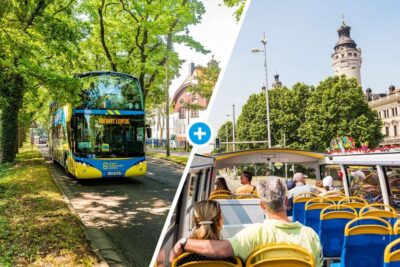
Combo Tour in Leipzig: Guided City Tour & City Sightseeing
Read our review →


Browse the lists this tour appears in