

Review · HAMBURG TOURS
Hamburg: Museum für Kunst und Gewerbe Entrance Ticket
The Museum für Kunst und Gewerbe Hamburg, known as MK&G, is not simply a place for old objects behind glass. It asks you to think about how people shape the world through design, from historic craft and decorative arts to contemporary ideas. I like the wide cultural range and the fact that exhibitions include German and English text. I also like the central location, right beside Hamburg’s main railway station.
The main consideration is that this is an entrance ticket, not a guided tour. You set your own pace, and an audio guide costs extra if you want one. With collections spanning antiquity to the present, you may need to choose your focus instead of trying to see every room in one visit.
Key points to know before you go
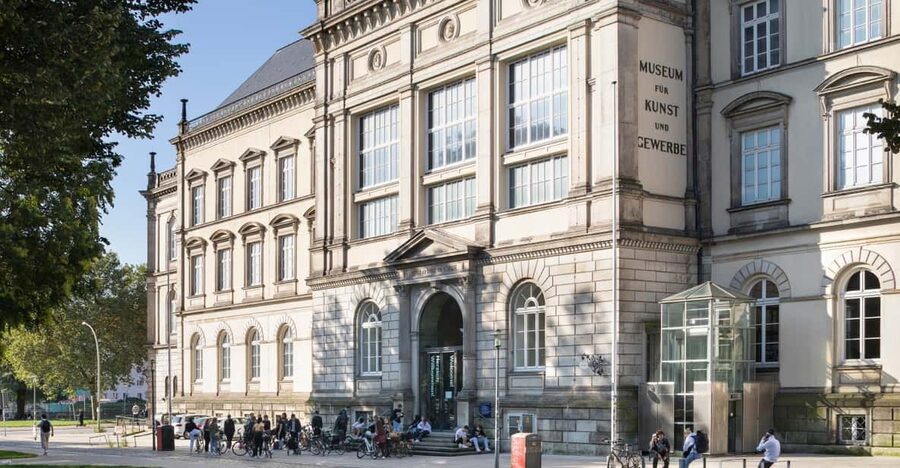
- A design museum with broad cultural reach: See work connected to European, East Asian, and Islamic traditions.
- Collections stretch from antiquity to today: The museum links historic objects with contemporary design questions.
- English support is built in: Exhibition texts are bilingual in German and English.
- One ticket gives you a full day: You can take your time rather than rush through a short timed visit.
- The museum is beside Hamburg Hauptbahnhof: It is easy to fit into a city day built around rail travel.
- Your visit is self-guided: An audio guide is not included, so bring your own plan or simply explore room by room.
Why MK&G is more than a display of beautiful objects
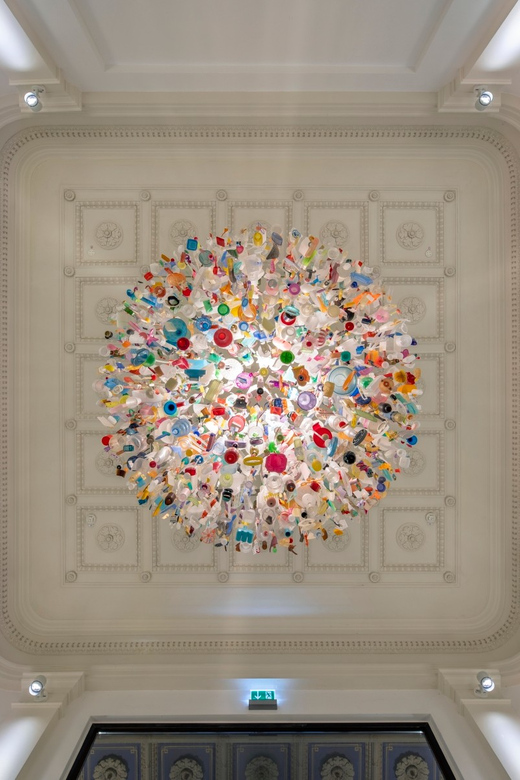
The Museum für Kunst und Gewerbe Hamburg is one of Germany’s leading institutions for design. That description matters because the experience is not limited to paintings or one period of European art. The museum brings together examples of human creativity from several cultural areas and many centuries.
You can expect a collection that reaches from antiquity to contemporary innovation. European, East Asian, and Islamic material all have a place in the museum’s larger view of design. That gives you a useful way to compare how people have approached objects, materials, decoration, function, and visual ideas in different places and times.
I like this approach because it makes the museum relevant even if you are not an art specialist. You do not need to identify every style or know every designer before entering. You can simply ask practical questions: What was this object made to do? Who might have used it? Why does it look this way? What does it tell me about the values of its maker or owner?
The museum also describes itself as a place for discourse. In plain language, it wants design to be discussed, questioned, and reconsidered. That can make the visit more thought-provoking than a quick procession of decorative objects. You are encouraged to consider design as part of daily life, not just something reserved for galleries.
More museums and galleries in Hamburg:
- Hamburg: International Maritime Museum Entrance Ticket
★ 4.7 · 547 reviews - Hamburg: Entrance to the Museum Ship Cap San Diego
★ 4.7 · 467 reviews - Hamburg: RICKMER RICKMERS Museum Entry Ticket
★ 4.6 · 269 reviews
Getting there beside Hamburg Hauptbahnhof
The MK&G is located next to Hamburg’s main railway station, or Hauptbahnhof. This is one of the most useful practical features of the ticket. You do not need to plan a separate cross-town journey or build your entire day around reaching an out-of-the-way museum.
If you arrive in Hamburg by train, the museum can be a natural first stop. You can visit before checking into your accommodation, after leaving luggage at your hotel, or during a break between rail connections. If you are already exploring central Hamburg, the location also makes it easy to add the museum without spending much of your day on transport.
The central setting has one small tradeoff: the museum is beside a major transport hub, not in a quiet park or secluded historic quarter. That is not a flaw in the museum itself, but it shapes the visit. You are choosing convenience and easy access over a peaceful setting.
The activity begins and ends at the museum. There is no separate meeting point, coach transfer, or guided route to follow. You arrive at MK&G, use your entry ticket, and finish back at the same place.
What one day inside MK&G lets you do
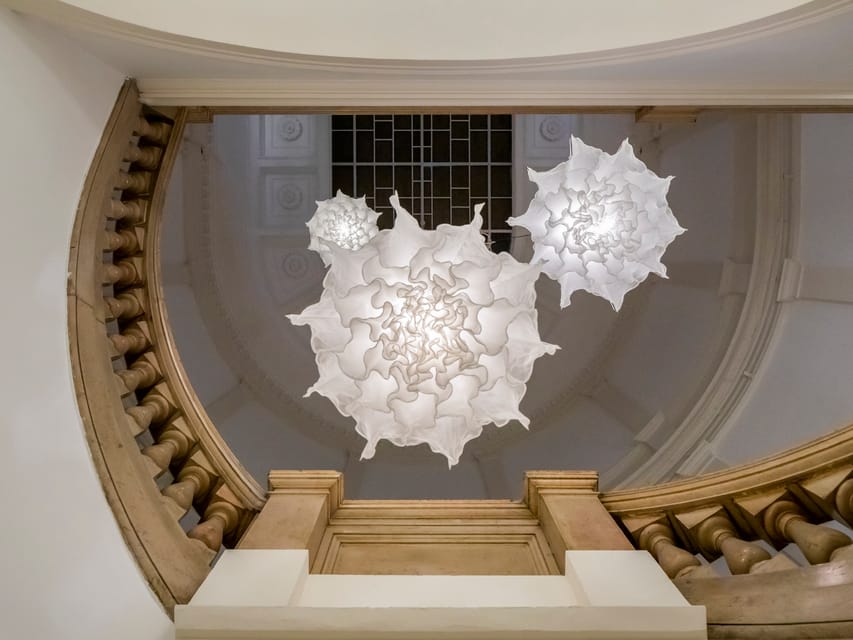
Your ticket is valid for one day, so you have room to make the visit fit your schedule. The information provided does not give a fixed route or a set starting time, and this is important: you should think of the experience as independent museum access rather than a timed tour.
A full day does not mean you must spend the entire day inside. It means you can take a measured look at the collections without being limited to a short entry window. You might make a focused visit around one cultural area, return after lunch, or use the museum as part of a larger Hamburg plan.
The breadth of the collection is both its strength and its challenge. Antiquity, European work, East Asian material, Islamic cultural areas, and contemporary design cover a lot of ground. If you try to give equal attention to everything, the visit may become tiring. I suggest choosing a simple goal before you begin, such as comparing traditional craft with modern design or paying attention to how objects combine beauty and practical use.
You might also let the museum guide your choices naturally. Spend more time with rooms that catch your eye, then move on when the material begins to blur together. A one-day ticket gives you that freedom.
European, East Asian, and Islamic collections
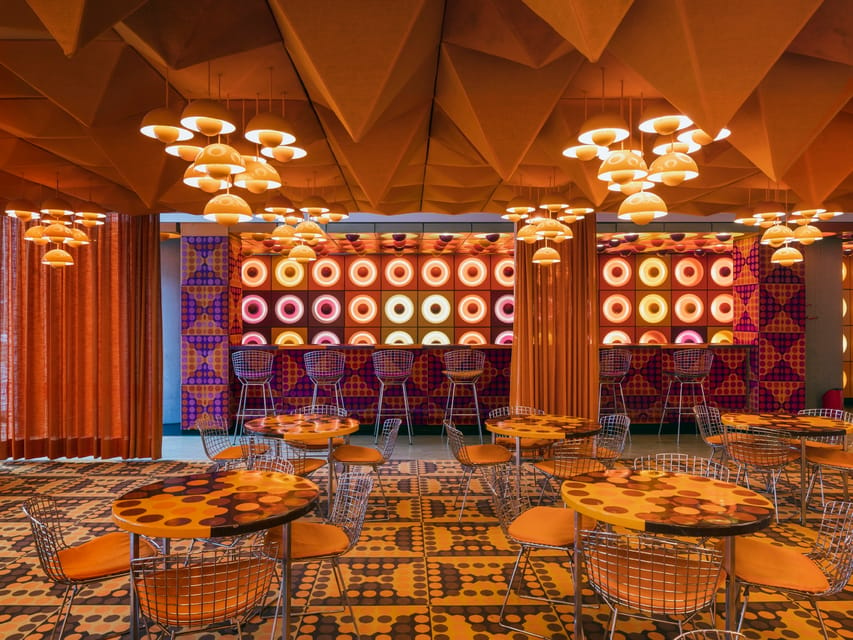
The museum’s cultural range is one of the clearest reasons to book. Instead of presenting design as a single European story, MK&G includes European, East Asian, and Islamic cultural areas. This lets you see human creativity through more than one tradition.
The provided information does not list individual objects or galleries, so I would not promise a particular vase, chair, textile, or famous masterpiece. What you can count on is a broad framework. The collection reaches across regions and periods, giving you several ways to compare design choices.
European material may help you follow changing ideas across centuries, while East Asian and Islamic collections add different approaches to decoration, craft, pattern, and form. The value is not only in seeing separate groups of objects. It is in noticing connections and contrasts between them.
You may find that one room appeals to you because of its materials, while another catches your attention through shape or surface design. The museum suits visitors who enjoy looking closely and making their own links. It is less suited to anyone expecting a single, tightly focused subject from beginning to end.
A few more Hamburg half-days to weigh up
- Hamburg: Sex and Crime in St. Pauli Tour for Ages 18+
★ 4.7 · 15,447 reviews - Hamburg: 1.5-Hour Harbor and Speicherstadt Day Cruise
★ 4.6 · 14,200 reviews - Hamburg: 90-Minute Evening Lights Harbor Cruise
★ 4.5 · 7,728 reviews - Hamburg: 2-Hour XXL Port of Hamburg Cruise Tour
★ 4.7 · 6,979 reviews
From antiquity to contemporary innovation
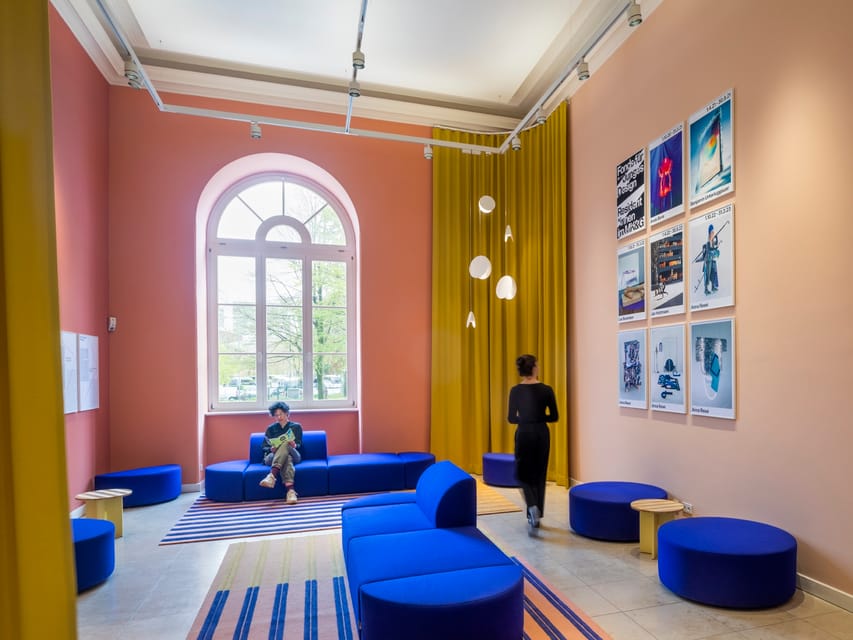
The timeline is just as broad as the geographic range. MK&G covers material from antiquity through contemporary innovations. That span gives you a chance to see how design changes as technology, taste, purpose, and social ideas change.
Historic objects can show the importance of skilled making and established visual traditions. Contemporary work can raise different questions about new materials, modern life, and the way objects affect the world around us. Moving between the two can make familiar things seem less ordinary.
The museum’s stated vision is to challenge itself and its audience to question and rethink the design of the world. That wording points to a visit that includes more than admiration. You are invited to consider how design affects the objects you buy, the spaces you use, and the systems around you.
This is a good reason to avoid treating MK&G as a checklist attraction. You will get more from it if you give yourself time to think. A historic object may be beautiful, but the museum also asks why it was made, how it functioned, and what its design communicated. A contemporary object may look unfamiliar, but it can prompt you to consider where design is heading.
Bilingual exhibitions make independent exploring easier
All exhibitions include German and English texts. That is a real advantage if you do not read German. You can examine the objects and also understand the basic context without depending on a guide or translation app.
English text does not turn the museum into an English-language tour. The visit remains self-guided, and the amount of written information may vary by exhibition. Still, bilingual displays give you a reliable starting point for understanding what you see.
The museum also works with international artists and designers and offers events in English. The ticket information does not specify which English events take place during your visit, so check current schedules if that matters to you. The important point is that English is part of the museum’s public program, not an afterthought.
An audio guide is not included with admission. If you prefer spoken interpretation, check whether one is available and what it costs before you arrive. If you are comfortable reading gallery text, you can explore without paying extra.
A museum that treats design as a current issue
Many museums ask you to look at the past. MK&G also asks you to consider the present. Its focus on design as one of the major issues of our time gives the visit a modern purpose.
Design shapes much more than furniture or decorative objects. It influences how products work, how information is presented, how spaces feel, and how people interact with the world around them. The museum’s digital strategy reflects this wider view. It aims to bring the founding purpose of the museum into the digital age through online offerings and digital museum practice.
You should not assume that every digital element is included in this entrance ticket. The information only explains the museum’s wider approach to digital work. Think of it as context for the institution, not as a promise of a particular app, online tour, or interactive feature during your visit.
This focus can appeal to families, students, design-minded visitors, and anyone curious about everyday objects. It also makes the museum a useful change of pace from Hamburg’s historic sights. After seeing churches, canals, or maritime attractions, you can spend time thinking about how people create and use the material world.
Is $16 good value for this ticket?
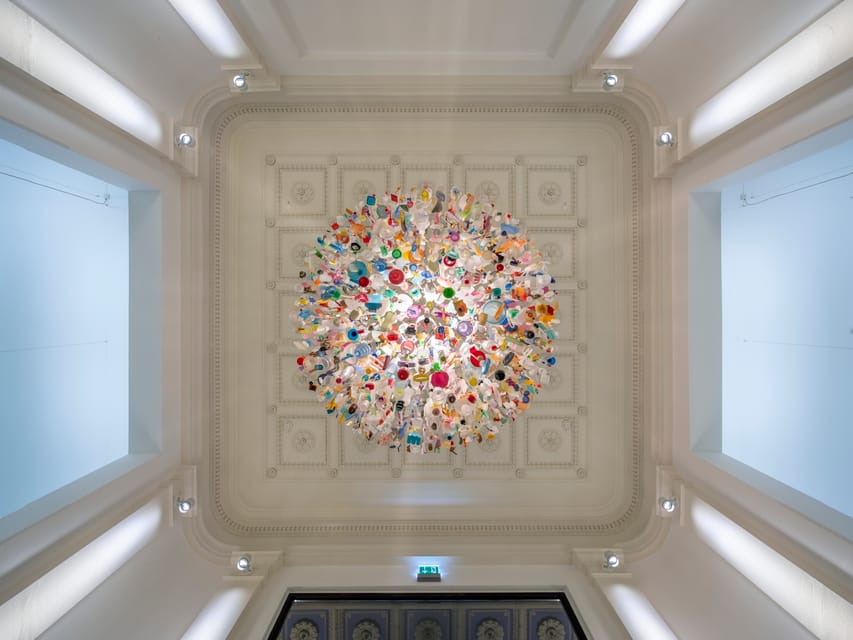
At $16 per person, the ticket offers reasonable value if you plan to spend time with the collections. The one-day validity is especially useful because you are not paying for a short slot and racing through a large museum.
The value depends on your interests. If you enjoy design, decorative arts, cultural comparison, or contemporary ideas, the broad collection gives you plenty to consider. If you prefer a museum built around one famous artist or one tightly defined historical event, MK&G may feel too wide-ranging.
The ticket does not include an audio guide, so factor that into your budget if spoken commentary is important. It also does not include a guide, private explanation, or transportation. You are paying for admission and the freedom to explore independently.
I see the ticket as a good choice for a flexible Hamburg day, especially because of the location beside Hauptbahnhof. You can avoid an extra transport cost and fit the museum around rail travel or other central plans. The published rating of 4.5 from 20 reviews suggests a strong overall response, though that is a small sample and should not replace matching the museum to your own interests.
Who will get the most from MK&G?

I would recommend this experience to you if you like museums that connect art with everyday life. It is a particularly good fit if you enjoy looking at objects from different cultures and periods rather than following one narrow story.
It also suits independent visitors. You can choose your own pace, pause when something interests you, and skip sections that do not hold your attention. The bilingual text helps you manage the visit without a guide.
Families may appreciate the variety, though the information provided does not promise child-specific activities. Design students, architecture fans, makers, and visitors interested in craft should find useful material here. So should anyone looking for an indoor activity near Hamburg’s main station.
I would hesitate if you want a guided experience with a named expert leading you from room to room. No guide is included, and no individual guide names are provided. I would also hesitate if you have only a few minutes and expect to see the whole museum properly. The range is too broad for that kind of rushed stop.
Practical details for planning your visit
The ticket is valid for one day, and you should check availability for the current starting times. The supplied information does not give a fixed duration beyond that one-day validity, so plan your visit according to your wider Hamburg schedule.
The museum is wheelchair accessible. That makes it a practical option for visitors who need accessible entry, although the details provided do not describe every facility inside the building. If you require a particular accommodation, confirm the current arrangements before booking.
You can cancel up to 24 hours in advance for a full refund. A reserve-now-and-pay-later option is also available, allowing you to hold your place without paying at the time of booking. These terms are useful when your Hamburg plans are still changing.
Since the museum is next to Hauptbahnhof, you have an easy reference point for arrival. The activity ends at the museum rather than at another city location, so plan your next stop from there.
Should you book the MK&G ticket?
Book it if you want a flexible, centrally located museum visit with European, East Asian, Islamic, and contemporary design in one institution. The bilingual exhibitions, wheelchair accessibility, and one-day validity add practical value, while the museum’s focus on questioning how the world is designed gives the visit an idea to carry with you.
Skip it if you need a guided tour, a guaranteed audio guide, or a tightly focused collection. For most independent visitors with an interest in objects, craft, design, and cultural comparison, $16 is a fair price, particularly when you use the location beside Hauptbahnhof to fit the museum neatly into your day.
FAQ
Where is the Museum für Kunst und Gewerbe Hamburg?
The museum is located next to Hamburg’s main railway station, called Hauptbahnhof.
What does the entrance ticket include?
The ticket includes entry to the Museum für Kunst und Gewerbe Hamburg.
Is an audio guide included?
No. An audio guide is not included with the entrance ticket.
How long is the ticket valid?
The ticket is valid for one day. Check availability for the current starting times.
Are exhibition texts available in English?
Yes. All exhibitions include German and English texts.
Does the museum offer events in English?
Yes. The museum works with international artists and designers and offers events in English.
Is the museum wheelchair accessible?
Yes. The activity is listed as wheelchair accessible.
Can I cancel for a full refund?
Yes. You can cancel up to 24 hours in advance for a full refund.
Can I reserve now and pay later?
Yes. A reserve-now-and-pay-later option is available, so you do not need to pay at the time of booking.
Just added around Hamburg
- Winter Alster tour★ 4.0 · 12 reviews
- World War 2 Hamburg Private Guided Tour★ 5.0 · 6 reviews
- UNESCO World Heritage – Speicherstadt and Kontorhaus district★ 4.5 · 12 reviews
- Ticket for the Emigration Museum BallinStadt Hamburg★ 4.0 · 57 reviews
- hamburg Experienced differently with wish rental bike relaxed enjoy★ 5.0 · 5 reviews
- Hamburg Private Food Tours with a Local: 100% Personalized★ 5.0 · 3 reviews
- The Beatles on St. Pauli★ 5.0 · 3 reviews
- The Beatles in Hamburg – Private Tour★ 5.0 · 16 reviews
Hamburg Tours, compared.
1.5-Hour Harbor and Speicherstadt Day Cruise
Read our review →

Browse the lists this tour appears in