
Review · COLOGNE TOURS
Cologne: Red-light-tour
Cologne’s cathedral is only the polite face of the city. This tour leads you into the old Miljö, the rough-and-ready world that made Cologne famous in the 1960s through the 1980s as Chicago on the Rhine. Along the way, you’ll hear how pimps, police officers, celebrities, and so-called easy girls crossed paths over a Kölsch.
I like two things right away: the route connects the cathedral with the Friesenviertel, so you get a useful walk through central Cologne, and the subject is presented through stories and local characters, not just dates. Guide Petra is praised for bringing a distinctly Cologne personality to the walk, mixing facts with personal stories.
The main drawback is simple: the tour is in German only, and it takes place outdoors in all weather. It is also a storytelling walk, not a behind-the-scenes visit to brothels, which may disappoint anyone expecting access to working establishments.
Key points to know before booking
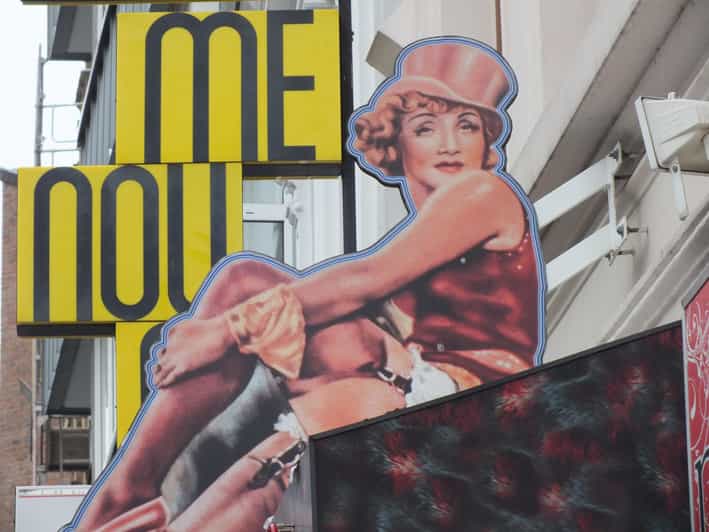
- The 1960s to 1980s are the heart of the story: Learn how Cologne’s old Miljö earned its Chicago on the Rhine reputation.
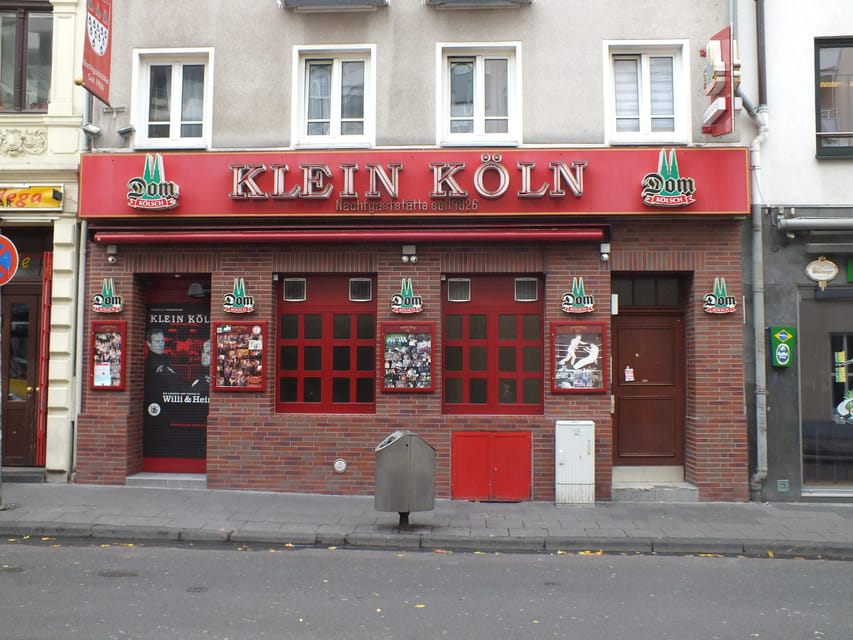
- The Hühnergasse gets special attention: You’ll find out why this oddly named street matters to Cologne’s red-light history.
- Petra may lead the walk: Her style is lively, personal, and rooted in Cologne’s local character.
- The route links two very different parts of the city: Start beside the cathedral and finish on Friesenstraße in the Friesenviertel.
- No brothels are visited: Expect streets, stories, and historical context rather than interior access.
- It is adults-only and German-speaking: Bring comfortable shoes, weather gear, and enough German to follow a fast-moving live guide.
From cathedral postcard to Cologne’s shadowy side
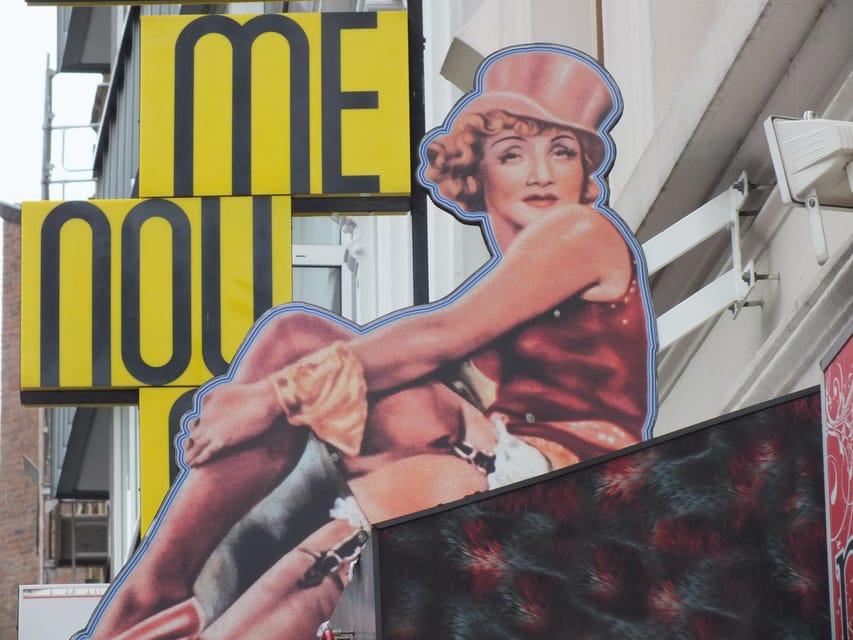
The meeting point, the Kreuzblume, sits opposite Café Reichard beside Domforum. You are starting in one of Cologne’s most recognizable settings, directly across from the cathedral, but the subject quickly shifts away from church towers and sightseeing clichés.
That contrast gives the walk its shape. Cologne is often reduced to its cathedral, Roman remains, and cheerful beer culture. This experience asks you to look at another part of the city’s identity, one shaped by nightlife, money, crime, sex work, and social rules that were often less tidy than official morality suggested.
The guide frames prostitution as the lesser evil in parts of Cologne’s past. That idea is useful because it shows how the city’s authorities and residents could tolerate certain activities when they believed them to be easier to control than other forms of crime.
You are not being asked to admire that world. The point is to understand how it worked, who benefited from it, and why it became part of Cologne’s public identity.
A few more Cologne half-days to weigh up
- Cologne: Panoramic City Cruise
★ 4.3 · 5,698 reviews - Cologne: Brewery Tour with 3 Kölsch Beer Tastings
★ 4.7 · 3,108 reviews - Cologne: Top Sights Rhine River Cruise – Skyline Tour
★ 4.4 · 3,030 reviews
What the old Miljö tells you about Cologne
The Cologne Miljö was not simply a red-light district. The word refers to a social world, with its own people, habits, loyalties, and rules. From the 1960s to the 1980s, pimps, criminals, police officers, celebrities, and ordinary drinkers could all brush against one another in the same central neighborhoods.
That mixture is what makes the subject more interesting than a standard crime walk. The tour looks at the social connections around prostitution and nightlife, including the meeting points where law enforcers, pimps, and sex workers could share a Kölsch.
The old nickname Chicago on the Rhine gives you a quick sense of the city’s reputation during that period. It suggests swagger, organized crime, public corruption, fame, and a certain pleasure in telling tall tales. The guide’s job is to sort out the colorful stories from the broad historical picture.
You’ll hear about the drive for fame, money, and power. Those themes make the tour useful even if you are not especially interested in prostitution. They show how a city develops an unofficial side, one that rarely appears in guidebook introductions but often shapes local folklore.
Following the route from the Kreuzblume
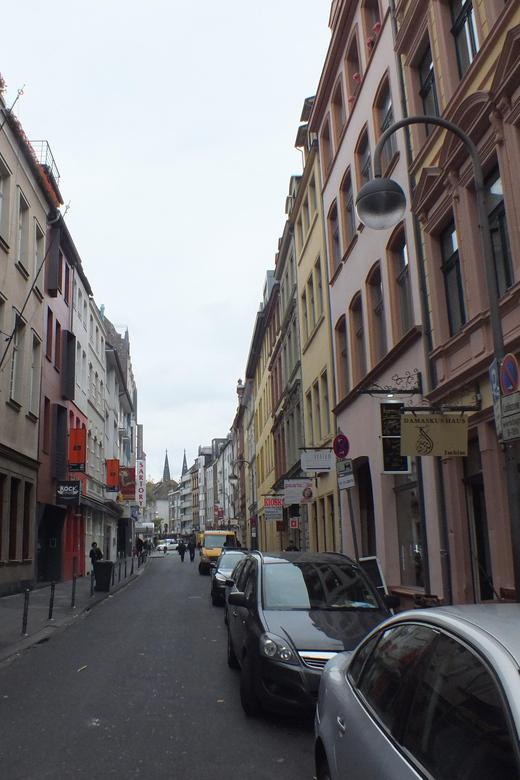
The walk begins at the Kreuzblume, a clear landmark opposite Café Reichard and next to Domforum. Arrive at least 10 minutes early. Cologne’s cathedral area can be crowded, and standing in the right place matters when you are trying to find a guide among people meeting for many different tours.
The guide should be identifiable by a lanyard with a name tag and, if applicable, a rucksack marked with the Kölngeflüster logo. If you are running late, contact the guide as soon as possible. The guide will not be available by phone once the tour is underway, so do not count on calling during the walk.
From this cathedral-side starting point, the experience moves toward the Friesenviertel. You are not simply being taken from one attraction to another. The route creates a before-and-after effect: the grand public center at the beginning, then the streets connected with nightlife and the old Miljö.
The walk ends on Friesenstraße in Cologne’s Innenstadt. Since it finishes in the Friesenviertel rather than returning to the cathedral, plan your next stop from there. The ending is handy if you want to continue exploring central Cologne, but less convenient if you have left luggage or a parked car near the meeting point.
The Hühnergasse question
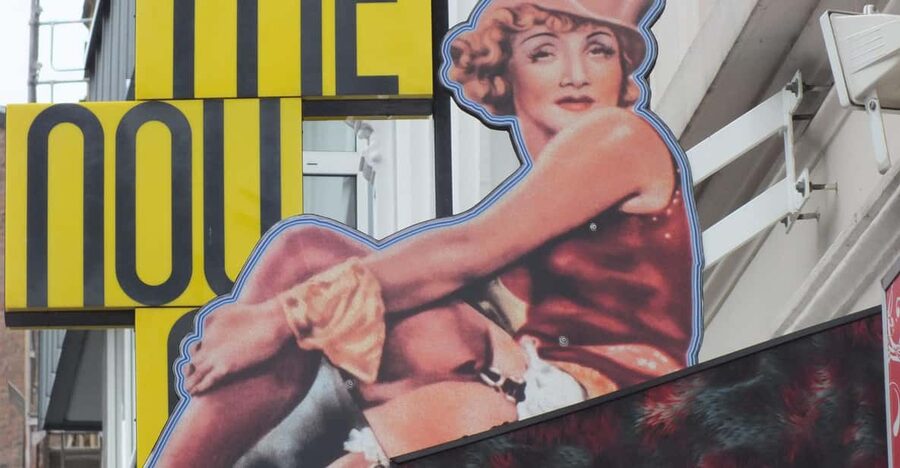
One of the tour’s most appealing hooks is the Hühnergasse. The name sounds harmless, even comic, which makes it a good entry into Cologne’s habit of hiding serious or scandalous stories behind ordinary street names.
The tour explains what the Hühnergasse has to do with the city’s red-light past. That detail matters because small place names often preserve local memory better than grand monuments do. You may forget a list of dates, but an unusual street name tied to a story is easier to remember.
The supplied information does not spell out the answer in advance, and that is part of the point. If you already know Cologne well, this kind of local question can give you a fresh reason to look closely at streets you might otherwise pass without a thought.
Expect the Hühnergasse to be treated as part of a larger story, not as an isolated curiosity. The guide uses details like this to connect geography with people, habits, and the old reputation of the neighborhood.
Same city, a completely different sort of afternoon:
- Cologne: Chocolate Museum Entrance Ticket
★ 4.4 · 2,790 reviews - Cologne: 24h Hop-On Hop-Off Sightseeing Bus Ticket
★ 4.3 · 2,735 reviews - Cologne: Melaten Cemetery Life, Love and Death Tour
★ 4.9 · 2,728 reviews - Cologne: Virtual Reality Time Travel Experience Ticket
★ 4.6 · 1,958 reviews
The Box-Bud and the city’s sinful mile
The walk follows the trail between the cathedral and the area associated with the Box-Bud, described as part of Cologne’s most sinful mile. The name gives the tour a strong sense of place, but you should keep your expectations realistic.
You will not be taken inside brothels or given an inspection of current businesses. This is a guided street walk about the people, legends, and past workings of the district. The value comes from explanation, not access.
That distinction is important. A tour that promises secret interiors can sometimes become more spectacle than history. Here, the focus remains on the public streets and the stories attached to them. You can listen, look around, and consider how the area has changed without treating working businesses as entertainment.
The Box-Bud theme also helps explain the walk’s tone. It is not a solemn memorial tour. The subject includes crime and exploitation, but also the dark humor, boastfulness, and colorful characters that often grow around notorious neighborhoods.
Why Petra’s style may shape your experience
Petra is the guide name most clearly associated with the strongest praise. She is described as a real Cologne girl who brings local feeling to the subject rather than reciting polished romantic tales.
That distinction matters on a tour about slang, reputations, and city character. A formal lecture could give you information, but a local guide can help you understand how Cologne’s identity is expressed through humor and attitude.
Her approach combines factual material with personal stories. The result, based on the supplied comments, is a walk that feels lively rather than heavy. One description specifically praises the mix of facts and personal stories, while another calls the tour entertaining and easy to follow.
Of course, a storytelling tour depends partly on the guide assigned that day. Petra may not be leading every departure. The activity is operated by Kölngeflüster, and the advertised language is German, so you should be comfortable listening to a live guide for 90 minutes without an English translation.
What 90 minutes feels like on foot
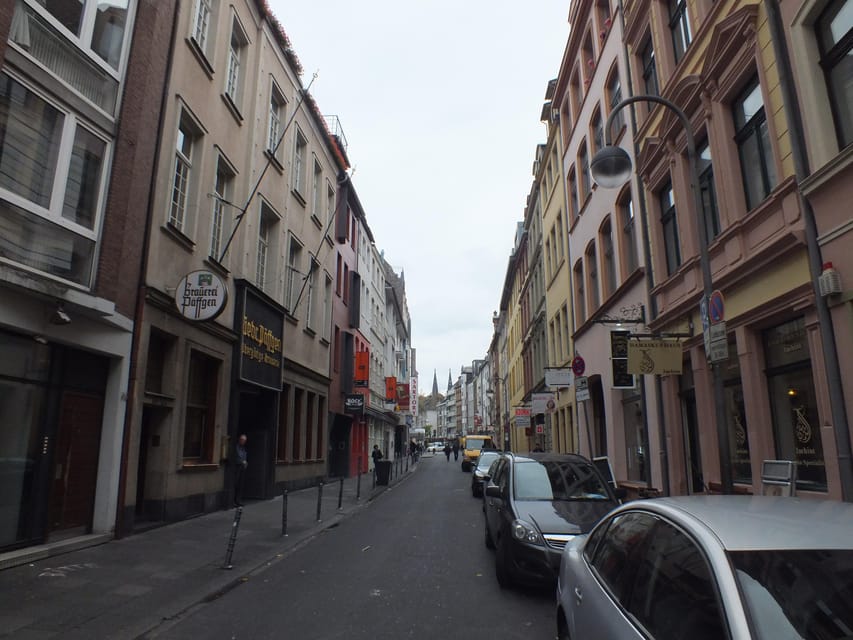
Ninety minutes is a sensible length for this topic. It gives the guide time to build a story, explain several locations, and add local details without turning the walk into a half-day commitment.
You should still wear comfortable shoes. The tour is entirely on foot, and the practical instructions call for weather-appropriate clothing and an umbrella. It runs rain or shine, so a wet day will not automatically cancel the experience.
That all-weather policy can be a plus if your schedule is tight. It can also be a drawback if you prefer outdoor sightseeing only in good conditions. Cologne weather can change quickly, and there is no promise of shelter during the storytelling.
The pace is likely to include stops for explanation, but the exact number and length of stops are not specified. Do not book it expecting a museum-style seat or a slow café crawl. You are walking through central Cologne while listening and looking.
Is $17 a good value?
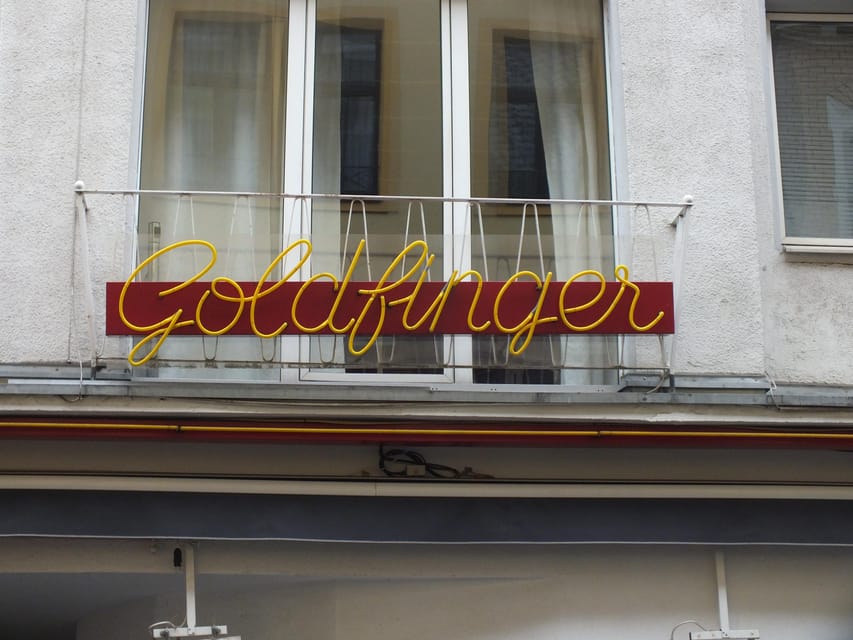
At $17 per person, this is a modestly priced way to add a local-history walk to a Cologne itinerary. The price is especially reasonable if you want more than the cathedral but do not want to spend several hours on a large city tour.
You are paying for a 90-minute guided experience with an expert guide, not for admission to a site. Since there are no brothel visits, the value depends on how much you enjoy interpretation, local stories, and urban history.
I would see the price as good value for three kinds of visitors. First, it suits adults who want a focused subject rather than a general introduction to Cologne. Second, it works for repeat visitors who have already seen the cathedral and central sights. Third, it fits anyone who enjoys learning how a city’s public image was shaped by its less respectable districts.
It is weaker value if you need an English tour, dislike walking in poor weather, or expect access to hidden interiors. The low price does not change the basic nature of the experience: it is a German-language storytelling walk through public streets.
Flexible booking adds some practical value. You can reserve and pay later, and cancellation is free up to 24 hours before the start time. That is useful when your Cologne schedule depends on weather, train times, or a packed cathedral visit.
Who should book this Cologne walk?
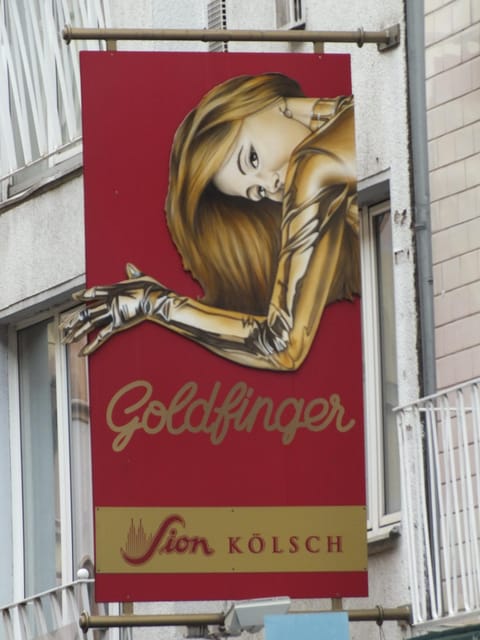
This tour is best for adults who enjoy candid city stories and are comfortable with mature subjects. It can work well for couples, friends, and small groups looking for something less polished than a standard sightseeing route.
You should book if you want to understand the old Cologne Miljö through local anecdotes. You should also book if names such as Hühnergasse and Box-Bud make you curious, even if you do not know anything about Cologne’s nightlife history yet.
It is less suitable for families because children under 18 are not allowed. Party groups are also not permitted, and alcohol or drugs are prohibited. That rule helps keep the tone focused on the guide’s stories rather than turning the walk into a pub crawl.
German ability is the biggest deciding factor. The guide speaks German, and the appeal comes from humor, timing, and personal storytelling. If you only understand a few German phrases, you may miss the details that make the tour worthwhile.
A few practical ways to get more from it
Arrive early at the Kreuzblume and locate the guide before the group sets off. Standing opposite Café Reichard and next to Domforum gives you a clear reference point, but the cathedral area can still be confusing when busy.
Wear shoes you can comfortably use for 90 minutes. Bring an umbrella even if the forecast looks uncertain, since the tour runs in all weather.
Keep your expectations centered on history and storytelling. You will hear about prostitution, pimps, crime, police, celebrities, and local drinking culture, but you will not enter brothels. That is not a flaw if you want context, but it is an important limit to understand before paying.
After the walk, you will be on Friesenstraße in the Friesenviertel. You can use that ending to continue your evening in central Cologne, rather than treating the tour as a round trip back to the cathedral.
Should you book the Red-light-tour?
Book it if you want Cologne’s unofficial story, not another cathedral angle. The combination of the old Miljö, the Chicago on the Rhine era, the Hühnergasse mystery, and the route into the Friesenviertel gives you a sharply focused look at the city’s darker folklore.
I would give it a strong recommendation for German-speaking adults who enjoy local personalities and unusual history. Petra’s lively style, when she leads, sounds particularly well suited to the mix of fact and anecdote.
Skip it if you need English, cannot manage an outdoor walk, or are looking for access to brothels. For the right audience, $17 buys a compact, memorable look at a side of Cologne that the cathedral tours usually leave out.
FAQ
Where does the Cologne Red-light-tour begin?
The tour begins at the Kreuzblume, opposite Café Reichard and next to Domforum, near Cologne Cathedral.
Where does the tour finish?
The walk finishes on Friesenstraße in Cologne’s Innenstadt, in the Friesenviertel area.
How long does the tour last?
The guided walking tour lasts 1.5 hours, or 90 minutes.
What language is the tour in?
The live tour guide speaks German. No other tour language is specified.
Does the tour visit brothels?
No. The tour does not visit or inspect brothels. It covers the subject through a guided walk and stories about Cologne’s former red-light world.
Is the tour suitable for children?
No. Children under 18 are not permitted.
What should I bring?
Bring comfortable shoes, an umbrella, and clothing suitable for the weather. The tour takes place outdoors and runs rain or shine.
What is the meeting point?
Meet at the Kreuzblume, opposite Café Reichard and beside Domforum. Arrive at least 10 minutes before the scheduled start.
Can I cancel the booking?
You can cancel up to 24 hours before the tour for a full refund. Reserve now and pay later is also available.
Just added around Cologne
- From Amsterdam: Cologne Private Sightseeing Tour★ 5.0 · 4 reviews
- Cologne: entertaining guided tour to old town highlights★ 4.8 · 22 reviews
- Cologne: WWII Sites with Optional EL-DE Haus Private Tour★ 4.9 · 22 reviews
- Cologne: Virtual escape game adventure at 7th Space★ 4.3 · 15 reviews
- Cologne Walking Tour: The essential and unmissable one★ 4.3 · 10 reviews
- Cologne: The Dark Side of the City Walking Tour★ 4.8 · 142 reviews
- Cologne: Ehrenfeld District Street Art Walking Tour★ 4.9 · 202 reviews
- Cologne: Street Art Walking Tour in the Ehrenfeld District★ 4.9 · 45 reviews
Cologne Tours, compared.

Virtual Reality Time Travel Experience Ticket
Read our review →
The Night Watchman Old Town Walking Tour in German
Read our review →Browse the lists this tour appears in