
Review · HAMBURG TOURS
St. Pauli Kieztour – Reeperbahn mittendrin
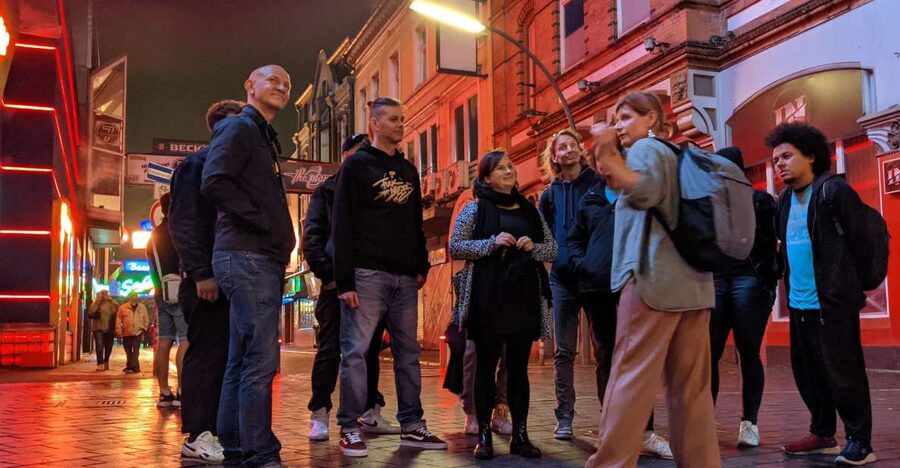
St. Pauli is where Hamburg’s respectable side and rough-edged nightlife meet on the same pavement. On this two-hour walk, you’ll move from the famous Reeperbahn and its red-light history to quieter corners that show why locals still call the district home. I like the local perspective and the clear look at St. Pauli’s 400-year story. I also like that the route ends with a drink at a neighborhood bar rather than stopping at the most obvious tourist places.
The main limitation is simple: the tour is conducted in German, and food and drinks cost extra. It is also not designed for children under 16, so check those points before booking.
Key points to know before you book

- St. Pauli’s story reaches back 400 years, giving the nightlife district much more context than a quick Reeperbahn stroll.
- The route covers major landmarks, including Große Freiheit, Davidwache, Hans-Albers-Platz, Herbertstraße, and Spielbudenplatz.
- A local guide leads the walk, with attention to present-day social and political changes as well as history.
- You finish in a neighborhood pub, where you can buy a drink and get suggestions for the rest of your evening.
- The tour costs $29 per person, lasts two hours, and is wheelchair accessible.
- German is the only stated tour language, and you must register 15 minutes early at St. Pauli Office.
Why St. Pauli is more than the Reeperbahn
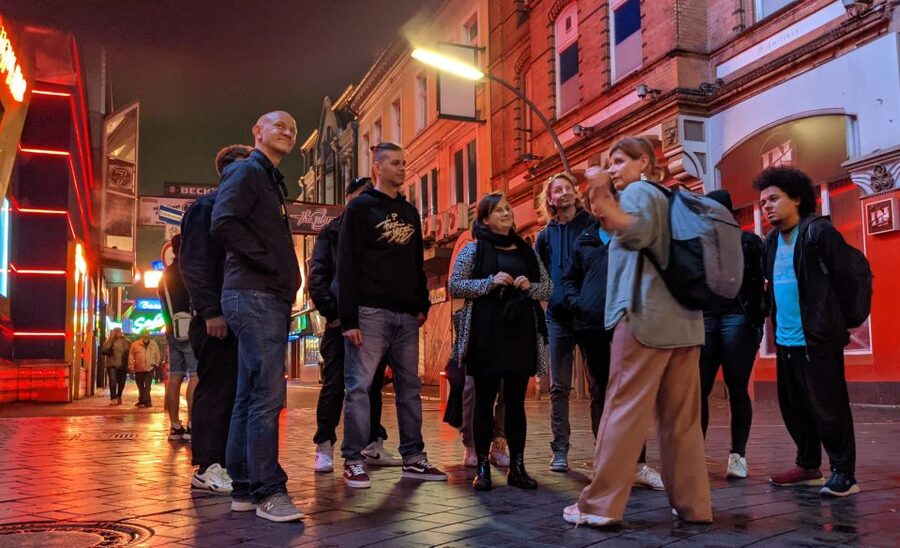
The Reeperbahn is the headline act, but St. Pauli is not just a strip of nightclubs, neon signs, and adult entertainment. This district has developed through several very different phases, and the tour uses that long story to explain why the area feels so divided and yet so connected.
You’ll hear about a neighborhood where red-light businesses sit near expensive hotels, punk culture shares streets with pop music, and long-time residents live beside party crowds and day-trippers. That clash is not a side note. It is the heart of St. Pauli.
I like this approach because it keeps the walk from becoming a simple tour of scandalous places. The guide can explain how the district gained its reputation while also pointing out the parts that make it a working neighborhood. You get the famous sights, but you also get a sense of the people and tensions behind them.
The 400-year time span matters. Without it, the Reeperbahn can seem like a recent entertainment zone built for visitors. With it, you can better understand how St. Pauli became a place of movement, business, nightlife, subcultures, and social change.
More St Pauli and Reeperbahn nights:
- Hamburg: Sex and Crime in St. Pauli Tour for Ages 18+
★ 4.7 · 15,447 reviews - Hamburg: Reeperbahn Lust & Laster Tour for Adults Only
★ 4.7 · 5,440 reviews - Hamburg: Insider Tour of the Reeperbahn & St. Pauli
★ 4.7 · 5,057 reviews
Starting at St. Pauli Office on Wohlwillstraße
Your meeting point is the activity provider’s office at Wohlwillstraße 1, 20359 Hamburg. You should register at the counter 15 minutes before the tour begins, so do not arrive at the last second.
The office is part of the St. Pauli Office operation, which gives the walk a local base rather than a generic city-tour meeting point. Your guide leads the group from there into the district, connecting the office area with the better-known streets near the Reeperbahn.
Starting in the neighborhood is useful. You do not begin with a detached history lecture or a bus ride past the sights. You begin on foot, close to the streets and businesses that shape everyday St. Pauli.
The tour lasts two hours. That is enough time for a strong introduction to the district, but not enough for an exhaustive look at every street, museum, club, or social issue. Think of it as a focused first visit, followed by time to explore on your own.
Walking through the district’s clash of cultures

One of the most useful parts of the walk is the explanation of how different groups share St. Pauli. The area brings together old St. Pauli residents, Hamburg locals from elsewhere, suburban visitors, tourists, nightlife crowds, and people connected to alternative lifestyles.
You will also hear about the tension between the district’s party image and its role as a real place to live. A street can serve as a nightlife destination after dark and still be part of someone’s daily route to work, school, or home. That contrast helps explain why local attitudes toward tourism and nightlife are not always simple.
The tour also looks at present-day sociopolitical developments. That point is important if you want more than colorful anecdotes. The guide can place the famous streets within current debates about the neighborhood, its identity, and the pressure created by changing businesses and visitors.
I would pay close attention here. The best value of this tour is not simply being shown where a famous club or police station sits. It is learning how the district’s public image affects the people who live there.
Große Freiheit and the music side of St. Pauli
Große Freiheit is one of the essential stops. The name is closely tied to St. Pauli’s nightlife and music culture, and the street helps explain why the area became famous far beyond Hamburg.
The route uses places like Große Freiheit to show the meeting point between older entertainment traditions, pop music, punk, and the modern club scene. You should expect the guide to explain the street’s role rather than simply point out signs and venues.
This stop is likely to interest music fans, but it also works for anyone trying to understand the Reeperbahn’s wider reputation. The street is not isolated from the rest of St. Pauli. It is part of the same district where local life, nightlife, and commercial entertainment overlap.
Keep in mind that a walking tour cannot promise entry to clubs or live performances. The point is the setting and its background. If you want to return later, the guide’s nightlife recommendations can help you decide where to go after the walk.
A few more Hamburg half-days to weigh up
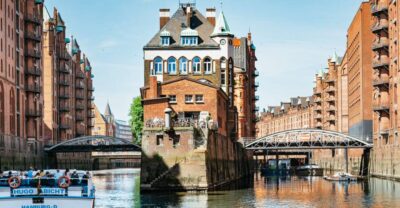
- Hamburg: 1.5-Hour Harbor and Speicherstadt Day Cruise
★ 4.6 · 14,200 reviews - Hamburg: 90-Minute Evening Lights Harbor Cruise
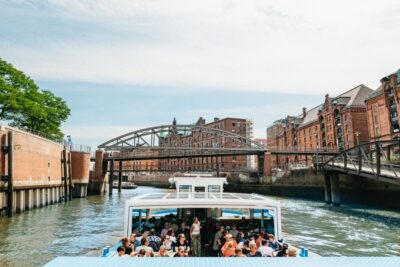
★ 4.5 · 7,728 reviews - Hamburg: 2-Hour XXL Port of Hamburg Cruise Tour
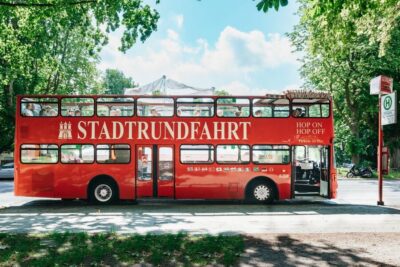
★ 4.7 · 6,979 reviews - Hamburg: Line A Sightseeing Hop-On Hop-Off Bus Tour
★ 4.6 · 6,958 reviews
Davidwache, Hans-Albers-Platz, and the public face of nightlife
The Davidwache is another major landmark on the route. This police station is closely linked with St. Pauli’s public image, so it provides a useful counterpoint to the clubs and bars nearby.
At Hans-Albers-Platz, the focus shifts toward one of the district’s best-known gathering places. The square helps show how St. Pauli’s nightlife operates in public space, not only behind club doors. It is a place where the district’s party reputation becomes visible in the street itself.
These stops are valuable because they connect institutions and public squares with the nightlife story. You are not simply being led from one entertainment venue to another. You are seeing how the neighborhood functions as a whole.
The atmosphere can be lively, and the subject matter is not polished or family-oriented. That is part of the point, but it also means the tour suits adults and older teenagers more than young children. The official age limit is 16 and up.
Herbertstraße and the Red Light District
Herbertstraße is one of the stops that draws most attention. It is tied directly to the district’s red-light history and to the image of St. Pauli as Hamburg’s sinful mile.
The guide can provide historical context for the street and explain how it fits into the wider development of the Reeperbahn. That background is more useful than simply walking past a notorious entrance and taking a photograph. You will have a better sense of why the street became famous and how it relates to the surrounding neighborhood.
This part of the walk may not suit everyone. Herbertstraße is associated with adult entertainment, and the tour deals openly with that subject. If you prefer a gentle city walk with museums and grand architecture, this is the wrong choice. If you want an honest look at St. Pauli’s adult nightlife and its place in local history, it is a central part of the experience.
The tour should also be approached with respect. This is a working area, not a stage set. Listen to the guide’s explanation and avoid treating the people and businesses around you as entertainment.
Spielbudenplatz and the changing Reeperbahn
Spielbudenplatz brings you back to one of the Reeperbahn’s main public spaces. Its position helps tie together the neighborhood’s entertainment, events, and street life.
Here, the guide can explain how the area has changed and how old images of St. Pauli compare with the district today. The tour is not only about what the neighborhood was. It also considers what it is becoming.
That makes the route useful for repeat visitors to Hamburg. You may have seen the Reeperbahn before, but a local explanation can help you notice the tension between commercial nightlife and the district’s long-term residents.
The tour does not promise a full evening of entertainment. Instead, it gives you enough context to make better choices afterward. You can decide which parts of St. Pauli deserve another look and which nightlife areas fit your mood.
Finding the quieter, livable side of St. Pauli
The most appealing part of the experience may be the effort to show St. Pauli beyond its famous clichés. The route includes less obvious corners that help explain why people live in and care about the district.
These quieter places are important because they balance the loudest images of the Reeperbahn. St. Pauli has a lovable side, but it is not presented as a postcard version of the neighborhood. The appeal comes from the mix of ordinary local life, strong identities, old traditions, and constant change.
You should not expect a formal architecture tour. The focus is on the people, stories, streets, and social character of the district. That makes the walk a good fit if you want to understand how a neighborhood works rather than collect a checklist of buildings.
I also like that this part of the walk gives the guide room to discuss local recommendations. You can ask about places to eat, drink, or spend time later, though the supplied details do not identify specific venues or guarantee that every recommendation will suit your taste.
Ending with a drink in a neighborhood pub
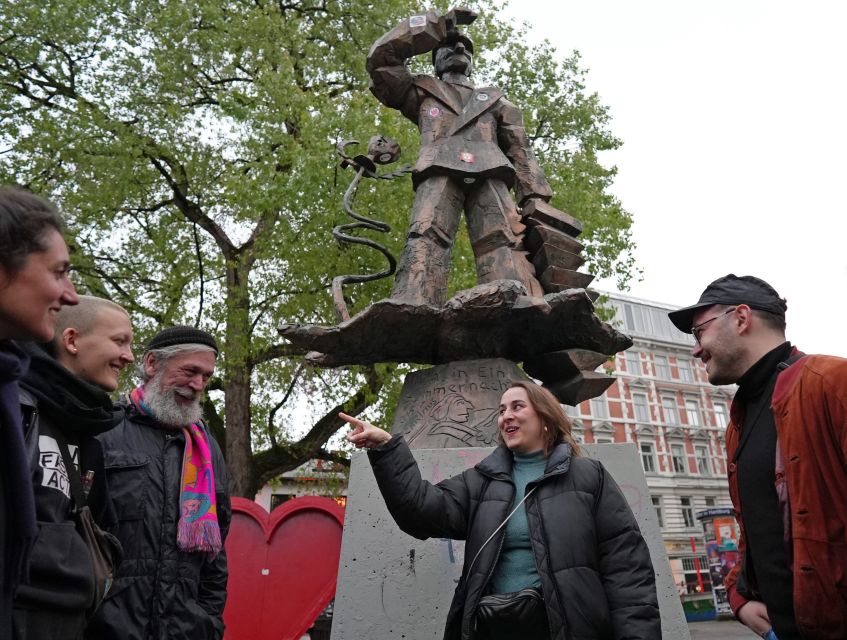
The tour finishes with a stop at a quaint local bar close to the heart of St. Pauli. Your drink is not included, so bring money if you want to join in.
This ending gives the walk a more natural feel. Rather than ending abruptly at a landmark, you have a chance to sit down, buy a drink, and ask about St. Pauli nightlife. It is also a practical moment to gather ideas for the rest of your evening.
Do not confuse this with a full pub crawl. The experience includes a bar stop, but it lasts only two hours and does not include food or drinks. The value comes from the setting and the chance to receive local nightlife advice, not from included refreshments.
If you are not drinking, the stop still gives you a chance to finish the conversation in a neighborhood setting. The key benefit is the local connection, not the beverage itself.
Is $29 good value for two hours?
At $29 per person, this tour is reasonably priced for a focused guided walk in central Hamburg. You are paying for a local guide, a structured route, historical context, and access to a more personal view of St. Pauli than you would get from wandering along the Reeperbahn alone.
The value is strongest if you are new to the district. Without context, the area can feel like a string of loud streets and provocative signs. A guide helps you connect the 400-year story with the current mix of nightlife, local life, and social change.
The value is lower if you already know St. Pauli well or if you want a long evening of drinks and entertainment. Food and drinks are extra, and the tour does not include entry to attractions or clubs.
Free cancellation up to 24 hours before the start gives you some flexibility. You can also reserve now and pay later, which may help if your Hamburg schedule is still changing. Check the available start times when booking, since the tour runs for two hours but no fixed daily departure time is supplied here.
Who should take this St. Pauli walk?
I would recommend it to adults and older teenagers who want to understand the Reeperbahn rather than simply see it. It suits first-time visitors, people interested in urban history, and anyone curious about the links between nightlife, local identity, and social politics.
It is also a good choice for visitors who prefer walking with a local resident instead of following a large general city tour. The route covers the famous stops but tries to show the ordinary side of the district too.
The tour is less suitable if you need English guidance, since the stated language is German. It is also not meant for children under 16, and anyone uncomfortable with adult nightlife or red-light history should choose another Hamburg activity.
The experience is wheelchair accessible, which makes it more widely usable than many historic walking routes. You should still confirm any personal mobility needs when booking, since the supplied details do not describe the exact pavement conditions or restroom arrangements.
My recommendation: book it if you want context, not just nightlife
Book the St. Pauli Kieztour if you want a clear, local introduction to the district’s history, major landmarks, and modern tensions. The combination of Große Freiheit, Davidwache, Hans-Albers-Platz, Herbertstraße, Spielbudenplatz, and a neighborhood pub gives you a useful first look at both the famous and less-publicized sides of St. Pauli.
Skip it if you need English, want included drinks, or are looking for a club-focused evening. For German-speaking visitors aged 16 and up, $29 is a fair price for two hours of context and local guidance, especially if you plan to explore the Reeperbahn afterward.
FAQ
How long does the St. Pauli Kieztour last?
The tour lasts two hours.
What language is the tour conducted in?
The live tour guide speaks German. German is the only stated tour language.
Where does the tour meet?
Meet at the St. Pauli Office at Wohlwillstraße 1, 20359 Hamburg. Register at the counter 15 minutes before the tour starts.
Which sights are included?
The route includes Große Freiheit, the Davidwache, Hans-Albers-Platz, Herbertstraße, and Spielbudenplatz, along with other local parts of St. Pauli.
Is a drink included in the price?
No. The tour includes a stop at a neighborhood pub, but food and drinks are not included.
Is the tour suitable for children?
No. The activity is not suitable for children under 16.
Just added around Hamburg
- Winter Alster tour★ 4.0 · 12 reviews
- World War 2 Hamburg Private Guided Tour★ 5.0 · 6 reviews
- Ticket for the Emigration Museum BallinStadt Hamburg★ 4.0 · 57 reviews
- UNESCO World Heritage – Speicherstadt and Kontorhaus district★ 4.5 · 12 reviews
- hamburg Experienced differently with wish rental bike relaxed enjoy★ 5.0 · 5 reviews
- Hamburg Private Food Tours with a Local: 100% Personalized★ 5.0 · 3 reviews
- The Beatles in Hamburg – Private Tour★ 5.0 · 16 reviews
- The Beatles on St. Pauli★ 5.0 · 3 reviews
Hamburg Tours, compared.
1.5-Hour Harbor and Speicherstadt Day Cruise
Read our review →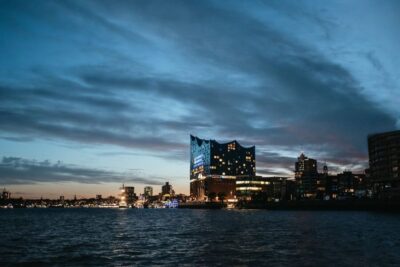


Browse the lists this tour appears in