
Review · HAMBURG TOURS
Reeperbahn: Panik City Udo Lindenberg Multimedia Experience
Udo Lindenberg’s Panik City turns a museum visit into a small rock show. On Hamburg’s Reeperbahn, you move through his music, paintings, politics, and personal story with virtual reality, augmented effects, and hands-on screens instead of glass cases and long labels.
I especially like the chance to record your own hit at Boogie Park Studio and the digital painting station, where you create a likörelle in Udo’s bold style. The tour also gives useful context about life in East Germany and Lindenberg’s role as an advocate for social justice. The main catch is simple: the tour is conducted only in German, so it is a weaker choice if you cannot follow the language.
Key points to know before booking

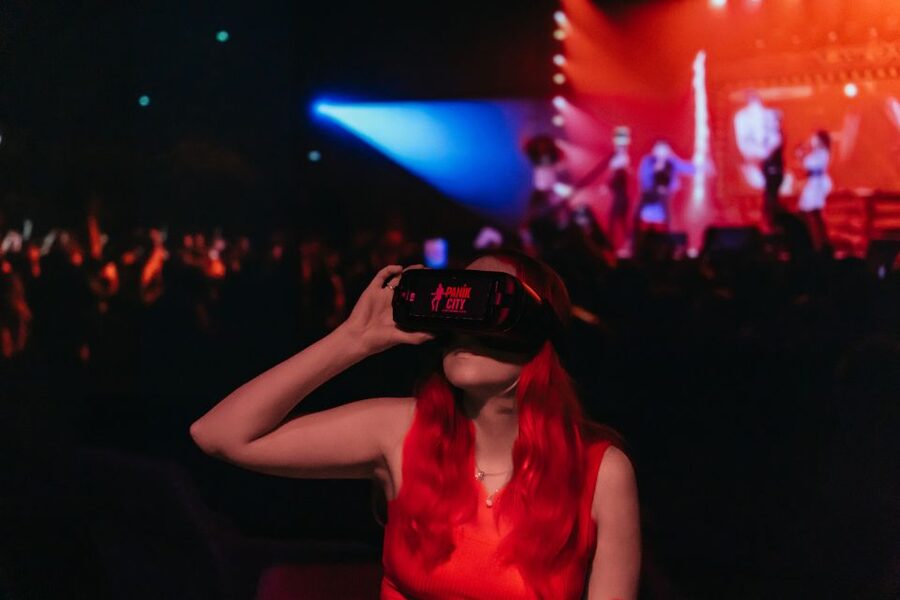
- You step onto a virtual stage with Udo Lindenberg: The VR section gives music fans the closest thing here to a concert experience.
- Your visit includes two take-home creations: Download a personalized music video and receive your digital likörelle by email.
- The 90-minute tour is guided, not a free-roaming museum visit: Your guide explains the equipment and leads you from one station to the next.
- Panik City sits directly on the Reeperbahn: Check in at Alte Liebe, die PanikBar, inside Klubhaus St. Pauli, across from Spielbudenplatz.
- German is the only tour language: This matters for the historical and political parts, not just the technical instructions.
- Children under eight are not allowed: Strollers are also barred, though the venue is wheelchair accessible.
What Panik City is really about
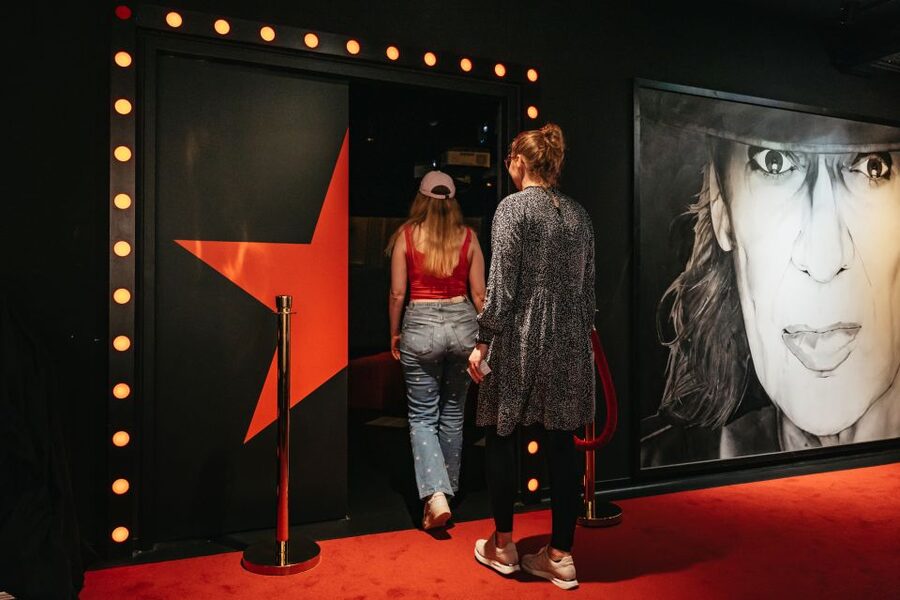
Panik City is built around Udo Lindenberg, one of Germany’s best-known musicians and visual artists. You are not simply looking at a collection of costumes or listening to a playlist. The visit links his songs and paintings with German cultural history, including the divide between East and West Germany.
That connection gives the experience more weight than a standard celebrity attraction. Lindenberg’s work is presented as entertainment, but also as a way to talk about freedom, social justice, and his public role during the GDR era. If you already know his music, you will have plenty of familiar material. If you do not, the tour still offers a lively introduction to an important German figure.
The format is designed for participation. You use technology rather than just watching it. The guide shows you how to operate the equipment, explains what each station is doing, and keeps the group moving through the museum.
That guided structure is useful because the technology could otherwise feel confusing. It also means you need to follow the group’s pace. This is not the place to linger alone over one display for half an hour.
More St Pauli and Reeperbahn nights:
- Hamburg: Sex and Crime in St. Pauli Tour for Ages 18+
★ 4.7 · 15,447 reviews - Hamburg: Reeperbahn Lust & Laster Tour for Adults Only
★ 4.7 · 5,440 reviews - Hamburg: Insider Tour of the Reeperbahn & St. Pauli
★ 4.7 · 5,057 reviews
Starting at Alte Liebe on Spielbudenplatz
Panik City is inside Klubhaus St. Pauli, right across from Spielbudenplatz. Your first stop is the café Alte Liebe, die PanikBar, where you check in at the ticket counter or meet your guide.
Arrive 30 minutes before the scheduled start. You need the booking number sent to you when you reserve, and the staff will provide your ticket. This early arrival is worth taking seriously because the venue can sometimes require an extra wait of about 20 minutes when capacity is tight. If that happens, you are asked to stay at the café until the group can enter.
The location is handy if you are already exploring the Reeperbahn. It is easy to pair Panik City with an afternoon or evening in St. Pauli, but remember that the tour itself lasts 90 minutes. Add the early check-in time, and you should allow at least two hours for the full appointment.
Bags and jackets can be stored in museum lockers for €1. The fee is non-refundable. Since baby strollers are not permitted inside, families with small children need to plan around that rule before arriving.
A guided walk through Udo’s world
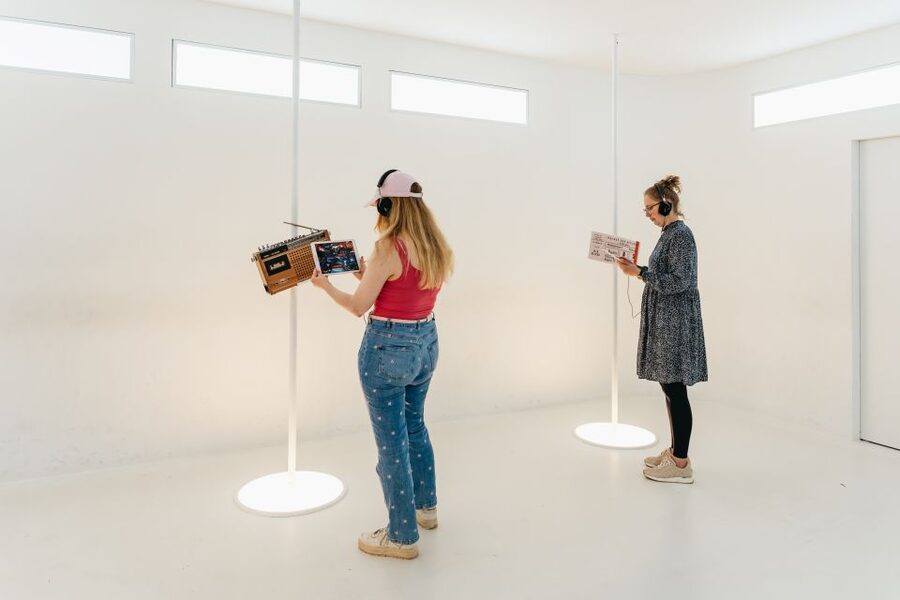
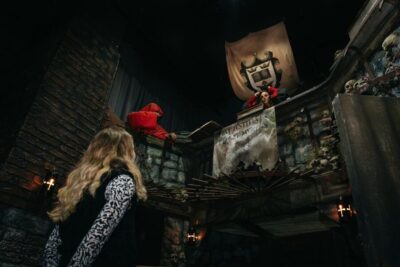
Once inside, the guide leads you through a series of rooms and interactive stations. The experience is described as a blend of art, culture, music, and media, and that is a fair way to understand the format. You are constantly shifting between listening, watching, touching, and performing.
The guide also explains how to handle the technical equipment. That matters for the VR and augmented reality sections, where a few quick instructions can make the difference between enjoying the activity and fumbling with the controls.
Because the tour is in German, you will want enough language ability to follow spoken explanations. Visual effects still carry part of the experience, but the context about Lindenberg’s life, the GDR, and social justice depends on understanding the guide.
Photography is permitted only at one point in the tour. Flash photography and video recording are not allowed. Follow the guide’s directions rather than reaching for your phone whenever something colorful appears.
The VR concert moment
The virtual reality stage is one of Panik City’s clearest crowd-pleasers. You use VR to appear on stage with Udo Lindenberg, bringing the music from something you hear into something you take part in.
This section should appeal most to music fans and technology enthusiasts. It offers a sense of performance without asking you to sing in front of the whole group, and it gives the visit a playful break from the historical material.
The VR element also explains why this attraction works well for older children and teenagers. There is a clear sense of action and surprise, rather than a long stretch of passive viewing. Still, children must be at least eight years old, and adults should expect to participate too. Panik City is not designed as a kids-only activity.
If virtual reality makes you uncomfortable, the tour includes several other parts, but this is one of the central attractions. You may want to ask the guide for help if you are unsure how to use the equipment. The tour is designed to teach you as it goes.
A few more Hamburg half-days to weigh up
- Hamburg: 1.5-Hour Harbor and Speicherstadt Day Cruise
★ 4.6 · 14,200 reviews - Hamburg: 90-Minute Evening Lights Harbor Cruise
★ 4.5 · 7,728 reviews - Hamburg: 2-Hour XXL Port of Hamburg Cruise Tour
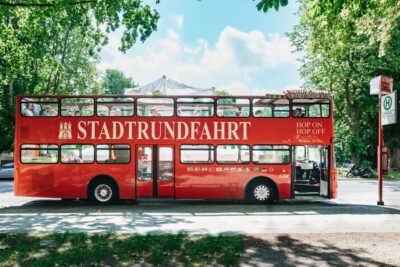
★ 4.7 · 6,979 reviews - Hamburg: Line A Sightseeing Hop-On Hop-Off Bus Tour
★ 4.6 · 6,958 reviews
Making a hit at Boogie Park Studio
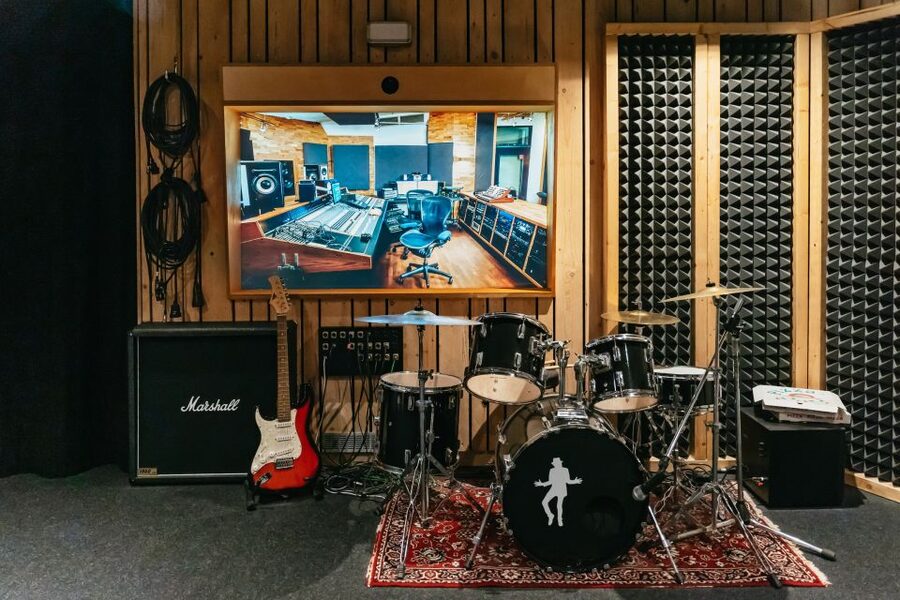
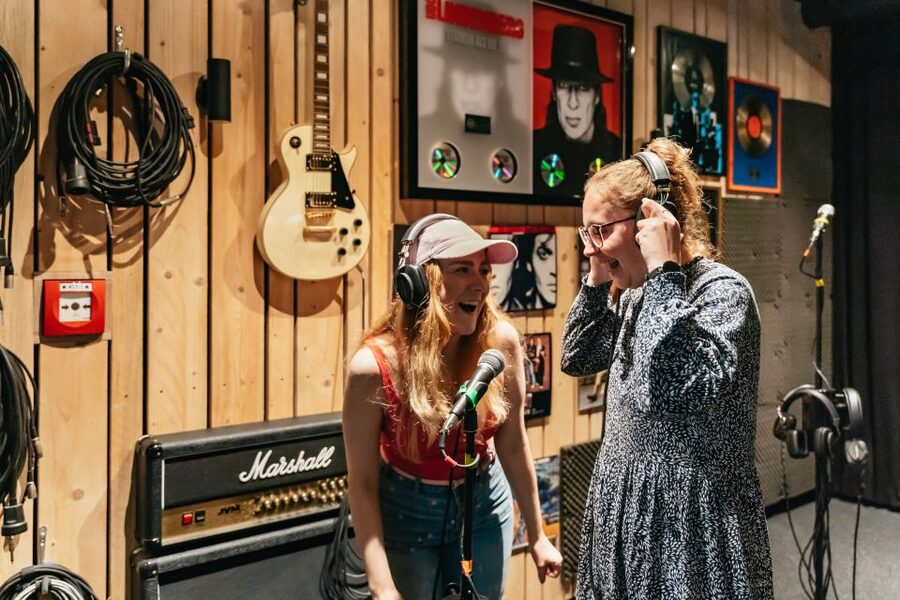
At Boogie Park Studio, you get to produce a record hit. The attraction does not require you to arrive as a singer or musician. The point is to let you play with the idea of making music and to give you a personal souvenir from the visit.
Your finished personalized music video must be downloaded, so do not treat it as something that will automatically arrive in your inbox. Make sure you follow the instructions for retrieving it after the tour. This is one of the more useful details to remember because the video is part of what you are paying for.
I like this part because it gives the experience a clear payoff. You are not just told about Lindenberg’s artistic world. You make something connected to it, then take the result home digitally.
The studio activity may be less satisfying if you want a serious recording session with a lot of time for retakes. The whole tour follows a fixed schedule, and one recent booking note suggested allowing more time for the painting activity. That is a useful warning for anyone who prefers to work slowly.
Painting a digital likörelle
Lindenberg’s painting style gets its own hands-on station. Using a multi-touch table, you create a digital likörelle, a playful artwork linked to his familiar visual style.
This is one of the best parts for visitors who like making things. You can use the screen to produce your own image rather than simply viewing Lindenberg’s art on a wall. Your finished likörelle is sent to you by email, giving you a second digital souvenir alongside the music video.
The touch table also makes the activity accessible to people who may not think of themselves as artists. You are experimenting with color and movement, not signing up for a formal art class.
Time is the only concern. The visit has several major components, and the group must stay on schedule. If you enjoy digital drawing, you may wish the painting station lasted longer. Do not expect a long, quiet workshop. Think of it as a creative stop within a fast-moving guided tour.
Art, music, and the GDR story
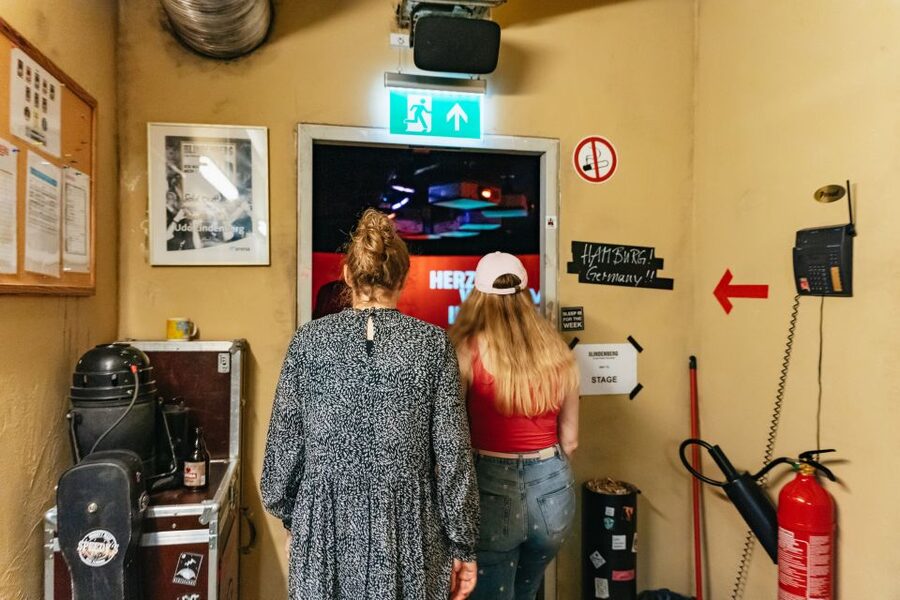
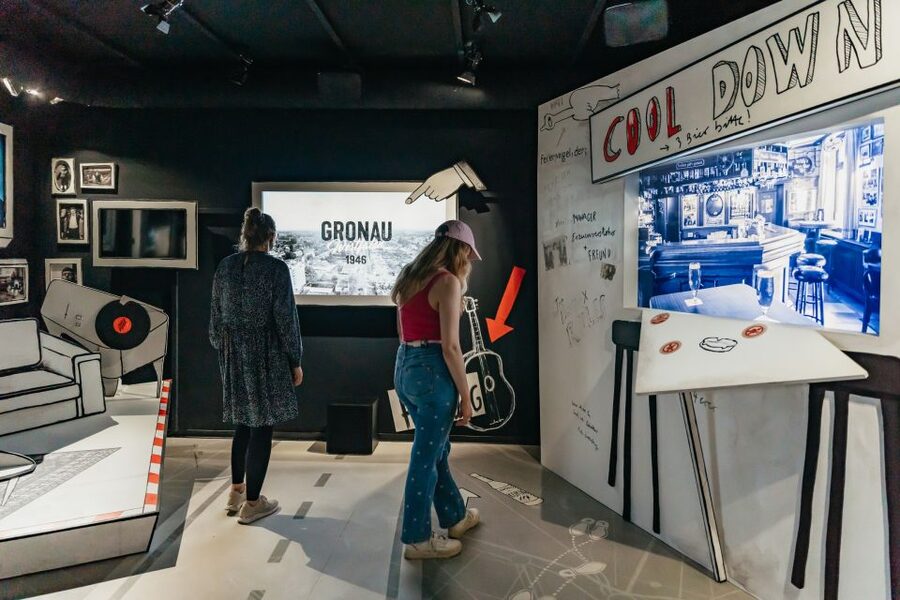
Panik City is at its best when its technology supports the story rather than replacing it. Lindenberg’s career provides a way to discuss Germany’s divided past and his connections to social justice.
The GDR material gives the tour a useful historical layer. You are encouraged to see how music and public figures could cross cultural and political boundaries. Even if you come mainly for the VR and recording studio, this context helps explain why Lindenberg matters beyond his stage persona.
The German-only format is especially important here. You might understand the instructions for a touch table through demonstration, but the political and historical sections are harder to appreciate without German. If you are visiting with someone who speaks German, consider having them explain the main points as you go, though the official tour itself remains in German.
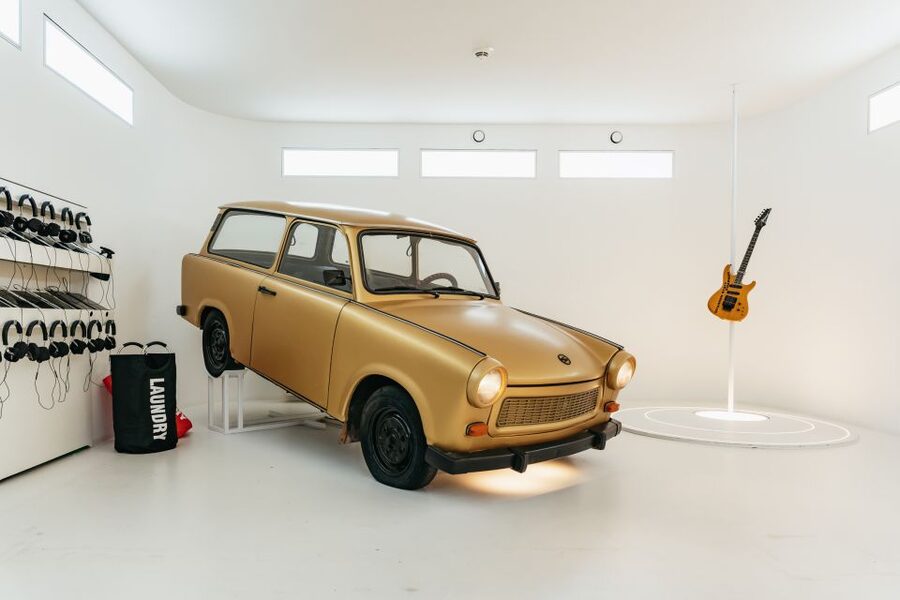
This is also where expectations matter. Panik City is not a traditional museum with a large collection of original objects. It is a multimedia presentation of a life and career. You come for the blend of storytelling and participation, not for a quiet, object-by-object art museum visit.
Is $31 a fair price?
At about $31 per person, Panik City costs more than a basic museum ticket, but the price includes several active elements. You receive museum entry, a guided 90-minute visit, an alcoholic shot of Eierlikör, a downloadable personalized music video, and a digital likörelle sent by email.
The value is strongest if you use the interactive stations. A person who loves Lindenberg, enjoys VR, and wants a playful group activity will get more from the ticket than someone who only wants to learn about his biography.
The take-home items help justify the cost. They are not physical souvenirs, so you will need to download and save the music video and watch for the artwork by email. If you prefer a printed ticket, book, or object from a museum shop, these digital extras may feel less substantial.
The complimentary Eierlikör comes at the end in Alte Liebe, die PanikBar. Since it is alcoholic, families and anyone who does not drink should treat it as an optional extra rather than part of the main value. The experience itself does not depend on the shot.
Who will enjoy Panik City most?
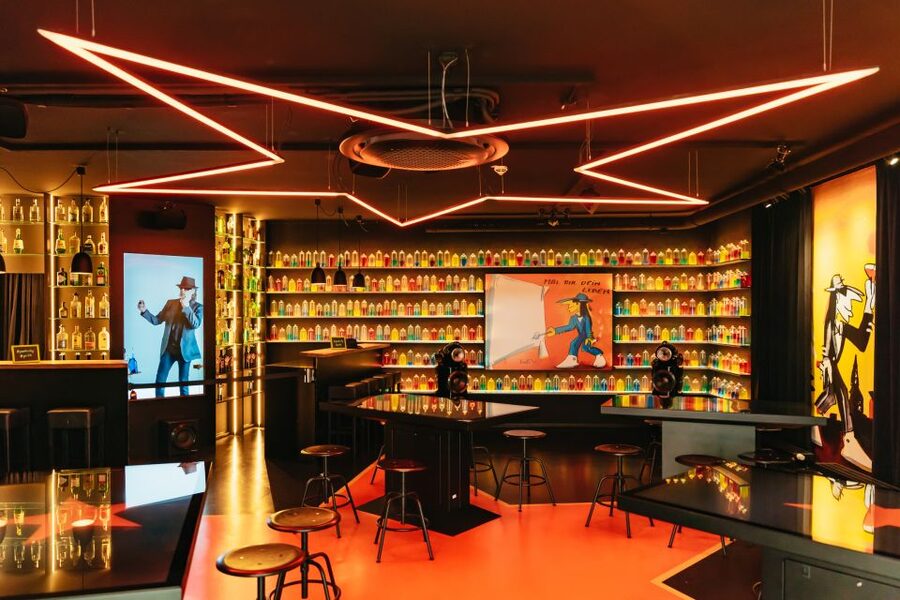
I would recommend Panik City to people who fit at least one of these descriptions:
- You already enjoy Udo Lindenberg’s music or art.
- You want a short, lively activity on the Reeperbahn.
- You like VR, augmented reality, and interactive screens.
- You are looking for a family activity for children aged eight and older.
- You want a guided introduction to a major German music figure.
- You enjoy leaving an attraction with a digital creation of your own.
It is less suitable if you want an English-language tour, a silent museum visit, or a long, detailed look at original artworks. The German-only policy is the biggest practical limitation.
Families should also note the stroller rule. Children under eight are not suitable for the activity, and the venue does not allow baby strollers inside. The museum is wheelchair accessible, which is helpful for visitors who need step-free access, but the supplied information does not give further details about individual stations.
Practical timing and tour tips
Book a start time that gives you room to arrive at least 30 minutes early. Check in at Alte Liebe with your booking number, then be ready for the possibility of a further 20-minute delay during capacity problems.
Wear something comfortable enough for a guided walk and interactive activities. Keep personal items light if you do not want to pay for a locker. Leave the stroller behind, and do not plan on recording the tour on your phone.
If you want the best value, pay attention during the instructions. The guide will show you how to use the technology, and the experience moves through several stages in only 90 minutes. You will have more fun if you treat the activities as part of the show rather than worrying about getting every technical step perfect.
If your German is limited, read about Udo Lindenberg before booking. That will help you follow the references to his music, artwork, the GDR, and social justice. The visual parts remain accessible, but preparation will make the guided explanations more meaningful.
Booking flexibility and access
You can cancel up to 24 hours before the activity for a full refund. A reserve-now, pay-later option is also available, which helps if your Hamburg schedule is not settled.
The experience is wheelchair accessible. Assistance dogs are allowed, but other pets are not. Baby strollers are prohibited because of space limits.
The tour language is German, and there is no English option listed. This is the single detail most likely to determine if Panik City is right for you.
Should you book Panik City?
Book it if you want a 90-minute, hands-on music attraction rather than a conventional museum. The VR stage, Boogie Park recording session, and digital likörelle give you plenty to do, while the GDR and social justice material adds substance to the fun.
I would be cautious if you do not speak German or if you are bringing a child under eight. I would also set realistic expectations about the art station: it is creative and memorable, but the schedule may not allow as much painting time as you would like.
For Udo Lindenberg fans, the price is reasonable because the ticket combines a guided biography, music technology, digital art, and souvenirs. For everyone else, it is worth booking when you want something distinctly tied to Hamburg’s Reeperbahn and are happy to let the technology carry much of the storytelling.
FAQ
Where is Panik City located?
Panik City is inside Klubhaus St. Pauli on the Reeperbahn, directly across from Spielbudenplatz. Check in at the café Alte Liebe, die PanikBar.
How long does the Panik City experience last?
The guided experience lasts about 1.5 hours, or 90 minutes. You should arrive 30 minutes before the tour begins.
What language is the tour conducted in?
The tour is available only in German. The guide gives instructions for the technical equipment and explains Udo Lindenberg’s life, music, art, and social advocacy.
Is Panik City suitable for children?
Children must be at least eight years old. The activity is not recommended for children under eight, and baby strollers are not allowed inside.
Is Panik City wheelchair accessible?
Yes, the activity is listed as wheelchair accessible.
What is included in the ticket?
The ticket includes museum entry, an alcoholic Eierlikör shot, a personalized music video that you must download, and a digital likörelle sent to you by email.
Can I take photos or record video during the tour?
Photography is allowed only at one point, following the guide’s instructions. Flash photography and video recording are not permitted.
Just added around Hamburg
- Free Tour: Port, Red Light District and Beatles. You decide how much to pay at the end★ 3.9 · 13 reviews
- Hamburg: Guided Bike Tour★ 4.7 · 71 reviews
- Hamburg: Guided Port Walk for Families★ 4.6 · 191 reviews
- Express-Tour Panik City Udo Lindenberg Multimedia Experience★ 5.0 · 4 reviews
- Hamburg: Elphi Plaza Guided Tour with Störtebeker Beer★ 4.6 · 245 reviews
- Hamburg: Downtown, Alster & Creative Neighborhoods by Bike★ 4.5 · 217 reviews
- Die Kiez-Kapitän Reeperbahn & Beatles Kieztour Hamburg★ 4.9 · 178 reviews
- Die Kiez-Kapitän Hamburger Stadtführung & Speicherstadt Tour★ 4.8 · 37 reviews
Hamburg Tours, compared.

1.5-Hour Harbor and Speicherstadt Day Cruise
Read our review →
Browse the lists this tour appears in