Review · HAMBURG TOURS
Hamburg: Walking Tour for School Groups
Hamburg’s best classroom may be its streets. In 90 minutes, this private school-group walk connects old warehouses, grand civic buildings, the port, or the Reeperbahn with stories shaped for children and teenagers. You choose one of three routes, so the tour can match your lesson plan and the group’s age.
I like the private format for up to 25 people, since a guide can respond to students instead of speaking to a faceless crowd. I also like the way the tours mix history with society and personal stories, rather than simply pointing at buildings. The main caution is that the guide speaks German only, and the St. Pauli route is limited to students aged 14 and older.
Key Points for Teachers and Group Leaders
- Three distinct routes: Choose Speicherstadt and HafenCity, Hamburg’s Altstadt, or St. Pauli.
- A private 90-minute walk: The price covers the group, up to 25 people, not each student.
- Strong age focus: The guide adapts the presentation for children and adolescents, while St. Pauli is for ages 14 and up.
- History with social context: Expect more than dates and facades, including stories about social conflicts and Hamburg life.
- Outdoor in all weather: Bring comfortable shoes and plan for rain or shine.
- German-language guiding: Make sure the group can follow German comfortably.
Choosing the Right Hamburg Route
The route you select shapes the whole experience. This is not one standard walk with a different meeting point. You are choosing between three parts of Hamburg that tell very different stories.
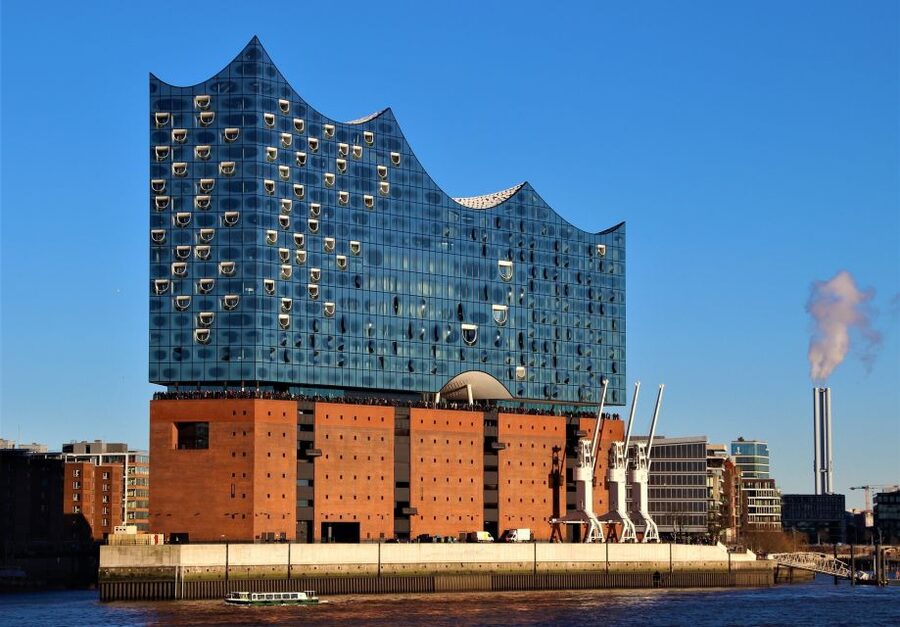
Speicherstadt and HafenCity gives your group the clearest contrast between old and new Hamburg. Students see the historic warehouse district, then move toward the modern HafenCity and the Elbphilharmonie Plaza.
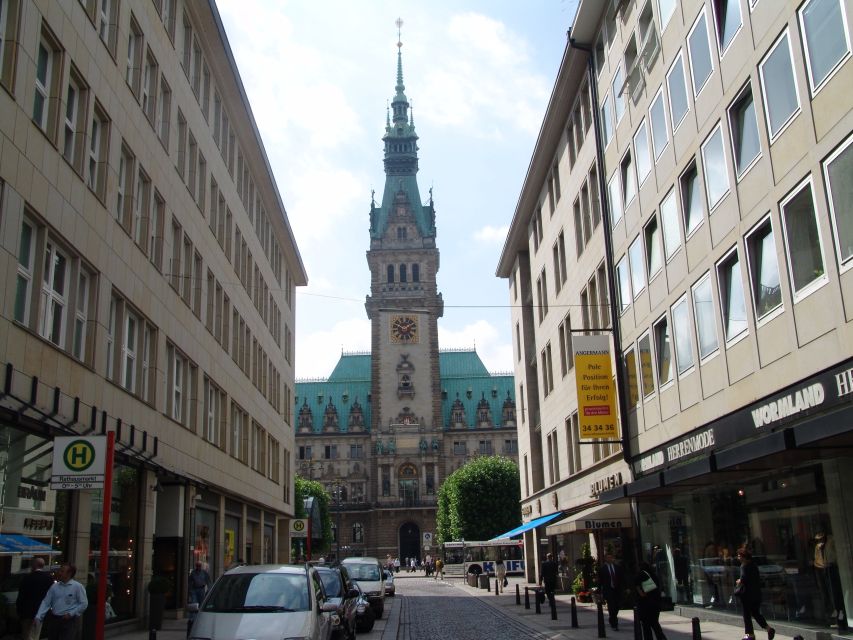
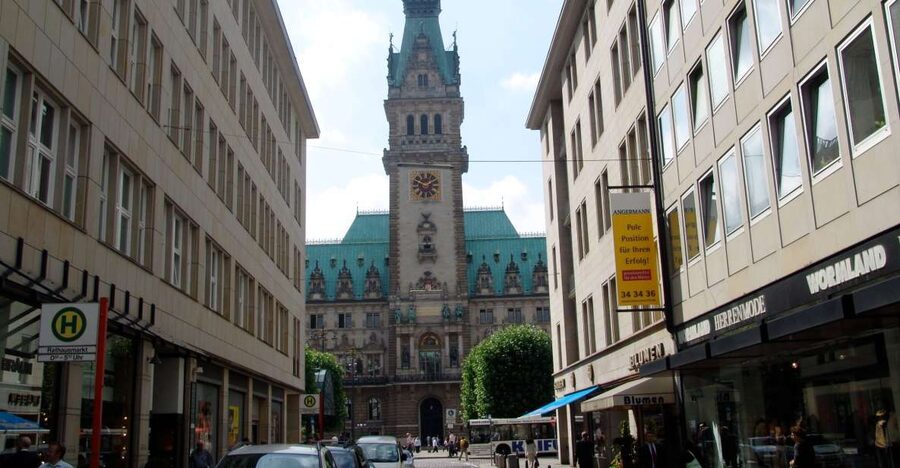
Hamburg’s Altstadt is the best choice if your class needs a broad introduction to the city. The route brings together historic Kontorhäuser, City Hall, major churches, and an especially interesting section of the port.
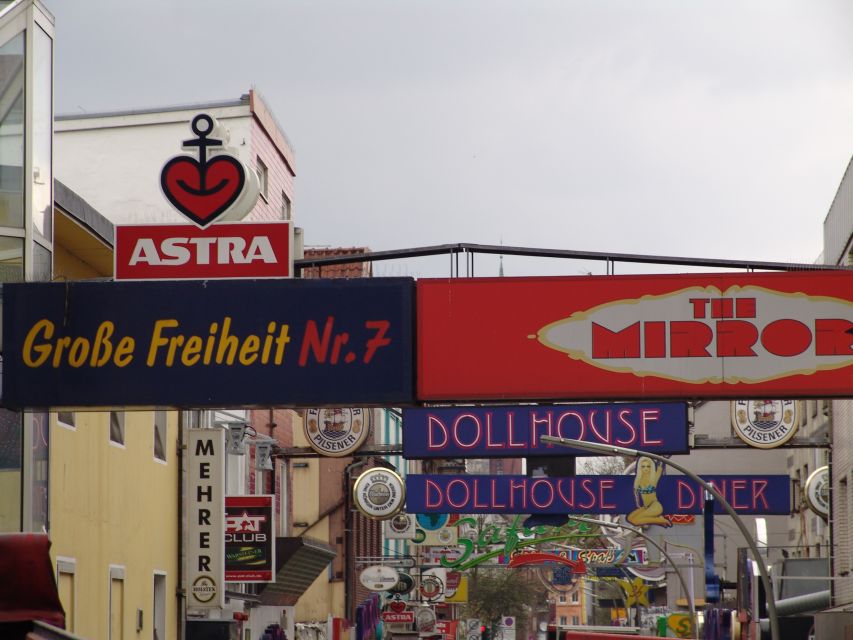
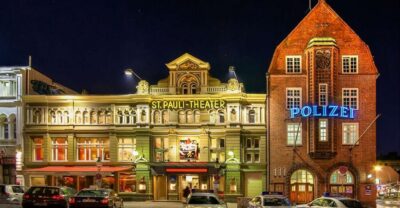
St. Pauli is the most age-specific option. It is only suitable for students aged 14 and older and visits the Reeperbahn during the day, using the area to explain Hamburg’s nightlife and the stories behind it.
You should decide based on your teaching goals, not just on which neighborhood sounds most famous. A younger group may get more from buildings and city development. Older students may be ready for the social questions raised by St. Pauli.
More walking tours in Hamburg:
- Hamburg: Guided Walking Tour for Magic Fans
★ 4.8 · 1,992 reviews - Reeperbahn Walking Tour with St. Pauli Local
★ 4.8 · 577 reviews - Hamburg: Speicherstadt Walking Tour with Coffee Tasting
★ 4.6 · 360 reviews
Speicherstadt and HafenCity: Hamburg in Two Time Periods
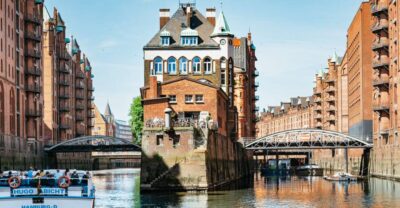
Speicherstadt is the historic heart of this route. It is the world’s largest warehouse complex and a UNESCO World Heritage Site, giving your group a strong setting for discussing Hamburg’s trading past and the practical work of a port city.
The district is made up of historic warehouse architecture rather than a single museum stop. That matters for school groups because students can see the scale of the area while walking, instead of trying to absorb the story from one display case. The guide can place the buildings in context and explain why this part of Hamburg became so important.
The route then shifts into HafenCity, a newer part of the city with a different feel and purpose. This change lets students compare historic commercial buildings with recent urban development. For a class studying cities, architecture, commerce, or planning, that contrast may be the strongest reason to choose this option.
The main modern landmark is the Elbphilharmonie Plaza. The plaza is included as a sight on the route, and it gives the walk a memorable finish or midpoint, depending on the exact order used by the guide. The tour information does not promise a concert, interior performance, or extended building visit, so you should book this for the city views and architecture, not for a music program.
I would choose this route for a group that benefits from visual comparisons. Students can move from a UNESCO-listed warehouse district to a modern development zone within the same 90-minute outing. The only limitation is that a short walk cannot explain every detail of both districts, so teachers may want to prepare one or two classroom questions ahead of time.
Hamburg’s Altstadt: A Broad City Introduction
The Altstadt route packs several of Hamburg’s major sights into one walk. It includes the historic Kontorhäuser, City Hall, the city’s main churches, and an especially interesting part of the port.
Kontorhäuser are a useful subject for students because they show how business, architecture, and city identity can meet in one building. The route does not simply focus on famous names. It uses the old commercial center to explain how Hamburg developed as a major city.
City Hall gives the group another angle. It represents civic government and the public face of Hamburg, while the churches add religious and architectural context. Seeing these sites together helps students understand that a city center is not just a collection of attractions. It is where political, economic, religious, and public life overlap.
The port section keeps the route tied to Hamburg’s working identity. The exact stops and order can vary, since the meeting point may change with the selected option, but the tour promises the most interesting part of the port rather than a general walk through every harbor area.
This is likely the most flexible choice for a school group visiting Hamburg for the first time. It covers the widest range of city themes in a short time. It may be less focused than Speicherstadt and HafenCity, though, so choose it for breadth rather than for a single architectural story.
St. Pauli and the Reeperbahn in Daylight
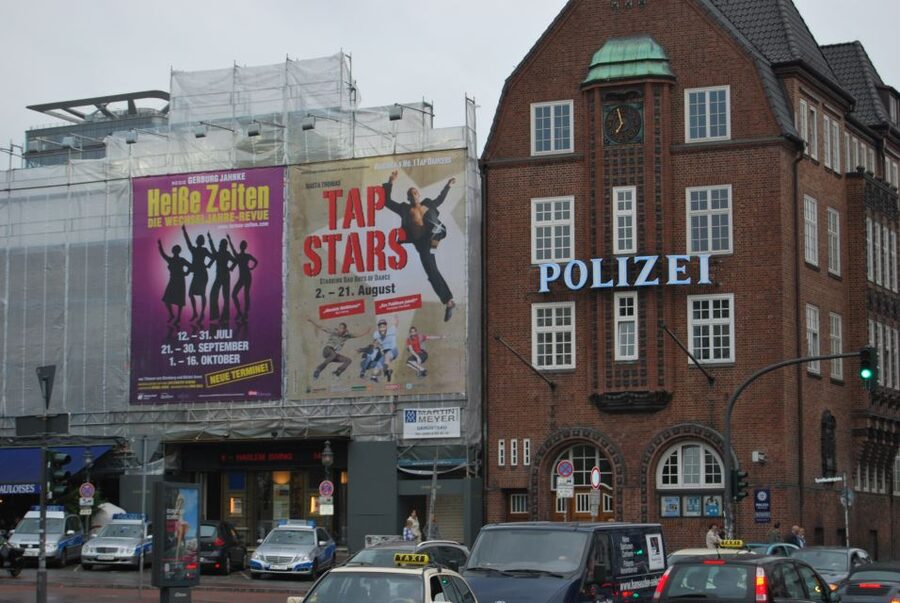
The St. Pauli route is different from the other two. It is designed for students aged 14 and older and visits the Reeperbahn during the day, when the guide can discuss the area without treating it as a late-night entertainment outing.
The value here is context. Students hear stories and facts about Hamburg’s nightlife and the people, customs, and social questions connected with the district. This can open discussion about tourism, alcohol, public behavior, reputation, and the gap between a neighborhood’s image and daily life.
This route needs a teacher who is comfortable with mature subjects. One school group found the moral guidance about alcohol use less successful with students, while other feedback praised the guide for presenting the Reeperbahn in an age-appropriate way and adjusting both the language and the topics to the students’ interests.
That mixed response is useful guidance. The route can be lively and informative, but it is not just entertainment. The guide may address responsible behavior and social issues, and not every student will enjoy that approach. Before booking, tell the group clearly that the walk is educational and that the Reeperbahn is being discussed as part of Hamburg’s society and history.
For older teenagers, this may be the most memorable route because it deals with a part of the city they are unlikely to study through standard monuments. For younger pupils, it is not an option under the stated age rule.
A few more Hamburg half-days to weigh up
- Hamburg: Sex and Crime in St. Pauli Tour for Ages 18+
★ 4.7 · 15,447 reviews - Hamburg: 1.5-Hour Harbor and Speicherstadt Day Cruise
★ 4.6 · 14,200 reviews - Hamburg: 90-Minute Evening Lights Harbor Cruise
★ 4.5 · 7,728 reviews - Hamburg: 2-Hour XXL Port of Hamburg Cruise Tour
★ 4.7 · 6,979 reviews
What the Guide Adds to a School Visit
The guide is the central reason to choose this experience over a self-guided walk. The tour is built for children and adolescents, not simply adapted from an adult sightseeing route.
The strongest guiding approach appears to combine facts, personal stories, and social context. A school group received a mix of history, society, and personal experiences, while another found the presentation short, lively, and still informative. Those qualities matter when you have students with different attention spans.
The guide can also respond to the group’s needs. One particularly useful feature is the stated focus on adjusting the walk to students’ interests and presenting it in language suited to their age. That does not mean every topic will suit every class, so teachers should share the students’ age and any relevant classroom focus when arranging the tour.
The tour is offered in German only. For a German-speaking class, that keeps the walk direct and natural. For a group still learning German, the teacher should judge whether students can follow a live walking explanation for 90 minutes. The information provided does not list an English-language option.
The 90-Minute Format and Group Size
Ninety minutes is a sensible length for a school group. It is long enough to move through a district and develop a clear story, but short enough to fit around lessons, meals, or another Hamburg activity.
You should expect a walking tour rather than a series of long indoor visits. Comfortable shoes are specifically recommended, and the tour runs rain or shine. Check the weather before the day and tell students to dress for being outside.
The private group limit is up to 25 people. That can work well for one class, but a larger school party may need more than one booking or another arrangement. The price is $294 per group, so a full group of 25 works out to about $11.76 per person. At 15 people, the equivalent is about $19.60 each, and a smaller group pays more per person.
That pricing makes the experience most attractive when you fill the group close to its limit. You are paying for a private guide rather than buying individual seats, so the value comes from group attention, a route selected for your class, and a presentation aimed at students.
Food, drinks, and hotel pickup or drop-off are not included. Plan to meet the guide at the location assigned to your chosen route, since the meeting point may vary.
How to Prepare Students Before You Go
A little preparation can make the 90 minutes much more useful. Start by choosing one central question for the group.
For Speicherstadt and HafenCity, ask students how a city can preserve old buildings while adding new districts. For the Altstadt, ask how government, religion, commerce, and the port fit together. For St. Pauli, prepare students to think about nightlife, public behavior, and the difference between a neighborhood’s reputation and its wider social setting.
You can also give students a short vocabulary list in German. The tour is live and German-language, so a few terms connected with warehouses, City Hall, churches, the port, or nightlife may help them keep up.
Tell students to wear comfortable shoes and expect the tour to continue even if the weather changes. Since there is no food or drink included, arrange refreshments separately rather than assuming the walk will provide a break.
If you are taking the St. Pauli option, explain the age limit and the tone in advance. It is a daytime educational walk, not a night out on the Reeperbahn.
What the Experience Does Especially Well
The most praised feature is the way the guide presents information for the intended age group. The strongest feedback describes a tour that is informative without becoming dull, with material adjusted to students’ interests and language level.
The mix of history and society is another strength. Students do not just hear about old buildings. They can also encounter stories about social conflicts in Hamburg, both past and present. That gives the walk more substance than a simple list of dates and landmarks.
The tour also seems able to handle different class needs. A guide adapted well to one group, while other school groups found the presentation clear and engaging. This flexibility is important because a class of younger pupils needs a different rhythm from a group of older teenagers.
The overall rating is 4.8 from 10 reviews, with most available ratings at five stars. The sample is small, so I would treat that as encouraging rather than final proof that every group will have the same experience. The one lower rating points to a real issue: moral advice may not appeal to every student, especially on St. Pauli.
Limits to Keep in Mind
The German-only format is the clearest practical limit. If your students are not comfortable with German, the educational value may drop quickly during a live walking talk.
The short duration also means each route must be selective. Speicherstadt and HafenCity cover two major areas, while the Altstadt combines several kinds of sights. You should not expect a full historical survey of Hamburg in 90 minutes.
Weather is another consideration. The tour takes place rain or shine, and the activity does not include indoor shelter, food, or drinks as part of the stated package. Comfortable footwear and suitable clothing are not optional extras here.
Finally, St. Pauli requires careful age and classroom judgment. The route is restricted to students at least 14 years old, and the discussion can include alcohol and other mature social topics. That can be valuable, but it should be presented honestly to students and teachers before booking.
Should Your School Group Book It?
Book this tour if you want a private, German-language walk shaped for students, not a standard adult city tour. It is especially useful for classes studying Hamburg, urban development, architecture, port cities, or social issues.
Choose Speicherstadt and HafenCity for old-versus-new city planning. Choose the Altstadt for a broad first look at Hamburg’s civic, religious, commercial, and port life. Choose St. Pauli only for students aged 14 and older who are ready for a thoughtful discussion of nightlife and social behavior.
The $294 group price is reasonable when you have close to 25 participants, and the 90-minute length fits neatly into a school schedule. I would skip it only if your class needs English guiding, indoor sightseeing, or a more relaxed tour with plenty of time at each monument.
FAQ
How long is the Hamburg school-group walking tour?
The tour lasts 90 minutes.
How much does the tour cost?
The price is $294 per private group of up to 25 people.
Which routes can I choose?
You can choose Speicherstadt and HafenCity, Hamburg’s Altstadt, or St. Pauli.
Is the St. Pauli tour suitable for all students?
No. The St. Pauli route is only suitable for children and adolescents aged 14 and older.
What language is the tour offered in?
The live tour guide speaks German.
Is this a private group activity?
Yes. The activity is offered as a private group tour for school groups.
What is included in the price?
A tour guide is included.
Are food, drinks, or hotel transfers included?
No. Food, drinks, hotel pickup, and hotel drop-off are not included.
What should students bring?
Students should wear comfortable shoes. The tour takes place rain or shine.
Just added around Hamburg
- Winter Alster tour★ 4.0 · 12 reviews
- World War 2 Hamburg Private Guided Tour★ 5.0 · 6 reviews
- Ticket for the Emigration Museum BallinStadt Hamburg★ 4.0 · 57 reviews
- UNESCO World Heritage – Speicherstadt and Kontorhaus district★ 4.5 · 12 reviews
- hamburg Experienced differently with wish rental bike relaxed enjoy★ 5.0 · 5 reviews
- Hamburg Private Food Tours with a Local: 100% Personalized★ 5.0 · 3 reviews
- The Beatles in Hamburg – Private Tour★ 5.0 · 16 reviews
- The Beatles on St. Pauli★ 5.0 · 3 reviews
Hamburg Tours, compared.
1.5-Hour Harbor and Speicherstadt Day Cruise
Read our review →