Review · HAMBURG TOURS
Hamburg: Speicherstadt and HafenCity Tour
Hamburg’s best architectural contrast fits into one compact walk. This two-hour tour moves from the brick warehouses of Speicherstadt to the polished new buildings of HafenCity, ending near the Elbphilharmonie. It is a useful way to see how a working port city changed without leaving its past behind.
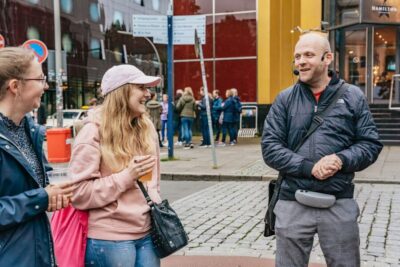
I like the clear focus on history and design, and I like that the guide uses photos to explain what you are seeing. Guides such as Hannes and Christian have drawn especially warm praise for their facts and friendly style. The catch is simple: this is a German-language tour, so it is not a good choice if you need English commentary.
Key points to know
- Two Hamburg districts in two hours: Compare the old warehouse quarter with the newer HafenCity.
- A practical meeting point: Start at Sandtorkai 74, on the square by the stairs and the white wall with a hole in it.
- Hanseatic trade explained: Learn why Speicherstadt was built for storage and port work, not simply for looks.
- A choice shaped by your nose: You may decide between visiting a coffee roaster or the Spice Museum.
- Kesselhaus included except Mondays: This provides a closer look at the old warehouse area.
- German guide only: The tour is wheelchair accessible, and cancellation is free up to 24 hours before departure.
From Sandtorkai into Hamburg’s warehouse quarter
The tour begins directly at Sandtorkai 74, at the corner of Sandtorkai and Kaiserkai. Look for the square in front of the stairs and the white wall with the hole in the middle. That precise meeting point matters in HafenCity, where broad plazas and large buildings can make a simple address less obvious than it sounds.
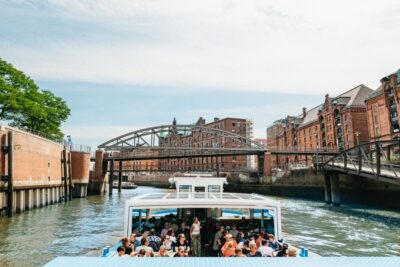
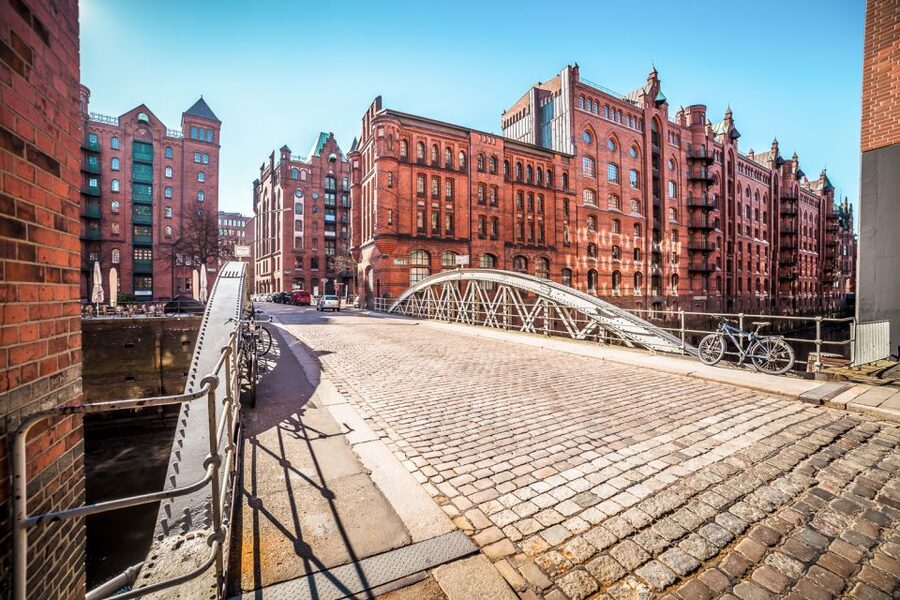
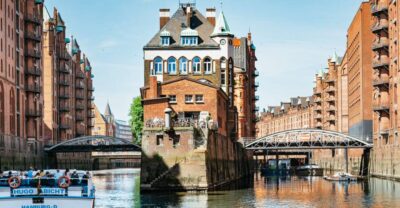
From here, your guide introduces Speicherstadt, Hamburg’s famous warehouse district. The name means warehouse city, and that is exactly what this area was built to be: a place for storing goods close to the port. The buildings were designed by different architects, yet their red brick facades form a remarkably unified whole.
I like that the tour does not treat the district as a pretty backdrop alone. You learn that the warehouses were built for convenience and work. Their appearance came from practical needs, not from a plan to create a decorative quarter. That gives the streets more meaning as you walk them.
The repeated brick walls, tall windows, bridges, and waterways create a strong visual rhythm. At the same time, individual buildings reveal their own details. Some show exposed structural elements, and those small differences help you see how the district developed as a working place rather than as a single grand architectural project.
A few more Hamburg half-days to weigh up
- Hamburg: Sex and Crime in St. Pauli Tour for Ages 18+
★ 4.7 · 15,447 reviews - Hamburg: 1.5-Hour Harbor and Speicherstadt Day Cruise
★ 4.6 · 14,200 reviews - Hamburg: 90-Minute Evening Lights Harbor Cruise
★ 4.5 · 7,728 reviews
What the Hanseatic past adds to the walk
Speicherstadt makes more sense when you connect it with Hamburg’s role in the Hanseatic League. The tour explains the area in the days when trade between northern European cities helped shape Hamburg’s fortunes. You are not simply looking at old buildings. You are seeing the storage system behind a port economy.
The warehouses once held imported goods before they moved onward through the city and its harbor network. The exact goods discussed can depend on the guide and the pace of the group, but coffee and spices fit naturally into this part of Hamburg’s story. That is why the possible coffee or Spice Museum stop feels connected to the district rather than tacked on.
A strong feature of this experience is the use of visual material. One guide, praised for arriving with an iPad full of photographs, used those images to support the explanations. That approach helps when a building has changed, when you need to picture the warehouses in an earlier period, or when a historical point is hard to grasp from the street alone.
The guide names that received especially strong praise include Hannes and Christian. You should not assume you will have one of them, since guides can vary, but the feedback about both points to the kind of tour this is at its best: well prepared, friendly, and full of specific facts rather than a string of vague dates.
Kesselhaus and the working side of Speicherstadt
The included visit to Kesselhaus gives the route a useful indoor element. It is available except on Mondays, so check the day before you book if this part matters to you. The inclusion helps connect the grand exterior of Speicherstadt with the machinery and practical work that supported it.
Kesselhaus is not presented as a separate museum day. It works more like a focused stop within the walk. You can expect the guide to explain its place in the warehouse district and to use it as another way to understand how the old quarter functioned.
This is also one reason the two-hour length feels sensible. You get more than a quick photo walk, but you are not committed to half a day of warehouse history. If you like long museum visits and detailed technical exhibits, you may want extra time elsewhere in Hamburg. If you want a strong introduction, this format keeps the subject moving.
Remember the Monday exception. The tour still operates as a walking experience, but the Kesselhaus visit is not included on that day. That is a small detail with a practical effect, especially if you chose the tour mainly for its indoor historical stop.
Coffee, spices, and a choice guided by smell
The tour includes a playful decision point involving a coffee roaster or the Spice Museum. The wording suggests that your nose helps you decide, which fits Speicherstadt well. Coffee and spices are not random themes here. They point back to the goods that made Hamburg’s warehouse and port connections important.
This choice gives the route a little flexibility. If the smell of roasting coffee catches your attention, the roaster may be the natural pick. If you are more curious about the ingredients once stored and traded through the port, the Spice Museum may appeal more.
The available details do not promise a tasting, food, or drinks, so do not book this expecting a culinary session. Food and drinks are not included. Think of the stop as a sensory and cultural sidetrack that helps you connect trade history with things you can recognize today.
I also like that the choice lets you follow your own interest. Many walking tours move everyone through the same fixed list of stops. Here, the decision gives the experience a more personal touch, although you should confirm the exact stop arrangement when checking availability.
Same city, a completely different sort of afternoon:
- Hamburg: 2-Hour XXL Port of Hamburg Cruise Tour
★ 4.7 · 6,979 reviews - Hamburg: Line A Sightseeing Hop-On Hop-Off Bus Tour
★ 4.6 · 6,958 reviews - Hamburg: Elbphilharmonie Plaza Guided Tour
★ 4.7 · 5,882 reviews - Hamburg: Hamburg Dungeon Admission Ticket
★ 4.7 · 5,745 reviews
Crossing into modern HafenCity
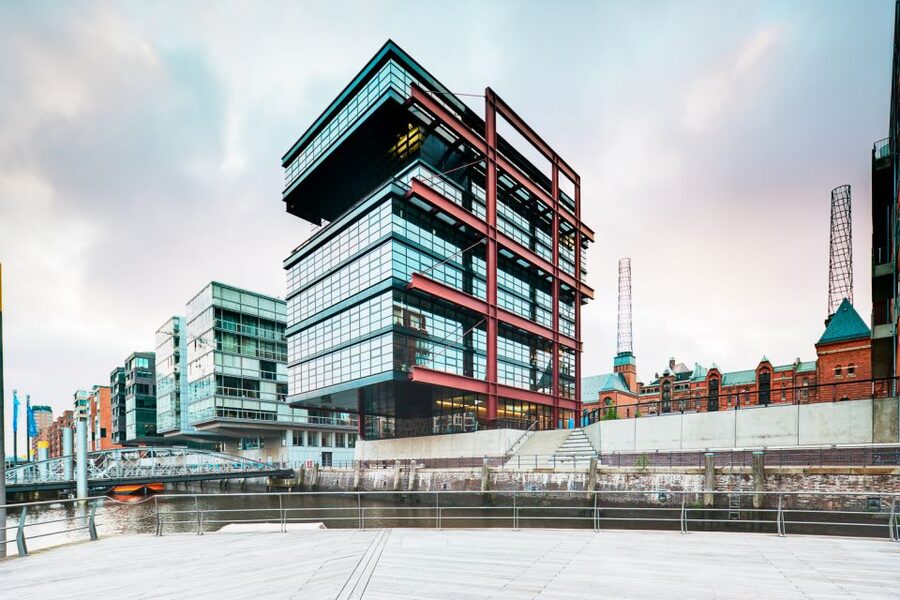
After Speicherstadt, the tour turns toward HafenCity, where Hamburg shows a very different face. The old warehouse district is marked by brick, repetition, and port function. HafenCity uses newer forms, cleaner lines, and more ambitious contemporary architecture.
The contrast is the main reason to book this tour instead of seeing only Speicherstadt. You can judge how Hamburg handles the meeting of old and new in the same central area. The route makes that change visible on foot, building by building.
HafenCity has its own maritime feel, but the architecture is more polished and forward-looking. Your guide points out impressive modern buildings and explains how this newer district developed beside the older warehouse quarter. I find that context more useful than simply photographing unusual facades. It helps you understand why the area feels so different even though it is close by.
The tour does not claim that every modern building will suit every taste. That is part of the fun. HafenCity’s architecture can feel bold and sleek after the brick warehouses, and you may prefer one district over the other. The route gives you enough time to compare rather than asking you to accept a single design opinion.
The Elbphilharmonie as the visual finish
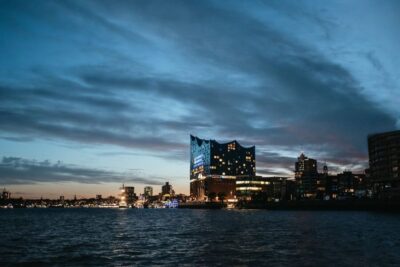
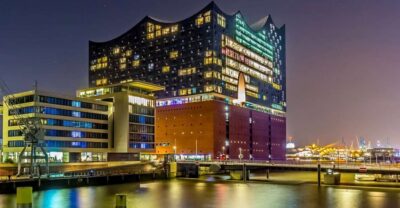
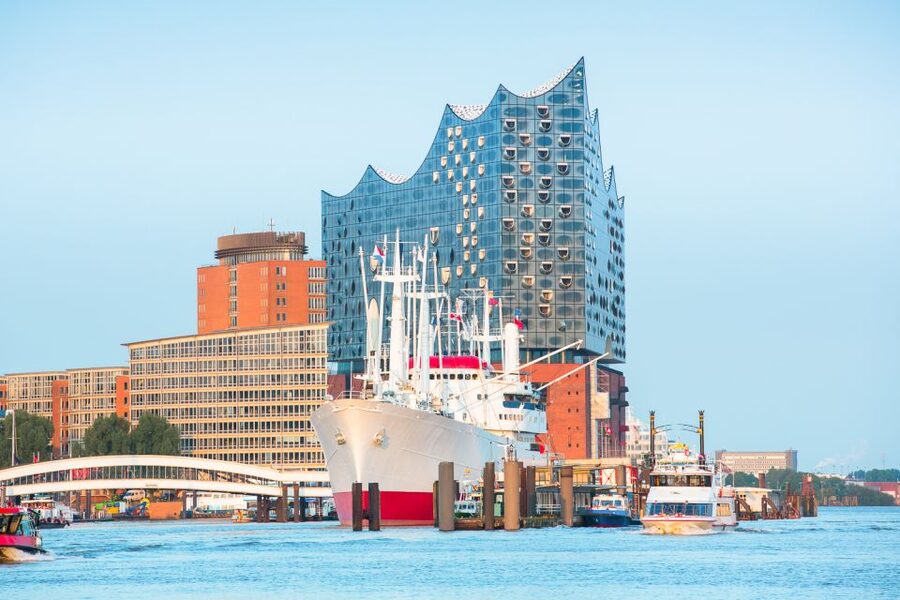
The Elbphilharmonie sits at the end of the HafenCity and Speicherstadt area, making it a natural high point for the walk. Construction began in 2007, and the project became both exciting and controversial in Hamburg. The building’s presence gives the tour a strong final image.
You can expect the guide to place the concert hall within the story of HafenCity and the city’s wider architectural ambitions. The tour is not described as a concert visit, and there is no claim of included entry to the hall. You are seeing the building as part of the walking route.
That distinction matters. If your main goal is to tour the interior or attend a performance, you need a separate plan. If you want the building explained in relation to Hamburg’s old warehouses and new district, the tour gives you a useful introduction.
The route’s ending also gives the experience a satisfying shape. You begin with storage buildings shaped by trade and finish with a major modern cultural building. Hamburg’s past and present are not presented as two unrelated sights. They are placed next to each other, which is the central lesson of the walk.
How the two-hour format works for you
Two hours is long enough to cover both districts, but it also means the guide must keep the pace moving. You should expect a walking tour with stops for explanation, not an extended visit inside every building. Comfortable shoes are a sensible choice, even though the tour is wheelchair accessible.
The compact length suits a first day in Hamburg. You can use it to get your bearings around Speicherstadt and HafenCity, then return later to the places that interest you most. It also fits neatly before or after another central Hamburg activity.
The drawback is that the route cannot cover every detail of either district. Speicherstadt alone rewards slow wandering, and HafenCity has more architecture than a two-hour walk can explain. If you already know the area well, you may want a more specialized tour. For a first look, the broad comparison is the point.
The guide is live and the listed language is German. That allows questions and a more natural conversation, but it limits the tour’s usefulness if you do not understand German. Do not rely on the visual sights alone. The explanations about trade, building purpose, and Hamburg’s changes are a major part of what you are paying for.
Is $18 a good value?
At $18 per person, this is a modestly priced guided walk for two hours. The value comes from the amount of ground covered and from having the old and new districts explained together. You also get the guide, the walking tour, and the Kesselhaus visit except on Mondays.
There are no included meals or drinks, so the price is not meant to cover a full food experience. The coffee or Spice Museum element should be treated as part of the route and the subject, not as a free tasting package.
I would call the price especially fair for first-time visitors who want a clear introduction without spending half a day. You are paying for interpretation and direction, not transport or admission to a major attraction. If you prefer to walk independently and read about buildings on your phone, you can see the districts without booking. The tour earns its cost through the guide’s explanations and the way it links the neighborhoods.
The strong overall rating of 4.6 from 277 ratings supports that value, with repeated praise for preparation, friendly guiding, and useful information. The most specific positive detail is the use of an iPad with photographs. That is worth keeping in mind if you like seeing how Hamburg looked in earlier periods rather than hearing only spoken descriptions.
Who should book this Hamburg walk?
I would choose this tour if you want:
- A short introduction to Speicherstadt and HafenCity
- A clear comparison between historic and modern Hamburg
- Stories about Hanseatic trade and warehouse use
- A German-speaking guide who can answer questions
- A route that includes Kesselhaus, except on Mondays
- A practical starting point for later exploring on your own
It is also a good fit for architecture fans who enjoy contrasts. Speicherstadt offers brick facades, waterways, and repeated warehouse forms. HafenCity brings newer buildings and the Elbphilharmonie into the same outing.
You may want to skip it if you need an English-language tour, want a long indoor museum visit, or expect food and drinks to be included. It is also not the right product if your main aim is a concert hall interior visit.
Booking is more flexible than the low price might suggest. You can reserve now and pay later, and cancellation is free up to 24 hours before the start time. Check the available starting times and remember the Monday limitation for Kesselhaus.
Should you book it?
Book this tour if you want Hamburg explained through its most telling contrast: warehouses built for trade beside a new district built for modern city life. The route is short, affordable, wheelchair accessible, and packed with useful context.
I would make the booking when you understand German and want more than a photo stop. Choose another option if you need English commentary or a food-focused outing. For the right audience, this is a practical first walk through two of Hamburg’s most important central districts, with the Elbphilharmonie waiting at the end.
FAQ
Where does the tour meet?
The meeting point is at Sandtorkai 74, at the corner of Sandtorkai and Kaiserkai. Meet directly on the square in front of the stairs, by the white wall with a hole in the middle.
How long does the tour last?
The tour lasts two hours.
What language is the tour in?
The live tour guide speaks German. German is the only listed tour language.
Is the tour wheelchair accessible?
Yes, the activity is listed as wheelchair accessible.
Is the Kesselhaus visit included?
Yes, the Kesselhaus visit is included except on Mondays.
Are food and drinks included?
No. Food and drinks are not included in the tour price.
Does the tour visit the Elbphilharmonie?
The Elbphilharmonie is located at the end of the HafenCity and Speicherstadt route and is included as part of the area covered. The provided details do not state that admission to the concert hall is included.
Can I choose between a coffee roaster and the Spice Museum?
The tour allows you to decide whether you would like to visit a coffee roaster or the Spice Museum. The exact arrangement should be checked when you select your tour time.
Can I cancel the tour for a refund?
Yes. You can cancel up to 24 hours in advance for a full refund. You can also reserve now and pay later.
Just added around Hamburg
- Winter Alster tour★ 4.0 · 12 reviews
- World War 2 Hamburg Private Guided Tour★ 5.0 · 6 reviews
- UNESCO World Heritage – Speicherstadt and Kontorhaus district★ 4.5 · 12 reviews
- Ticket for the Emigration Museum BallinStadt Hamburg★ 4.0 · 57 reviews
- hamburg Experienced differently with wish rental bike relaxed enjoy★ 5.0 · 5 reviews
- Hamburg Private Food Tours with a Local: 100% Personalized★ 5.0 · 3 reviews
- The Beatles in Hamburg – Private Tour★ 5.0 · 16 reviews
- The Beatles on St. Pauli★ 5.0 · 3 reviews
Hamburg Tours, compared.
1.5-Hour Harbor and Speicherstadt Day Cruise
Read our review →