
Review · HAMBURG TOURS
Hamburg: Schanzenviertel Culinary Tour
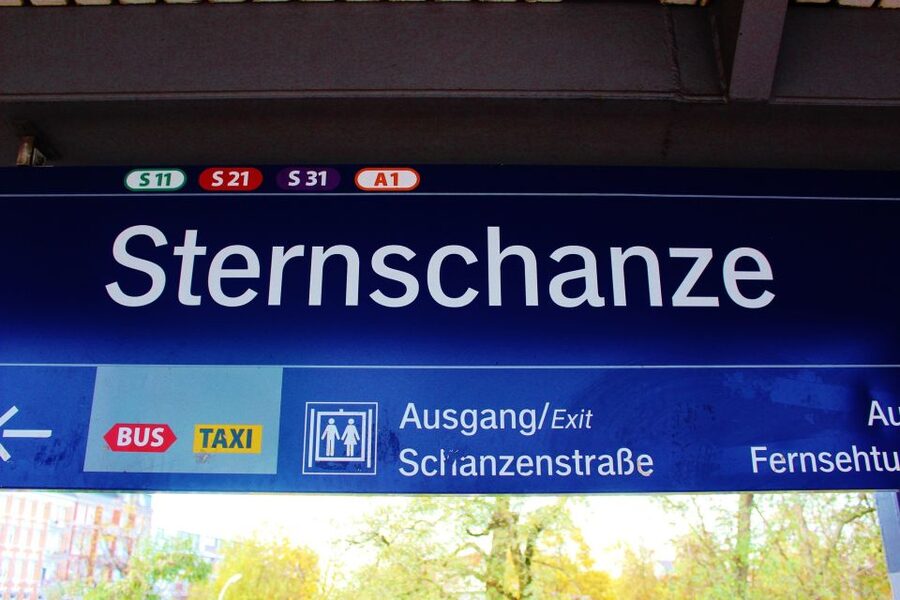
Sternschanze gives you more than a plate of food. In three hours, you move through a compact Hamburg district shaped by defense works, working craft, protest, nightlife, and rising rents. I like the way the tour connects five food tastings with the neighborhood’s story, and I like that guides such as Ute and Ursula have brought the area’s changes to life with clear, well-organized walks.
The main caution is that not every tasting may feel strongly tied to northern Germany. One recent assessment found two stops a little random and wished for more regional food. You may also eat some samples standing up, and Hamburg’s cold, wet weather can make suitable clothing a real need.
Key points at a glance
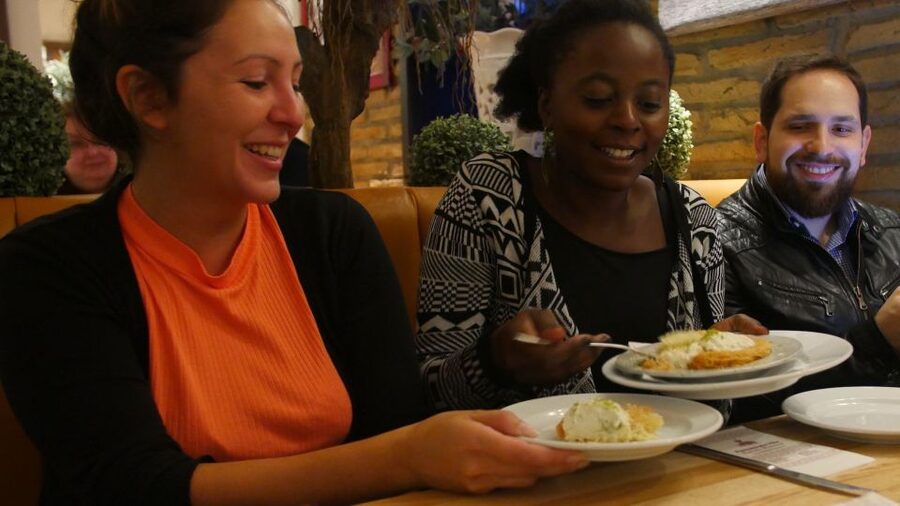
- Five stops in three hours: A useful way to sample several local businesses without planning your own food crawl.
- Sternschanze beyond cafés: Hear how a star-shaped defense structure became one of Hamburg’s most talked-about districts.
- Rote Flora and gentrification: Discuss protests, rising rents, investors, and the push and pull between commerce and local identity.
- Craft and old industry: See the old piano factory and follow connections to Carl Hagenbeck.
- Vegetarian-friendly format: The tour can suit vegetarians, though drinks are not included.
- Good guide-led storytelling: Recent tours led by Ute and Ursula received special praise for clear explanations and strong organization.
Why Sternschanze makes a good food tour setting
Sternschanze is small, covering about 0.60 square kilometers, but it packs in a lot of urban change. The district is known for its cafés, bars, small businesses, and strong political character. That makes it a better fit for a walking food tour than a polished shopping quarter where every street looks much the same.
The name points to an earlier purpose. Sternschanze began as a star-shaped defense structure. Today, the neighborhood has a cult status in Hamburg that is often compared with the Reeperbahn, though its character is different. You are here to see how a district can move from military use and older industry toward food, nightlife, commerce, and rising property pressure.
I like this setting because the food is not treated as a separate activity. You stop to taste something, then keep moving through streets where the guide can explain what changed and why it matters. The tasting gives you a reason to pause, while the walk helps you understand the people and forces behind the district’s image.
A few more Hamburg half-days to weigh up
- Hamburg: Sex and Crime in St. Pauli Tour for Ages 18+
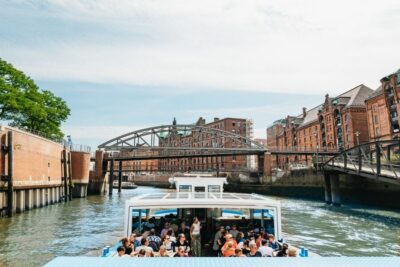
★ 4.7 · 15,447 reviews - Hamburg: 1.5-Hour Harbor and Speicherstadt Day Cruise
★ 4.6 · 14,200 reviews - Hamburg: 90-Minute Evening Lights Harbor Cruise
★ 4.5 · 7,728 reviews
What happens during the three-hour walk
The route is built around five local food hotspots. The exact meeting point can vary with the option you book, so check your confirmation before setting out. Transfers are not included, and you should expect to move around the neighborhood on foot for the full three hours.
At each stop, you receive a food sample and some background about the place. The available information does not name every business or specify each dish, so you should not book this expecting a fixed menu of famous Hamburg specialties. The stronger promise is variety: five different delicacies, small local businesses, and a guide who explains how the stops fit into the district.
That format can save you work. You do not need to compare cafés, guess which places are worth entering, or build a route between them. It also gives you a taste of several businesses rather than committing to one full meal.
Do not arrive expecting a restaurant lunch with table service. Food can be eaten standing or, when needed, seated. The portions are intended as tastings, and most people should not need to eat a full meal before or after the tour. Drinks cost extra, so bring that into your budget.
The five tastings: useful variety, not a fixed regional menu
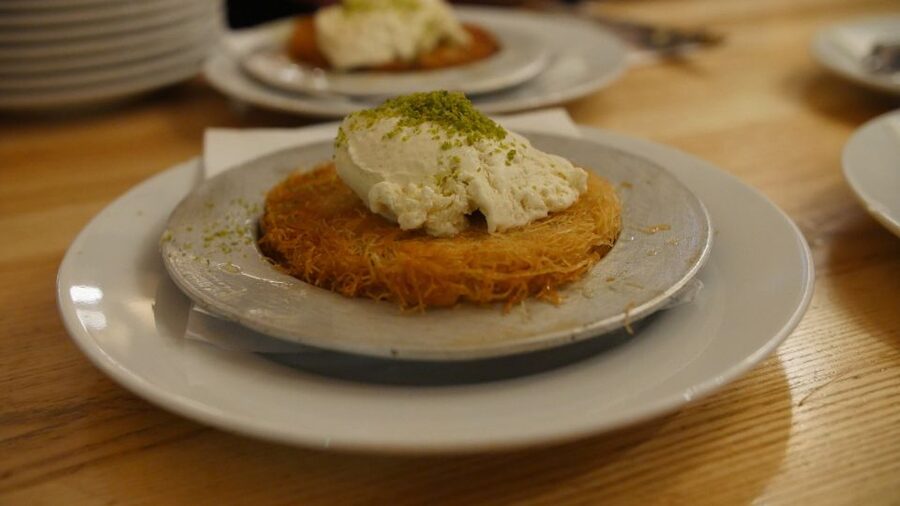
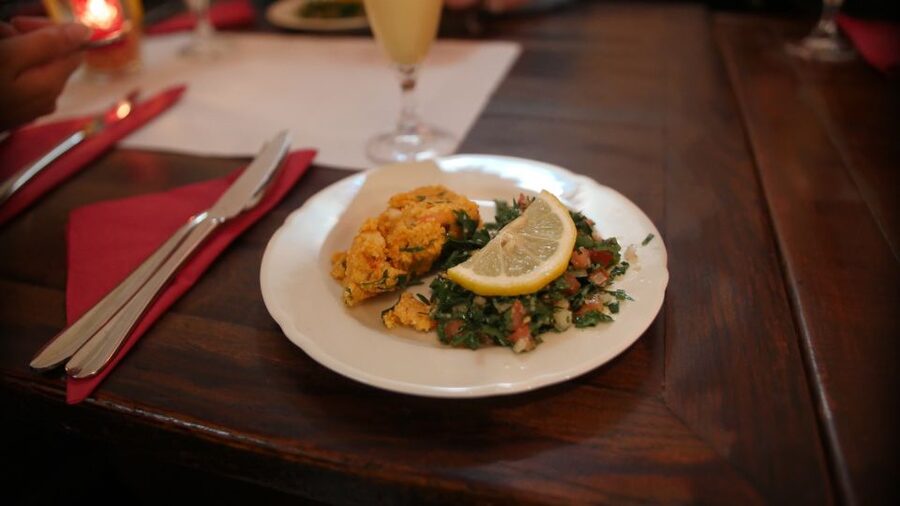
The food stops are one of the tour’s main draws, but they are also the part to approach with the clearest expectations. You receive five tastings in different local spots, which is a good arrangement if you enjoy sampling and want to discover places you might otherwise pass.
The food selection can feel varied rather than strictly traditional. That is part of the appeal in a district with many cafés and bars, but one recent assessment found two stops less convincing and wished for a stronger regional link. I would book this for culinary range and neighborhood character, not as a formal survey of Hamburg’s classic dishes.
The order may also matter to you. A recent comment preferred savory food first and sweet items later. The tour may not follow that sequence, so anyone with strong expectations about meal order should keep an open mind.
Vegetarians can take part, which makes the experience easier to share with a mixed group. The supplied details do not promise a particular vegan menu or list allergens, so ask about those needs before booking if they affect your decision.
The tastings are most useful when you treat them as introductions. If one stop catches your interest, you can return later for a fuller meal. That is a practical benefit of a local food walk: it can help you find your next independent meal without turning the whole afternoon into a restaurant search.
Rote Flora and the politics of a changing district
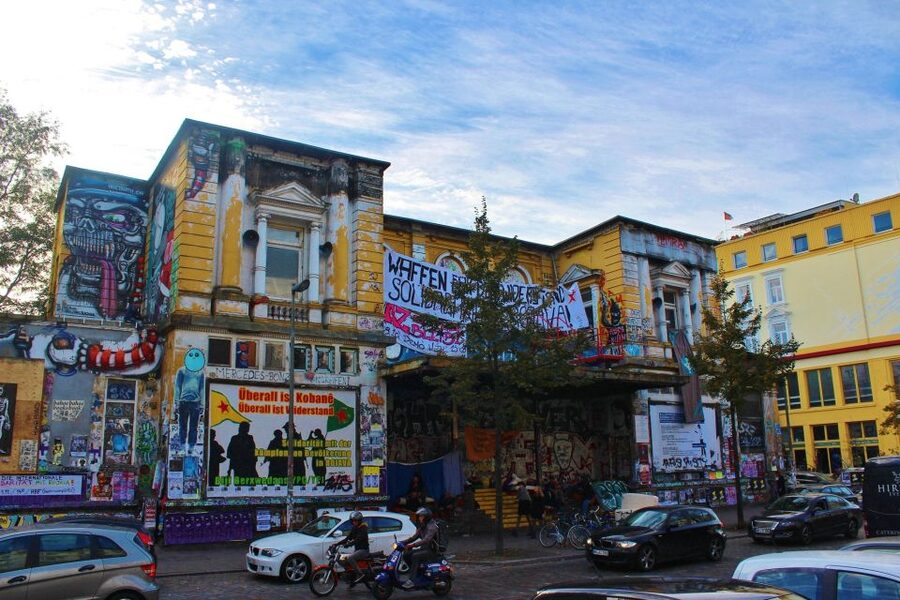
The Rote Flora is the political heart of the route. This left-wing autonomous center sits in the middle of Sternschanze and gives the guide a natural place to explain the district’s protest culture and its conflicts with commercial development.
The discussion includes current issues such as rising rents, investor interest, and the trade-off between neighborhood identity and new business. This is not just background decoration. It explains why Sternschanze can feel both attractive and contested, with the same qualities that draw visitors also helping to push up rents and attract investment.
The tour also follows the footsteps of so-called revolutionaries. That theme gives the walk a sharper edge than a standard café crawl. You are not simply hearing that the neighborhood is trendy. You are looking at the arguments around who gets to shape it and who can still afford to remain.
A recent tour took place during a demonstration and fireworks near the Rote Flora. That kind of event cannot be promised, but it shows how closely the route sits alongside the district’s active public life. If you want only quiet streets and neutral historical commentary, this may not be the right Hamburg walk. If you like seeing how politics and daily business share the same blocks, it adds real value.
Same city, a completely different sort of afternoon:
- Hamburg: 2-Hour XXL Port of Hamburg Cruise Tour
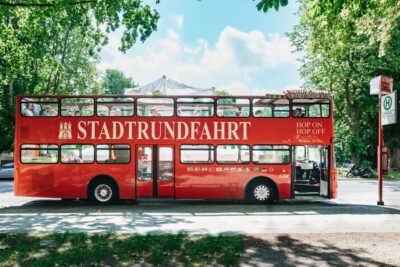
★ 4.7 · 6,979 reviews - Hamburg: Line A Sightseeing Hop-On Hop-Off Bus Tour
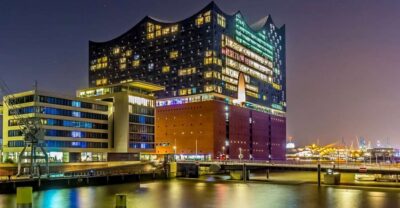
★ 4.6 · 6,958 reviews - Hamburg: Elbphilharmonie Plaza Guided Tour
★ 4.7 · 5,882 reviews - Hamburg: Hamburg Dungeon Admission Ticket
★ 4.7 · 5,745 reviews
Carl Hagenbeck and the old piano factory
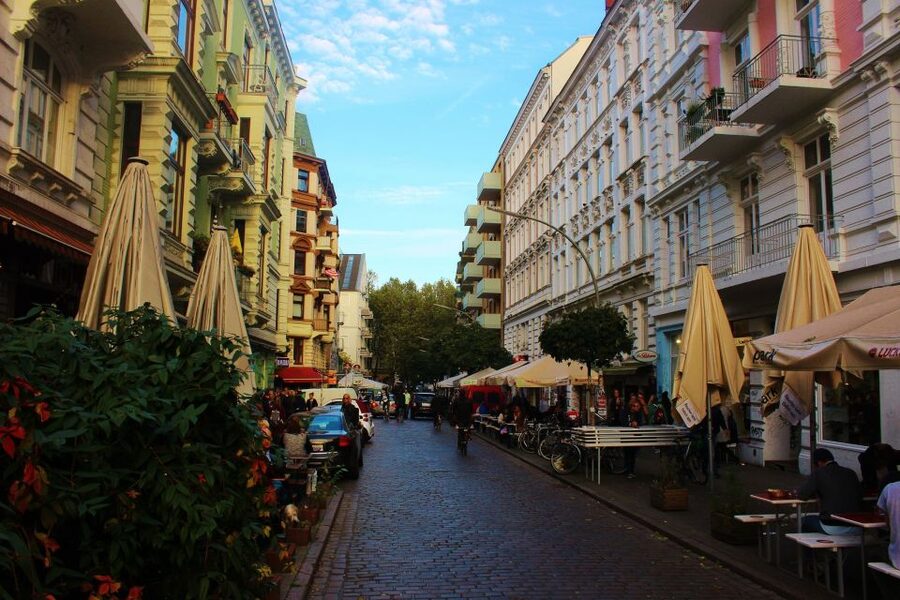
Carl Hagenbeck is another named thread in the tour. The supplied details do not set out the full story, so the guide’s explanation will matter here. The reference gives the walk a link to Hamburg’s wider commercial and cultural past rather than limiting it to today’s food scene.
The old piano factory supplies a second connection to craftsmanship and work. Its inclusion helps you notice the physical traces of an earlier neighborhood, especially the way small production sites can survive in an area later known for cafés, bars, and nightlife.
I like these stops because they broaden the meaning of local food. A small business is not only a place to buy something. It is also part of a district’s working identity. The tour’s theme of true craftsmanship fits well with that idea, though the available details do not identify the makers or explain whether you enter the factory building.
The guides: personal storytelling matters here
This experience depends heavily on the guide. The route includes history, current housing issues, political tensions, named figures, and food businesses. A guide who simply recites dates would miss the point.
Ute received praise for an organized walk and interesting explanations. Ursula was also thanked for describing the district’s development in an easy-to-follow way. Those names come from individual recent tour experiences, so they do not guarantee who will lead your departure, but they show the style you can hope for: a guide who connects street scenes, food, and change in the neighborhood.
The tour is offered in German or English. A private group option is available, which may be useful if you want a more personal pace or are traveling with friends and family. The standard format still suits people who prefer the energy of meeting others around a shared meal, though the group size is not specified.
How much value do you get for $57?
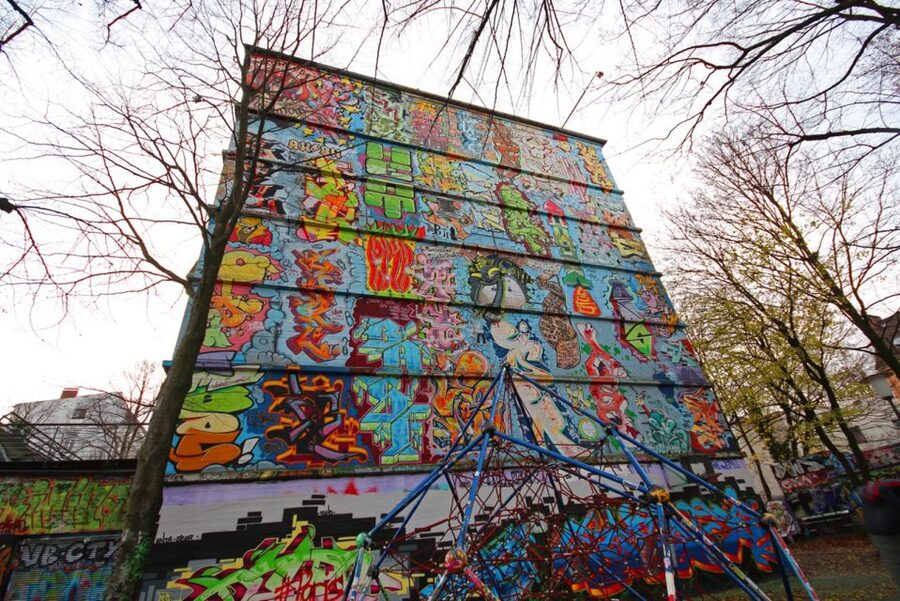
At $57 per person, this is not the cheapest way to eat in Hamburg. You are paying for five tastings, a three-hour walking route, a live guide, and the time saved by having the stops arranged for you.
The value improves if you want context with your food. Buying five small items on your own could cost less or more depending on the places and portions, but you would not automatically get the explanation of the Rote Flora, the old piano factory, the district’s defense origins, or its rent debate.
The value is weaker if you mainly want a full meal. Tastings are not a substitute for choosing a restaurant and ordering exactly what you want. Drinks are not included, and some eating may happen while standing. I would see the $57 as the cost of a guided introduction to Sternschanze with food along the way, not as a bargain lunch.
A three-hour duration is also long enough to give the neighborhood proper attention without taking up a full day. It works well early in a Hamburg visit, when you can use the route to choose places to revisit. It can also suit a final day if you prefer a relaxed neighborhood walk over another major attraction.
Weather, footwear, and comfort
Hamburg weather can change quickly, and the tour runs outdoors between food stops. Wear weatherproof clothing and shoes that can handle several hours of walking. A recent tour remained enjoyable despite cold conditions, but that is a reminder to dress for the forecast rather than rely on indoor stops.
Because food may be eaten standing or seated as needed, comfort depends partly on your clothing and energy level. If you have mobility concerns, the available details do not describe the route surface, seating at each stop, or accessibility arrangements. Ask the provider before booking if those points are important to you.
The tour is not built around transfers. You need to reach the meeting point yourself, and that point may differ according to the option booked. Give yourself time to check the exact location on the day.
Who will enjoy this tour most?
I would recommend it to you if you enjoy small food samples, local businesses, and city stories that include disagreement. It is especially useful for a first visit to Hamburg when you want to understand why Sternschanze matters, not just take a few pictures of its cafés.
It should also suit couples, friends, and families with older children who can manage a three-hour walk. Vegetarians can join, and the private group option gives some parties more control over the experience.
You may want another type of food tour if you need a guaranteed list of regional dishes, a seated meal, or generous portions. You may also prefer a standard history walk if discussions of investors, rent increases, and protest politics sound less appealing than formal monuments.
Should you book the Schanzenviertel Culinary Tour?
Book it if you want food and urban change in the same experience. The strongest parts are the compact route, five tasting stops, and the chance to hear about Rote Flora, Carl Hagenbeck, the old piano factory, and the district’s struggle with gentrification.
Skip it if you want a tightly defined menu of northern German classics or a comfortable sit-down meal. At $57, the tour earns its price through guiding and access to a range of local spots, not through the amount of food alone. For a flexible booking, cancellation is available up to 24 hours in advance for a full refund, and you can reserve now and pay later.
FAQ
How long is the Schanzenviertel Culinary Tour?
The tour lasts three hours.
How many food tastings are included?
You visit five local food spots and receive five food tastings.
Are drinks included?
No. Drinks are not included in the tour price.
Is the tour suitable for vegetarians?
Yes. The tour is also suitable for vegetarians.
Can I take the tour in English?
Yes. Live guiding is available in English and German.
Is a private group option available?
Yes. A private group option is available.
Where does the tour meet?
The meeting point can vary depending on the option booked. Check the details for your selected option before departure.
Do I need to eat before the tour?
Most people do not usually need to eat before or after the tour, based on the tasting format. You can eat some samples standing or seated as needed.
What should I wear?
Wear weatherproof clothing and suitable footwear, since the experience is a walking tour and includes time outdoors.
Just added around Hamburg
- Free Tour: Port, Red Light District and Beatles. You decide how much to pay at the end★ 3.9 · 13 reviews
- Hamburg: Guided Bike Tour★ 4.7 · 71 reviews
- Hamburg: Guided Port Walk for Families★ 4.6 · 191 reviews
- Express-Tour Panik City Udo Lindenberg Multimedia Experience★ 5.0 · 4 reviews
- Hamburg: Elphi Plaza Guided Tour with Störtebeker Beer★ 4.6 · 245 reviews
- Hamburg: Downtown, Alster & Creative Neighborhoods by Bike★ 4.5 · 217 reviews
- Die Kiez-Kapitän Reeperbahn & Beatles Kieztour Hamburg★ 4.9 · 178 reviews
- Die Kiez-Kapitän Hamburger Stadtführung & Speicherstadt Tour★ 4.8 · 37 reviews
Hamburg Tours, compared.
1.5-Hour Harbor and Speicherstadt Day Cruise
Read our review →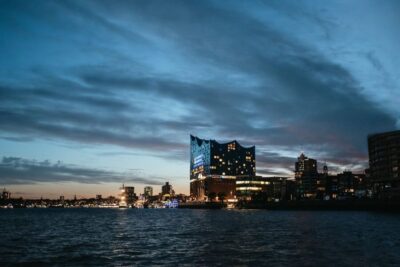

Browse the lists this tour appears in