Review · HAMBURG TOURS
Hamburg: Private Tour – Schanzenviertel & Karolinenviertel
Hamburg’s Schanzenviertel and Karolinenviertel tell a different story from the harbor, city hall, and shopping streets. This two-hour walk takes you through former working-class districts shaped by defense works, factories, protests, independent shops, and changing rents. The Rote Flora and the huge Feldstrasse bunker give the tour its strong visual markers, while the back courtyards and old industrial sites supply the local detail.
I like two things especially. First, the private format lets your guide focus on your questions instead of moving a large group through the streets. Second, the route gives real attention to change and conflict, not just cafés and nightlife. Past guides named in guest feedback include Frau Evers and Basti, a local resident whose direct, personal presentation made a strong impression.
The main consideration is language: the tour is offered in German, and the advertised route finishes at Messehallen rather than returning to the starting point. One earlier group also found the ending different from what had been expected, so leave a little time after the walk if you have a restaurant booking.
Key points at a glance
- Sternschanze starting point: Meet at Sternschanze U-Bahn station, by the Sternschanzenpark exit.
- Rote Flora visit: Learn why this former theater became one of Hamburg’s best-known political spaces.
- Feldstrasse bunker: See the imposing bunker on Heiligengeistfeld and hear about its place in the district.
- Former abattoir district: Walk through the area that links Karolinenviertel and Schanzenviertel.
- Private group value: One price covers up to 15 people, making the tour more attractive for families, friends, or small organizations.
- German-speaking guide: The tour is designed for visitors comfortable following a guided discussion in German.
Why these two Hamburg districts are worth your time
Schanzenviertel and Karolinenviertel sit just outside the main sightseeing circuit, but they are among the most revealing parts of Hamburg for understanding how a city changes. The areas began as forelands beyond Hamburg’s former embankments and defensive lines. One early defense post gave Schanzenviertel its name, with Schanze still used as a familiar local shorthand.
Over time, these districts became working-class neighborhoods connected to trade, factories, storage yards, and the former cattle abattoir. In recent decades, restaurants, bars, clubs, small shops, and creative businesses moved in. That change brought fresh energy, but also questions about housing, development, protest, and who gets to remain in a neighborhood once it becomes fashionable.
That mixture is the reason I would choose this walk over a generic city-center tour. You are not simply checking off landmarks. You are looking at streets where Hamburg’s social and political arguments have played out in public.
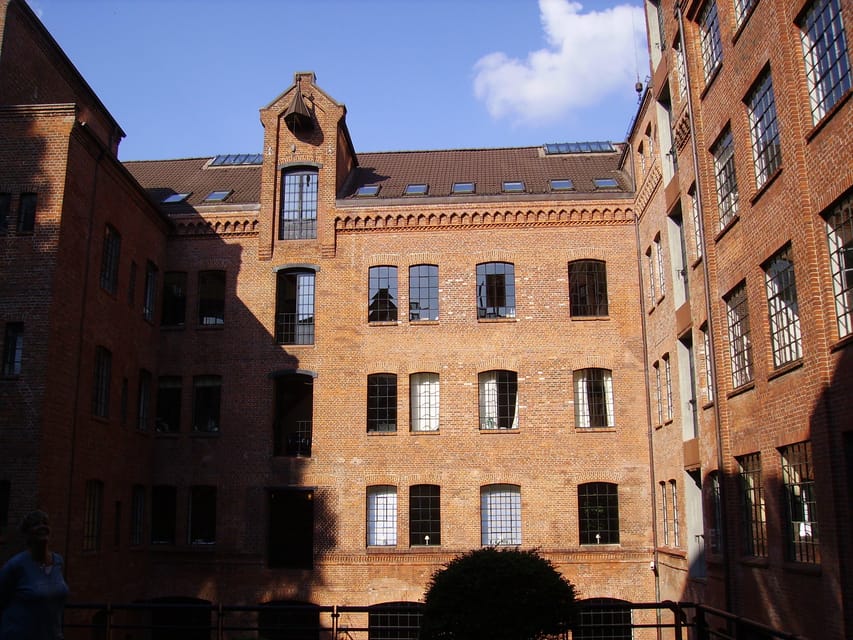
The guide also makes a point of moving away from the main roads. You may pass through older industrial areas, courtyards, and former factory sites that are easy to miss when you explore alone. These places help connect the polished restaurant fronts with the working district that came before them.
A few more Hamburg half-days to weigh up
- Hamburg: Sex and Crime in St. Pauli Tour for Ages 18+
★ 4.7 · 15,447 reviews - Hamburg: 1.5-Hour Harbor and Speicherstadt Day Cruise
★ 4.6 · 14,200 reviews - Hamburg: 90-Minute Evening Lights Harbor Cruise
★ 4.5 · 7,728 reviews
Starting at Sternschanze and entering the Schanze
The meeting point is Sternschanze U-Bahn station, at the Sternschanzenpark exit. This is a practical place to begin because the station gives you a clear public transport landmark, and the park helps you orient yourself before the walk starts.
The first main section lasts about 30 minutes and introduces Schanzenviertel. Your guide explains how the district’s early defense role shaped its name and position. That background matters because it shows that the neighborhood was not planned as a trendy quarter. Its present-day character grew from a much more practical past.
Expect the discussion to move between old uses and current life. The district is now known for restaurants, bars, clubs, and independent businesses, but the tour does not reduce it to a night-out district. You will hear about the changes that brought new attention to the area and the problems that followed.
This is where a private tour has a useful advantage. If your group is curious about a particular building, business, or street, you can ask for more explanation. A large scheduled group often has to keep walking, while a private guide can adjust the pace within the two-hour limit.
Karolinenviertel, local shops, and neighborhood change
The Karolinenviertel section lasts about 20 minutes. It connects naturally with Schanzenviertel, but the tour treats it as its own neighborhood rather than one more label for the same area.
The emphasis is on how the two districts developed from working-class quarters into popular places to live and spend time. Independent shops are part of that story. They give the streets a more local feel than a chain-lined shopping zone, and they offer useful photo subjects along the way.
Still, the guide does not present gentrification as a simple success story. You will hear about the benefits of new businesses and renewed attention, along with the pressure and disputes that can accompany rising popularity. This frank tone is one of the strongest reasons to book the walk if you want more than a cheerful list of restaurants.
The route also gives you a chance to look behind the public face of the neighborhood. Old courtyards and former factory sites can reveal how tightly homes, workplaces, and small businesses were once connected. Details like these help explain why the districts feel layered rather than newly designed.
The Rote Flora and Hamburg’s political character
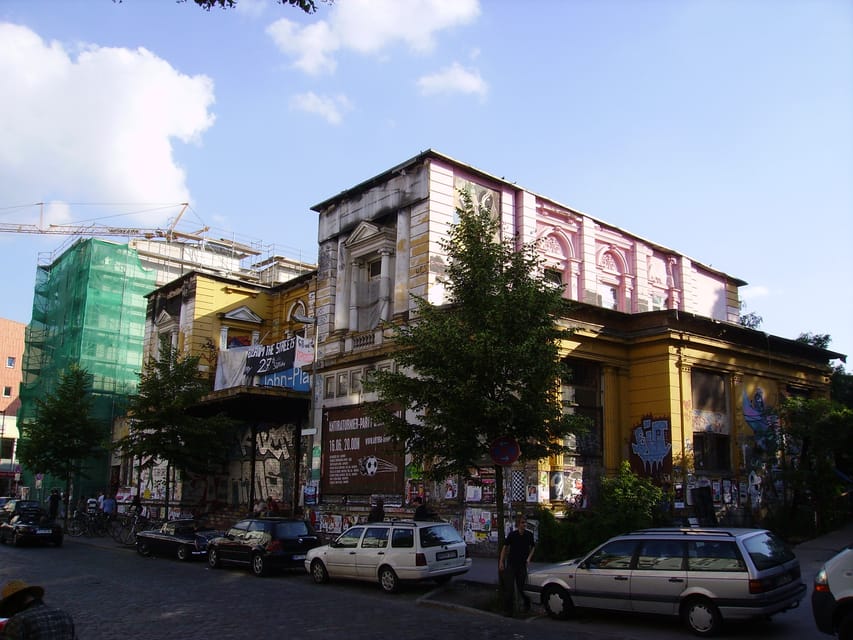
About 10 minutes are set aside for the Rote Flora. The former theater is one of the most recognizable places on the route, even for people who have never taken a neighborhood tour.
The building is closely associated with demonstrations and political activism, but the guide’s job is to place it in the wider story of Schanzenviertel. The tour aims to show that the district cannot be understood only through images of protests. The Rote Flora is important precisely because it reflects the neighborhood’s long-running arguments about public space, development, and political identity.
Do not expect a long museum visit or a formal interior tour. The information provided describes a guided stop, not entry into the building. The value comes from hearing the local context while standing in front of a place that has become part of Hamburg’s public life.
Past feedback praised guides for being open, detailed, and sometimes emotional when discussing the district. That may appeal to you if you prefer a guide with a clear point of view. It also means this is not the best choice if you want a completely neutral, postcard-style account with no discussion of difficult issues.
Same city, a completely different sort of afternoon:
- Hamburg: 2-Hour XXL Port of Hamburg Cruise Tour
★ 4.7 · 6,979 reviews - Hamburg: Line A Sightseeing Hop-On Hop-Off Bus Tour
★ 4.6 · 6,958 reviews - Hamburg: Elbphilharmonie Plaza Guided Tour
★ 4.7 · 5,882 reviews - Hamburg: Hamburg Dungeon Admission Ticket
★ 4.7 · 5,745 reviews
The former cattle abattoir and the link between both quarters
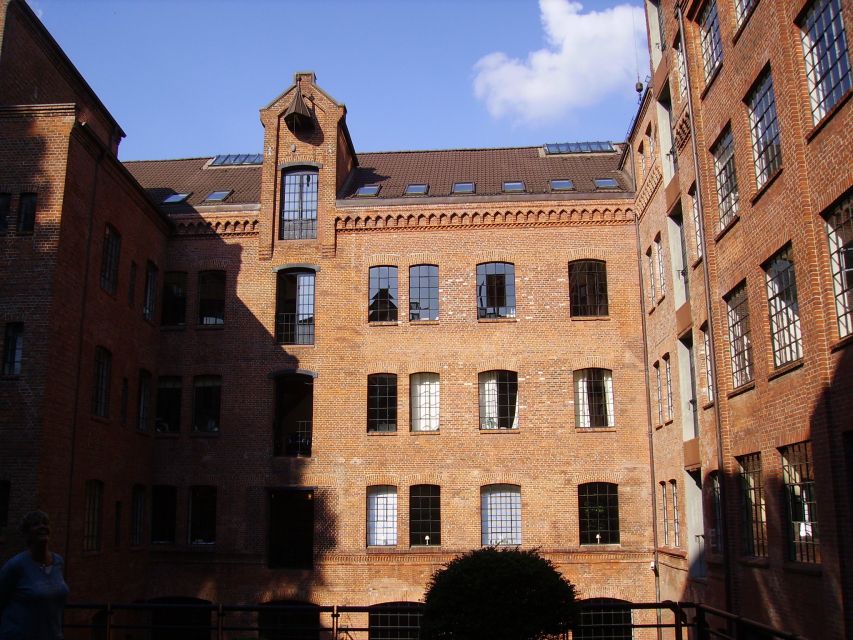
One of the more unusual parts of the walk is the former cattle abattoir area. It connects Karolinenviertel and Schanzenviertel and gives the tour a strong sense of place.
The abattoir is not just an old site to pass on the way to something else. It helps explain the working character of the neighborhoods and the practical industries that once shaped everyday life. The guide uses this area to connect buildings and streets with the people and jobs that once depended on them.
This stop also shows why it pays to leave Hamburg’s main streets. A first-time visitor might notice restaurants and colorful shopfronts but miss the industrial framework behind them. The former abattoir gives you a more grounded view of how these neighborhoods functioned before their current popularity.
The supplied itinerary lists a separate 10-minute guided stop in addition to the named neighborhoods and landmarks, but it does not identify that stop by name. You should expect the route to include a short connecting explanation, likely tied to the former industrial areas or local streets, rather than a separate major attraction.
Tim Mälzer’s Bullerei and the modern Schanze
The walk makes a detour toward Bullerei, the Hamburg restaurant opened by chef Tim Mälzer. This is a useful stop for understanding the district’s newer public image.
Bullerei represents the kind of destination that helps draw people into Schanzenviertel from across the city. It also raises a natural question: how does a neighborhood keep its independent character as high-profile restaurants and fashionable businesses arrive?
Your guide can place the restaurant within that larger change. The point is not simply to admire a celebrity chef’s address. It is to see how food, nightlife, and new investment have helped reshape the area.
The route does not include a meal or a tasting, so plan to visit Bullerei separately if you want to eat there. The restaurant is a visual and cultural reference on the walk, not a dining stop included in the price.
The Feldstrasse bunker on Heiligengeistfeld
The Feldstrasse bunker is another major visual point. Located on Heiligengeistfeld, it is a massive structure that makes the scale of Hamburg’s wartime building program impossible to ignore.
The tour allows about 10 minutes for this stop. That is enough for an explanation and photographs, but not for an extended architectural visit. You should think of it as a focused outdoor stop that anchors the surrounding history.
The bunker also contrasts with the cafés, clubs, and small shops found elsewhere on the route. That contrast is useful. In a single walk, you move from neighborhood commerce and political spaces to a heavy military structure, then toward Messehallen. The changing sights show how much history can sit within a short distance.
If you enjoy taking pictures, this is one of the better stops. The bunker’s scale and hard surfaces create a very different subject from the narrow streets and shopfronts in Schanzenviertel and Karolinenviertel.
What two hours really gives you
The advertised duration is two hours, with a route that begins at Sternschanze and ends at Messehallen. The listed sections add up to a brisk sequence: about 30 minutes in Schanzenviertel, 20 minutes in Karolinenviertel, 10 minutes at the Rote Flora, another 10-minute guided stop, and 10 minutes at the Feldstrasse bunker.
That timing tells you what kind of experience this is. It is a compact introduction, not an exhaustive study of every street. You will get the main historical themes and several important sites, but you will not have long periods for shopping, sitting in cafés, or touring interiors.
I would schedule it early in your Hamburg stay if these districts are new to you. The guide can give you enough orientation to return later for food, drinks, independent shops, or more photographs. If you are already familiar with Schanzenviertel, the value will depend more on how much local history and political context you want.
The route is also better suited to people who enjoy walking and listening. The experience includes many short explanations rather than a single spectacular attraction. Wear comfortable shoes and keep your plans after the tour flexible, especially if you are heading to a restaurant at a fixed time.
Private pricing and who gets good value
The price is $294 for a private group of up to 15 people. For a full group, that works out to about $19.60 per person, which is reasonable for a professional two-hour private city walk. A smaller group pays more per person, so the value depends on how many people you bring.
For two people, the cost is $147 each. That is a much larger outlay than joining a standard group tour, but you are paying for a private guide, a flexible conversation, and the chance to focus on a neighborhood rather than Hamburg’s headline sights.
For a family or group of friends, the calculation is more favorable. You can share one booking instead of paying separate per-person prices, and the private setting may make it easier to ask about local politics, architecture, food, or neighborhood change.
The tour includes the professional guide and city walk. Food, drinks, and restaurant visits are not included. Since the advertised language is German, make sure everyone in your group can follow a German-language discussion before booking.
Guide quality and the tone of the walk
The strongest praise attached to this experience centers on the guides. Frau Evers was described as clear, friendly, and good at explaining the area. Basti was noted as an engaged Schanzenviertel resident who offered direct insights that are not always easy to find in media coverage.
That gives you a useful clue about the tone. The best version of this tour is not a recited list of dates. It is a conversation led by someone who understands the districts from close range and can explain why certain buildings and streets matter.
The feedback also describes the walk as entertaining, humorous, and well informed. One earlier group received nearly three hours rather than two, but you should plan around the stated two-hour duration rather than count on extra time.
The only practical warning concerns the end point. One group expected to finish at Stephansplatz but instead ended elsewhere and had to hurry to a restaurant. The current route specifies Messehallen, so check that destination against your plans and allow time for onward travel.
Who should book this Hamburg neighborhood tour
I would recommend this walk to you if you have already seen Hamburg’s central sights and want a closer look at city life beyond the postcard route. It also suits anyone interested in urban change, political spaces, industrial history, and independent businesses.
It is a good fit for:
- Friends or families who want a private discussion rather than a fixed large-group script
- Visitors comfortable with a German-speaking guide
- People who enjoy street-level history and local context
- Repeat Hamburg visitors looking for a different part of the city
- Photographers interested in courtyards, old industrial sites, the Rote Flora, and the bunker
I would hesitate if you need an English tour, dislike discussion of protest and neighborhood conflict, or want a major interior attraction. The walk is also less useful if you have only a short time in Hamburg and have not yet seen the city’s central landmarks.
Free cancellation is available up to 24 hours before the start, and you can reserve now and pay later. Alternative times can also be requested, which helps if the listed start does not fit your day.
Should you book the Schanzenviertel and Karolinenviertel tour?
Book it if you want Hamburg explained through its streets, old work sites, local businesses, and political history. The Rote Flora, Bullerei, former abattoir, and Feldstrasse bunker give the route clear points of interest, but the real value lies in how your guide connects them.
The best choice is a full group of friends or family members who can share the $294 fee and follow German comfortably. For a couple, the price is harder to justify unless this subject is a high priority.
Check the final meeting and end points carefully, keep your restaurant plans loose, and expect a brisk two-hour walk. If those details suit you, this is a useful way to see a less polished and more argumentative side of Hamburg.
FAQ
Where does the tour start?
The tour starts at Sternschanze U-Bahn station, at the Sternschanze exit by Sternschanzenpark.
Where does the tour finish?
The scheduled finish is Messehallen.
How long does the tour last?
The tour lasts two hours.
What language is the tour offered in?
The live tour guide speaks German.
Is this a private tour?
Yes. It is offered as a private group experience.
How many people can join the private group?
The price covers a group of up to 15 people.
What places are included on the route?
The route includes Schanzenviertel, Karolinenviertel, the Rote Flora, the Feldstrasse bunker on Heiligengeistfeld, the former cattle abattoir area, and a detour toward Tim Mälzer’s Bullerei restaurant.
Can I cancel the booking for a full refund?
Yes. You can cancel up to 24 hours in advance for a full refund.
Just added around Hamburg
- Winter Alster tour★ 4.0 · 12 reviews
- World War 2 Hamburg Private Guided Tour★ 5.0 · 6 reviews
- UNESCO World Heritage – Speicherstadt and Kontorhaus district★ 4.5 · 12 reviews
- Ticket for the Emigration Museum BallinStadt Hamburg★ 4.0 · 57 reviews
- hamburg Experienced differently with wish rental bike relaxed enjoy★ 5.0 · 5 reviews
- Hamburg Private Food Tours with a Local: 100% Personalized★ 5.0 · 3 reviews
- The Beatles in Hamburg – Private Tour★ 5.0 · 16 reviews
- The Beatles on St. Pauli★ 5.0 · 3 reviews
Hamburg Tours, compared.
1.5-Hour Harbor and Speicherstadt Day Cruise
Read our review →