Review · HAMBURG TOURS
Free tour: Centro Histórico. Tú decides el precio al final
Hamburg’s old center is a place where grand civic buildings, old warehouses, church ruins, and modern concert halls sit within an easy walking route. This Spanish-language walk links those contrasts with stories about Vikings, breweries, medieval churches, and the city’s hard-won survival. I especially like the pay-what-you-wish format and the chance to see both major sights and quieter corners with a local guide.
I also like that the route begins at the Rathausmarkt and finishes near Deichstraße, putting you close to more sightseeing afterward. The main consideration is that the tour is entirely outdoors, so bring an umbrella and wear shoes suited to two hours of city walking.
Key details at a glance
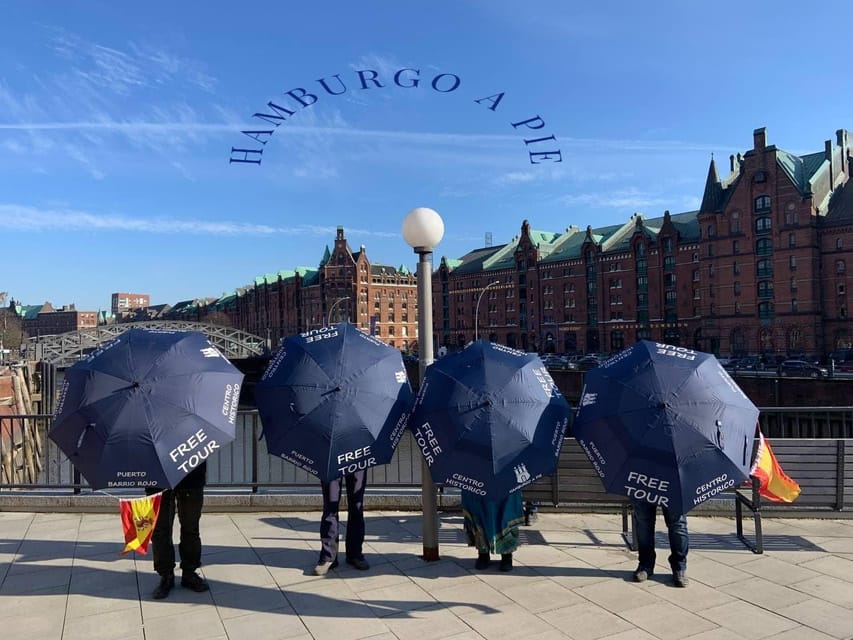
- A two-hour walk through Hamburg’s historic center: The route covers the Town Hall area, St. Nikolai Memorial, Trostbrücke, Domplatz, Speicherstadt, and nearby sights.
- Spanish-language guiding: The tour is conducted in Spanish, with guide Ramiro specifically praised for his professional, clear presentation.
- A flexible final price: A small booking amount is shown, but you decide what to pay at the end based on your satisfaction and budget.
- A route full of contrasts: Medieval church sites, 18th-century streets, old warehouses, and the modern Elbphilharmonie all help explain Hamburg’s character.
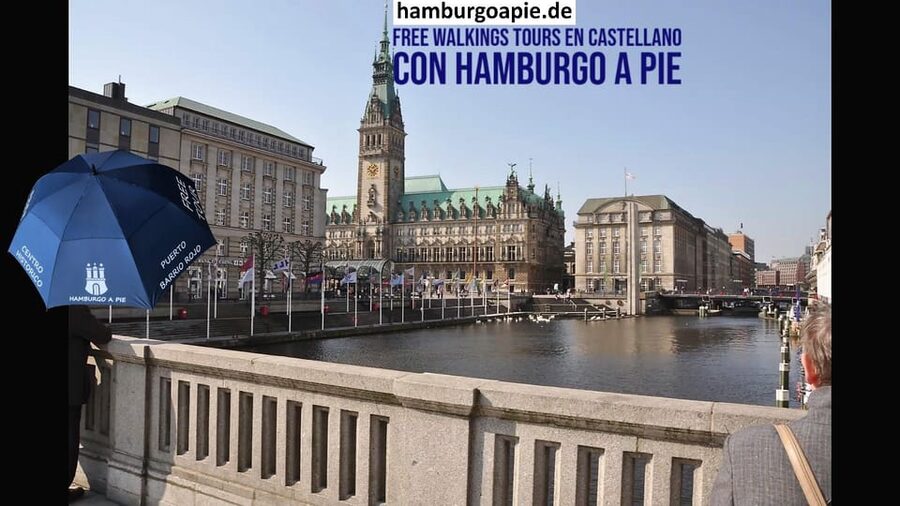
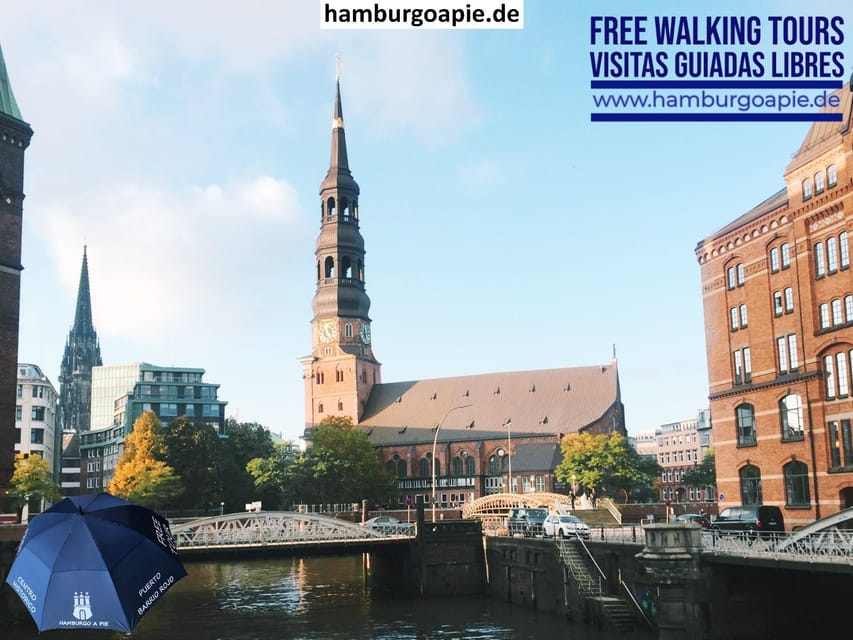
- An easy meeting point: Look for the guide with a blue umbrella outside the main door of Hamburg’s Town Hall.
- Useful follow-up advice: The guide provides suggestions for other free tours, local activities, public transportation, maps, and places to explore independently.
Starting under Hamburg’s Town Hall
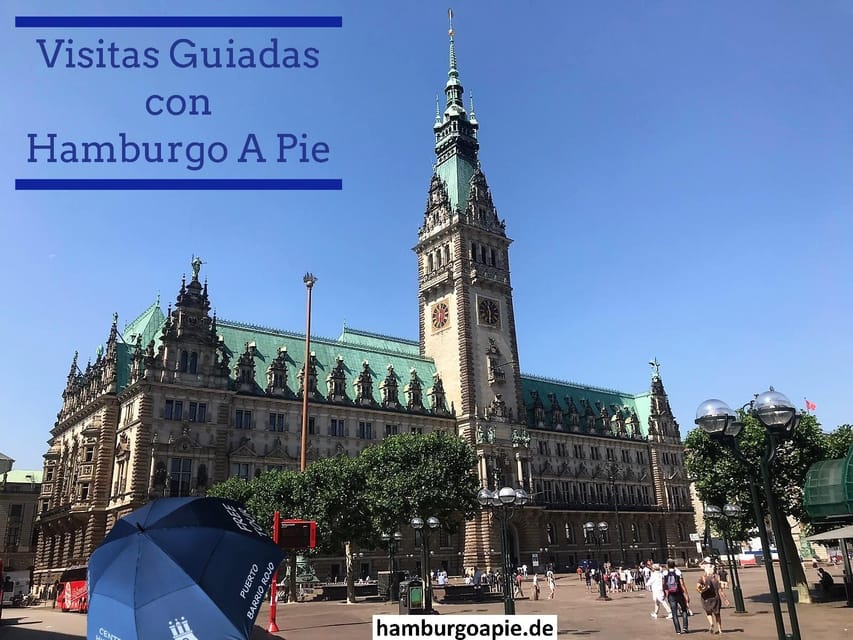
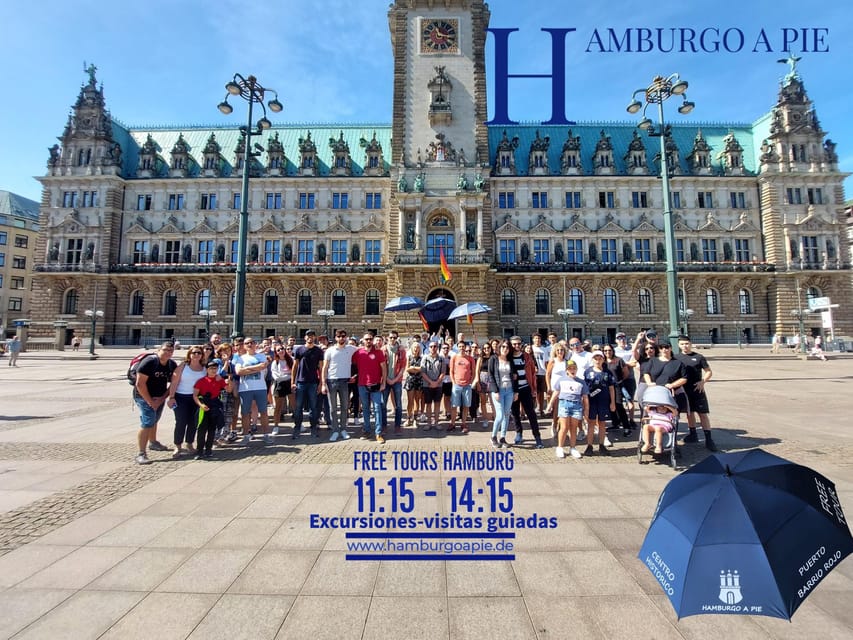
The tour begins at Hamburg’s Rathausmarkt, the broad square in front of the city hall. Meet outside the main door of the Rathaus, where the guide waits with a blue umbrella. That detail matters. The square can feel open and busy, and a visible marker makes the meeting point easier to find.
From here, you get an immediate sense of Hamburg’s civic side. The Town Hall area is a fitting place to begin because the tour is not just a parade of buildings. It uses the city center to explain how Hamburg developed as a port city, how local traditions took shape, and how its past still affects daily life.
The exact route can vary with the guide and conditions, but the advertised walk lasts about two hours. That is long enough to cover several central sights without turning the outing into an all-day march. You should still expect to remain on your feet for most of the time.
Because this is an outdoor walk, weather matters. Hamburg is known for sudden rain, and the activity specifically advises carrying an umbrella. A rain jacket and comfortable shoes are sensible additions, even if the forecast looks friendly when you leave your hotel.
A few more Hamburg half-days to weigh up
- Hamburg: Sex and Crime in St. Pauli Tour for Ages 18+
★ 4.7 · 15,447 reviews - Hamburg: 1.5-Hour Harbor and Speicherstadt Day Cruise
★ 4.6 · 14,200 reviews - Hamburg: 90-Minute Evening Lights Harbor Cruise
★ 4.5 · 7,728 reviews
St. Nikolai Memorial and Hamburg’s difficult past
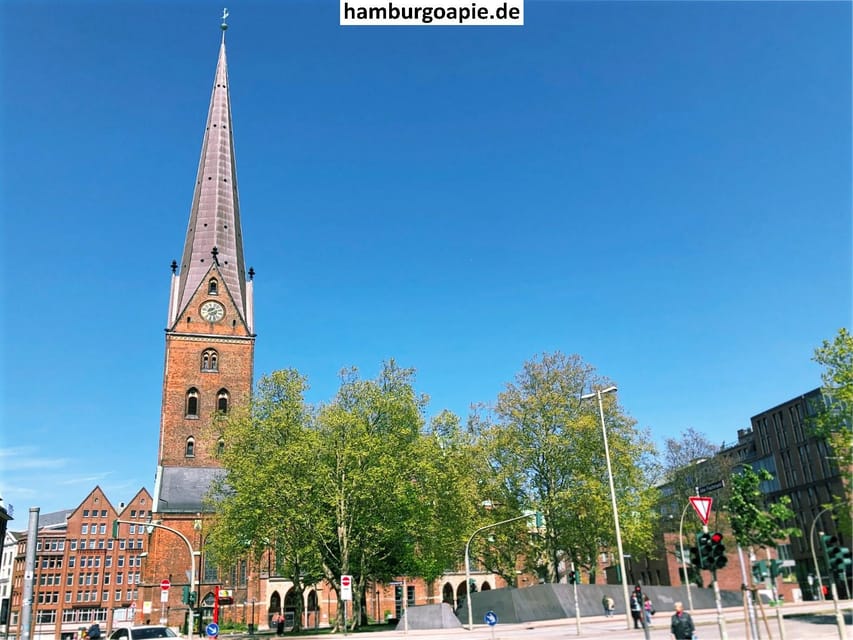
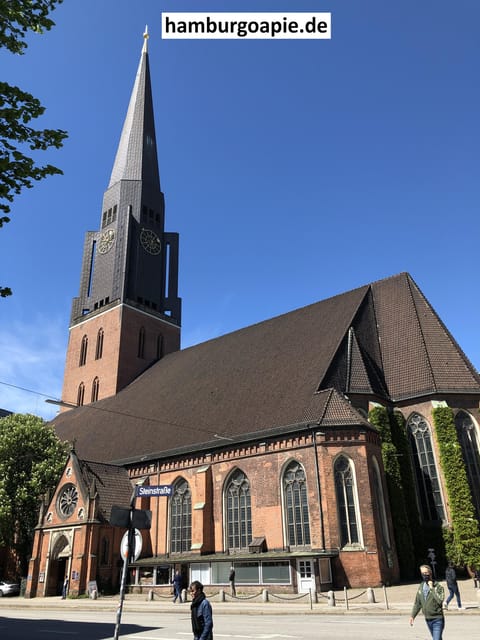
One of the most meaningful stops is the St. Nikolai Memorial. The site recalls the former church and the destruction suffered by Hamburg during the Second World War. Today, the memorial offers a sharp contrast to the polished streets and restored buildings nearby.
This is where a good guide can add real value. A quick photograph tells you what remains, but a story helps you understand why the ruin matters. The walk presents Hamburg through several eras, including medieval beginnings, war damage, rebuilding, and modern city life.
You should not expect a long museum visit as part of the tour. Entry fees to attractions and museums are not included, and the experience is built around walking and outdoor explanation. If you want more time at St. Nikolai or plan to enter a paid attraction, treat this tour as an introduction and return on your own.
I like this stop because it keeps the tour from becoming a simple list of pretty sights. Hamburg’s center has handsome architecture, but its past includes loss, upheaval, and hard decisions about what to preserve. St. Nikolai gives the walk emotional weight.
Trostbrücke and the medieval city
The route continues toward Trostbrücke, a historic bridge in the old center. Bridges can seem minor on a first visit, yet this one helps you picture how Hamburg once functioned. Waterways, trade, churches, merchants, and warehouses were closely tied together.
The tour also visits Domplatz, a key site for understanding the city’s early beginnings. Here, the guide connects Hamburg’s medieval story with older layers of settlement and religious life. The supplied tour details also refer to Roman history and cathedrals linked to Viking raids, giving the walk a wide time span rather than focusing only on modern Hamburg.
That range is one of the strongest features of the experience. You are not confined to a single period. One moment concerns ancient or medieval origins, and the next turns to trade, urban growth, or the lives of ordinary people.
Domplatz is especially useful early in a Hamburg visit because it helps you read the city center. After the tour, streets and landmarks make more sense when you know which areas grew from older religious and commercial centers. I would pay close attention here if you enjoy history, because the explanation may be more valuable than the photo stop itself.
Speicherstadt, warehouses, and Hamburg’s port identity
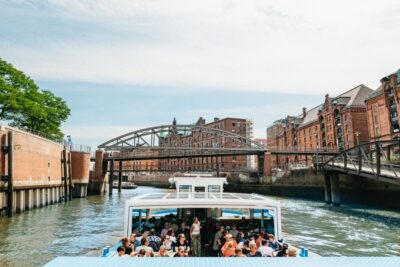
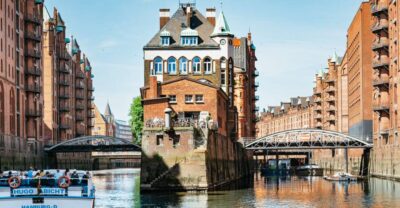
The walk includes Speicherstadt, the UNESCO-protected warehouse district. Its long brick buildings and canals are among Hamburg’s most recognizable sights. The district shows how the city’s trading economy shaped its architecture, with storage buildings designed for goods moving through the port.
The tour description points to warehouses that were nearly destroyed during wartime. That detail gives the district a second layer. Speicherstadt is attractive, but it is not merely a postcard setting. Its survival reflects the damage Hamburg endured and the work involved in preserving its old urban fabric.
You may find that the guide pauses for photos and explains how the warehouse area fits into the wider city. The tour does not include museum admission, so allow extra time later if you want to visit one of Speicherstadt’s paid attractions.
I find this part valuable because it connects architecture with economics. Brick walls, canals, bridges, and loading areas tell you how Hamburg earned its living. The guide’s stories about historic breweries and local traditions add a more human angle to the buildings.
Same city, a completely different sort of afternoon:
- Hamburg: 2-Hour XXL Port of Hamburg Cruise Tour
★ 4.7 · 6,979 reviews - Hamburg: Line A Sightseeing Hop-On Hop-Off Bus Tour
★ 4.6 · 6,958 reviews - Hamburg: Elbphilharmonie Plaza Guided Tour
★ 4.7 · 5,882 reviews - Hamburg: Hamburg Dungeon Admission Ticket
★ 4.7 · 5,745 reviews
Elbphilharmonie and old Hamburg meet
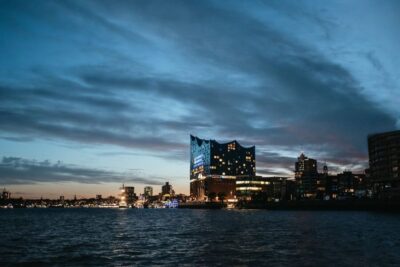
The Elbphilharmonie provides the modern counterpoint to Speicherstadt. Its striking design represents a newer Hamburg, while the warehouse district nearby points to the city’s trading past. Seeing both within the same walk helps you understand the city’s visual identity without needing a separate architecture tour.
The experience includes the Elbphilharmonie among its major sights, though the available information does not promise an interior visit or concert entry. Think of this as an outside viewing and explanation unless your guide tells you otherwise.
That distinction is important. Entry fees are not included, and the tour is priced as a guided walk rather than a concert-hall visit. If you want to go inside or attend a performance, plan and pay for that separately.
The contrast works well. Hamburg can feel both old and new, practical and theatrical. The walk shows you that change without pretending the city has abandoned its earlier character.
Deichstraße and the final stretch
The tour finishes at Deichstraße, a historic street close to the old center and the water. Its preserved buildings offer a more intimate end to the walk than the broad Rathausmarkt did at the beginning.
Ending here is practical. You can continue exploring on foot, stop for food or a drink, or use the guide’s suggestions to plan the rest of your day. The guide also offers information about public transportation, local activities, other free tours, maps, and brochures.
I like a tour that finishes somewhere useful rather than dropping you back at the starting point. Deichstraße leaves you in a good position to keep exploring, though you should ask the guide for precise directions if you have a timed reservation elsewhere.
What the Spanish guide adds
This is a Spanish-language experience, so it is best suited to people who want explanations, jokes, and historical context in Spanish. The guide uses stories about evil Vikings, old breweries, local traditions, and the unusual character of Hamburg’s residents to keep the walk lively.
The tone appears to be a major strength. A Spanish review describes the guide as professional and very familiar with Hamburg’s past. Another comment calls the tour interesting, instructive, and pleasant. Ramiro is singled out by name in the feedback as an excellent guide, with a 10 out of 10 assessment.
Guide assignments can change, so you should not assume Ramiro will lead every departure. Still, his mention gives you a useful picture of the style to expect: clear historical explanation, local perspective, and a personable approach rather than a dry lecture.
The tour also seems comfortable with humor. One Italian comment highlights how unusual and distinctive Hamburg’s people are, with laughing emojis included. That suggests the walk is not limited to dates and architectural labels. You will hear about local habits and character as well as major events.
Is the flexible price good value?
The tour is marketed as free, with a displayed booking amount of about $2.36 per person and a final payment chosen by you. In practice, you reserve a place and decide at the end what the walk was worth to you, based on your satisfaction and budget.
That model can be excellent value if you want a low-risk introduction to Hamburg. You pay nothing at the time of booking under the reserve-now, pay-later option, and you can cancel up to 24 hours in advance for a full refund. The final amount is discretionary, but it is still sensible to budget for a payment if the guide provides a useful two-hour orientation.
The price does not include museum admissions, food, drinks, or transportation to the meeting point. Those exclusions are normal for a walking tour, but they matter if you are trying to calculate the full cost of the day.
I would choose this tour when I want context before exploring alone. The guide can point out places worth returning to, explain public transportation, and suggest other activities. That advice can save time later, especially if Hamburg is new to you.
Who will enjoy this walk most?
This tour suits Spanish-speaking adults, families, and first-time visitors who want a broad introduction without committing to a full-day outing. The activity is listed as suitable for all ages and fitness levels, and it is wheelchair accessible.
That said, wheelchair accessibility does not remove every practical concern. The walk takes place in a historic city center, and weather can affect comfort. If you have specific mobility needs, confirm the day’s route and conditions before setting out.
History fans will appreciate the range from medieval and Roman references to wartime destruction and modern architecture. People who prefer local stories over formal academic detail may enjoy the references to breweries, Vikings, and Hamburg’s traditions.
You may want another type of tour if you prefer a small specialist group, a museum-heavy schedule, or detailed interior access. This experience is a general city walk. Its strength is the broad picture and the guide’s storytelling, not extended time inside one attraction.
Practical advice before you go
Arrive at the Rathausmarkt with enough time to identify the Town Hall entrance and the blue umbrella. The meeting point is specific, but a little preparation prevents a rushed start.
Bring an umbrella, even if rain seems unlikely. Hamburg weather can shift, and the tour specifically recommends one. Wear comfortable shoes and keep your schedule flexible enough to finish near Deichstraße.
Do not plan a meal or train connection immediately after the tour unless you have plenty of time. The walk is scheduled for two hours, but stopping for questions and photos can affect the exact finish.
You may also want to keep your phone ready for photos and notes. The tour includes photo opportunities, maps, brochures, and suggestions for exploring on your own. Write down recommendations as you hear them, since they can help shape the rest of your Hamburg visit.
The available rating is 4.8 from 32 reviews, with several five-star comments praising the guide’s professionalism, historical skill, and friendly approach. One four-star booking came from someone who could not participate because of a knee injury, so it does not tell you much about the actual guiding. The overall pattern points to a strong experience, while the outdoor format remains the main practical issue.
Should you book this Hamburg walking tour?
Book it if you want a Spanish-language introduction to central Hamburg with a local guide, a flexible final price, and a route that mixes major landmarks with lesser-known stories. It is especially useful on your first day, when you need orientation before choosing which museums, neighborhoods, or port areas deserve more of your time.
Skip it if you need interior visits, a highly specialized history lesson, or a completely weatherproof activity. For most Spanish-speaking visitors, though, the combination of Rathausmarkt, St. Nikolai, Trostbrücke, Domplatz, Speicherstadt, Elbphilharmonie, and Deichstraße makes two hours well spent.
FAQ
Where does the tour begin?
It begins outside the main door of Hamburg’s Town Hall, in the Rathausmarkt square.
How will I recognize the guide?
The guide will be waiting with a blue umbrella.
Where does the tour finish?
The walk finishes at Deichstraße.
How long does the tour last?
The walking tour lasts two hours.
What language is the tour conducted in?
The live guide conducts the tour in Spanish.
Is the tour really free?
You reserve a place and decide the amount to pay at the end, based on your satisfaction and budget. A displayed price of about $2.36 per person is also associated with the booking.
What sights are included?
The route includes the Hamburg Town Hall area, St. Nikolai Memorial, Trostbrücke, Domplatz, Speicherstadt, Elbphilharmonie, and Deichstraße.
Are museum entry fees included?
No. Entry fees to attractions and museums are not included.
Do I need to bring an umbrella?
Yes. An umbrella is specifically recommended because the walk takes place outdoors.
Is the tour wheelchair accessible?
Yes. The activity is listed as wheelchair accessible and suitable for all ages and fitness levels.
Just added around Hamburg
- Winter Alster tour★ 4.0 · 12 reviews
- World War 2 Hamburg Private Guided Tour★ 5.0 · 6 reviews
- UNESCO World Heritage – Speicherstadt and Kontorhaus district★ 4.5 · 12 reviews
- Ticket for the Emigration Museum BallinStadt Hamburg★ 4.0 · 57 reviews
- hamburg Experienced differently with wish rental bike relaxed enjoy★ 5.0 · 5 reviews
- Hamburg Private Food Tours with a Local: 100% Personalized★ 5.0 · 3 reviews
- The Beatles in Hamburg – Private Tour★ 5.0 · 16 reviews
- The Beatles on St. Pauli★ 5.0 · 3 reviews
Hamburg Tours, compared.
1.5-Hour Harbor and Speicherstadt Day Cruise
Read our review →