
Review · HAMBURG TOURS
Dialog im Dunkeln (Dialogue in the Dark)
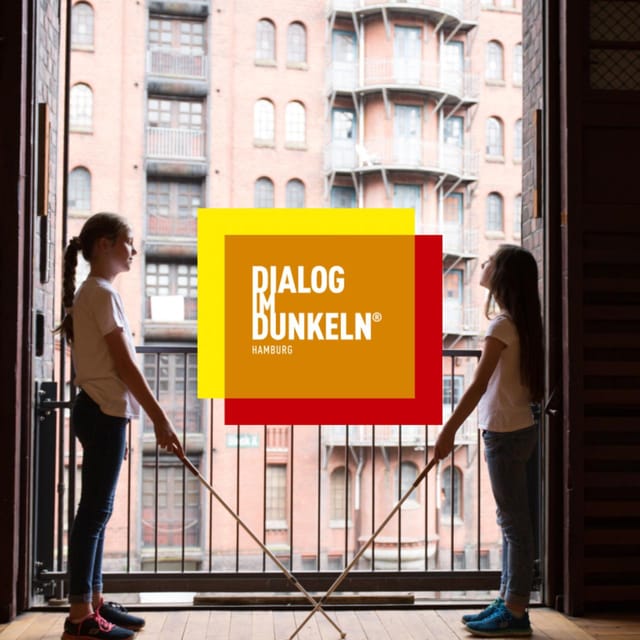
The most striking part of Dialog im Dunkeln is simple: you enter a world with no light at all, then trust a blind guide to lead you through it. With a cane in hand, you cross imagined streets, feel your way through daily tasks, and discover how quickly hearing, touch, and smell move to the front of your mind.
I like the small group of up to eight, which gives the guide room to keep everyone together and answer questions. I also like the Dark Bar, where you can talk through the experience with your guide instead of simply walking out and moving on to the next sight.
The main thing to consider is that complete darkness can feel unsettling, especially if you dislike tight group settings or losing visual control. This is not an exhibition you can explore at your own pace. The guide leads every step, and flash photography is not allowed.
Key points to know before you go
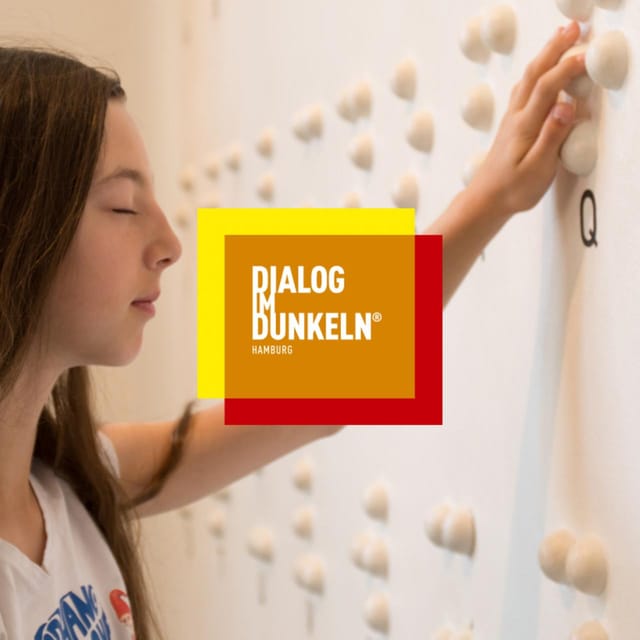
- A blind guide leads the way: Guides such as Jeremy and Klaus have been praised for their friendly, open approach and helpful explanations.
- Complete darkness changes ordinary tasks: Crossing a street, walking on gravel, or buying something becomes a hands-on exercise in listening and feeling.
- The tour lasts 60 minutes: That is enough time for a strong impression without taking half a day from your Hamburg plans.
- The Dark Bar extends the conversation: Your drink is not included, but the chance to ask questions and compare impressions adds real value.
- The $28 price pays for more than entry: You are paying for a carefully led sensory experience and a direct conversation about life without sight.
- Comfortable shoes matter: You will be walking and using a blind cane, so leave the fancy footwear in your suitcase.
What Dialogue in the Dark asks you to do
At Dialoghaus Hamburg, the usual museum rules are turned upside down. You do not look at displays, read labels, or stand back to admire an object. Instead, you enter complete darkness and work out where you are by listening, touching, smelling, and following spoken instructions.
A blind or visually impaired host leads your group. That detail matters. The guide is not simply providing directions through a dark room. The guide is showing you a way of dealing with surroundings that sighted people usually take for granted.
You receive a blind cane and move together through several everyday settings. The exact order and details can vary, but the activities described include walking through a park, crossing a city street, feeling different surfaces, and handling a simple buying task. None of these actions sounds difficult in daylight. In darkness, each one becomes a small puzzle.
I like the way this changes your attention. You may notice the crunch of gravel under your shoes, the direction of a voice, the shape of an object, or the feel of a surface before you know what it is. The experience does not ask you to pretend that blindness is easy. Instead, it gives you a short, safe chance to notice how much work your eyes normally do.
A few more Hamburg half-days to weigh up
- Hamburg: Sex and Crime in St. Pauli Tour for Ages 18+
★ 4.7 · 15,447 reviews - Hamburg: 1.5-Hour Harbor and Speicherstadt Day Cruise
★ 4.6 · 14,200 reviews - Hamburg: 90-Minute Evening Lights Harbor Cruise
★ 4.5 · 7,728 reviews
Meeting the guide in the dark
The experience begins when you exchange your voucher at the ticket counter before the tour. After that, you join a small English-language group and receive guidance before entering the exhibition.
The group size is limited to eight people. That is one of the best practical features here. In total darkness, a large crowd would make every movement harder and every question less personal. A compact group lets the guide keep track of everyone and gives you a better chance to speak during the final discussion.
Guides including Jeremy and Klaus have been singled out for being warm, friendly, and open. You should expect the host to do more than steer you from room to room. The guide may help you understand how to use the cane, how to orient yourself, and how to approach an ordinary task without sight.
You should also expect some laughter. That is not a sign that the subject is being treated lightly. When a basic action suddenly becomes difficult, people often laugh from surprise or nerves. A good guide helps turn that nervous energy into curiosity and conversation.
The important point is that you remain part of a group. You are not left to find your own way, and you cannot wander off to inspect the rooms alone. Dialogue in the Dark is a guided experience from start to finish.
Walking through a park without seeing it
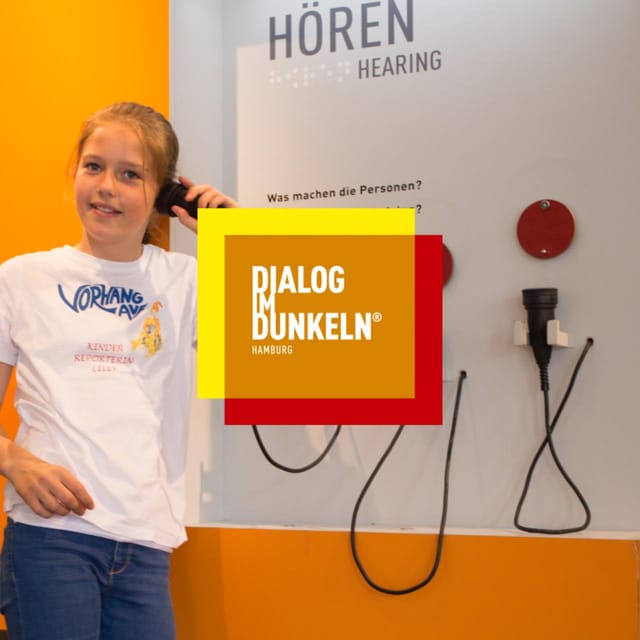
One section recreates the feel of a park. You might notice gravel beneath your feet and use the sound of your cane to build a rough sense of the space around you.
In daylight, a park is easy to read at a glance. You see the path, the edges, the people ahead, and any obstacle in your way. Without sight, you need to pay closer attention to changes in the ground and to the guide’s voice. You may also find yourself listening for the movement and sounds around the group.
This part is valuable because it shows how much information can come from the ground itself. A smooth floor and a rough surface create very different signals through your shoes and cane. The shift from one texture to another can tell you that the setting has changed, even when you cannot see a single detail.
Wear comfortable shoes. That is not just a general suggestion for a walking tour. You will be moving through the exhibition with reduced visual control, and comfortable footwear helps you concentrate on the activity instead of your feet.
Crossing an unseen city street
The city street section turns sound into your main source of information. You may hear the sounds of traffic and take part in a simulated crossing, relying on your guide and your ears rather than a visual check.
This is one of the clearest examples of how the experience works. You are not simply placed in a black room and told to imagine life without sight. You are given a familiar task, then asked to approach it in a completely different way.
The exercise can be both funny and sobering. A routine crossing becomes something that demands patience, communication, and trust. You may find yourself listening to sounds you normally ignore. You may also gain a better sense of why clear spoken directions and careful attention matter in public spaces.
The activity is designed to challenge assumptions about disability without turning the guide into a lecture. Your host remains the person in control of the route, and you learn by doing. That hands-on method is likely to stay with you longer than a standard display panel.
Same city, a completely different sort of afternoon:
- Hamburg: 2-Hour XXL Port of Hamburg Cruise Tour
★ 4.7 · 6,979 reviews - Hamburg: Line A Sightseeing Hop-On Hop-Off Bus Tour
★ 4.6 · 6,958 reviews - Hamburg: Elbphilharmonie Plaza Guided Tour
★ 4.7 · 5,882 reviews - Hamburg: Hamburg Dungeon Admission Ticket
★ 4.7 · 5,745 reviews
The surprising difficulty of buying something
A buying activity brings the idea of non-visual navigation into a social setting. You may need to identify objects, handle money or goods, and communicate with others while unable to see what is in front of you.
This is a clever part of the tour because shopping feels so ordinary. Sighted people often scan shelves, read signs, check prices, and recognize objects in seconds. Remove those visual shortcuts, and a basic purchase requires questions, touch, memory, and trust.
The activity also shows why communication matters. You have to explain what you need and listen closely to the response. You might find yourself asking for help in a more direct way than usual, which can be a useful reminder that accessibility often depends on both practical design and respectful human interaction.
Do not expect a full shopping trip or a long commercial scene. The point is the change in your own behavior. A small task becomes memorable because your normal method has disappeared.
What your other senses begin to notice
After several minutes, you may start to listen differently. Voices become markers of location. Footsteps indicate movement. The cane gives you information about surfaces and edges. Your hands become more important, and smells may help distinguish one setting from another.
The experience does not claim that sighted people can fully understand blindness after one hour. That would be too much to ask from any attraction. What it can do is interrupt your usual habits and help you think about how people with visual impairments navigate a world built largely around sight.
That distinction makes the tour worthwhile. You are not being asked to win a challenge or prove that you can manage without vision. You are being guided through a set of situations that reveal how dependent you are on looking, then encouraged to think about different skills and forms of independence.
The strongest part is the human contact with the guide. The exhibition creates the setting, but the conversation gives it meaning. You can ask about things that occur to you during the tour and hear directly from someone who has experience living without full sight.
The Dark Bar and the conversation afterward
At the end, you gather with your group and guide at the Dark Bar. The room gives you a chance to relax, share impressions, and ask questions while the experience is still fresh.
Your drink is not included in the $28 price, so budget a little extra if you want to order one. Even so, I consider the bar an important part of the visit rather than a throwaway add-on. The tour raises practical and personal questions, and the bar gives you time to discuss them.
You may want to ask how the guide manages particular daily tasks, what assumptions sighted people often make, or which parts of the exhibition reflect real challenges. The supplied information does not promise a formal question-and-answer session with a fixed list of topics, but it does make clear that you can speak with the guide and compare impressions with the group.
This is also where the experience can become more social. You may arrive with family or friends, then discover that each person noticed different sounds, textures, or moments of uncertainty. That makes the final drink useful even if you normally skip post-tour refreshments.
Is $28 a fair price?
At about $28 per person, Dialogue in the Dark costs more than a quick museum visit, but the comparison is not quite fair. You are paying for a one-hour guided production, a blind host, a controlled route through several settings, and the chance to discuss the experience afterward.
The value depends on what you want from Hamburg. If you are looking for famous views, historic rooms, or a large collection, this is not the right use of your money. If you want an unusual activity that asks you to participate rather than simply observe, the price is easier to justify.
The small group helps. A limit of eight means your admission fee supports a more personal format, with less waiting and a better chance to communicate with the guide. The Dark Bar adds another layer, although you need to pay separately for drinks.
At one hour, the experience also fits neatly into a busy day. You can schedule it between other Hamburg activities without giving up an entire afternoon. Check the available start times when booking, since the tour runs at set times rather than as an open-door attraction.
Free cancellation is available up to 24 hours before the start, and you can reserve now and pay later. Those terms are useful if your Hamburg schedule is still shifting.
Who will get the most from this experience?
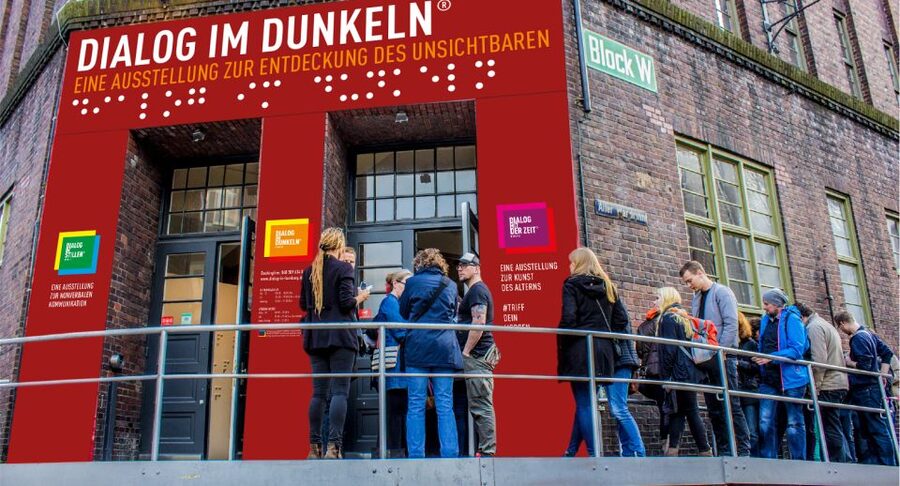
I would recommend Dialogue in the Dark to adults, older children, couples, families, and friends who want a thoughtful activity with a strong human element. It can be especially meaningful if someone in your family has a visual impairment, since the experience gives you a practical way to discuss how ordinary surroundings can feel and how people adapt.
It also suits curious visitors who have already seen plenty of churches, squares, and galleries. Hamburg has no shortage of conventional sightseeing. This offers a different kind of memory, one based on sound, touch, trust, and conversation.
You should think twice if total darkness is likely to cause serious distress. The guide leads you through the experience, but the lack of visual control is the whole point. You also need to be comfortable staying with a group and following spoken directions.
This is not a self-guided attraction. You cannot enter, switch on a phone light, and explore at your own pace. Flash photography is forbidden, and in practice a phone is of little use inside the dark areas anyway.
English is available, and the activity is described as an English-language tour. Bring comfortable shoes and leave bulky distractions behind as much as possible so you can pay attention to the sounds and surfaces around you.
A few practical ways to prepare
Arrive with an open mind, but do not expect to feel calm every second. A little uncertainty is built into the experience, and it helps to accept that you will move more slowly than usual.
Listen carefully to the guide before entering the dark areas. The cane and the spoken instructions are your main tools. If you are unsure where to move, pause and ask rather than guessing.
If you attend with family or friends, try not to treat the hour as a competition. The point is not to see who can navigate fastest. Stay aware of the group and give others room to listen and find their footing.
Save your questions for the Dark Bar or ask them when the guide invites discussion. The final conversation can help you connect the activities with real life instead of leaving with only the memory of a clever attraction.
Should you book Dialog im Dunkeln?
Book it if you want a one-hour Hamburg experience that is unusual, social, and likely to change how you think about sight. The blind guide, small group, everyday settings, and Dark Bar discussion give the visit more substance than a simple novelty attraction.
Skip it if you want a relaxed activity where you can wander alone, take photographs, or rely on your eyes. Complete darkness is not a minor feature here. It is the entire format.
For most people who are comfortable with that challenge, the $28 fee is reasonable. You leave with more than a short story about walking in the dark. You leave thinking about how sound, touch, patience, and good communication shape the way people move through the world.
FAQ
Where does Dialogue in the Dark take place?
The experience takes place at Dialoghaus Hamburg in Hamburg, Germany.
How long does the tour last?
The guided experience lasts 60 minutes. Check the available start times when booking.
Is the tour conducted in English?
Yes. The live tour guide and activity language are English.
How large is the group?
The group is limited to eight participants.
Can I explore the exhibition on my own?
No. Dialogue in the Dark is an experiential exhibition in complete darkness and must be explored with a guide.
What should I bring?
Bring comfortable shoes. Flash photography is not allowed.
Is a drink at the Dark Bar included?
No. Drinks at the Dark Bar are not included in the admission price.
Can I cancel my booking?
Yes. You can cancel up to 24 hours before the experience for a full refund. You can also reserve your place and pay later.
Just added around Hamburg
- Free Tour: Port, Red Light District and Beatles. You decide how much to pay at the end★ 3.9 · 13 reviews
- Hamburg: Guided Bike Tour★ 4.7 · 71 reviews
- Hamburg: Guided Port Walk for Families★ 4.6 · 191 reviews
- Express-Tour Panik City Udo Lindenberg Multimedia Experience★ 5.0 · 4 reviews
- Hamburg: Elphi Plaza Guided Tour with Störtebeker Beer★ 4.6 · 245 reviews
- Hamburg: Downtown, Alster & Creative Neighborhoods by Bike★ 4.5 · 217 reviews
- Die Kiez-Kapitän Reeperbahn & Beatles Kieztour Hamburg★ 4.9 · 178 reviews
- Die Kiez-Kapitän Hamburger Stadtführung & Speicherstadt Tour★ 4.8 · 37 reviews
Hamburg Tours, compared.

1.5-Hour Harbor and Speicherstadt Day Cruise
Read our review →


Browse the lists this tour appears in