
Review · GERMANY
Der Klassiker RAVENSBURGER STADTGESCHICHTE
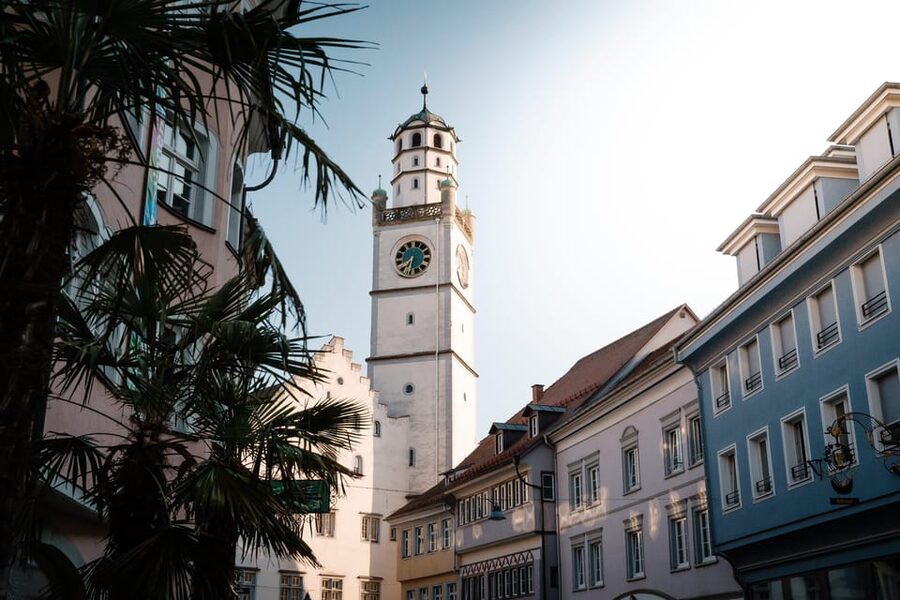
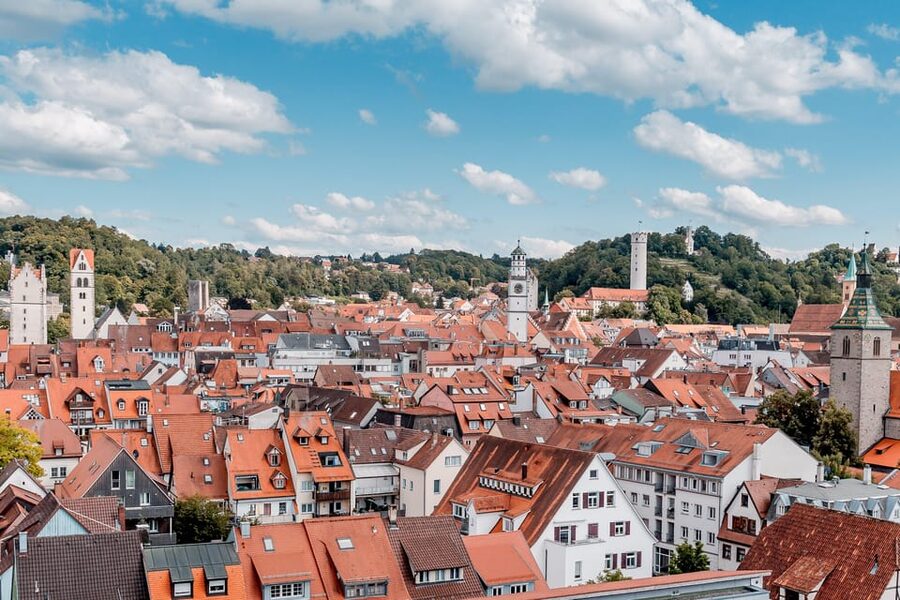
Ravensburg’s appeal is easy to grasp on this walk: it is a well-preserved medieval city of gates and towers, not a town where the old center has been reduced to a few isolated monuments. Streets, squares, churches, trading buildings, and old living quarters still form one connected historic setting.
I like the clear route from Marienplatz to the upper town, and I like the stop in the Humpis Quarter Museum, where medieval domestic life gives the city’s grand buildings a human scale. The main consideration is language: the live guide speaks German, so this tour works best if you can follow German conversation.
Key points
- Ravensburg’s old town remains the main attraction: Streets, squares, towers, and historic buildings are brought together in one walk.
- The tour covers major central sights: Stops include Marienplatz, Bachstrasse, the town hall, Kornhaus, and the Evangelical City Church.
- The Humpis Quarter adds everyday context: Medieval living quarters help you picture how people lived, not just where civic events took place.
- The guide keeps the pace lively: The German-language tour is designed to be informative, humorous, and flexible when the setting calls for it.
- The route takes 90 minutes: It gives you a useful first look without taking over your day.
- The finish at Obertor is practical: You end near one of Ravensburg’s defining gates and towers, in the upper town.
Why Ravensburg’s old town works so well on foot
Ravensburg grew in importance as an imperial city and as the home of the Ravensburger trading company. By the late Middle Ages, it had become a center for the Lake Constance region. That past is not confined to a museum label. It appears in the scale of the streets, the civic buildings, the market spaces, and the fortified edges of the town.
I find this kind of city walk useful because it gives you a framework before you explore alone. Without context, a tower is simply a tower and an old square is simply a pleasant place for a coffee. With a guide, you can connect those pieces to Ravensburg’s political and commercial role.
The route stays in the historic center and finishes at Obertor. That makes the tour a sensible first activity after arriving in town. You get an overview of the main sights, then you can return to the places that caught your eye.
The walk lasts 1.5 hours, or 90 minutes. That is long enough for a proper introduction, but short enough to fit before lunch, after a train arrival, or alongside another stop in the city.
Other Germany days people book on the same trip:
- Berlin: Reichstag, Dome and Government District Guided Tour
★ 4.7 · 18,288 reviews - Berlin: 1-Hour City Tour by Boat with Guaranteed Seating
★ 4.3 · 16,993 reviews - Hamburg: Sex and Crime in St. Pauli Tour for Ages 18+
★ 4.7 · 15,447 reviews
Starting at the Lederhaus and Tourist Information
The meeting point is the front entrance of the Tourist Information in the Lederhaus. This is a useful arrangement for a first-time visit because you do not need to search for an obscure monument or wait beside a particular tower.
From there, the guide takes you into Ravensburg’s Altstadt. The old town is the subject here, not a coach ride around the outskirts, so expect to cover the route on foot at street level.
I would arrive with comfortable shoes and a little time to spare. The activity is wheelchair accessible, but any historic center can include tight passages or uneven old paving. The supplied information confirms accessibility, yet it does not describe the exact surface conditions or any alternative route, so it is sensible to ask the local tourism office about current access needs before booking.
The guide speaks German. That point matters more than it might on a simple sightseeing stroll because the value comes from explanations about the city’s eras, buildings, and changing role. If you understand German well enough to follow a guided talk, you should get much more from the walk than you would by simply reading building names.
Marienplatz gives you the city’s public face
Marienplatz is one of the early stops. As a central square, it helps establish how Ravensburg functioned as a civic and commercial center. This is where the city’s public character comes forward: movement, trade, administration, and the visual weight of historic buildings around an open space.
The guide uses the square to place Ravensburg in time. You hear about the city’s origins and its most important periods rather than receiving a list of unrelated dates. That broad approach is useful if you are new to the town and want a story you can remember.
Look around before the group moves on. Notice how the square relates to nearby streets and buildings. The strength of Ravensburg is not one famous monument alone. It is the way the old center still reads as a city rather than as a collection of preserved facades.
Marienplatz also sets up the contrast between public and private life. Later, the Humpis Quarter Museum brings you into medieval domestic spaces. The tour moves from the city’s public face to the way ordinary rooms and living quarters fit into that larger setting.
Bachstrasse and the town hall show different sides of Ravensburg
Bachstrasse forms another part of the route. A street stop may sound less important than a church or tower, but this is where the shape of the old town becomes easier to understand. You experience the scale and direction of the historic streets rather than seeing them only from a square.
I like that the route includes streets as well as headline sights. A city’s character often appears in the transitions between landmarks. Bachstrasse helps you see how Ravensburg’s old center is linked together.
The town hall shifts attention back to civic power. Its place in the tour reflects Ravensburg’s status as an imperial city. The guide explains the city’s development and the forces that shaped it, giving the building more meaning than a quick photograph would provide.
The tour is not presented as a specialist architectural course, and that is probably the right balance for a 90-minute introduction. You should expect a readable account of Ravensburg’s development, with attention to the important buildings and periods, rather than a technical survey of every facade.
Same city, a completely different sort of afternoon:
- Hamburg: 1.5-Hour Harbor and Speicherstadt Day Cruise
★ 4.6 · 14,200 reviews - From Munich: Neuschwanstein & Linderhof Castle Full-Day Trip
★ 4.5 · 12,494 reviews - Dresden: Semperoper Tickets and Guided Tour
★ 4.7 · 12,102 reviews - Berlin: Boat Tour Along the River Spree
★ 4.4 · 11,252 reviews
Kornhaus connects the walk to trade
The Kornhaus is another central stop. Its name points to the practical side of urban life, while Ravensburg’s wider story includes trade and the rise of the Ravensburger trading company. Together, those themes remind you that medieval cities depended on storage, markets, movement, and business as much as on churches and walls.
This is one of the places where the tour’s background information becomes useful. Ravensburg became a regional center around Lake Constance because of its position and commercial importance. The buildings make more sense when you understand that the town was active, connected, and economically significant.
You do not need prior knowledge of the region to follow the story. The guide’s job is to explain how the city grew and why its old center looks the way it does today. The supplied feedback describes the style as concise, entertaining, humorous, and able to react to the setting. That suggests a walk with room for natural moments rather than a rigid recital.
The practical limit is that the tour cannot give every commercial detail in 90 minutes. If your main interest is the trading company itself, treat this experience as an introduction and use the city’s museums or information office for a longer look.
The Evangelical City Church adds a religious anchor
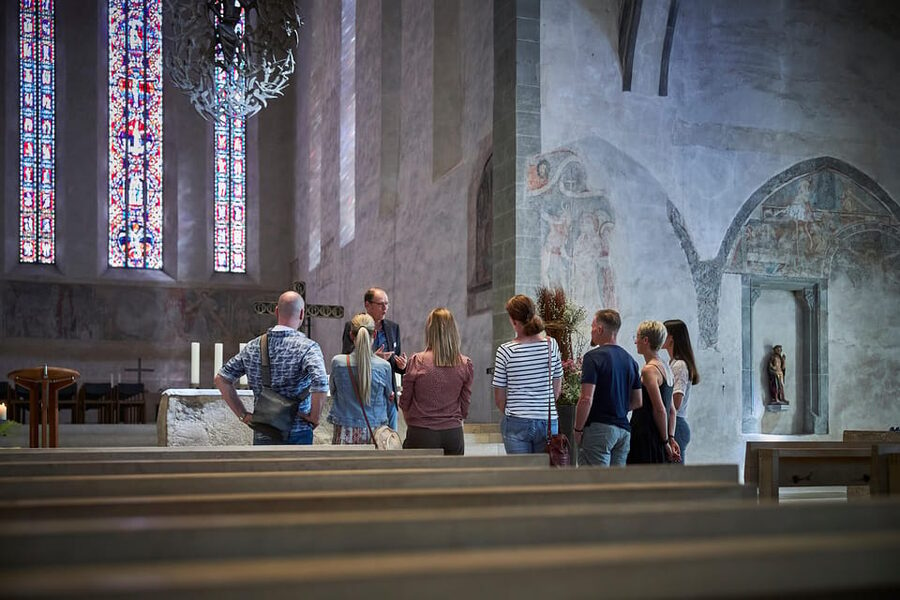
The Evangelical City Church is included among the stops. Churches help show how a medieval town organized both its skyline and its community life. From the outside, the building contributes to the historic profile. In the wider story of Ravensburg, it also helps mark the changes that came with different eras and religious traditions.
The tour’s focus is city history, so the church is part of a larger sequence. You are not booking a dedicated church-art tour, and the available details do not promise interior access or a specialist discussion of artworks. That is worth keeping in mind if church interiors are your main reason for visiting.
Still, the stop helps vary the walk. You move between civic spaces, commercial buildings, streets, and religious architecture. That range keeps the 90-minute route from feeling like a string of similar towers.
The upper town leads to medieval life in the Humpis Quarter
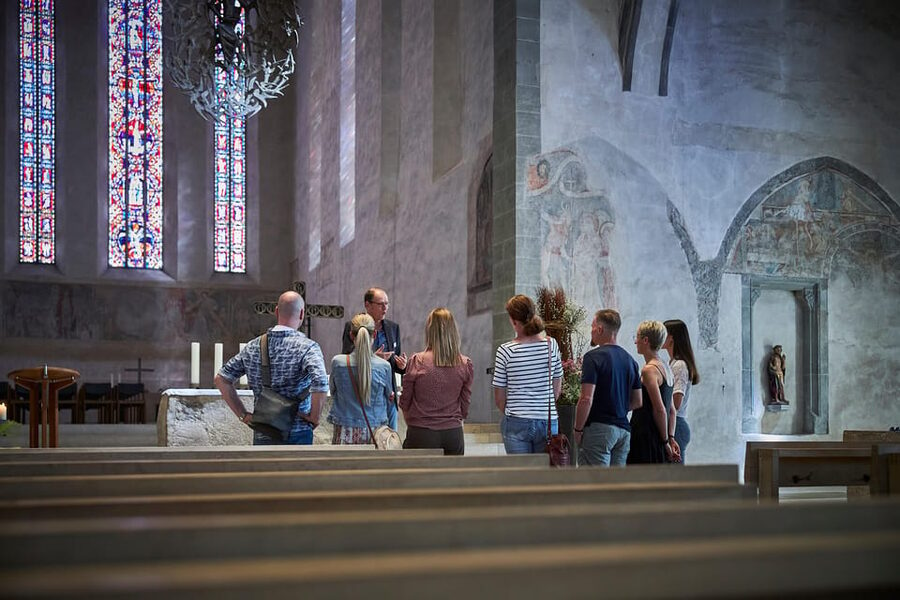
The route continues into the upper town and museum district. This is where Ravensburg’s height, fortifications, and historic neighborhoods become especially important. The tour ends at Obertor, one of the city’s defining gates and towers, so the final section has a clear sense of arrival.
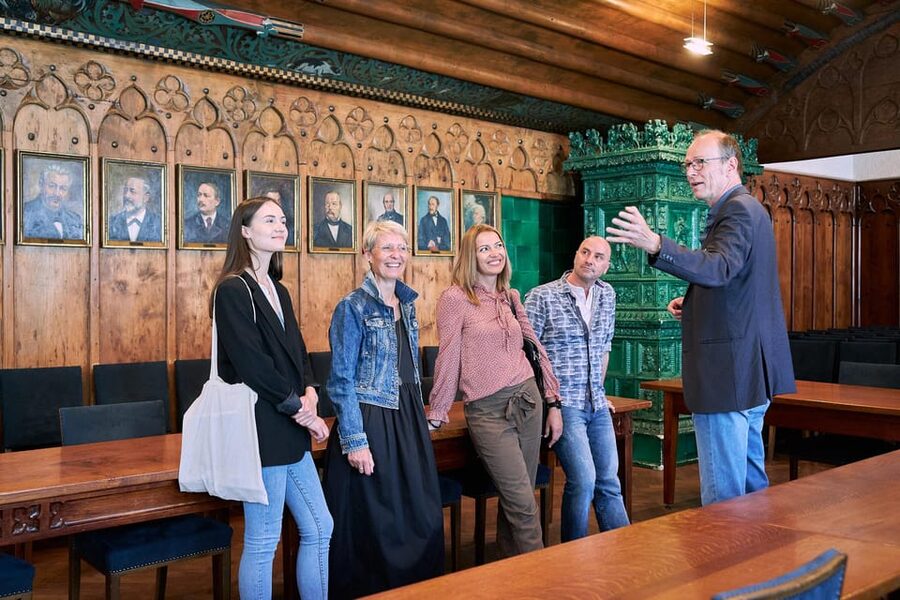
The Humpis Quarter Museum is a key highlight. Its medieval living quarters shift the story away from rulers, merchants, and civic institutions. You get a sense of rooms and domestic life, which makes the past easier to picture.
I value this part because grand old towns can sometimes feel polished but distant. Medieval living quarters bring the focus back to people and routines. They help answer the simple questions you naturally ask while walking through an old city: who lived here, how were these spaces used, and what did an urban home look like?
The information provided does not say that the tour includes a full museum admission or a separate extended museum visit. It identifies the museum district and medieval quarters as part of the experience, so you should think of this as a guided city walk with museum-related context, not a half-day museum program.
Ending at Obertor is also helpful for orientation. You finish with a strong visual marker and can then continue exploring the upper town on your own. The route does not return to the Tourist Information, so plan your next stop from Obertor rather than assuming you will finish where you began.
A guide style that keeps the history moving
The strongest praise attached to this experience centers on the guide’s delivery. The walk is described as informative without becoming heavy, with humor and flexibility added at the right moments. That matters in a historic city because dates and names can pile up quickly.
You should expect a German-language presentation that places buildings in context and adjusts to what is happening around the group. The supplied information does not provide the names of individual guides, so no particular guide can be requested based on the details available.
The tone appears to suit people who want more than a silent walk but less than an academic lecture. You get the city’s origins, major eras, key sights, and connection to the Lake Constance region in a manageable format.
If you speak only English, this is the main weakness. The old town can still be enjoyed independently, but the explanations are the product you are paying for. I would choose this tour only if you can understand German or are comfortable treating the walk mainly as a route through the sights.
Is $14 a fair price for 90 minutes?
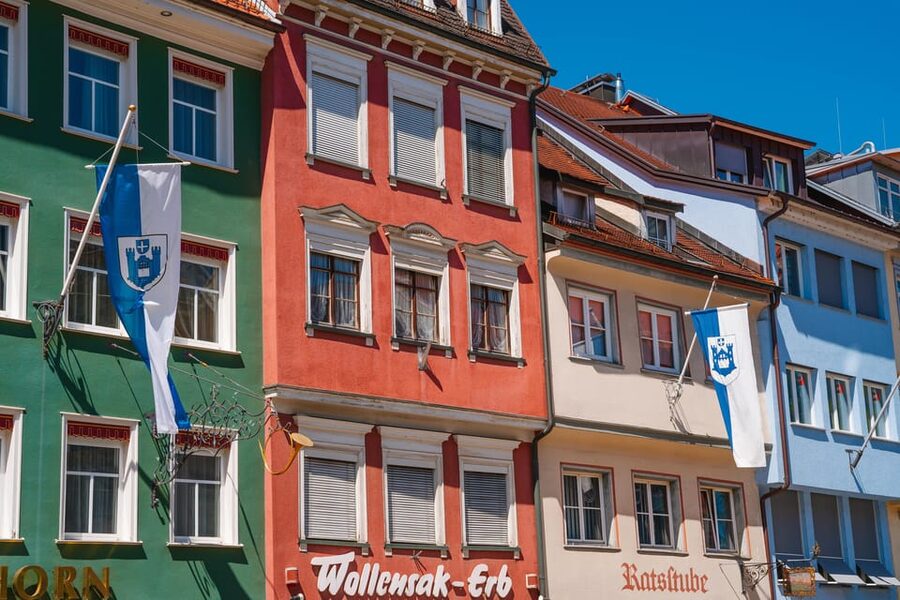
At $14 per person, the cost is reasonable for a guided introduction to a preserved historic center. You are paying for a live guide, a planned route, and historical context across several significant locations rather than for entry to one major attraction.
The value is highest if you are visiting Ravensburg for the first time. In 90 minutes, you cover the old town, important civic and religious buildings, the upper town, the museum district, and Obertor. Recreating that route alone is easy enough, but finding the same historical connections would take more preparation.
The value is lower if you already know Ravensburg well or want extended time inside museums. This is an overview, not a full-day program. Its strength is range and orientation.
The booking terms also reduce the risk of fitting it into a changing day. You can cancel up to 24 hours in advance for a full refund, and the reserve-now, pay-later option lets you hold a place without paying at once. Starting times depend on availability, so check the schedule before building the rest of your day around it.
Who should book this Ravensburg city walk?
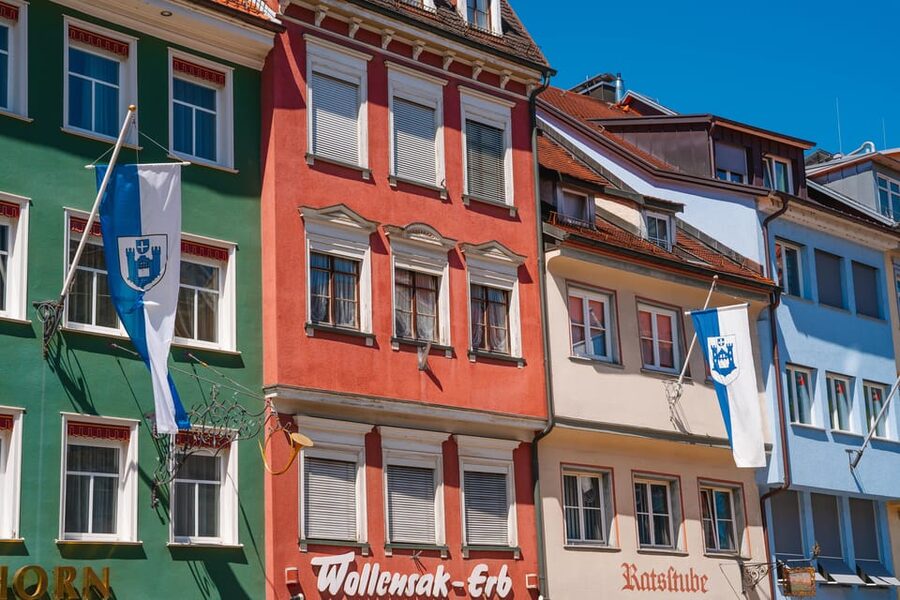
I would recommend it to first-time visitors who want the old town explained in a clear sequence. It is also a good match for anyone interested in medieval urban life, fortified city centers, regional trade, or the connection between grand civic buildings and ordinary homes.
Families and mixed-age groups may appreciate the 90-minute length and the humor in the presentation. The route has enough variety to hold attention: squares, streets, the town hall, Kornhaus, a church, the upper town, and medieval living quarters.
It also suits visitors with limited time in Baden-Württemberg. Ravensburg’s historic core can be hard to judge from a quick independent walk. This tour gives you a useful map of the place, then leaves the rest of your day free.
I would skip it if you need an English-language guide, a private tour, a deep examination of one building, or a long museum visit. None of those features is promised here.
Should you book Der Klassiker Ravensburger Stadtgeschichte?
Book it if you want a lively German-language introduction to one of southern Germany’s best-preserved historic cities. The strongest reasons are the connected old town route, the clear coverage of Ravensburg’s major sights, and the Humpis Quarter’s glimpse of medieval home life.
At $14, it is a sensible purchase for a first visit, especially when you have only a day or part of a day. Just confirm that the German-language format suits you and remember that the walk ends at Obertor, not back at the Tourist Information.
FAQ
Where does the tour begin?
It begins at the front entrance of the Tourist Information in the Lederhaus.
Where does the tour finish?
The tour finishes at Obertor Ravensburg in the upper town.
How long does the tour last?
The guided city tour lasts 90 minutes, or 1.5 hours.
What language is the tour offered in?
The live tour guide speaks German.
Is the tour wheelchair accessible?
Yes, the activity is listed as wheelchair accessible.
What sights are included?
The route includes Marienplatz, Bachstrasse, the town hall, the Kornhaus, the Evangelical City Church, the upper town, and the museum district, including the medieval living quarters of the Humpis Quarter Museum.
How much does the tour cost?
The listed price is $14 per person.
Just added around Germany
- From Berlin: Gardens & Palaces of Potsdam Bike Tour★ 5.0 · 61 reviews
- Berlin: Battle for Seelow Heights WW2 tour -Clash of Titans★ 5.0 · 27 reviews
- From Amsterdam: Cologne Private Sightseeing Tour★ 5.0 · 4 reviews
- From Berlin: Historical Gems of Potsdam Private Day Trip★ 4.4 · 4 reviews
- Freiburg: Veni, vidi, vino – wine hike and tasting★ 4.5 · 144 reviews
- From Alken: Return Day Trip by Boat to Cochem★ 4.6 · 141 reviews
- Fritz Haarmann – Die Mördertour★ 4.6 · 41 reviews
- Freiburg: Tour of the city with cathedral visit★ 4.7 · 167 reviews