
Review · MUNSTER TOURS
Münster: Private Guided Sculptures Tour on a Rickshaw
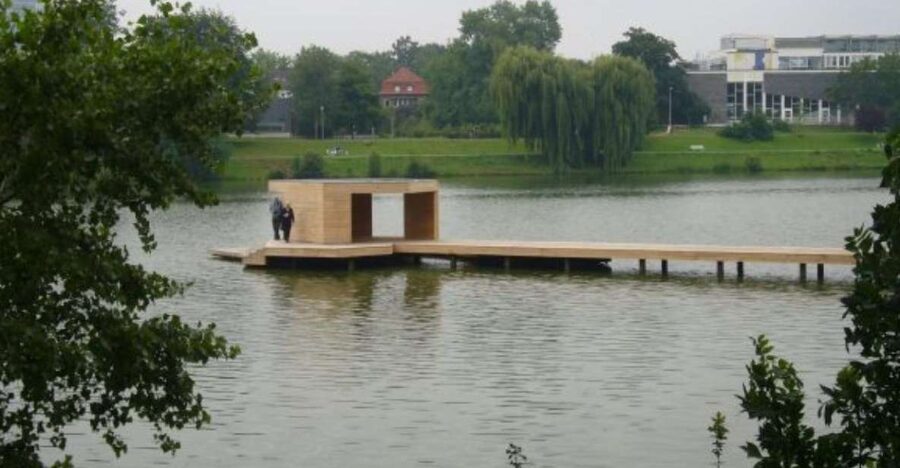
Münster’s best art collection is spread across its streets, parks, and courtyards. This private rickshaw tour brings that open-air gallery into focus, from Donald Judd and Claes Oldenburg to Rosemarie Trockel and Martha Rosler. The unusual part is the project itself: since 1977, Münster has hosted a major sculpture event every 10 years, and many works have remained in the city.
I like the private format, since your guide can explain a work instead of giving a one-size-fits-all speech to a crowd. I also like the rickshaw, which lets you cover more ground than you would on foot without turning the outing into a formal museum visit. The main consideration is time: 90 minutes can feel short if you want long stops at every sculpture or extra time simply riding around Münster.
Key points
- Permanent outdoor art: See works left behind by Münster’s Sculpture Projects, a cycle held every 10 years since 1977.
- Private rickshaw ride: Travel between public parks, streets, and courtyards without committing to a large group.
- Major modern artists: The route can include Donald Judd, Claes Oldenburg, Bruce Nauman, Rosemarie Trockel, Martha Rosler, and others.
- City Hall starting point: Meet beside the rickshaw in front of the historic Old City Hall.
- German or English guiding: Guides include Barbara and Beate, whose warm manner and background in the sculptures have been particularly appreciated.
- Useful for families: Children can enjoy the moving ride and the unusual shapes, while adults get the art and city context.
Why Münster’s sculpture collection is different
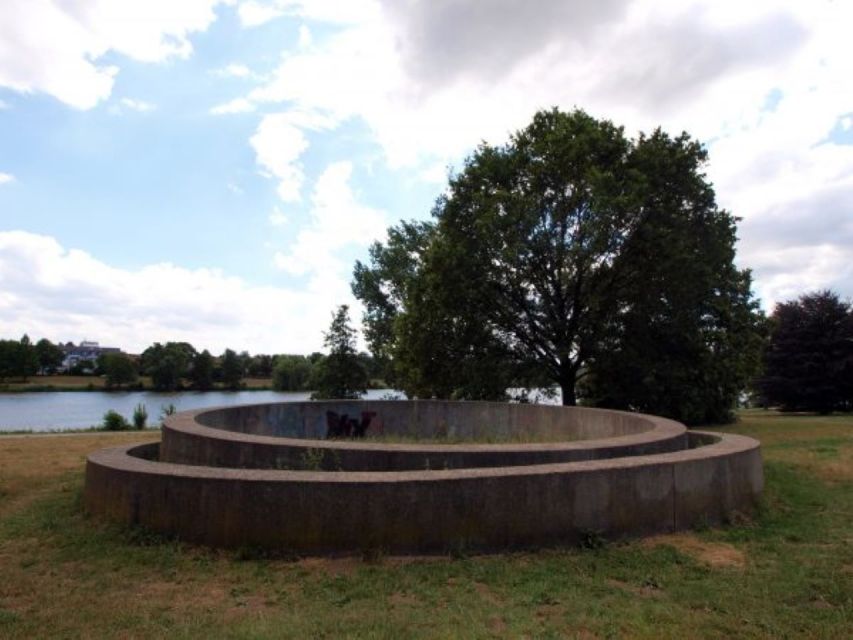
Münster does not simply place a few statues around town and call it an art walk. Its Sculpture Projects began in 1977 and return every 10 years, creating a long-running conversation between contemporary art and the city.
The important detail is that sculptures from each edition remain in Münster. You are not viewing a temporary exhibition that disappears after a summer. You are seeing art that has become part of the streets, parks, and courtyards you pass through.
That gives the tour a useful second layer. Your guide is not only identifying an artist or explaining a strange shape. You are also learning why a work was placed in a particular urban setting and how it changes the way people use or see that place.
Some pieces may look plain at first. Others may seem playful, oversized, puzzling, or almost invisible. A guide helps you pause before making a quick judgment. That is one reason this tour works better than simply finding a list of sculptures online and walking past them alone.
A few more Munster half-days to weigh up
- Münster: Old Town Highlights Guided Tour
★ 4.7 · 286 reviews - Münster: Nachtwächter-Führung (Erlebnistour)
★ 4.4 · 213 reviews - Münster: Private Guided Rickshaw City Tour
★ 4.8 · 143 reviews
Meeting beside the Old City Hall
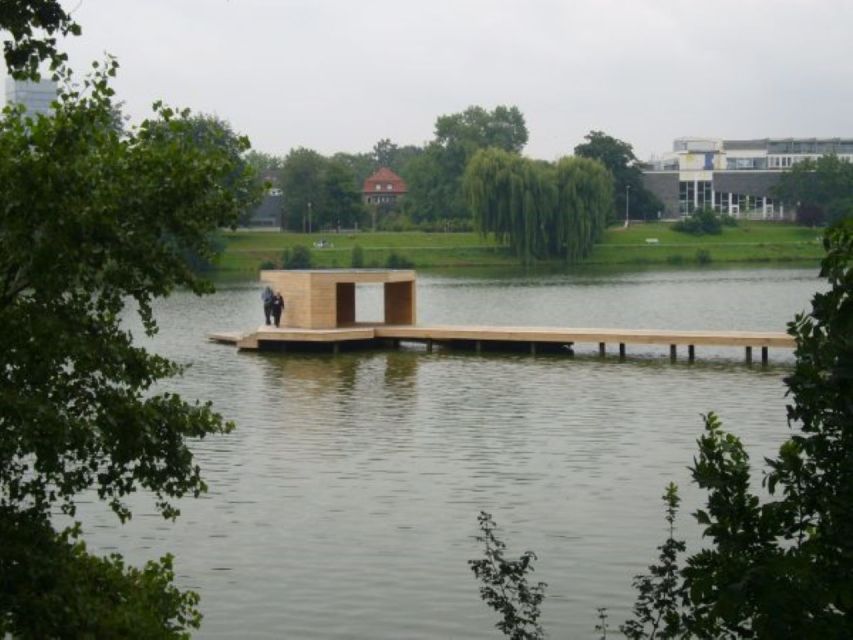
The tour begins in front of Münster’s historic City Hall, with the guide standing next to the rickshaw. This is a practical meeting point in the old center, and it gives the tour a clear starting marker rather than sending you to an obscure side street.
Your guide introduces the city and the Sculpture Projects before you set off. The City Hall stop also supplies an early reminder that Münster’s public art does not exist separately from its past. The route combines the old civic center with modern works that challenge familiar ideas about what a sculpture should be.
Guides Barbara and Beate are associated with especially friendly, engaging tours. Barbara is noted for explaining both the artworks and their meaning within Münster’s city scene, while Beate is praised for a warm manner and strong command of the subjects. Since guide assignments can vary, you should treat those names as examples rather than a guarantee of who will lead your ride.
What the rickshaw adds to the experience
A rickshaw changes the pace in a useful way. You are not walking from one isolated work to another with a map in hand, and you are not rushing through a museum room. You can sit back while the guide connects the stops and points out the city along the way.
The private group setup matters here. Public art often leads to questions such as why a work is in that location, what materials it uses, or how local people responded to it. With a private guide, you have room to ask those questions and steer the conversation toward your own interests.
The ride also lets you see more of Münster in 90 minutes. That is helpful if you have only a short stay or want a quick orientation before exploring on foot. One German-language assessment called the ride itself worthwhile and noted that it revealed new parts of Münster.
There is a tradeoff. A rickshaw is a vehicle, not a private viewing room. You may get only a limited amount of time beside some works, and the focus is on a selected route rather than a full survey of every piece in the city. If you want to study one sculpture at length, you may prefer a walking visit afterward.
The artists you can expect to encounter
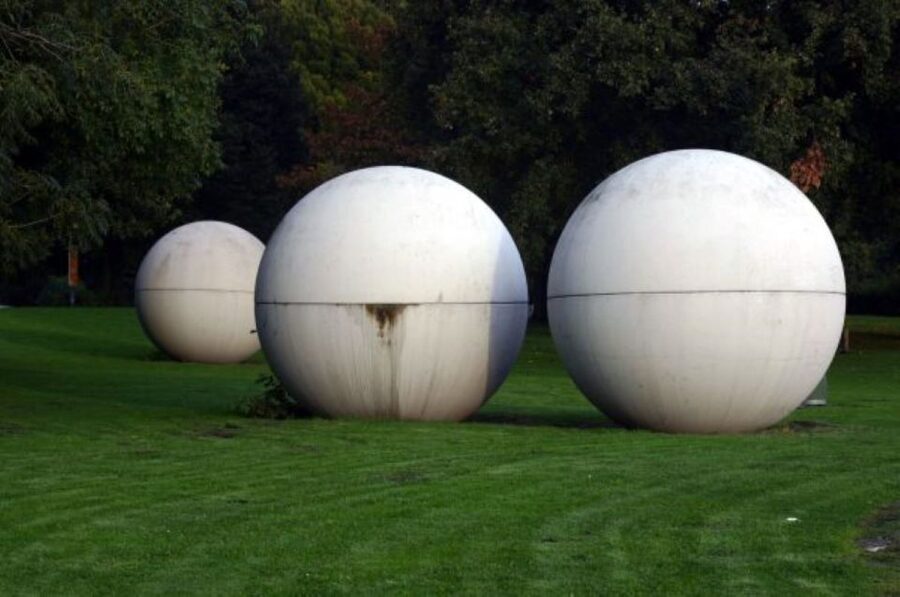
The experience includes work connected with a wide range of modern and contemporary artists. The exact order of stops is not specified, and the tour should not be treated as a promise that every named artist receives the same amount of attention. Still, the list gives you a good sense of the artistic range.
Donald Judd is known for clean forms and a direct use of industrial materials. His work can look simple, but its scale, placement, and relationship to nearby buildings matter. Seeing such a piece outside helps you understand why Münster’s setting is part of the artwork.
Claes Oldenburg brings a more playful approach. His sculptures often enlarge or transform familiar objects, making ordinary things look odd in a public place. That is an easy entry point for families and for anyone who feels uncertain about modern art.
Rosemarie Trockel and Martha Rosler add different kinds of social and visual questions. A guide can help you consider how gender, domestic life, public space, and everyday experience enter contemporary art without turning the stop into a classroom lecture.
The route may also include artists such as Bruce Nauman, Jorge Pado, Per Kirkeby, Ilya Kabakov, Thomas Schütte, and Daniel Buren. That is a broad group, and their works do not all ask the same thing of you. Some reward attention to form and structure. Others depend more on location, memory, or an idea that becomes clear only after explanation.
The real benefit is variety. You are unlikely to spend the whole 90 minutes looking at similar objects. The changing styles keep the ride moving and give your guide several ways to explain how public art works.
Same city, a completely different sort of afternoon:
- Münster: Night watchman tour through the picturesque old town by lantern light
★ 4.8 · 65 reviews - Münster: Beer Tasting Rickshaw Tour
★ 4.7 · 56 reviews - Private Christmas Tour in Münster including Glühwein
★ 4.9 · 54 reviews - Münster: Old Town Historical Walking Tour by “Geo Epoche”
★ 4.7 · 51 reviews
Parks, streets, and courtyards as galleries

The Sculpture Projects are spread through everyday parts of Münster. You may see art in a park, beside a street, or in a courtyard rather than behind a ticket desk. That placement is central to the experience.
A museum tells you where to look. A city often does not. A sculpture in a courtyard may reveal a space you would otherwise pass without noticing. A work beside a street can alter your sense of distance, movement, or scale. The guide’s job is to point out those relationships so you see more than an object sitting on a platform.
This also makes the tour feel connected to local life. You are not visiting an isolated art attraction and then returning to the city. You are seeing how art shares space with daily routines, historic buildings, paths, and public gathering places.
There can be minor distractions in an outdoor setting. Weather, traffic, or activity around a sculpture may affect how long you stop. Bring clothing suited to the forecast. The ride is still outdoors, and the tour does not promise an indoor alternative.
How the history fits the art
The guide explains Münster’s past as you move through the city, but the tour is not presented as a full historical walking tour. Its history lessons support the sculptures and the places around them.
That balance is useful. You learn enough about the city to understand why a piece feels surprising in its setting, without spending the entire outing on dates and buildings. The starting point at City Hall gives the historical side a natural introduction, then the contemporary works shift your attention toward how a city keeps changing.
I especially like this combination for people who normally find modern art hard to approach. You do not need prior art training. The guide gives you a way into each piece through its location, artist, idea, or connection to Münster.
The strongest guides make room for your own response. A sculpture does not need to become instantly attractive or fully explained. Sometimes the useful result is simply learning why a work was kept, what it asks of the public, and how your first impression changes after hearing its background.
Is 90 minutes enough?
For a first look, yes. The 90-minute length is long enough to introduce the Sculpture Projects, ride through several parts of Münster, and discuss a range of artists without taking up half your day.
It is not enough for a complete catalogue of the collection. You should expect a selection of important works and a guided overview, not a stop at every surviving sculpture. One direct piece of feedback wished for more time, which makes sense if you enjoy both the art and the rickshaw ride.
I would plan this as an opening activity. Afterward, you can return to the sculpture that interested you most and spend more time with it on foot. That approach makes the short format an advantage rather than a problem.
The tour also works well at the beginning of a Münster visit because it helps you notice public art during the rest of your stay. Once your guide has shown you how the project works, you may spot additional pieces while walking around town.
Who will get the most from this tour?
This outing suits you if you want art explained in plain language rather than a highly academic lecture. It is also a good choice if you like seeing a city from a moving seat and want a private experience for your own party.
Families can benefit from the variety. Children may respond to the unusual sizes and shapes, while adults can follow the historical and artistic ideas. A family with children received a particularly positive response from the tour, and the private format gives you more freedom to ask questions or keep the pace comfortable.
It is also useful for first-time visitors who want a quick sense of Münster beyond its most obvious sights. The rickshaw helps you cover ground, and the guide introduces parts of the city you might not reach on a short walk.
I would be more cautious if your main goal is silent, close study of contemporary art. You will be moving between sites, and the tour has a city-orientation element. An art specialist seeking long discussions of every artist may want a museum visit or a self-guided follow-up.
Price, flexibility, and practical value
At $58 per person, the price is easiest to justify when you are traveling as a small private party and value personal attention. You are paying for a 90-minute rickshaw ride, a live guide, transport between outdoor works, and an introduction to one of Münster’s defining cultural projects.
The value is less about the distance covered than the interpretation. You could walk around Münster for free, but you would not automatically understand the background of the Sculpture Projects or know which works deserve a closer look. The guide turns scattered objects into a connected visit.
You can reserve now and pay later, which helps if your schedule is still shifting. Free cancellation is available up to 24 hours before the tour for a full refund. Starting times vary, so check availability before planning the rest of your day.
German and English tours are offered. Wear weather-appropriate clothing, since the experience takes place outdoors. Meet in front of City Hall, next to the rickshaw, and allow enough time to identify the guide and vehicle at the meeting point.
My call: book it for context, not a complete art survey
I would book this tour if I had 90 minutes in Münster and wanted an easy, human introduction to the city’s public art. The combination of a private ride, good local explanation, and permanent Sculpture Projects gives you something more useful than a quick circuit of photo stops.
Book it especially if you are with family, prefer a relaxed ride to a brisk walk, or want to understand why modern sculptures remain in ordinary city spaces. Guides such as Barbara and Beate add the warm, personal side that makes this kind of experience work.
Skip it if you already know Münster’s sculpture collection well or want to spend a long time with only one or two works. For everyone else, the best plan is to use the ride as a first chapter, then revisit your favorite sculpture on foot.
FAQ
Where does the rickshaw sculpture tour begin?
Meet the guide in front of Münster’s City Hall. The guide will be standing next to the rickshaw.
How long does the tour last?
The private rickshaw tour lasts 90 minutes.
What is the price?
The listed price is $58 per person.
Is this a private tour?
Yes. The experience is arranged for a private group.
Which languages are available?
The live guide can conduct the tour in German or English.
Which artists might I see?
The tour can include works by Donald Judd, Jorge Pado, Claes Oldenburg, Bruce Nauman, Rosemarie Trockel, Martha Rosler, Per Kirkeby, Ilya Kabakov, Thomas Schütte, and Daniel Buren.
What is special about Münster’s Sculpture Projects?
The Sculpture Projects take place every 10 years, beginning in 1977. Works from the projects have remained in Münster after each event.
Will the tour include indoor museums?
The experience focuses on outdoor artworks in public parks, streets, and courtyards. The provided details do not list an indoor museum visit.
What should I bring?
Bring weather-appropriate clothing because the tour takes place outdoors.
Can I cancel the booking?
You can cancel up to 24 hours in advance for a full refund. You can also reserve now and pay later.
Just added around Munster
- Private crime city tour by rickshaw including guide★ 5.0 · 21 reviews
- Münster Private Guided Walking Tour★ 4.5 · 18 reviews
- Münster: Old Town Historical Walking Tour by “Geo Epoche”★ 4.7 · 51 reviews
- Münster: Private pub crawl with insider guide & free shots★ 4.6 · 11 reviews
- Münster Old Town: Outdoor Escape Game★ 4.1 · 14 reviews
- Münster Escape Tour Kreuzviertel★ 4.2 · 8 reviews
- Münster: Old Town Crime Mystery Tour★ 4.0 · 35 reviews
- Münster: Beer Tasting Rickshaw Tour★ 4.7 · 56 reviews
Munster Tours, compared.
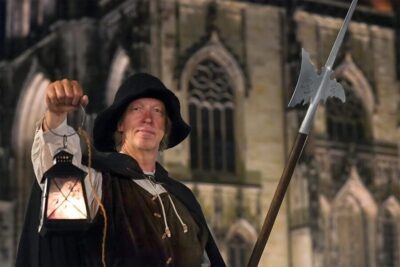
Night watchman tour through the picturesque old town by lantern light
Read our review →
Private Christmas Tour in Münster including Glühwein
Read our review →
Old Town Historical Walking Tour by “Geo Epoche”
Read our review →
Browse the lists this tour appears in