
Review · MANNHEIM TOURS
Mannheim, guided walking tour: Industrial culture at the commercial port
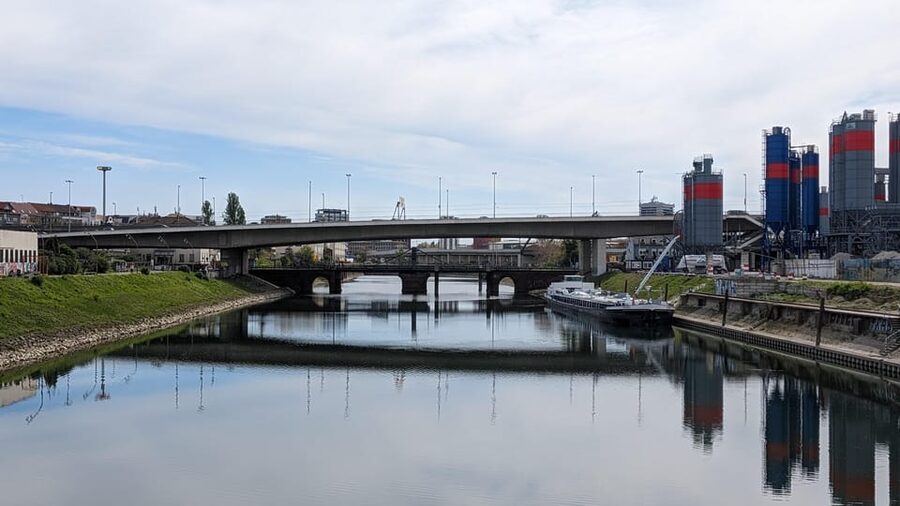
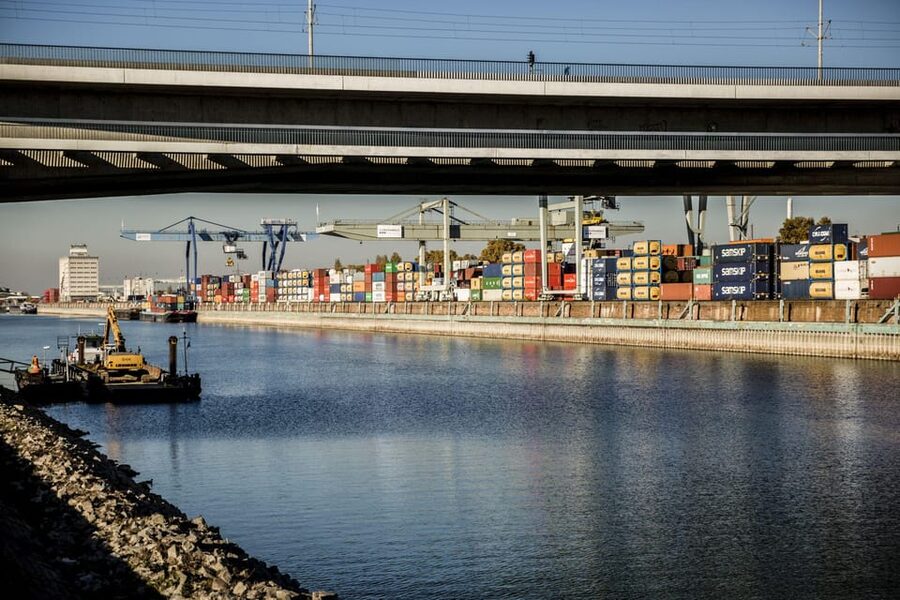
Mannheim’s port is not a polished waterfront made for postcards. It is a working place of ships, cranes, warehouses, loading stations, bridges, and canals. This two-hour walk gives you a close look at the industrial side of the city and explains why Mannheim grew where the Neckar meets the Rhine.
I like the route for two clear reasons. First, it connects large-scale trade with ordinary working life, including the conditions faced by port workers and sack carriers. Second, the final turn into Jungbusch adds a human and social layer, showing how an old working-class quarter became a multicultural art and nightlife district.
The main drawback is practical: the tour is offered in German, and the route is not suitable for wheelchair users. You also need comfortable shoes and clothing for any kind of weather, since this is an outdoor walk through an active port area.
Key points at a glance
- Teufelsbrücke sets the scene: Begin at Mannheim’s oldest preserved bridge, a surviving piece of the city’s early industrial age.
- The port is still a working place: Expect waterways, warehouses, loading stations, and the commercial activity that makes Mannheim one of Europe’s important inland ports.
- Bridges are part of the story: The walk uses Mannheim’s bridges and industrial structures to explain how transport and trade shaped the city.
- Workers’ lives are not left out: You learn about port labor, sack carriers, and the living conditions of the people who worked along the water.
- Jungbusch changes the mood: The route ends in a multicultural district now known for art, bars, restaurants, and nightlife.
- German is the tour language: The guide speaks German, and some material remains in its original language.
Starting at Mannheim’s oldest preserved bridge
The meeting point is the Teufelsbrücke, or Devil’s Bridge. It is a useful starting place because the bridge itself is part of the subject. Rather than beginning with a broad lecture about Mannheim, the tour places you beside a surviving object from the city’s early industrial period.
That gives the first part of the walk a clear purpose. You are not simply crossing a bridge on the way to the port. You are looking at how people, goods, and vehicles once moved through the city, and how bridge building supported industrial growth.
The bridge also helps you picture an earlier Mannheim, before modern container handling and large commercial facilities changed the scale of the waterfront. The guide uses the site to introduce the city’s connection to shipping and the way the Neckar and Rhine made Mannheim a natural center for trade.
You should expect the information to be more useful than visually dramatic. Teufelsbrücke is a historic remnant, not a grand monument with a long visitor route or interior rooms. Its value comes from the context supplied by the guide and from seeing it as part of Mannheim’s working infrastructure.
More walking tours in Mannheim:
- Mannheim, guided Walking Tour: Discover Mannheim
★ 4.5 · 62 reviews - Mannheim: Guided Street Art Walking Tour
★ 4.7 · 57 reviews - Mannheim, guided walking tour: Pulsating Jungbusch
★ 3.9 · 21 reviews
Following the waterways into the commercial port
From the bridge, the route heads through the port area. Mannheim’s location at the mouth of the Neckar, where it joins the Rhine, has made shipping important for centuries. Today, the port is one of Europe’s major inland ports, so the setting is still tied to active commerce rather than preserved solely for sightseeing.
You will cross waterways repeatedly during the walk. That repetition matters because it shows how closely the city’s streets and port channels are linked. You begin to understand Mannheim as a place organized around movement: ships on the water, goods at loading points, and roads and bridges connecting one part of the port to another.
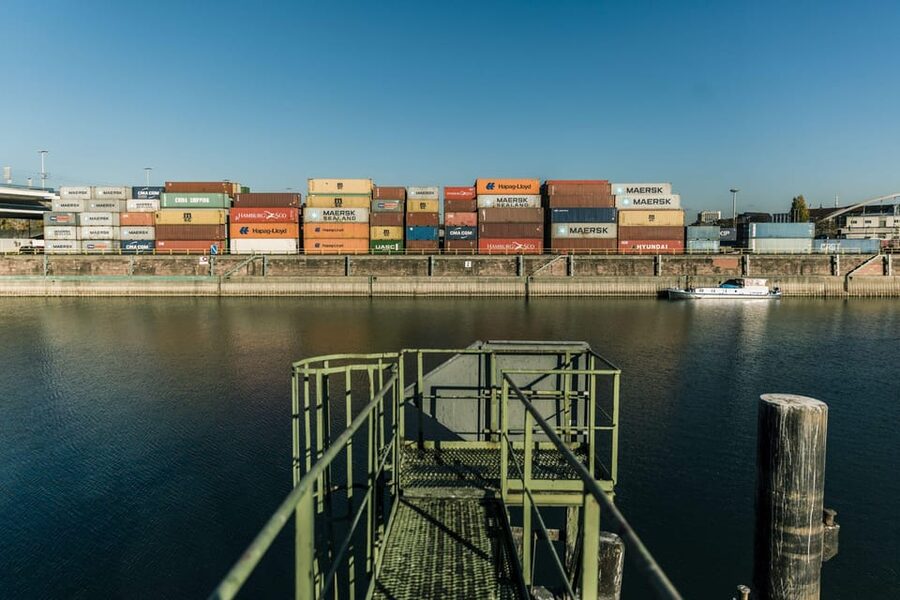
The port’s scale can be hard to grasp from a map. Walking through it gives you changing views of warehouses, loading stations, container ships, bridges, and industrial buildings. Some parts may feel plain or utilitarian, but that is exactly the point. This is a place designed to work.
I would not book this tour expecting a gentle riverside stroll. The commercial port can feel rough around the edges, and the interest comes from watching a functioning economic zone rather than admiring a carefully restored old town. If you enjoy transport, architecture, urban change, or the practical side of cities, this route offers a useful look at Mannheim that a standard center-city walk may miss.
Reading Mannheim through its bridges and industrial buildings
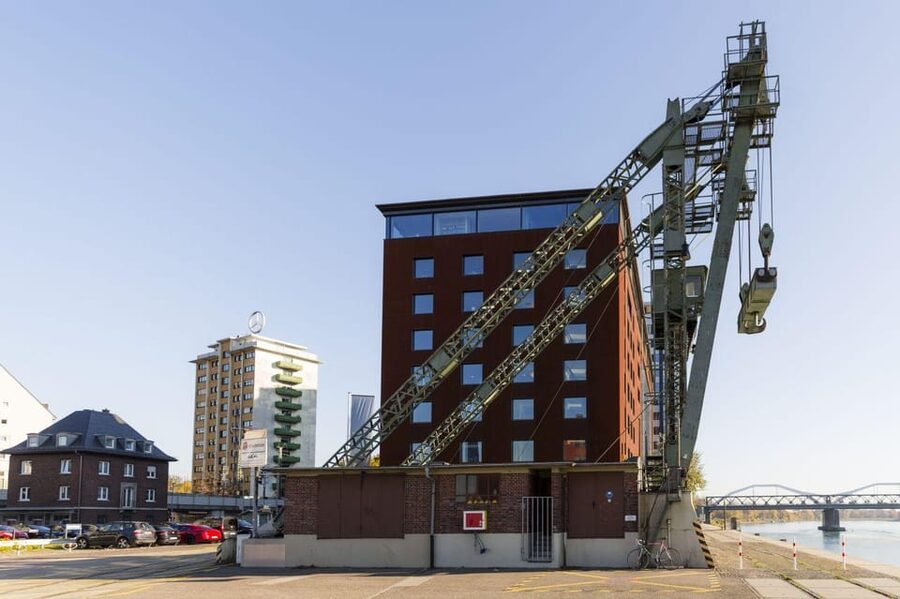
One of the strongest parts of the route is its focus on bridge architecture. The bridges are not just crossing points. They reveal how Mannheim has handled water, rail, roads, and trade over different periods.
Your guide points out objects and structures connected with industrial architecture, helping you notice details that are easy to pass without a second thought. A warehouse, canal crossing, or loading area can explain as much about the city as a church or palace when you know what role it played.
The tour also covers the beginnings of industrial culture. That phrase means more than machinery and factories. It includes the growth of organized work, the movement of goods, changing transport systems, and the people who built their lives around the port.
This approach gives the walk a welcome balance. You get the large picture, Mannheim’s role in trade and tourism, but also the smaller human story of workers and their homes. The port was not only a place where goods arrived and departed. It shaped neighborhoods, jobs, routines, and social life.
The German-language format is important here. The tour’s advertised language is German, and some content is presented in its original language. If you understand German well, you should get the full benefit of the explanations. If you do not, this is not the safest choice unless you are comfortable missing parts of a spoken historical tour.
The working lives behind Mannheim’s port
The route gives attention to the life and living conditions of port workers. That makes the experience more grounded than a simple account of tonnage, trade routes, and construction dates.
Workers such as sack carriers were once closely tied to the port economy. Their work was physical and direct, involving the handling of goods before modern systems transformed loading and storage. The tour connects that labor to the surrounding neighborhood, where workers and their families lived.
This is where the port becomes easier to understand as a social place. Industrial areas can look empty or anonymous when you see only their buildings. Learning who worked there, how they lived, and how the port supported a local community gives the streets a more human scale.
You should listen for the contrast between past and present. Modern container ships and loading stations point to today’s trade system, while the stories of sack carriers and working-class housing show an older economy. Mannheim’s port has changed, but it has not lost its central role.
The available feedback points to this explanatory side as the tour’s strongest quality. A June 2025 participant described it as very informative, with attention to both past activities and what happens today. Another gave high marks to the detailed explanation during the walk around the port. That is a good sign if you want substance rather than a quick list of landmarks.
A few more Mannheim half-days to weigh up
- Speyer: Technik Museum Speyer Ticket with an IMAX Dome Film
★ 4.7 · 360 reviews - Sea Life Speyer Ticket
★ 4.2 · 99 reviews - Mannheim, guided costume tour: Tour with Night Watchman
★ 4.9 · 26 reviews - Mannheim: Public Night Watchman Tour with Night Watchwoman Marie
★ 5.0 · 23 reviews
Crossing the canal into Jungbusch
The final part of the route takes you to Jungbusch, separated from the port by the connecting canal. The change is striking in terms of atmosphere. You move from industrial facilities and shipping infrastructure into one of Mannheim’s best-known districts for creative activity and nightlife.
Jungbusch was once home to workers and sack carriers. Today, it is a multicultural, trendy quarter with an artistic character. The tour explains this shift rather than presenting the neighborhood as a frozen historic district.
That change is one of the most valuable ideas in the whole experience. Cities do not simply replace old neighborhoods with new ones. They often keep traces of earlier work, migration, housing, and commerce while new groups and businesses add different uses.
You can expect the guide to point out the district’s role in Mannheim’s cultural life. The supplied information does not promise entry to particular bars, galleries, or restaurants, so think of Jungbusch as the final area explored, not as a package of tastings or admissions.
The timing is useful. After two hours of port history and industrial structures, Jungbusch gives you somewhere to continue on your own. It is a sensible place to end if you want food, a drink, art, or nightlife afterward, though those costs are not included in the tour.
What the two-hour format gives you
Two hours is a good length for this subject. It allows enough time to connect the bridge, waterways, port facilities, labor history, and Jungbusch without turning the walk into an all-day commitment.
You will not receive an exhaustive account of every canal or building. That would require much longer, and the commercial port is too large to cover fully on foot in one short visit. Instead, the route offers a focused introduction to the port’s importance and the changes around it.
I like this format for visitors who have already seen Mannheim’s more familiar city sights and want a different angle. It also works for anyone interested in how a city earns its living. You are learning about trade and transport while physically moving through the places where those systems operate.
The route may be less satisfying if you prefer grand historical interiors, formal gardens, or a concentrated group of famous monuments. Its appeal is found in working structures and urban history. Some views will be industrial, and parts of the walk may feel more functional than beautiful.
Price, language, and practical value
At $17 per person, the tour is reasonably priced for a live, two-hour city walk. The cost covers the guided city tour, while food, drinks, and transportation to and from the meeting point are extra.
The value depends mainly on your interest in the subject and your ability to follow German. A short port walk without explanation might leave you seeing only warehouses and bridges. A guide adds the background that turns those objects into evidence of Mannheim’s trade, labor, and neighborhood change.
The tour has a 4.8 rating from five reviews, with the strongest praise aimed at its detailed and informative presentation. That is a small sample, so I would treat it as encouraging rather than final proof. The consistent point is clear: this experience is built around explanation.
There was one avoidable booking problem at a June 2025 departure. Two groups began at the same time, one connected with GetYourGuide and one private group, and a participant accidentally joined the private tour. The guide handled that private group well, but the mix-up shows why you should confirm the correct group and meeting arrangement before setting off. Do not simply follow the first German-speaking group you see at the bridge.
The tour allows cancellation up to 24 hours before the start for a full refund, and you can reserve while paying later. Availability should be checked for the exact starting time. These policies help if your schedule is uncertain, but they do not change the need to arrive prepared for an outdoor walk.
Weather, footwear, and access
This tour runs in all weather. Wear shoes that can handle two hours of walking and choose clothing suited to the forecast. A port route offers limited shelter compared with a museum visit, so rain or strong sun can affect your comfort.
Pets are not allowed. The experience is also not suitable for wheelchair users, which is an important limitation for planning. The route crosses waterways and passes through industrial areas, but no detailed surface or step information is provided, so anyone with other mobility concerns should ask the provider before booking.
There is no transportation included. You are responsible for reaching the Teufelsbrücke and returning from the end of the walk. Since the tour finishes in Jungbusch, you should plan around that district rather than assuming you will finish back at the starting point.
Who should book this Mannheim port walk?
I would recommend it most strongly to you if you like urban history, shipping, industrial architecture, bridges, and neighborhoods in transition. It is also a good fit if you want to see Mannheim beyond its central sights and understand why its location matters.
The tour should suit German-speaking visitors who want a clear explanation of both historical and present-day port activity. It may also work for language learners who can follow a two-hour spoken tour, but the information is delivered in German, so beginners could struggle.
Families with older children may find the ships, bridges, canals, and working port more engaging than a standard lecture. The tour is less suited to very young children who need constant variety, or to anyone seeking a food-focused walk, since refreshments are not included.
Art and nightlife fans will appreciate the Jungbusch ending. Still, the district is only one part of the route. Book this for the full connection between port and neighborhood, not just for a quick look at bars and creative spaces.
Should you book it?
Book this tour if you want Mannheim explained through its port, bridges, workers, and changing neighborhoods. For $17, the price is fair, especially if you value a live guide and prefer a focused local story over a general city introduction.
Skip it if you need an English-language tour, require wheelchair access, dislike industrial settings, or want indoor sights. If you do book, wear proper shoes, check the weather, confirm the correct group at Teufelsbrücke, and leave time afterward to explore Jungbusch independently.
FAQ
Where does the Mannheim port walking tour begin?
The tour begins at the Teufelsbrücke, also called Devil’s Bridge.
How long does the tour last?
The walking tour lasts two hours.
What language is the tour conducted in?
The live tour guide speaks German. Some content is shown in its original language.
What does the price include?
The $17 price includes the guided city tour. Food, drinks, and transportation to and from the meeting point are not included.
Is the tour offered in all weather?
Yes. The tour takes place in all weather, so you should bring weather-appropriate clothing and comfortable shoes.
Are pets allowed?
No. Pets are not allowed on this tour.
Is the tour suitable for wheelchair users?
No. The experience is not suitable for wheelchair users.
Just added around Mannheim
- Segway Tour: Old Town Hall, Water Tower & Ehrenhof★ 5.0 · 21 reviews
- Segway Tour of Mannheim: Rhein, Waldpark, and Lindenhof★ 5.0 · 13 reviews
- Mannheim: Segway Tour along the Neckar River★ 5.0 · 15 reviews
- Public tour With Bertha Benz through the city of inventors Costume tour★ 5.0 · 5 reviews
- Mannheim, guided walking tour: Pulsating Jungbusch★ 3.9 · 21 reviews
- Mannheim: Public Night Watchman Tour with Night Watchwoman Marie★ 5.0 · 23 reviews
- Mannheim, guided costume tour: Tour with Night Watchman★ 4.9 · 26 reviews
- Mannheim, guided costume tour: Hangmen, Witches, Huguenots★ 5.0 · 4 reviews
Mannheim Tours, compared.
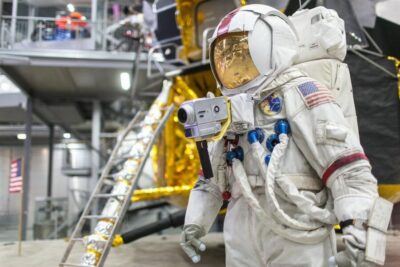
Speyer: Technik Museum Speyer Ticket with an IMAX Dome Film
Read our review →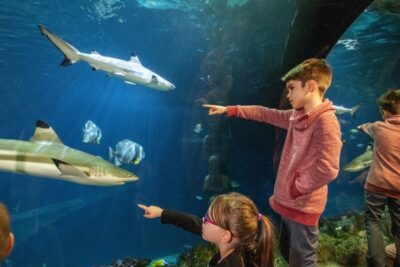
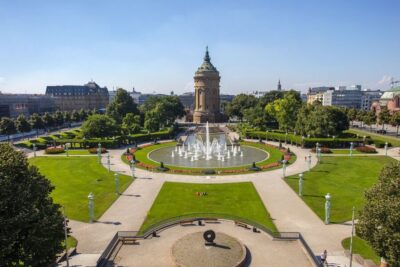
Mannheim, guided Walking Tour: Discover Mannheim
Read our review →
Mannheim, guided costume tour: Tour with Night Watchman
Read our review →
Public Night Watchman Tour with Night Watchwoman Marie
Read our review →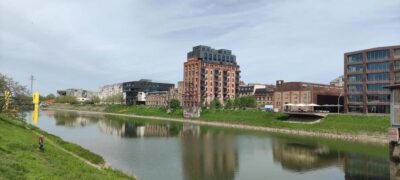
Mannheim, guided walking tour: Pulsating Jungbusch
Read our review →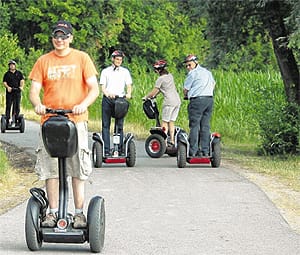
Segway Tour: Old Town Hall, Water Tower & Ehrenhof
Read our review →Browse the lists this tour appears in