
Review · HAMBURG TOURS
Hamburg: UNESCO-World Heritage Sites Tour
Hamburg’s UNESCO quarter tells its story in brick, steel, canals, and counting rooms. In two hours, you move from the sharp prow of the Chilehaus to the tall red-brick warehouses of Speicherstadt, with port trade tying it all together.
I like the clear route from Jacobikirche to Magdeburg Harbour, and I like that the guide uses pictures and spice samples to make the port’s past easier to grasp. The main consideration is language: this is a German-language tour, and the pace covers a lot in a short time.
- Chilehaus and Kontorhäuser: See the office buildings that marked Hamburg’s commercial rise.
- Speicherstadt warehouses: Walk beside red-brick storehouses, canals, old rope winches, and carpet storage.
- Port connections: Learn how Hamburg’s trade network worked through images and samples of spices.
- Old beside new: Compare historic facades with modern dock promenades and architecture.
- Saturday ferry option: Take a short ferry trip when the tour runs on Saturday.
- A compact route: Cover two major districts in two hours, ending at Magdeburg Harbour.
From Jacobikirche Into Hamburg’s Commercial Past
The meeting point is Jacobikirche, at the corner of Bugenhagenstraße and Barkhof. This location puts you near the old office district from the first step, rather than beginning far from the sights and spending half the tour getting there.
The walk focuses on Hamburg as a Hanseatic city and on the period when the port helped make the city an international trading power. You hear about Kontorhäuser, the large office buildings built for merchants, shipping firms, and trading companies.
That setting matters. These buildings were not simply handsome facades for postcards. They were working places filled with clerks, money-counting tables, paperwork, and business tied to markets around the world. A guide can help you read the buildings as evidence of commercial life, not just as old architecture.
The experience is led in German, so you should be comfortable following a live explanation in that language. The guide brings the buildings into a wider story about Hamburg’s growth, rather than treating each stop as an isolated monument.
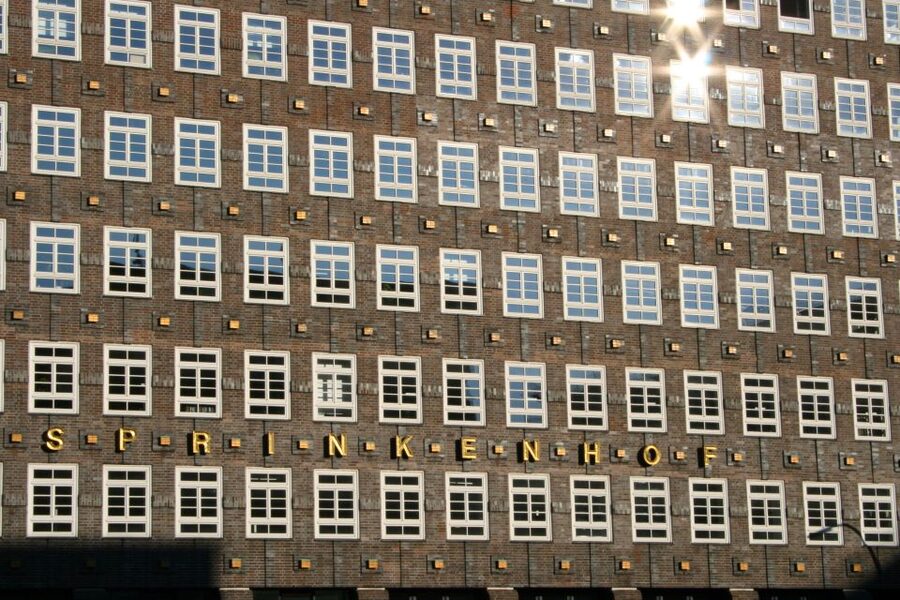
Sprinkenhof and the Age of Kontorhäuser
Sprinkenhof is one of the first major stops. Here, the focus turns to the office-building style that shaped central Hamburg during its period of strong economic growth.
The tour explains how Kontorhäuser reflected Hamburg’s worldwide connections. Their scale and design show that this was a city organizing trade on a large scale, with offices handling cargo, finance, and overseas business.
I find this part especially useful if you want context before reaching Speicherstadt. The warehouses make more sense once you understand the offices that managed the goods stored inside them. The walk links the people in the counting rooms with the products moving through the port.
The pace is intended to be manageable. One detailed account praised the speed as easy to follow and the guide’s voice as clear. That is important on an urban walking tour, where traffic, open spaces, and passing groups can make a soft voice hard to catch.
More history-led days in Hamburg:
- The Local Tour of Hamburg Historic Centre
★ 5.0 · 1,058 reviews - Hamburg: Historical Tour of the St. Pauli Sex Work District
★ 4.4 · 215 reviews - Sightseeing Tour – Free Tour – Historic Center-Hamburg On Foot
★ 5.0 · 112 reviews
Chilehaus, Hamburg’s Sharpest Architectural Stop
Chilehaus is the visual high point of the office district. Its pointed form gives the building an almost ship-like profile, a fitting shape for a city whose fortunes were tied to maritime trade.
The tour pauses here for architectural and historical explanation. You learn how the building fits into Hamburg’s development and why the Kontorhaus district became part of the UNESCO World Heritage Site.
Look closely at the contrast between the hard lines of the office blocks and the older brickwork you see later in Speicherstadt. The tour is strongest when it keeps making these connections. Hamburg’s story is not presented as a clean change from old to new. Instead, the city’s commercial past remains visible beside newer buildings and public spaces.
Chilehaus is also a good place to pay attention to scale. From street level, you see how the building directs your eye along its long sides toward the sharp corner. You do not need to be an architecture specialist to appreciate it, but the guide’s explanation gives the shape a reason beyond its unusual appearance.
Meßberg and the Working City Behind the Facades
At Meßberg, the route continues through the former office and warehouse district. This is where the idea of Hamburg as a working city comes into sharper focus.
The stories concern clerks, business records, trade, and the daily work behind international commerce. You are not only looking at monumental architecture. You are also learning how these buildings functioned as places where goods, money, and information were organized.
That human scale helps balance the grand statements about Hamburg’s wealth. A city’s economic rise can sound abstract until you picture the people handling accounts and arranging shipments. The tour gives you that connection without requiring a museum visit.
The route also makes a useful transition toward Speicherstadt. You leave the office buildings and move toward the storage quarter, where the same trade networks appear in brick, canals, loading spaces, and old equipment.
Speicherstadt’s Brick Warehouses and Canals
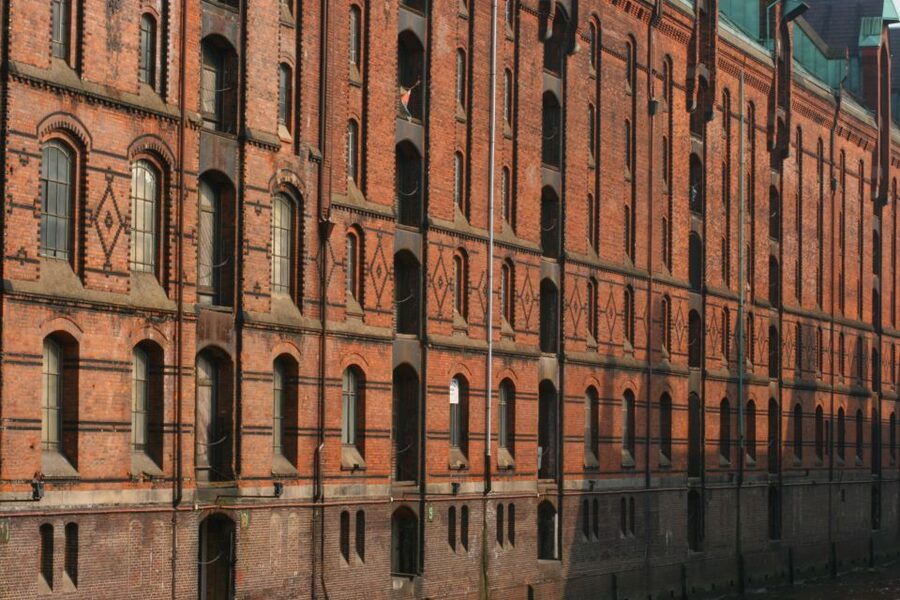
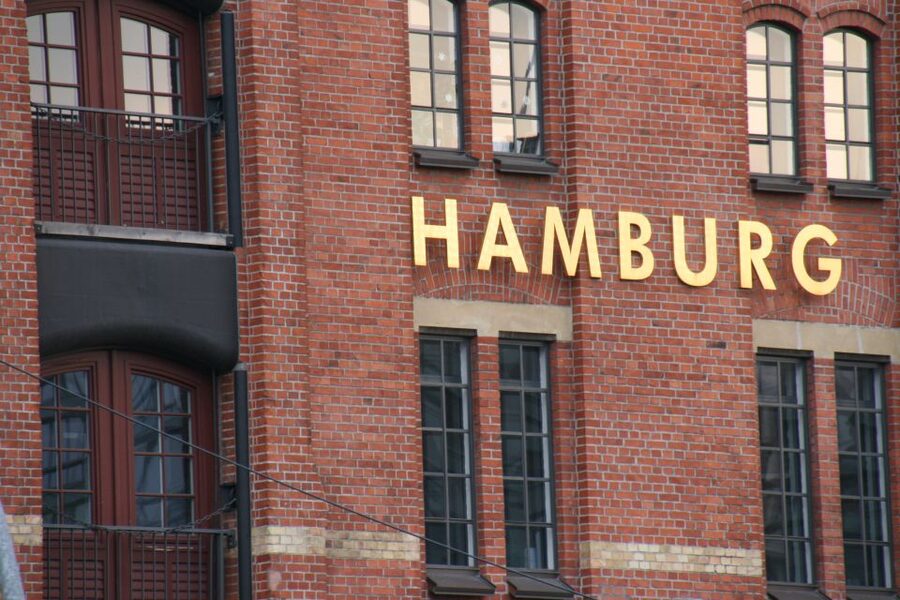
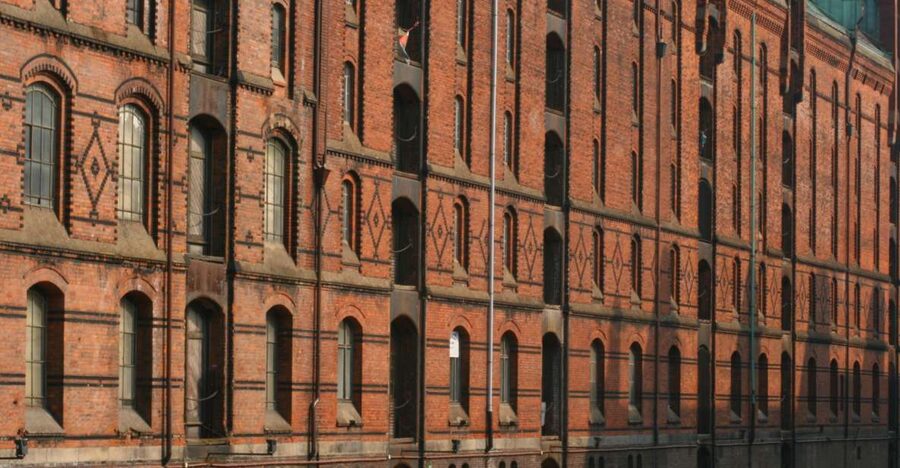
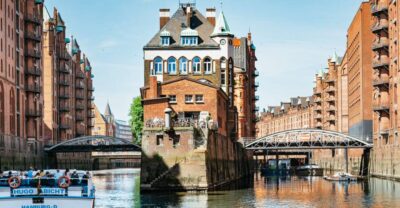
Speicherstadt is the most atmospheric section of the walk. Its tall red-brick storehouses line canals and create a strong sense of place, even when modern buildings appear nearby.
The warehouses were built for storing imported goods, and the tour uses details such as old rope winches and carpet storage to show how the district worked. These are small touches, but they help you picture the practical side of the port. Goods had to be lifted, moved, sorted, and stored before they reached the city or continued elsewhere.
You also hear about spices, supported by pictures and samples. That gives the port’s trade a physical edge. Instead of hearing only about distant markets, you get a direct reminder that Hamburg’s wealth was connected to real products passing through its warehouses.
I like this approach because it avoids treating Speicherstadt as a pretty brick backdrop. The canals and facades are striking, but their original purpose was commercial. Your guide explains the work that happened behind the walls.
There is a possible limitation here. The tour does not appear to include entry into the warehouses or a long indoor visit. You should expect an outdoor walking experience, with explanations given along the route. Since the tour runs in all weather, bring clothing that suits rain, wind, or cold.
A few more Hamburg half-days to weigh up
- Hamburg: Sex and Crime in St. Pauli Tour for Ages 18+
★ 4.7 · 15,447 reviews - Hamburg: 1.5-Hour Harbor and Speicherstadt Day Cruise
★ 4.6 · 14,200 reviews - Hamburg: 90-Minute Evening Lights Harbor Cruise
★ 4.5 · 7,728 reviews - Hamburg: 2-Hour XXL Port of Hamburg Cruise Tour
★ 4.7 · 6,979 reviews
Dar es Salaam Square and Hamburg’s Wider Connections
The stop at Dar es Salaam Square adds another layer to the port story. The name points toward Hamburg’s connections beyond Europe and helps place the city within a wider network of overseas trade.
The tour uses this part of the route to connect Hamburg’s historic commerce with its international reach. You continue to see the contrast between brick facades, canals, newer promenades, and modern architecture.
This mix is one reason the walk works well for a first look at the district. You are not shown a preserved quarter cut off from present-day Hamburg. You see an area where old storage buildings and new development sit close together.
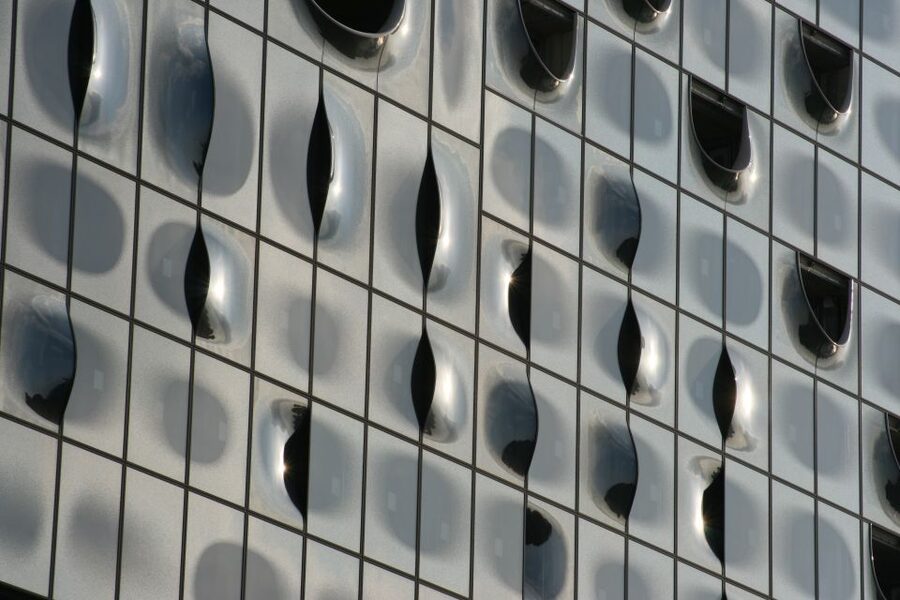
The contrast can be visually sharp. Historic brick walls feel solid and enclosed, while modern dock architecture opens toward the water and public spaces. The guide helps explain that change as part of Hamburg’s ongoing development.
Magdeburg Harbour and the Modern Port Edge
The walk finishes at Magdeburg Harbour. By this point, the route has moved from the Kontorhäuser to Speicherstadt and then toward the newer harbor setting.
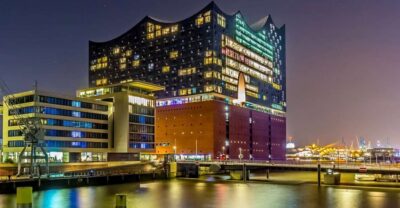
You see important buildings in the area, including the International Maritime Museum and the Überseequartier. The ending gives the tour a broad visual finish, with views toward the Elbe and the modern port environment.
Finishing here is practical if you want to continue exploring HafenCity or the waterfront afterward. The tour does not loop back to Jacobikirche, so plan your next stop from Magdeburg Harbour rather than assuming you will return to the starting point.
The final section also reinforces the central theme: Hamburg is a city shaped by trade, but it is not frozen in its commercial past. Old warehouses, new dock promenades, and modern buildings share the same urban space.
The Saturday Ferry Ride
A short ferry trip is available on Saturdays only. This is a useful extra because it lets you see part of Hamburg’s port from the water rather than only from the streets.
Do not assume the ferry is included on every tour day. If the boat ride matters to you, check the selected date carefully and choose a Saturday.
The ferry element is brief, so it should be seen as a small addition rather than the main focus. The heart of the experience remains the walking route through the Kontorhaus district and Speicherstadt. Still, a water-level view can help you understand the relationship between Hamburg’s canals, harbor spaces, and riverfront.
What the Two-Hour Format Means for You
Two hours is enough to cover the key districts without turning the outing into a half-day commitment. That makes this a useful choice if you are fitting Hamburg into a short visit or want an introduction before exploring independently.
The tradeoff is depth. You will hear a well-shaped overview, but you will not have unlimited time at each building. If Chilehaus, the International Maritime Museum, or Speicherstadt interests you greatly, plan a separate visit after the tour.
The route includes several guided stops rather than one long lecture. That variety helps maintain attention, especially because the subject covers architecture, port work, city growth, and international trade.
One highly praised guide was Albert, whose explanations were described as detailed, lively, and easy to hear. You cannot assume Albert will lead every departure, but the feedback suggests that clear delivery is an important strength of this experience.
The overall rating is 4.7 from 137 reviews, with repeated praise for the informative nature of the walk. One German-language review simply called it very informative, while another described it as interesting and varied, covering history and architecture without becoming dull.
Price, Practicalities, and Who Gets the Most Value
At $18 per person, the tour offers good value if you want a structured introduction to two major UNESCO areas. You are paying for a live German-speaking guide, a defined route, and historical interpretation that would take time to assemble on your own.
The value is strongest for first-time visitors, architecture fans, and anyone curious about Hamburg’s role in international trade. It also suits people who prefer a focused walk to a large sightseeing bus.
You may get less from it if you need an English explanation or if you want extended indoor sightseeing. The language is German, and the activity is described as a walking tour rather than a series of museum entries.
You can cancel up to 24 hours before the tour for a full refund, and you can reserve now while paying later. These policies are useful if your schedule depends on weather or changing plans, though the tour itself operates in all weather.
Wear sensible shoes and dress for the forecast. Since the route is outdoors and takes place rain or shine, a waterproof layer is more useful than relying on a clear morning.
Should You Book the Hamburg UNESCO World Heritage Sites Tour?
Book it if you want a compact, well-organized introduction to Hamburg’s office district, Speicherstadt, and port development. The route has a good narrative arc, moving from the people and companies in the Kontorhäuser to the goods stored in the warehouses and finally to the modern harbor.
The $18 price is fair, especially if the guide gives the same clear, detailed explanations praised in the strongest feedback. Choose a Saturday if the ferry ride is important to you.
Skip it if you need English, dislike outdoor walks in uncertain weather, or want long visits inside museums and historic buildings. For everyone else, this is a practical way to see why Hamburg’s brick warehouses and office blocks matter, not just how they look.
FAQ
Where does the tour begin?
The meeting point is Jacobikirche, at the corner of Bugenhagenstraße and Barkhof.
Where does the tour finish?
The tour finishes at Magdeburg Harbour.
How long does the tour last?
The walking tour lasts two hours.
What language is the tour?
The tour is conducted in German by a live German-speaking guide.
What places are covered?
The route includes Sprinkenhof, Chilehaus, Meßberg, Speicherstadt, Dar es Salaam Square, and Magdeburg Harbour.
Is a ferry ride included every day?
The short ferry trip is available only on Saturdays.
Does the tour run in bad weather?
Yes. The tour takes place in all weather conditions, so you should dress appropriately.
What is included in the price?
The price includes the German-speaking tour guide and the sightseeing tour.
How much does the tour cost?
The listed price is $18 per person.
Can I cancel for a refund?
You can cancel up to 24 hours in advance for a full refund.
Just added around Hamburg
- Winter Alster tour★ 4.0 · 12 reviews
- World War 2 Hamburg Private Guided Tour★ 5.0 · 6 reviews
- Ticket for the Emigration Museum BallinStadt Hamburg★ 4.0 · 57 reviews
- UNESCO World Heritage – Speicherstadt and Kontorhaus district★ 4.5 · 12 reviews
- hamburg Experienced differently with wish rental bike relaxed enjoy★ 5.0 · 5 reviews
- Hamburg Private Food Tours with a Local: 100% Personalized★ 5.0 · 3 reviews
- The Beatles in Hamburg – Private Tour★ 5.0 · 16 reviews
- The Beatles on St. Pauli★ 5.0 · 3 reviews
Hamburg Tours, compared.
1.5-Hour Harbor and Speicherstadt Day Cruise
Read our review →

Browse the lists this tour appears in