Review · HAMBURG TOURS
Hamburg: Kunsthalle Entrance Ticket
Hamburg’s Kunsthalle brings eight centuries of European art together under one roof, and its most famous work is Caspar David Friedrich’s Wanderer above the Sea of Fog. I like the sweep of the collection, from northern German medieval painting to Andy Warhol and Jenny Holzer. I also like that a single ticket gives you the whole day, so you can see major works without rushing.
The main drawback is scale. This is not a quick stop where you glance at a few famous paintings and leave. The permanent collection is large, and the ticket does not include a loan audio device. You pay €6 at the desk for the English or German guide, or use the free Kunsthalle app.
Key points to know before you go
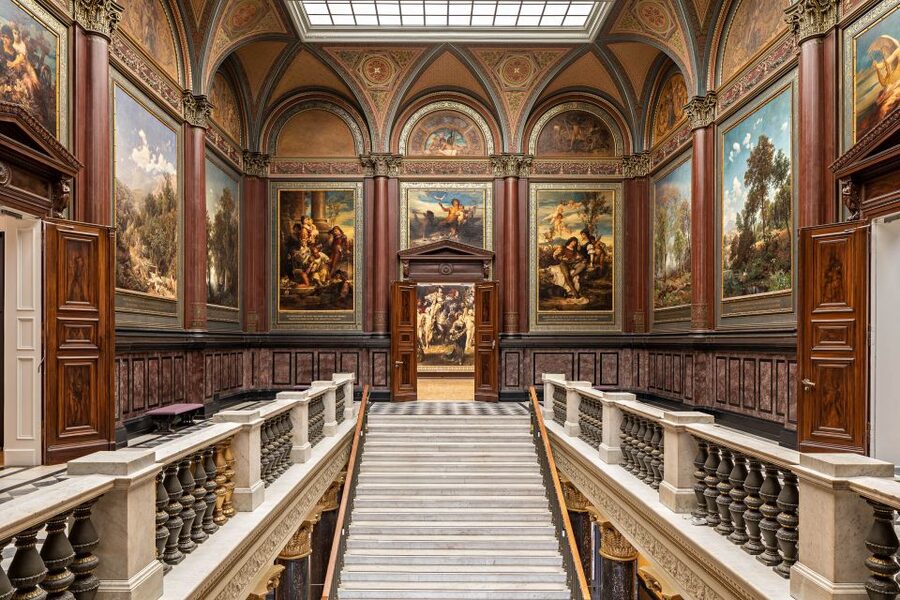
- Eight centuries in one museum: Move from medieval altarpieces and Renaissance portraits to Impressionism, German modernism, and international contemporary art.
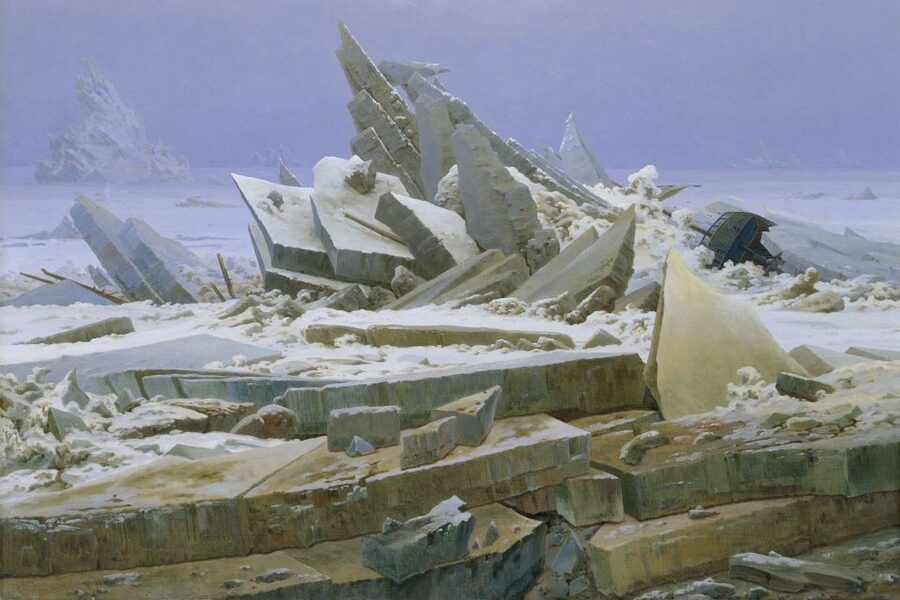
- Caspar David Friedrich is a major draw: See the famous Wanderer above the Sea of Fog along with more 19th-century German works.
- The permanent collection is included: Your one-day admission covers the museum’s main collection, while special exhibitions may have separate arrangements.
- Audio help costs extra: Borrow an English or German device for €6, or download the free Hamburger Kunsthalle app before your visit.
- Allow time for a proper visit: The museum’s breadth rewards a slow pace, with a café and restaurant available when you need a break.
- Practical access is good: The museum is wheelchair accessible, but larger bags, backpacks, umbrellas, and luggage must go into lockers.
Why the Kunsthalle deserves a place in your Hamburg plans
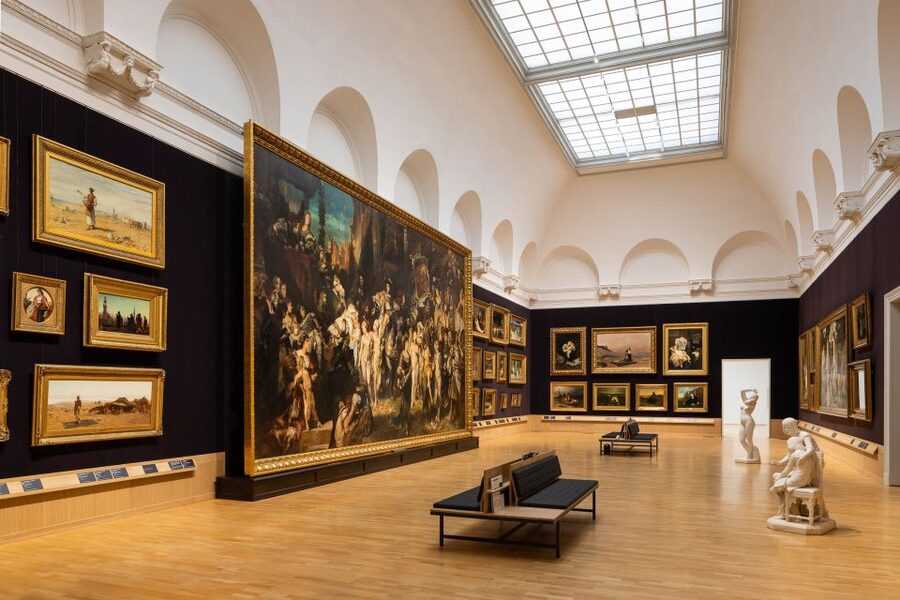
The Hamburger Kunsthalle is one of Germany’s major art museums, but the useful point for you is not its reputation. It is the range. You can begin with religious art from the Middle Ages and finish with large-scale contemporary work, all within the same institution.
That range lets you see how European art changed over time. Medieval paintings served worship and devotion. Renaissance artists explored human form, status, and classical ideas. Dutch painters turned everyday interiors and domestic life into serious subjects. Later artists questioned old rules about color, perspective, identity, and even what counts as art.
I like museums that let you make those connections for yourself. The Kunsthalle does not depend on one narrow specialty. It gives you a broad route through European art, with particularly strong holdings in German painting.
The experience is self-guided, so you set the pace. You can spend ten minutes with a familiar masterpiece or give an entire afternoon to artists you have never seen before. That freedom is valuable, but it also means you need to manage your energy. If you try to see every room with equal attention, the collection can become tiring.
A few more Hamburg half-days to weigh up
- Hamburg: Sex and Crime in St. Pauli Tour for Ages 18+
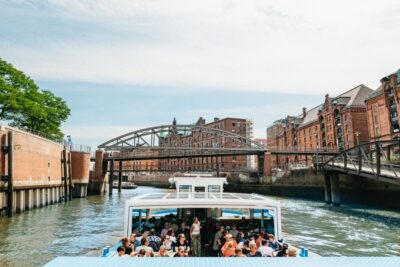
★ 4.7 · 15,447 reviews - Hamburg: 1.5-Hour Harbor and Speicherstadt Day Cruise
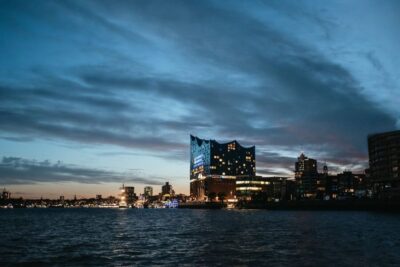
★ 4.6 · 14,200 reviews - Hamburg: 90-Minute Evening Lights Harbor Cruise
★ 4.5 · 7,728 reviews
Starting with the Old Masters
The Old Masters section gives you a strong opening because it begins with northern German medieval painting. Altarpieces by Bertram von Minden and Master Francke connect Hamburg to the artistic world of the Middle Ages. These works were made for religious settings, and their careful detail, symbolic figures, and devotional purpose reward a slower look.
If medieval art is new to you, do not judge it by modern ideas of realism. Ask what the image was meant to communicate. The visual language is often direct and highly organized, with figures and gestures carrying meaning. The gold, pattern, and solemn faces are part of the message, not decoration added for its own sake.
The Renaissance section broadens the story. Works by Lucas Cranach the Elder, Hans Holbein, and Paris Bordone show changing ideas about portraiture, power, and the human body. Here, individual identity becomes more prominent, and technical skill serves both beauty and social ambition.
The Dutch Golden Age brings another shift. Rembrandt van Rijn, Pieter de Hooch, and Anton van Dyck represent a period known for portraits, interiors, domestic scenes, and strong attention to light. Pieter de Hooch’s interior settings can make ordinary rooms feel carefully observed, while Rembrandt’s work asks you to look at expression and emotion rather than only surface detail.
This section suits you if you enjoy seeing art in sequence. It also helps if you have limited museum experience, because the changes between periods are easy to trace. The possible downside is that the early rooms may feel quieter and less immediately familiar than the Friedrich and modern art galleries later on.
Meeting Friedrich in the 19th-century collection
Caspar David Friedrich’s Wanderer above the Sea of Fog is the work many people have in mind before arriving. It is worth seeing in person, not simply because it is famous, but because the image works differently at full scale. A lone figure looks across a field of mist, and the painting leaves you suspended between the solid ground in front of you and the uncertain view beyond.
Friedrich’s work is tied to Romantic ideas about nature, solitude, and the limits of human understanding. You do not need a long lecture to respond to it, but a little context makes the painting more than a striking image for your camera roll. Give it time. Look at the figure, then the rocks and fog, and notice how much remains hidden.
The Kunsthalle has extensive holdings by Friedrich and Philipp Otto Runge, giving the German Romantic section real weight. Max Liebermann adds a different note, with a connection to modern life and changing approaches to painting.
The 19th-century collection also includes key French Realist and Impressionist works. These paintings help you see the move away from idealized subjects toward ordinary life, direct observation, and looser handling of paint. The value here is the conversation between German Romanticism and French experiments with modern vision.
I would plan more time for this section than you might expect. Friedrich is the obvious magnet, but the surrounding works explain why his art mattered and how later painters moved in other directions. If your interest is mainly contemporary art, this may be the point where you slow down less. Still, skipping it would mean missing one of the museum’s strongest areas.
From Brücke to Beckmann in modern art
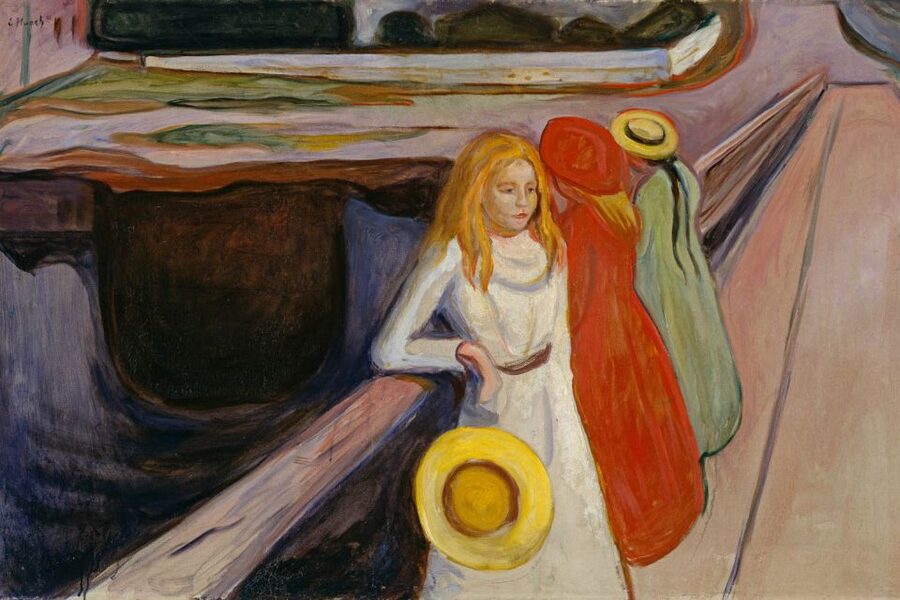
The modern collection covers the unsettled first half of the 20th century. It includes outstanding paintings by the Brücke group and significant works by Edvard Munch, Paul Klee, Wilhelm Lehmbruck, Paula Modersohn-Becker, Lovis Corinth, and Max Beckmann.
This is where the museum’s broad structure becomes especially useful. You can watch artists reject the calm balance and polished finish associated with earlier periods. Color grows more forceful. Figures can become angular or distorted. Subject matter turns inward, political, or psychologically tense.
Edvard Munch brings emotional pressure, while Paul Klee shows how line, shape, and symbols can carry an image without traditional realism. Paula Modersohn-Becker is particularly important to include in your visit because her work belongs to the story of modern art and to the wider recognition of women artists in museum collections.
The Brücke works are a good place to think about artistic groups. These artists did not simply paint in one fixed style, but their work reflects a shared desire to break with convention. Max Beckmann brings another kind of intensity, with pictures shaped by the difficult conditions of modern Europe.
You may find this part of the museum more challenging than the Old Masters. That is not a flaw, but it changes the pace. I suggest looking first for the elements you can describe plainly: color, shape, posture, space, and mood. You do not need to solve every painting. A museum visit works better when you allow some art to remain puzzling.
Same city, a completely different sort of afternoon:
- Hamburg: 2-Hour XXL Port of Hamburg Cruise Tour
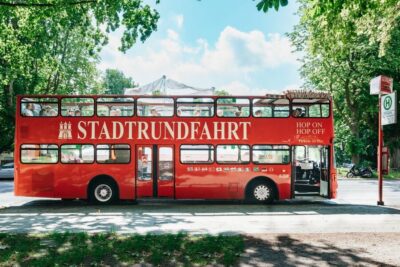
★ 4.7 · 6,979 reviews - Hamburg: Line A Sightseeing Hop-On Hop-Off Bus Tour
★ 4.6 · 6,958 reviews - Hamburg: Elbphilharmonie Plaza Guided Tour
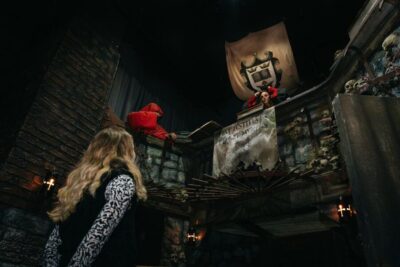
★ 4.7 · 5,882 reviews - Hamburg: Hamburg Dungeon Admission Ticket
★ 4.7 · 5,745 reviews
Contemporary art with a wide international reach
The contemporary collection gives the Kunsthalle a clear connection to the art world after the mid-20th century. It includes major works by Bruce Nauman, Gerhard Richter, Jenny Holzer, Nan Goldin, Andy Warhol, Richard Serra, and Sigmar Polke.
This is a useful section for comparing different ideas about what an artwork can be. You may encounter painting, text, photography, sculpture, and work that asks you to pay attention to the room or to your own response. The collection does not limit contemporary art to one national style.
Gerhard Richter and Sigmar Polke connect painting to questions about images, memory, and mass media. Warhol brings popular culture and repetition into a museum setting. Jenny Holzer uses language as an artistic material, while Richard Serra shows how scale and physical presence can shape your experience of a work.
Bruce Nauman and Nan Goldin add further range. Their work can be direct, personal, or uncomfortable, so this is not a section to race through simply because you know fewer names. Contemporary art often rewards a short pause followed by a second look.
The drawback is that contemporary displays can be harder to navigate without an audio guide or wall text. If you want more background, the €6 device may be worthwhile. The free Kunsthalle app is another option, and downloading it before you arrive can save time at the ticket desk.
How to plan your one-day visit
Your ticket is valid for one day, which gives you a useful amount of freedom. You are not tied to a guided group or a short timed route. Check the available starting times when you book, then treat the admission as a full museum day rather than a rushed hour.
I would use a simple three-part plan:
- Start with the Old Masters and medieval works while your attention is fresh.
- Spend your main block of time with Friedrich and the 19th-century collection.
- Finish with modern and contemporary art, when you are ready for a change in style.
This is only a suggested order. If Friedrich is your main reason for coming, go there first. If you are visiting during a busy day, seeing the priority works early can protect you from running out of energy later.
The collection is broad enough that you should choose a few priorities before entering. Friedrich, the northern German altarpieces, Rembrandt, the Brücke group, and the contemporary collection make a sensible list. Then leave room for discoveries. A museum is more enjoyable when you do not turn it into a checklist.
Large bags, backpacks, umbrellas, and luggage bigger than DIN A4 must be deposited. Lockers are available. This is worth knowing before you arrive, especially if you are carrying a suitcase or a daypack. Do not plan to bring a trolley through the galleries.
The museum is wheelchair accessible. The supplied information does not give a detailed route or list of facilities, so if you need a particular accommodation, confirm the details before your visit.
Audio guide, app, and the value of the ticket
Admission costs about $21 per person. For a major museum with a full day of permanent collection access, that is a fair price if you plan to spend several hours inside. It is less attractive if you only want to see one painting and leave.
The audio guide is not included as a free loan device. You can borrow one at the ticket desk for €6, in English or German. The guide covers both the collection areas and current special exhibitions. You can also access audio material through the Hamburger Kunsthalle app, which is free to download.
That choice gives you flexibility. The device may suit you if you prefer a ready-made route and do not want to use your phone. The app may be better if you want to keep costs down or bring your own headphones, though the supplied information does not specify how all app features work.
The ticket includes the permanent collection. Special exhibitions attract large audiences, but the details of access and any extra charges can change, so check the current information when booking. The permanent collection alone is enough to fill a serious visit.
The booking terms are friendly for uncertain schedules. You can cancel up to 24 hours ahead for a full refund, and reserve now while paying later. Those policies matter if your Hamburg plans depend on weather, transport, or a changing itinerary.
Taking a break at Das Liebermann or The Cube
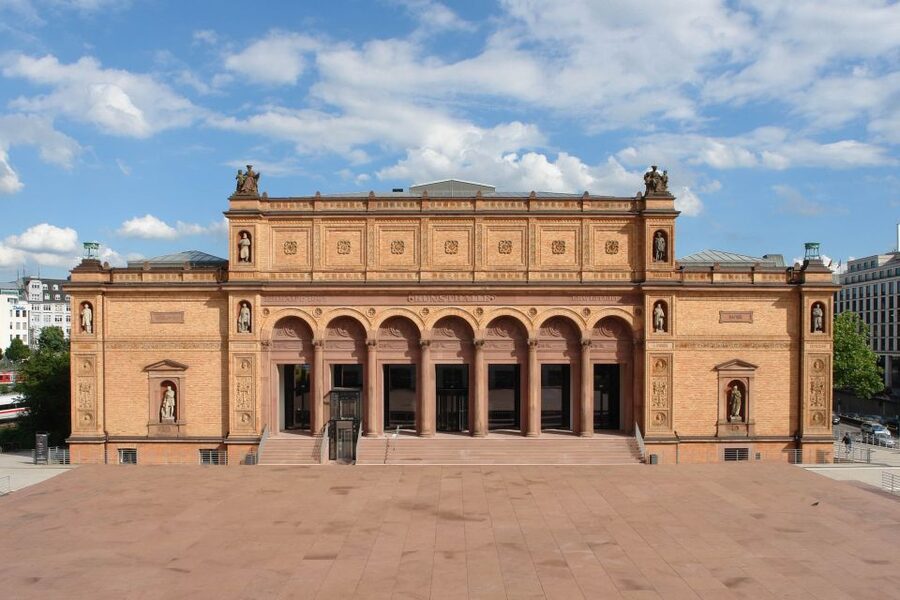
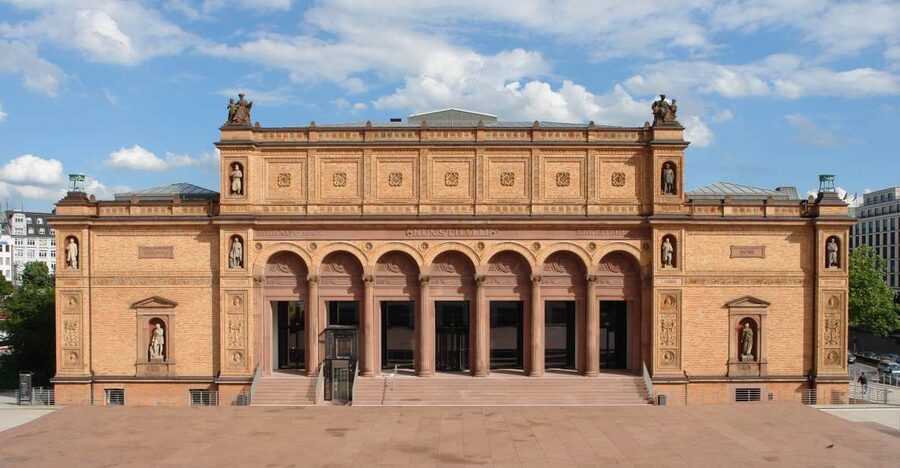
Art museums are easier to enjoy when you plan a break. Das Liebermann café has returned to its former location in the Kunsthalle’s impressive pillared hall. It offers a place for a drink or snack without requiring you to leave the museum setting.
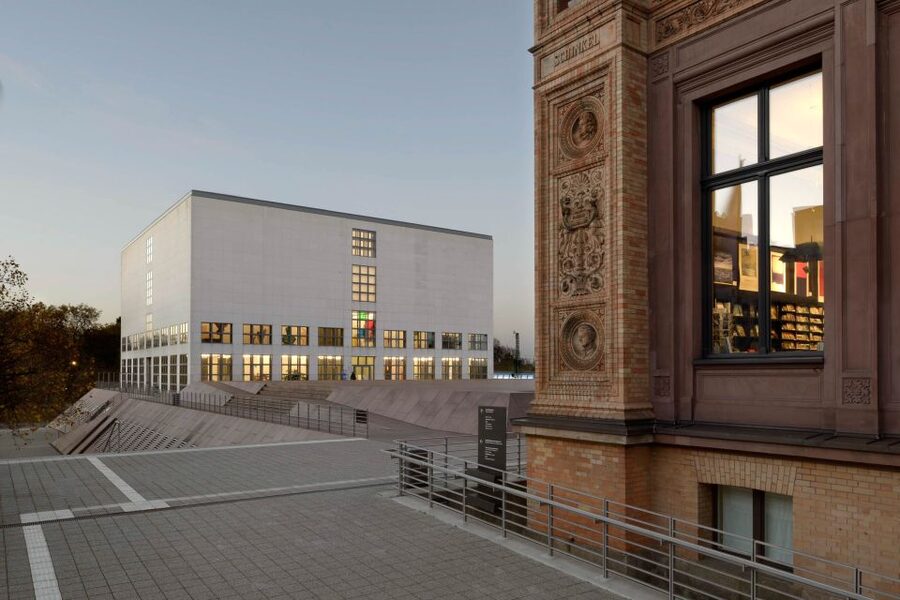
For a fuller meal, The Cube is in the Gallery of Contemporary Art and has views of the Inner Alster Lake. Its daytime menu includes snacks and lunch choices, while the evening service offers à la carte dinner.
The restaurant is not a reason by itself to buy the ticket, but it changes how you can structure the day. You can treat the Kunsthalle as a longer cultural stop instead of squeezing it between other sights. The view from The Cube may also appeal if you want a pause with something beyond the gallery walls.
Keep in mind that café and restaurant spending is separate from admission. If you are watching your budget, use the museum primarily for the art and decide on food once you know how long you plan to stay.
Who will get the most from this Kunsthalle ticket
I recommend this experience most strongly if you like museums with a long historical arc. You will find medieval, Renaissance, Dutch Golden Age, Romantic, Impressionist, modern, and contemporary art in one place. That makes it a strong choice for a first major art museum in Hamburg.
It also suits repeat museum visitors who want German art. Friedrich, Runge, Liebermann, Modersohn-Becker, Beckmann, and the Brücke group give the collection a strong local and regional identity, while the Dutch, French, and international holdings keep the story open.
Families and mixed-interest groups can benefit from the variety, since one person can focus on Old Masters while another prefers Warhol or Richter. Still, the scale may be tiring for young children or anyone who dislikes long gallery visits. The one-day validity helps because you can take the visit at your own speed, but the ticket does not turn the museum into a quick attraction.
This is less suited to someone who wants a guide-led tour with a personal expert. No guide name or live tour format is provided here. You are buying entry and access to the collection, with optional audio support.
Should you book the Hamburger Kunsthalle?
Book it if you want serious art in Hamburg and can spare several hours. The strongest reasons are the Friedrich collection, the northern German medieval works, the clear route into modern art, and the international contemporary holdings.
Skip it if your schedule allows only a brief stop and you are interested in one famous painting alone. In that case, the $21 price may feel high for the amount of the museum you can use.
For most art-minded visitors, I think the ticket offers good value. Download the free app before arrival, store large items in a locker, and choose a short list of must-see artists. Then let the rest of the Kunsthalle surprise you.
FAQ
Where is the experience located?
It is located at the Hamburger Kunsthalle in Hamburg, Northern Germany.
How long is the ticket valid?
The ticket is valid for one day.
What does the admission ticket include?
It includes entrance to the Hamburger Kunsthalle and access to the permanent collection.
Is the audio guide included?
A loan audio guide is available for €6 at the ticket desk. Audio content is also available through the free Hamburger Kunsthalle app.
Which languages are available for the audio guide?
The audio guide is available in English and German.
Does the audio guide cover special exhibitions?
Yes. Audio guides are offered for the collection areas and current special exhibitions.
Can I bring a backpack or suitcase inside?
Backpacks, umbrellas, larger bags, and luggage such as suitcases and trolleys must be deposited. Lockers are available.
Is the museum wheelchair accessible?
Yes, the experience is wheelchair accessible.
Is food available at the museum?
Yes. Das Liebermann café serves drinks and snacks, and The Cube offers daytime snacks and lunch options, plus an evening à la carte menu.
Can I cancel my booking?
You can cancel up to 24 hours in advance for a full refund. You can also reserve now and pay later.
Just added around Hamburg
- Winter Alster tour★ 4.0 · 12 reviews
- World War 2 Hamburg Private Guided Tour★ 5.0 · 6 reviews
- UNESCO World Heritage – Speicherstadt and Kontorhaus district★ 4.5 · 12 reviews
- Ticket for the Emigration Museum BallinStadt Hamburg★ 4.0 · 57 reviews
- hamburg Experienced differently with wish rental bike relaxed enjoy★ 5.0 · 5 reviews
- Hamburg Private Food Tours with a Local: 100% Personalized★ 5.0 · 3 reviews
- The Beatles on St. Pauli★ 5.0 · 3 reviews
- The Beatles in Hamburg – Private Tour★ 5.0 · 16 reviews
Hamburg Tours, compared.
1.5-Hour Harbor and Speicherstadt Day Cruise
Read our review →