
Review · HAMBURG TOURS
Hamburg: 2-Hour St. Georg Walking Tour
St. Georg gives you a different Hamburg, one where coffee shops, mosques, a Catholic cathedral, the red-light district, and the gay village sit close together. This two-hour walk puts that mix into context, with a local guide leading you away from the city’s better-known main streets.
I like the focus on multicultural St. Georg and the way the route connects everyday places with German history. I also like the compact length and $23 price, which make this an easy addition to a Hamburg day. The main drawback is that the tour is conducted in German, so you need solid listening skills to get the full value.
Key points to know before you book
- A close look at Lange Reihe: Browse St. Georg’s café-lined quasi-center and watch the neighborhood shift from the main station area into quieter streets.
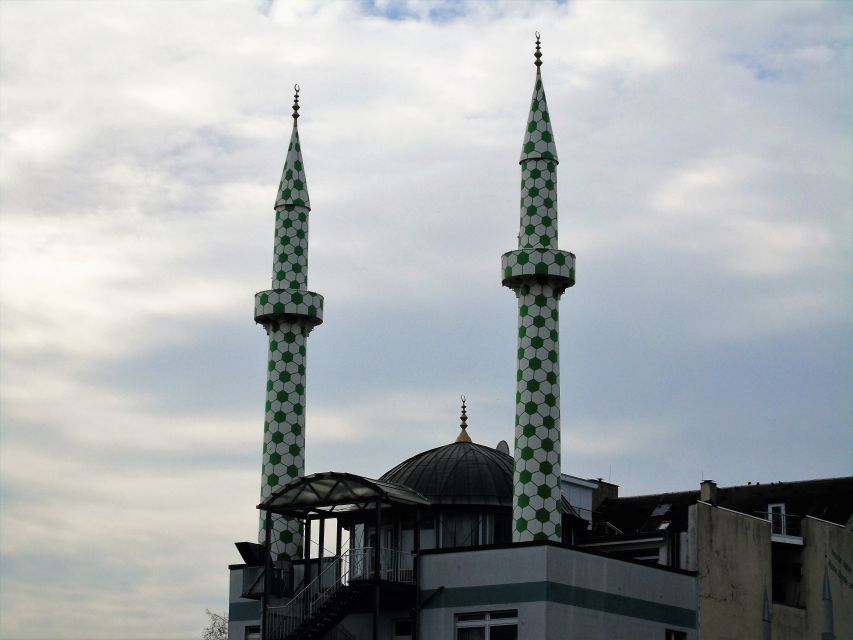
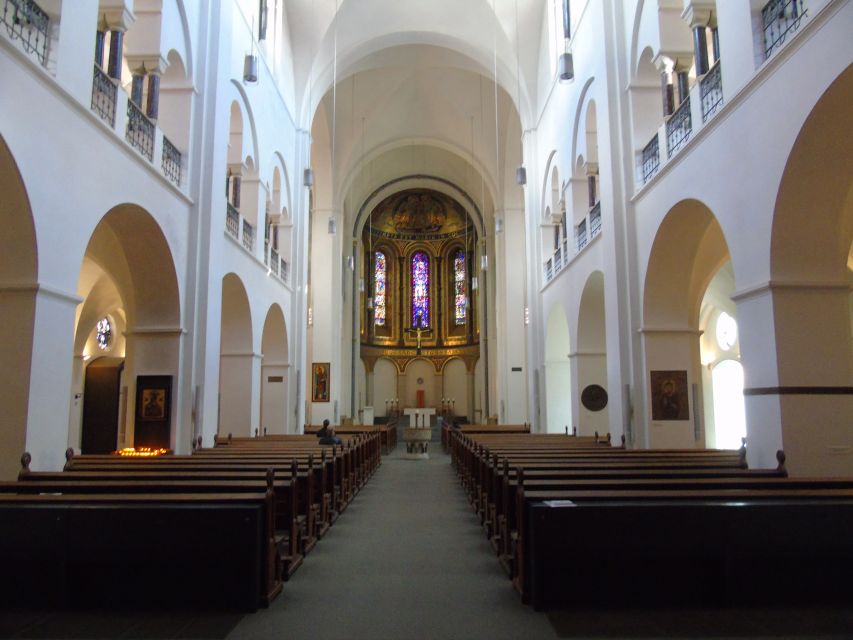
- Religion is part of the route: The walk includes mosques and the Catholic Cathedral, giving you a useful look at the area’s religious mix.
- Hamburg’s gay village: The tour introduces the neighborhood’s gay scene as part of St. Georg’s current identity.
- A difficult side of the district: The route includes the red-light district, so expect an honest look at an area with more edge than a standard sightseeing walk.
- History beyond monuments: Migration, religious minorities, and student revolt all shape the guide’s explanation of St. Georg.
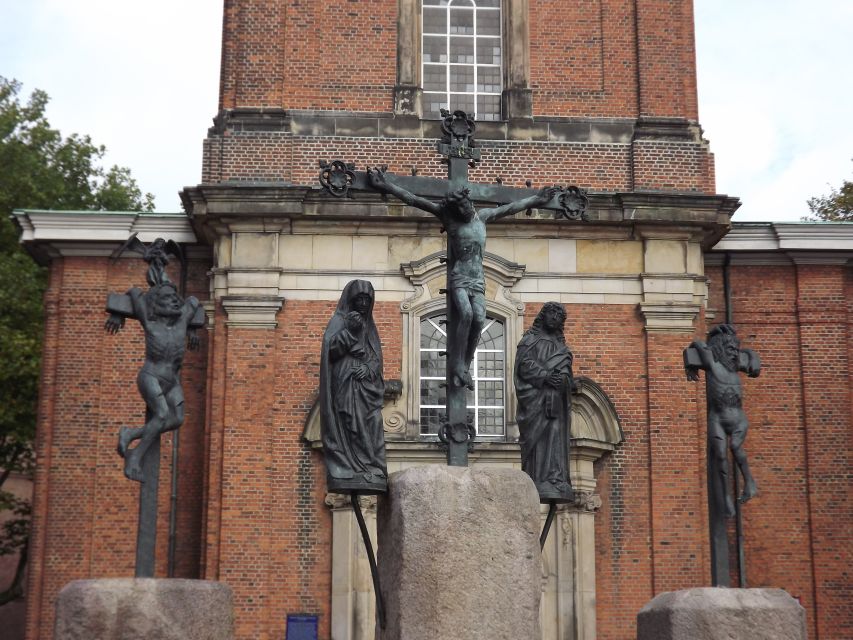
- German is the tour language: The guide speaks German, and the meeting point is the Crucifixion Group statue by Trinity Church.
Why St. Georg makes a good walking tour subject
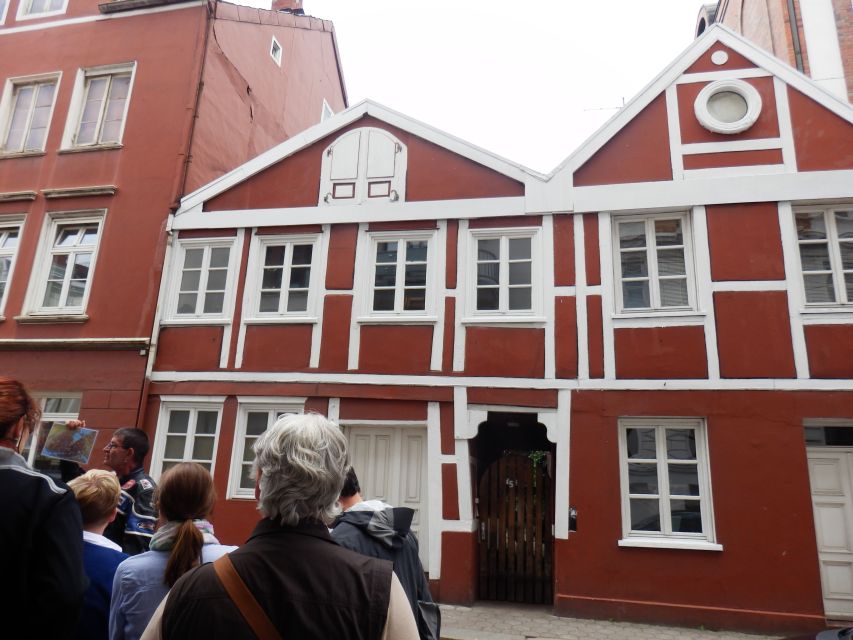
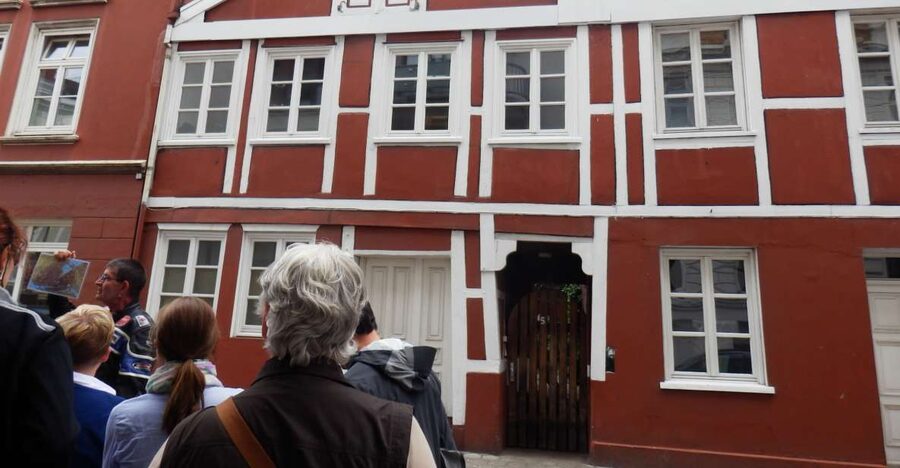
Many Hamburg walks concentrate on grand architecture, the harbor, or the Speicherstadt warehouses. St. Georg offers something less polished and more useful if you want to understand how a city changes. It is close to Hamburg’s main station, yet its streets carry several identities at once.
You move through a district shaped by migration, religion, student politics, nightlife, and LGBTQ life. That combination makes St. Georg a good place to ask practical questions about city life. Who lives here? Which businesses serve the local community? How do older religious institutions fit beside newer cafés and nightlife?
I like tours that use ordinary streets as their material. In St. Georg, the setting does not need a famous monument at every turn. A café, a place of worship, or a busy corner can explain more about the district than a formal museum display. Your guide supplies the background that helps these places make sense.
The tour is also useful early in a Hamburg visit. Since it begins near the main station, you can use it to get your bearings in one of the city’s central areas. It ends where it begins, so you are not left across town when the walk finishes.
More walking tours in Hamburg:
- Hamburg: Guided Walking Tour for Magic Fans
★ 4.8 · 1,992 reviews - Reeperbahn Walking Tour with St. Pauli Local
★ 4.8 · 577 reviews - Hamburg: Speicherstadt Walking Tour with Coffee Tasting
★ 4.6 · 360 reviews
Starting at Trinity Church near the main station
The meeting point is the Crucifixion Group statue in front of Trinity Church, at St. Georg Kirchhof, 20099 Hamburg. This is a precise place to aim for, but give yourself time to locate the statue and arrive ready to walk. The activity begins and ends at this same point.
Starting beside a church sets the tone. St. Georg is not presented only as a café quarter or nightlife area. Religion is one of the main threads of the neighborhood, and the opening point introduces that theme before the walk moves into the surrounding streets.
The main station area can feel like a place people pass through rather than a district people understand. This tour asks you to slow down. You begin close to one of Hamburg’s major transport hubs, then look at the nearby streets as a neighborhood with its own character.
Because the walk lasts two hours, you should expect an overview rather than a series of long interior visits. The information provided promises a guided walk through the district, not admission to attractions or a sit-down food stop. Wear comfortable shoes and keep your attention on the guide, since the value here comes from the explanations along the route.
Lange Reihe and St. Georg’s café culture
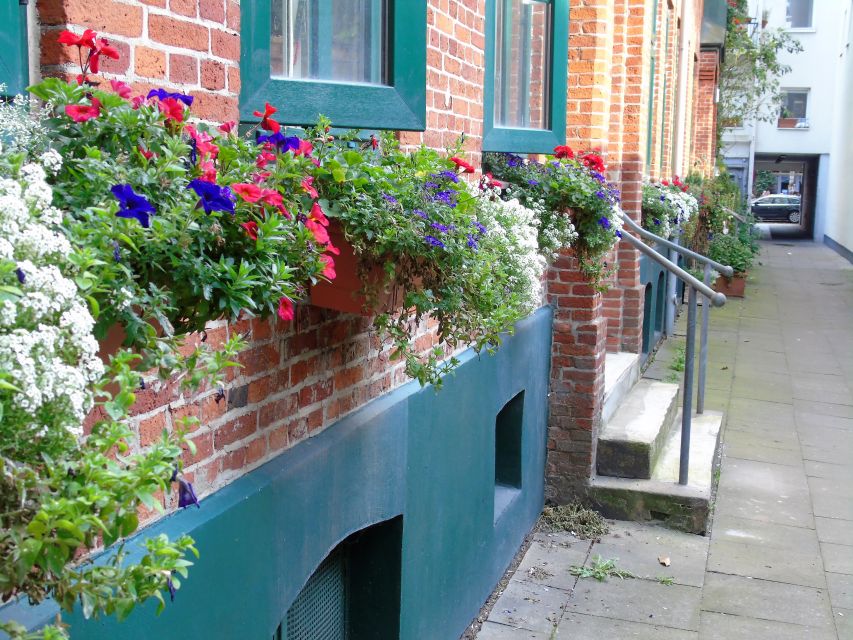
Lange Reihe is described as St. Georg’s quasi-center, and it is one of the most appealing parts of the route. The street is known for trendy coffee shops and sidewalk cafés, giving you a chance to see the district’s more relaxed, modern side.
This is not just a coffee break. The cafés help show how St. Georg has changed and how different groups use the same streets. You might find an easygoing café scene close to places with a very different purpose. That contrast is part of the neighborhood’s appeal.
I like this section because it gives you a visual sense of St. Georg before the tour moves into heavier subjects. A short walk through cafés can explain the area’s present-day feel, while the guide adds the social and political background that you would probably miss on your own.
Still, do not book this expecting a food tour. The cafés are sights and conversation points, not a promised tasting itinerary. If you want coffee, you can return after the walk, when you know which part of Lange Reihe interests you most.
The area near the main station may also feel less quiet than the tour’s description suggests at certain moments. The route is designed to show both the trendy and calmer sides of St. Georg, but this is still a central Hamburg district. Expect contrasts rather than a uniformly peaceful stroll.
Mosques, the Catholic Cathedral, and religious variety
One of the tour’s strongest ideas is its attention to the many religions found in St. Georg. The route includes mosques and the Catholic Cathedral, placing different religious communities within the same neighborhood story.
That matters because religious buildings are easy to pass without understanding their role. A guide can explain why they are here and how religious minorities fit into the district’s history. The tour’s focus on migrants and minority communities gives this part more weight than a quick photo stop.
The Catholic Cathedral adds another layer. Seeing it alongside mosques helps you think about St. Georg as a place where several traditions share a small urban area. The point is not simply to count houses of worship. It is to see how religion, migration, and daily life overlap.
You should keep your expectations realistic. The description does not promise interior visits, religious services, or meetings with members of these communities. The value lies in the guide’s explanation and in seeing the places within their local setting.
This section may be especially worthwhile if you want more than Hamburg’s standard postcard views. It gives you a closer look at the people and institutions that help shape the city, without pretending that history is limited to palaces and commercial landmarks.
A few more Hamburg half-days to weigh up
- Hamburg: 2-Hour XXL Port of Hamburg Cruise Tour
★ 4.7 · 6,979 reviews - Hamburg: Speicherstadt and HafenCity 2-Hour Tour
★ 4.8 · 1,063 reviews - Hamburg: 2-Hour Harbor Cruise
★ 4.6 · 504 reviews - Hamburg: 2-Hour Sightseeing Cruise to Blankenese
★ 4.6 · 279 reviews
The red-light district and a less polished St. Georg
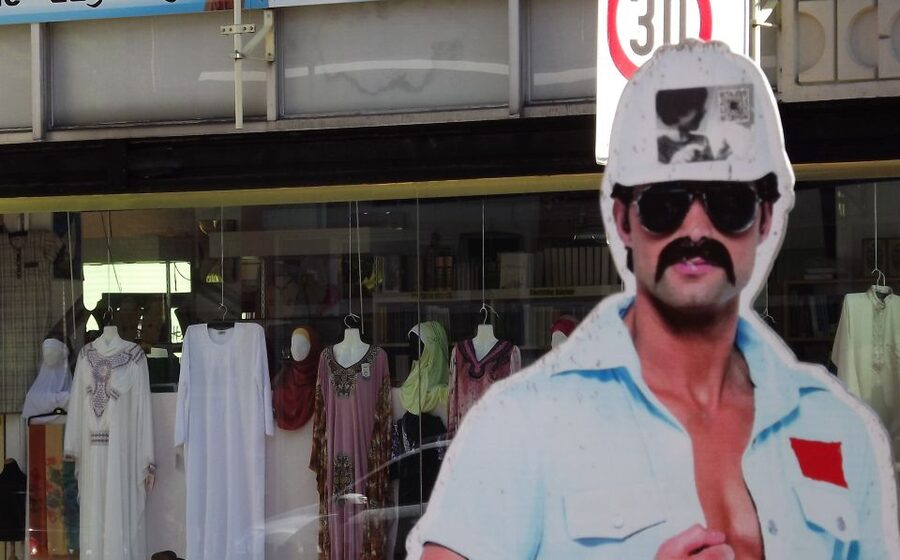
The route also includes St. Georg’s red-light district. This is an important part of the neighborhood, but it may not suit everyone. You are being shown a more complicated side of Hamburg, not a polished sightseeing zone.
A good guide can help you understand how the red-light district fits into the wider quarter. Here, it is presented alongside cafés, religious sites, and the gay village. That arrangement makes the tour feel more like a study of urban life than a simple list of attractions.
I appreciate the direct approach. Many city tours avoid difficult subjects or reduce them to quick jokes. This walk treats the district as part of St. Georg’s identity and history. You can expect the guide to place it within the neighborhood rather than presenting it as the whole story.
The consideration is straightforward: if you prefer only traditional sights, this portion may feel uncomfortable or less appealing. The tour is aimed at people who want an alternative side of Hamburg, including areas that are socially complex and not designed for sightseeing.
The red-light district also reinforces the tour’s central theme. St. Georg is interesting because several types of life exist side by side. The walk asks you to notice that mixture instead of smoothing it over.
Hamburg’s gay village and the district’s modern identity
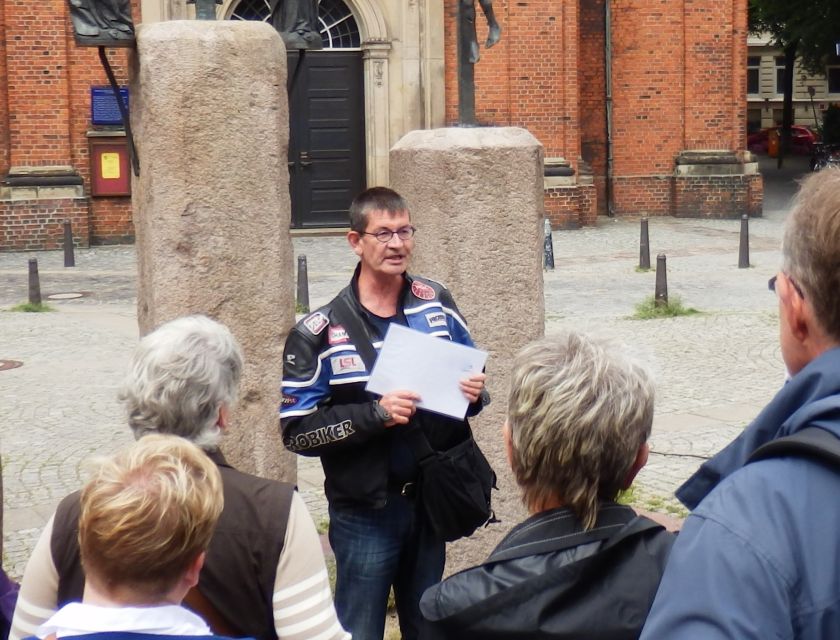
St. Georg is also known for its gay scene, and the tour includes the area often described as the gay village. This gives you another view of the district’s present-day character.
The gay village is not treated as an isolated attraction. It appears as one part of a neighborhood that also includes religious institutions, cafés, migrant communities, and places connected with nightlife. That wider context is useful. You see how identity and community become part of the physical life of a city.
If you are interested in LGBTQ history or contemporary urban culture, this may be one of the most relevant parts of the walk. The supplied information does not provide a detailed list of venues or specific historical events tied to individual businesses, so you should think of this as a guided neighborhood introduction rather than a nightlife crawl.
You also do not need to plan an evening out to benefit from the section. A daytime walk can show you the streets and explain their role in St. Georg. If a particular café or venue catches your eye, you can decide later if you want to return independently.
This is where the tour’s balance works well. St. Georg is not reduced to one label. The guide presents a district with several communities and several eras of development.
Migration, student revolt, and the story behind the streets
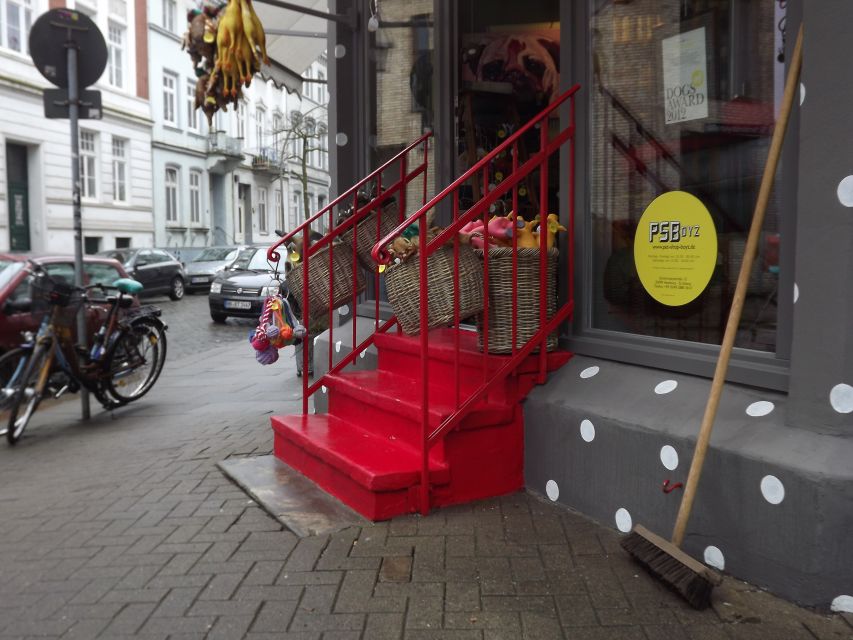
The tour connects St. Georg with migrants, religious minorities, and student revolt. These topics give the walk a stronger historical frame than a simple neighborhood introduction.
Migration helps explain why you find such a range of religious and cultural institutions in the area. The discussion of minorities encourages you to look beyond surface impressions and consider who has helped shape St. Georg over time.
The student revolt adds a political layer. The information provided does not specify particular dates, buildings, or incidents, so you should not expect a detailed academic lecture. Instead, the topic shows that St. Georg has also been part of wider debates about social change and authority in Germany.
I like this combination because it ties the personal to the political. A café-lined street can reflect recent change. A religious building can point to migration. A neighborhood associated with nightlife can also carry memories of protest and social movements.
The quality of this section depends heavily on your ability to follow German. The guide is described as a local and the tour language is German, with a very positive rating of 4.8 from 11 reviews. One German-language comment specifically praised the guide for an informative, personal tour with many insider details. That suggests the guide’s storytelling is a major part of the experience, but English speakers should book only if they can comfortably follow German.
What the two-hour format means for you
Two hours is a sensible length for St. Georg. It gives you enough time to connect the neighborhood’s main themes without turning the walk into an exhausting half-day commitment.
You should expect a steady outdoor walk with commentary at several points. The tour includes the cafés of Lange Reihe, religious sites, the red-light district, and the gay village, so the route covers varied parts of the quarter rather than staying in one small square.
The compact format also makes this easy to fit around other Hamburg plans. You could schedule it near a visit to the main station area, since the meeting point is close to the station. It is also a practical choice if you have only a short stay and want one activity that goes beyond the city’s most familiar sights.
There is no indication of included food, drinks, entrance tickets, or transportation. The $23 price therefore pays for the two-hour guided experience and local interpretation. I consider that reasonable if you care about context and can use the German-language format. It is less compelling if you mainly want landmark photos or if you will understand only fragments of the commentary.
The tour ends back at the starting point. That return makes your next step simple. You can continue exploring St. Georg, head back toward the station, or use the guide’s orientation to choose another part of Hamburg.
Who will get the most from this walk
I would recommend this tour to you if you want to see Hamburg from a neighborhood point of view. It suits people interested in migration, religion, LGBTQ life, social history, and the way older and newer communities share urban space.
It is also a good fit if you have already seen the standard sights and want something more local in tone. You will not spend the full two hours looking at famous buildings. Instead, you will learn how a central district works and why its streets look and feel different from one another.
German speakers have the clearest advantage. The tour is conducted in German, and the guide’s personal explanations are central to its value. If you understand German well, the informal local details may be the best reason to book.
I would be cautious if you need English commentary, want a private tour, or prefer a gentle walk devoted only to architecture. None of those features is promised here. The route also includes the red-light district, which may not match every sightseeing style.
The tour has a 4.8 rating based on 11 reviews, and the strongest praise centers on the guide’s competence, informative delivery, personal approach, and insider information. That is useful evidence about the guiding style, though the small number of ratings means you should still judge the experience against your language ability and interests.
Booking details worth knowing
The price is $23 per person. For two hours with a local guide, that is fair value, especially if the social and historical explanation matters to you. You are paying for interpretation rather than admissions or refreshments.
The tour is offered in German, and starting times vary. Check availability for the date of your visit rather than assuming a fixed schedule. The meeting point is the Crucifixion Group statue at Trinity Church, St. Georg Kirchhof, 20099 Hamburg.
You can cancel up to 24 hours before the activity for a full refund. The reserve-now, pay-later option also gives you some flexibility while arranging your Hamburg plans.
Should you book the St. Georg walking tour?
Book it if you want a local, socially aware look at Hamburg and can follow German. The route brings together Lange Reihe cafés, mosques, the Catholic Cathedral, the gay village, and the red-light district in a compact two-hour walk. That is a useful picture of a central neighborhood that standard sightseeing often skips.
Skip it if you need English commentary, want interior access to religious buildings, or prefer a tour built around major monuments. For the right audience, though, $23 buys a thoughtful introduction to one of Hamburg’s most varied quarters, with the guide’s personal stories and insider details doing much of the work.
FAQ
Where does the St. Georg walking tour begin?
The tour begins at the Crucifixion Group statue in front of Trinity Church, at St. Georg Kirchhof, 20099 Hamburg.
Where does the tour finish?
The activity ends back at the meeting point by Trinity Church.
How long does the tour last?
The guided walking tour lasts two hours.
What language is the tour in?
The live tour guide speaks German. The activity information lists German as the available language.
How much does the tour cost?
The listed price is $23 per person.
What places and subjects does the tour cover?
The route includes Lange Reihe’s cafés, the red-light district, mosques, the Catholic Cathedral, and Hamburg’s gay village. The guide also discusses migrants, religious minorities, and student revolt.
Can I cancel the booking?
Yes. You can cancel up to 24 hours in advance for a full refund. You can also reserve now and pay later.
Just added around Hamburg
- Winter Alster tour★ 4.0 · 12 reviews
- World War 2 Hamburg Private Guided Tour★ 5.0 · 6 reviews
- UNESCO World Heritage – Speicherstadt and Kontorhaus district★ 4.5 · 12 reviews
- Ticket for the Emigration Museum BallinStadt Hamburg★ 4.0 · 57 reviews
- hamburg Experienced differently with wish rental bike relaxed enjoy★ 5.0 · 5 reviews
- Hamburg Private Food Tours with a Local: 100% Personalized★ 5.0 · 3 reviews
- The Beatles in Hamburg – Private Tour★ 5.0 · 16 reviews
- The Beatles on St. Pauli★ 5.0 · 3 reviews
Hamburg Tours, compared.
1.5-Hour Harbor and Speicherstadt Day Cruise
Read our review →

Browse the lists this tour appears in