
Review · GERMANY
EUMETSAT – weather data for the world “made in Darmstadt”
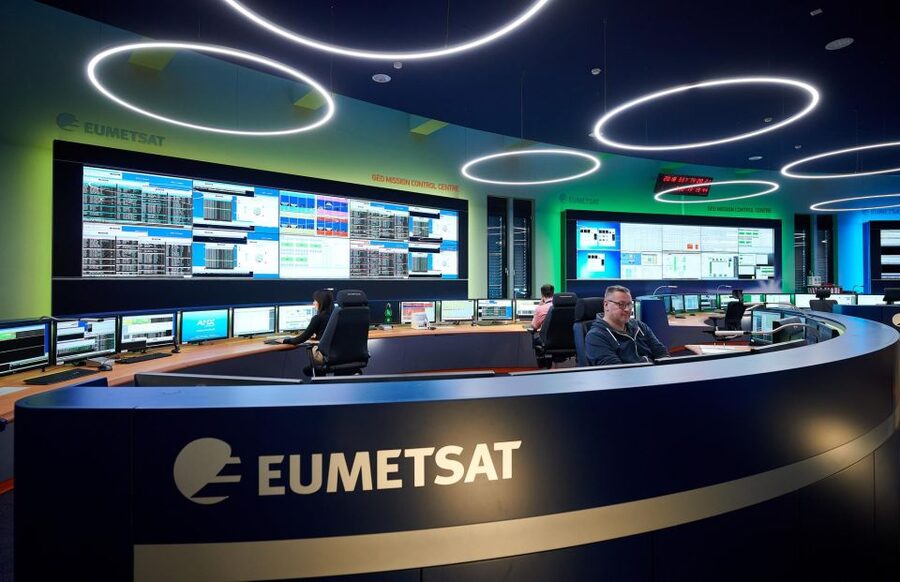
Full-size weather satellites are the stars of this 90-minute visit to EUMETSAT in Darmstadt. You’ll get a guided look at the European organization that operates meteorological satellites around the clock, supplying data for weather forecasts and climate research.
I like the real-size satellite models, which make an otherwise technical subject easy to picture. I also like the clear link between space science and daily life: the information gathered overhead helps explain tomorrow’s weather and long-term global warming.
The main drawback is simple: this is a German-language tour, and strict security rules mean you must bring an accepted passport or identity card, leave large bags behind, and remain with the group.
Key Points at a Glance
- Full-size satellite models: See meteorological spacecraft at a scale that makes their instruments and structure easier to understand.
- Weather data with a worldwide reach: Learn how EUMETSAT supports daily forecasts from its Darmstadt headquarters.
- Climate science connection: The tour explains how satellite information helps measure climate change and global warming.
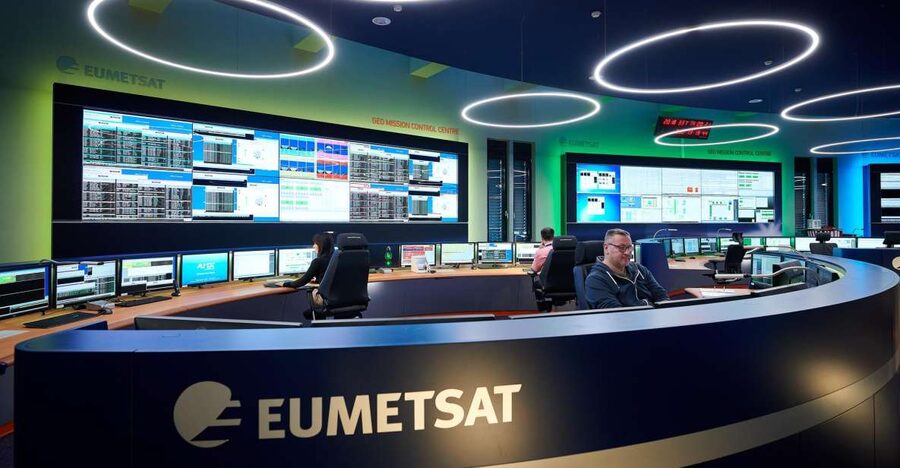
- A working European organization: EUMETSAT has operated from Darmstadt since 1986 and runs its satellite system 24 hours a day, 365 days a year.
- A security-controlled visit: Bring a passport or identity card, avoid large bags, and wear your visitor ID throughout the tour.
- Best for age 12 and up: Children under 12 cannot join, and the tour is conducted in German.
Why EUMETSAT Matters in Daily Life
You may hear the name EUMETSAT and picture a distant research agency with little to do with an ordinary day. This tour helps connect the organization to something you use constantly: the weather forecast.
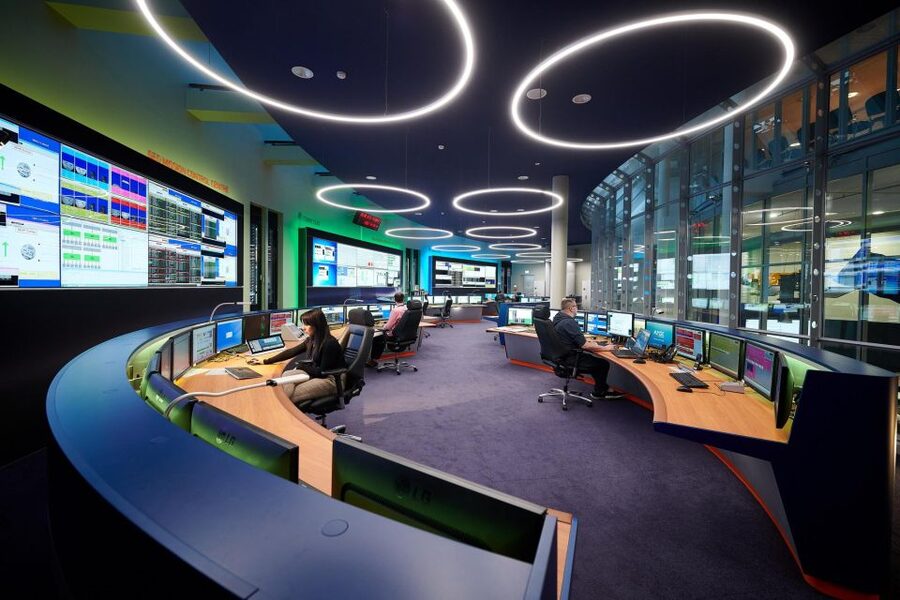
The European Organisation for the Exploitation of Meteorological Satellites has been based in Darmstadt since 1986. From here, its system of weather satellites is operated around the clock. The satellite network gathers information from above Earth, and that information supports the forecasts you check before a train trip, a walk, or a flight.
The value of the visit comes from seeing how space technology serves a very practical purpose. You are not simply looking at spacecraft as museum objects. You are learning why meteorological satellites exist and how their data supports decisions on Earth.
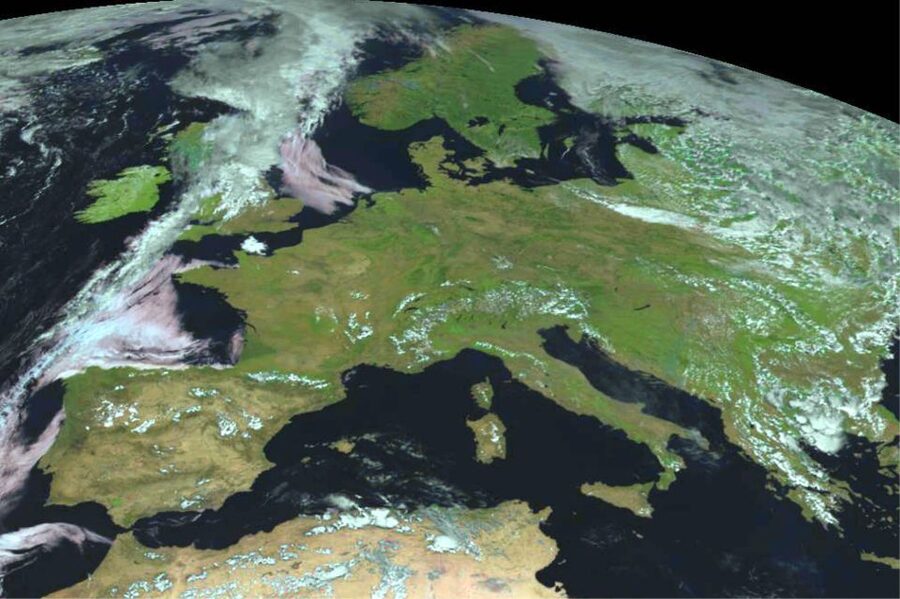
The subject also reaches beyond tomorrow’s rain. EUMETSAT data helps with measurements connected to climate change and global warming. That gives the tour two layers: immediate weather forecasting and the much longer work of tracking changes in Earth’s climate.
I find that combination especially useful for visitors who enjoy science but do not want a purely technical lecture. The tour gives you a physical way into a subject that is often presented only through weather maps, charts, and numbers.
Other Germany days people book on the same trip:
- Berlin: Reichstag, Dome and Government District Guided Tour
★ 4.7 · 18,288 reviews - Berlin: 1-Hour City Tour by Boat with Guaranteed Seating
★ 4.3 · 16,993 reviews - Hamburg: Sex and Crime in St. Pauli Tour for Ages 18+
★ 4.7 · 15,447 reviews
Seeing Satellite Models at Full Scale
The most memorable part of the visit is likely to be the satellite models. Some are presented at one-to-one size, which gives you a much better sense of their scale than a photograph or small display ever could.
A full-size model helps you notice the practical side of satellite design. You can see the spacecraft as an engineered object rather than a dot moving high above Earth. The guide explains the models during the tour and answers questions, making this a good setting for visitors who want more than a quick look.
The models are also useful if you are visiting with a teenager who is interested in space, engineering, or astronomy. The minimum age is 12, so EUMETSAT is aimed at older children and adults rather than young families. The subject matter may suit curious students particularly well, though the German-only format matters.
One useful point from the available tour feedback is that the guide has been able to answer detailed questions and explain the displays clearly. That matters here because satellites can be hard to understand without context. The models give you something to look at, while the guide supplies the explanation.
You should not expect a free-roaming exhibition. You remain with the organized group, follow staff instructions, and wear your visitor ID visibly for the duration of the visit. The benefit is that the tour has a clear structure and access is controlled. The tradeoff is less independence than you would have in a regular science museum.
A 90-Minute Visit Inside a Secure Facility
The meeting point is the visitors’ gate at EUMETSAT-Allee 1. From there, the visit proceeds as a guided tour of the facility and its satellite displays.
The total duration is about 1.5 hours. That is long enough to give the subject some substance but short enough to fit into a day of exploring Darmstadt. I would treat it as a focused appointment, not an all-day attraction.
Security is a real part of the experience. Everyone aged 16 and over must carry a valid identity card or passport. The document is checked for authenticity and retained while you are on site. It is returned after the visit.
Accepted identification is limited. A driving license, residence permit, or health insurance card does not count as proof of identity. You also need to provide your full name and nationality during registration, so do not expect to arrive and simply join at the last minute.
Large bags and backpacks are not allowed. Baby carriages are also prohibited. Pack lightly and leave bulky items elsewhere before you arrive. This is one of the most important practical details because a normal sightseeing bag may not be admitted.
Once inside, you must remain with the group. You cannot leave the visitor party during the tour, and you are expected to follow the security staff’s instructions. The security service can refuse entry or remove anyone who behaves uncooperatively.
That may sound formal, but it fits the setting. EUMETSAT is an operating international organization, not a public museum with open access. If you understand that before arriving, the rules are easier to accept.
What the Guide Adds
The tour is conducted in German. If you understand German, you can expect a live guide to explain the organization, its satellite system, and the displays along the route.
The guide is an important part of the experience because the value lies in understanding what you are seeing. A satellite model by itself is impressive, but the tour explains its purpose and connects it with weather forecasting and climate measurement.
The available feedback points to the guide’s ability to answer questions as one of the strongest aspects of the visit. That is useful if you are the kind of person who wants to ask how the satellite data is used, why the spacecraft are important, or how weather forecasting connects with observations from orbit.
I would prepare a few questions in advance if the subject interests you. The tour is only 90 minutes, so you will get more from it if you arrive ready to listen and ask. If your German is limited, the language may be a serious barrier. There is no information provided about an English-language option, so you should not book assuming that translation will be available.
Same city, a completely different sort of afternoon:
- Hamburg: 1.5-Hour Harbor and Speicherstadt Day Cruise
★ 4.6 · 14,200 reviews - From Munich: Neuschwanstein & Linderhof Castle Full-Day Trip
★ 4.5 · 12,494 reviews - Dresden: Semperoper Tickets and Guided Tour
★ 4.7 · 12,102 reviews - Berlin: Boat Tour Along the River Spree
★ 4.4 · 11,252 reviews
The Outdoor Portion and What to Wear
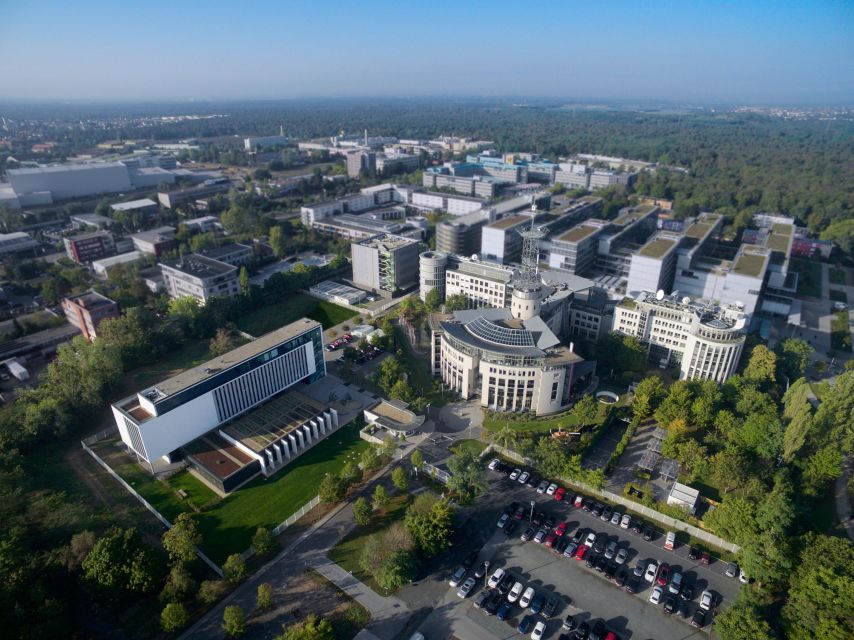
Part of the tour takes place outdoors. The satellite models and other areas of the visit are therefore not entirely inside a climate-controlled exhibition space.
Wear clothing suited to the weather and comfortable shoes. This advice matters in Darmstadt’s cooler or wetter seasons, when even a short outdoor section can affect your comfort. You will also need to carry your passport or identity card, but not a large day bag.
The tour is wheelchair accessible, which makes it a practical choice for visitors who need step-free access. Since the full route and exact outdoor conditions are not specified, it is still sensible to confirm any particular mobility needs when booking.
What the Satellite Data Does for You
The tour’s strongest educational point is the link between satellite observations and decisions made on the ground. Weather data is not useful only to scientists. It supports the forecasts that shape everyday plans and helps authorities understand changing conditions.
The climate side is just as important. Satellite data allows researchers to measure changes over time, including information used in studying global warming. That long-term role gives EUMETSAT a purpose beyond producing the forecast shown on your phone each morning.
I like experiences that explain an invisible service by showing the machinery behind it. Most people see a weather symbol, not the satellite system that helps produce it. At EUMETSAT, the spacecraft models make that system more tangible.
Still, you should know what this tour is not. It is not described as a rocket launch experience, an astronaut attraction, or a hands-on science center. The focus is meteorological satellites, their operation, and the data they provide. Visitors looking for spaceflight history may find the subject narrower, while anyone interested in weather and Earth observation should find the focus useful.
Is $17 a Fair Price?
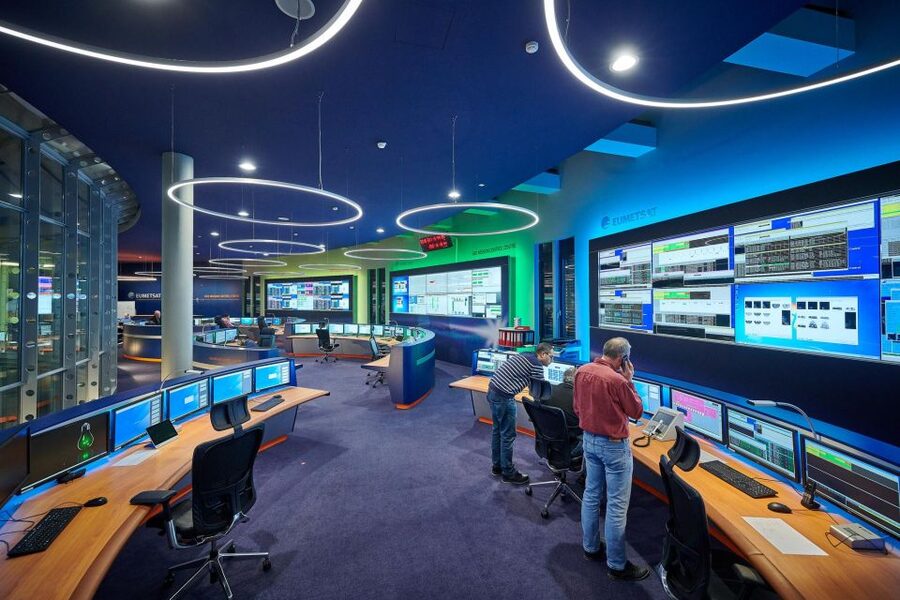
At $17 per person, the tour offers solid value if you are interested in science, space, or weather. You are paying for access to a working European satellite organization, a guided explanation, and the chance to see models at full scale.
The price makes particular sense for adults and older children who would otherwise spend money on a standard museum visit. The tour gives you a specialized subject that you are unlikely to encounter in the same way elsewhere in Darmstadt.
Value depends heavily on language. If you do not understand German, the models may still be interesting, but you may miss the explanations that justify the admission fee. I would book only if you can follow the tour or are comfortable treating the visit as a visual introduction rather than a fully understood lecture.
The 90-minute length also helps the value. It is not a quick photo stop, yet it does not take over your day. You can pair it with other time in Darmstadt, provided you plan around the fixed starting time shown when you book.
Free cancellation is available up to 24 hours before the visit for a full refund, and you can reserve now without paying immediately. Those options are useful if your schedule is still changing, but the identity and registration requirements remain firm.
Who Will Enjoy This Visit Most?
I would recommend EUMETSAT to:
- Adults curious about weather forecasting and climate science
- Teenagers aged 12 and older who enjoy space or engineering
- Visitors who like seeing working institutions rather than only historic monuments
- German-speaking visitors who want a specialized guided tour
- Anyone interested in the connection between satellites and climate measurement
I would think twice if you are traveling with children under 12, need to bring a stroller, or plan to carry luggage. The age limit and bag restrictions are not minor details.
I would also choose another activity if you want a casual, drop-in attraction. This visit requires pre-registration for every participant, including each person’s full name and nationality. You need to arrive prepared with accepted identification and follow the security procedure.
Practical Advice Before You Book
Register every person in your party in advance. Darmstadt Marketing needs the full name and nationality of each participant, so make sure the information matches the identification document you bring.
Bring a passport or identity card. For people aged 16 and over, the document is required, and substitute cards are not accepted. The document is held during the visit, then returned afterward.
Leave large bags, backpacks, and baby carriages behind. Pack only what you can bring through the security process, and dress for changing weather because the tour includes time outdoors.
Check the language before confirming your place. The live tour guide speaks German, and no other language is listed. This is the single biggest booking consideration for many international visitors.
The experience is wheelchair accessible. If you use a wheelchair or have specific access requirements, the stated accessibility is encouraging, but you should still provide any relevant information at the time of booking.
Should You Book EUMETSAT in Darmstadt?
Book this tour if you want a focused look at how meteorological satellites support weather forecasts and climate research. The full-size models, the working nature of the facility, and the chance to ask questions give the visit more substance than a simple display of space hardware.
I especially recommend it for German-speaking science fans and families with children aged 12 or older. At $17, the price is reasonable for a specialized 90-minute experience, and the clear explanations and impressive one-to-one satellite models are its strongest points.
Skip it if you need an English-language tour, want a flexible museum visit, or cannot manage the identification and security rules. For the right audience, though, EUMETSAT offers a rare look at the systems behind the weather forecast you use every day.
FAQ
Where does the EUMETSAT tour begin?
The meeting point is the visitors’ gate at EUMETSAT-Allee 1 in Darmstadt, Hessen, Germany.
How long does the EUMETSAT visit last?
The guided tour lasts approximately 1.5 hours.
What language is the tour conducted in?
The live guided tour is conducted in German.
What identification do I need to bring?
You must bring a valid passport or identity card. Driving licenses, residence permits, health insurance cards, and similar documents are not accepted as proof of identity.
Are children allowed on the tour?
Children must be at least 12 years old. Children under 12 cannot take part.
Do all participants need to register in advance?
Yes. Every participant must be pre-registered with Darmstadt Marketing using their full name and nationality.
Can I bring a large bag or backpack?
No. Large bags and backpacks are not allowed. Baby carriages are also prohibited.
Is the EUMETSAT tour wheelchair accessible?
Yes, the activity is listed as wheelchair accessible.
Can I cancel the booking?
Yes. You can cancel up to 24 hours in advance for a full refund. You can also reserve and pay later to keep your plans flexible.
Just added around Germany
- From Berlin: Gardens & Palaces of Potsdam Bike Tour★ 5.0 · 61 reviews
- Berlin: Battle for Seelow Heights WW2 tour -Clash of Titans★ 5.0 · 27 reviews
- From Amsterdam: Cologne Private Sightseeing Tour★ 5.0 · 4 reviews
- From Berlin: Historical Gems of Potsdam Private Day Trip★ 4.4 · 4 reviews
- Freiburg: Veni, vidi, vino – wine hike and tasting★ 4.5 · 144 reviews
- From Alken: Return Day Trip by Boat to Cochem★ 4.6 · 141 reviews
- Fritz Haarmann – Die Mördertour★ 4.6 · 41 reviews
- Freiburg: Tour of the city with cathedral visit★ 4.7 · 167 reviews